
Typhoon Yagi caused devastating damage to many northern provinces. (Photo: VNA)
According to the Typhoon Committee's operational mechanism, since 2000, the WMO Regional Specialized Meteorological Centre Tokyo – Typhoon Center has been responsible for assigning four-digit names and codes to tropical cyclones that reach tropical storm status or higher in the region. The list of typhoon names is compiled from proposals of the 14 member countries and territories of the Typhoon Committee and is used on a rotating basis in typhoon monitoring and forecasting.
In the event that a storm causes particularly severe damage or for other exceptional reasons, a Member State may propose removing the storm's name from the list. Once approved, the State that contributed the original name will propose three alternative names for the Typhoon Committee to consider and select at its annual meetings.
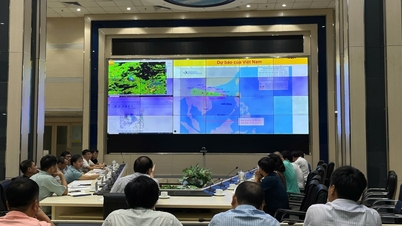
During this conference's discussion session, delegates reviewed nine typhoon names that needed replacing and proceeded with a consensus-based selection. As a result, the Typhoon Committee agreed on the following replacement names: Typhoon Toraji to Gaeguri; Typhoon Kong-rey to Koki; Typhoon Man-yi to Dim-sum; Typhoon Usagi to Hebi; Typhoon Yagi to Tomo; Typhoon Jebi to Narae; Typhoon Krathon to Burapha; Typhoon Trami to Hoaban; and Typhoon Ewiniar to Tirou.
Notably, the name "Hoaban" (Hoa Ban), proposed by Vietnam, has been approved to replace the name of Typhoon Trami in the current list. Hoaban is a characteristic flower of the Northwest mountainous region of Vietnam, carrying cultural significance and symbolizing the beauty of the highland nature.
In addition, the conference noted the Philippines' proposal to discontinue the use of several other typhoon names due to the severe damage they caused, including: Wipha, Co-May, Mitag, Ragasa, Bualoi, Kalmaegi, and Fung-Wong. Countries that contributed these typhoon names will continue to propose alternative names for the Typhoon Committee to consider in subsequent sessions.
According to the Typhoon Committee's regulations, new typhoon names must meet several criteria, including: no more than nine characters, easy to pronounce in the media, not carrying negative connotations in the languages of member countries, not being a commercial name, and not causing confusion with tropical cyclone names in other regions.
Maintaining and updating the list of typhoon names is a regular activity of the Typhoon Committee, contributing to the standardization of information in monitoring and forecasting tropical storms, while also facilitating communication, disaster warning, and strengthening international cooperation in the region.
Typhoon Yagi (Typhoon No. 3) formed from a tropical depression off the coast of the Philippines in September 2024 and quickly intensified into a super typhoon with a very rapid increase in intensity (increasing by 8 levels in 48 hours). When it made landfall in the Quang Ninh - Hai Phong area, the wind speed at the center of the typhoon reached levels 13-14, with gusts of levels 16-17.
This storm also maintained its super typhoon status for an extended period and was the strongest storm in the South China Sea in 30 years and on land in Vietnam in the past 70 years; the storm lingered on land for 12 hours.
Following the complex developments, Typhoon Yagi and its aftermath caused 320 deaths, 25 missing persons, affected 3.6 million people, and damaged over 322,000 homes. Economic losses are estimated at over VND 88.7 trillion, equivalent to 0.62% of GDP in 2023 and a potential reduction of approximately 0.24% of GDP in 2024.
Among the sectors, cultural services and tourism suffered the most significant losses, amounting to nearly 7,900 billion VND, equivalent to 57% of total output; followed by agriculture with nearly 3,900 billion VND; industry with over 2,000 billion VND; and export trade with losses exceeding 12,200 billion VND.
Source: https://baotintuc.vn/xa-hoi/dung-ten-bao-tomo-thay-cho-yagi-20260312102557300.htm
















































































Comment (0)