

AI and ChatGPT open up many new opportunities and challenges in the fields of research and education , especially in language teaching.
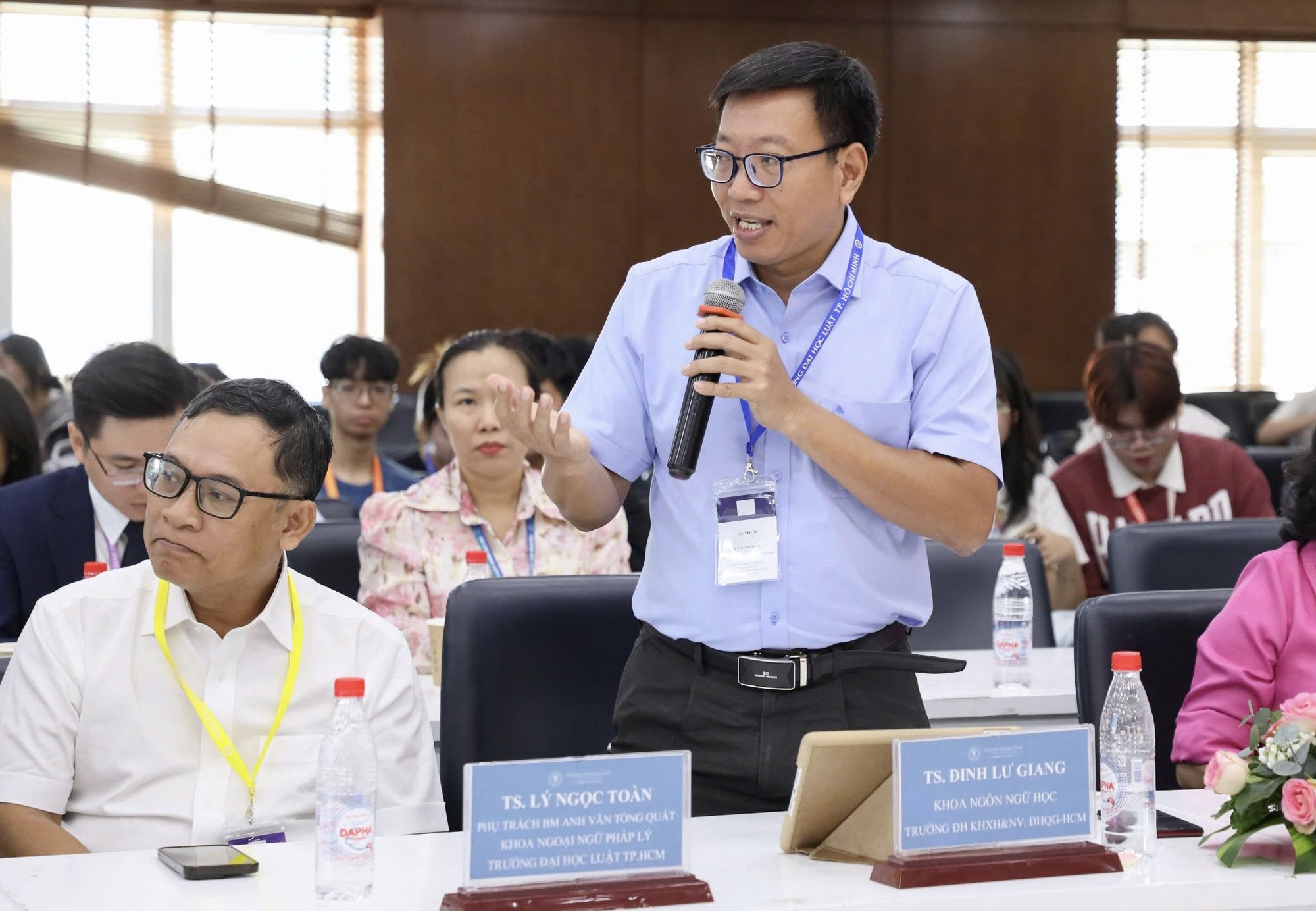
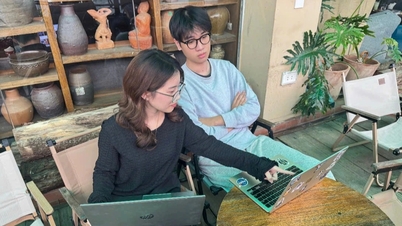
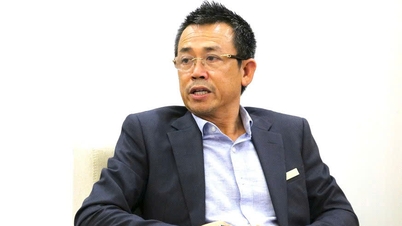
AI tools like ChatGPT open up many opportunities and challenges in language teaching - Photo: NT
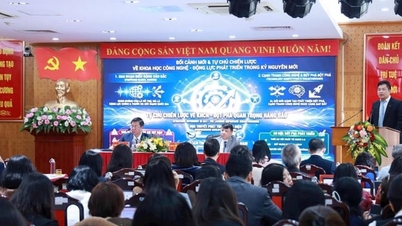
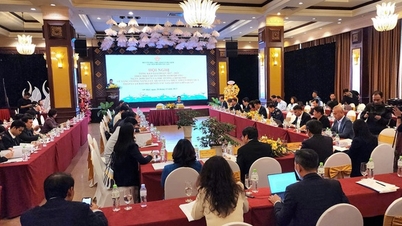
These were the main topics discussed at the workshop "Research and Teaching of Language and Interdisciplinary Sciences in the Digital Age" organized by the Ho Chi Minh City University of Law on the morning of November 16th. Many delegates mentioned the application and use of AI and ChatGPT tools in teaching and learning.
Speaking at the workshop, Dieter Bruhn, a senior instructor in the U.S. Department of State's English Language Instructor Program, pointed out three main trends in modern language teaching: integrating artificial intelligence into foreign language assessment, developing interactive multimedia learning environments, and personalizing learning paths based on technology.
Citing numerous studies, Dieter Bruhn argues that the emergence of AI-driven technology in educational environments allows for learning experiences tailored to individual needs, significantly enhancing language acquisition.
He also emphasized that language education is undergoing a transformative shift, profoundly influenced by advances in artificial intelligence and interactive learning methods. Educators are compelled to explore new tools to enhance the effectiveness and appeal of language teaching.
"Integrating AI technologies, such as ChatGPT and Gemini, into language education presents a number of challenges that educators must address. Most prominent among these is the significant shift in pedagogical roles. Instructors may find themselves transitioning from power figures in traditional teaching models to facilitators in a technology-driven, collaborative learning environment," said Dieter Bruhn.
Specifically in Vietnam, a group of lecturers from the Ho Chi Minh City University of Law cited several studies published in 2024 to conclude that the application of technology in teaching has created many opportunities and improved learning outcomes. However, many challenges remain.
Several studies on the application of technology in language teaching, conducted at universities in Binh Duong and the British University Vietnam, show that students are enthusiastic about learning foreign languages on technological platforms, interact more, and improve their speaking skills.
The faculty also cited research results published in 2024 showing that 10.8% of students from 6 member universities of the Vietnam National University Ho Chi Minh City are using paid ChatGPT and nearly 90% are using free ChatGPT to support learning-related issues, including language learning.
The use of artificial intelligence applications is seen as helping students learn continuously through online platforms, thus completely unrestricted by time or location.
However, the group also pointed out several challenges such as technological infrastructure, the technological skills of lecturers and students, and disparities in access to technology between urban and rural students.
From there, the group proposed solutions such as training lecturers in educational technology, developing online learning platforms, integrating technology into teaching, and schools collaborating with technology companies...
Launching the Institute for Intellectual Property, Entrepreneurship and Innovation
On November 15th, Ho Chi Minh City University of Law launched the Institute of Intellectual Property, Entrepreneurship and Innovation, which is affiliated with the university.
The institute's primary objective is to continue developing short-term training programs on legal knowledge enhancement and in-depth training on intellectual property rights for specific target groups, contributing to raising awareness and supporting the protection of intellectual property rights for scientific research and innovation results.
Source: https://tuoitre.vn/gan-90-sinh-vien-dai-hoc-quoc-gia-tp-hcm-su-dung-chatgpt-de-hoc-tap-20241116131340657.htm


![[Photo] Prime Minister Pham Minh Chinh presides over a meeting on private sector economic development.](/_next/image?url=https%3A%2F%2Fvphoto.vietnam.vn%2Fthumb%2F1200x675%2Fvietnam%2Fresource%2FIMAGE%2F2025%2F12%2F20%2F1766237501876_thiet-ke-chua-co-ten-40-png.webp&w=3840&q=75)












































































Comment (0)