

This is a consequence of the period at the end of last year – when real estate credit increased by over 20% in Q3/2025 and was repeatedly warned against. Interest rates for this segment are projected to remain high, pegged at around 10% - 12% this year, before potentially returning to around 10% by mid-2027.
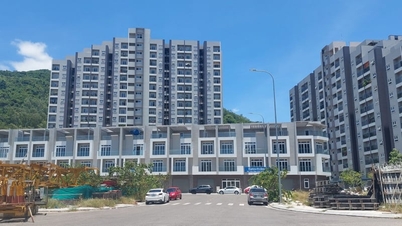
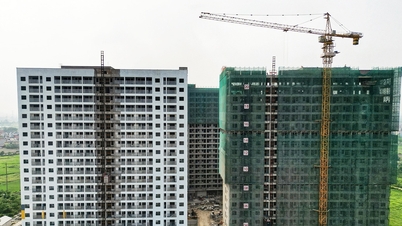
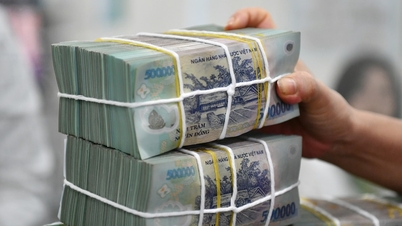
However, the current 50% increase in real estate lending interest rates compared to 2024 is a significant issue concerning credit flows and their impact on the Vietnamese real estate market. Rising interest rates affect the entire real estate market, from homebuyers and investors to businesses developing projects. This increase will impact the real estate market throughout the 2026-2028 period, significantly narrowing short-term investment opportunities, leading to a strong market consolidation, and reducing opportunities for speculative short-term trading.
From a macroeconomic perspective, raising interest rates to control the flow of credit into real estate is a solution adopted by the authorities and is appropriate given the recent rapid growth in this sector. In particular, the government aims for double-digit growth in 2026, driven by exports, public investment, and consumption. Credit should be prioritized for production and business activities, rather than being poured excessively into real estate. Therefore, the increase in interest rates for real estate business loans is mainly due to government regulation. Interest rates for production and business loans are also affected, but a fluctuation of around 10% is considered appropriate. It's impossible to simultaneously inject money through increased credit and demand consistently low interest rates. In the short term, borrowers purchasing real estate must accept higher interest rates. However, it is predicted that interest rates will gradually cool down from the last quarter of 2026.
In the latest directive on the real estate market, the Prime Minister requested the State Bank of Vietnam to accelerate the disbursement of the approved social housing credit package under Decision No. 338/QD-TTg, and to periodically send disbursement data to the Ministry of Construction monthly for compilation and reporting; to accelerate disbursement for young people under 35 years old. He also called for strict control of speculative real estate credit, focusing on the actual housing needs of the people, implementing flexible and effective monetary policy management to stabilize the macroeconomy and control inflation; and monitoring and directing credit institutions to strictly control credit to the real estate sector…
In the long term, for the real estate market to develop healthily and sustainably, it is necessary to return to the fundamental nature of investment – businesses need large, long-term capital sources, rather than relying primarily on bank loans. Abroad, long-term capital often comes from investment funds, pension funds, real estate investment trusts (REITs), etc.
In Vietnam, the establishment of real estate investment trusts (REITs) has been discussed since 2012, but development has yet to be commensurate. Meanwhile, many real estate companies, despite having relatively small registered capital, are simultaneously undertaking numerous projects, resulting in overly diversified investments. The fundamental solution remains reducing reliance on bank credit, restructuring capital sources, limiting scattered investments, and developing long-term capital mobilization channels for the real estate market.
Source: https://nld.com.vn/giam-tin-dung-vao-bat-dong-san-196260304221607691.htm




![[Photo] General Secretary and President To Lam and the President of the Philippines hold talks.](https://vphoto.vietnam.vn/thumb/1200x675/vietnam/resource/IMAGE/2026/06/01/1780286997787_anh-man-hinh-2026-06-01-luc-11-09-43.png)


























































































Comment (0)