


For traditional craft villages to truly become attractive tourist destinations, preserving their core values and developing well-structured, appropriate tourism products that harmonize the interests of conservation and exploitation are prerequisites. More importantly, this requires the coordinated efforts of the government, local people, craft village communities, and travel businesses to transform the value of Vietnamese handicrafts into sustainable tourism products within the modern tourism landscape.
Rich potential for developing handicraft village tourism.
Traditional craft villages are not only repositories of handcrafted skills passed down through generations, but also cultural spaces reflecting the history, customs, and aesthetic sensibilities of the Vietnamese community. Each ceramic product, silk fabric, rattan and bamboo woven item, lacquerware, bronze casting, stone sculpture, flower arrangement, or traditional dish contains stories about the culture, people, and land. It is this cultural depth and unique character that creates the special appeal of craft villages, their crafts, and their products to tourists. In particular, international visitors increasingly value experiencing local culture and heritage values.
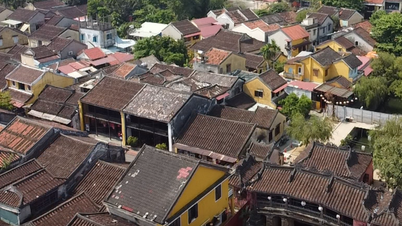
In recent years, many traditional craft villages have become familiar destinations on Vietnam's tourism map. Bat Trang pottery village, Van Phuc silk village (Hanoi), and Dong Ho painting village (Bac Ninh) attract tourists by combining the atmosphere of ancient craft villages with experiential activities such as pottery making, silk weaving, and painting. In Hue, Bao La rattan weaving village makes its mark with environmentally friendly products and experiential tourism models linked to community life. In the heritage region of Hoi An, Kim Bong carpentry village and Thanh Ha pottery village not only preserve traditional craft techniques but also transform the manual labor process into a vibrant cultural experience for tourists. In addition, Tra Que vegetable village offers a unique agricultural tourism space where visitors can directly participate in planting, preparing food, and experiencing the rhythm of Vietnamese rural life.
According to statistics from the Vietnam National Tourism Administration, the country currently has more than 5,400 craft villages and villages with traditional crafts, of which nearly 2,000 are recognized as craft villages and traditional craft villages, along with more than 260 traditional crafts. Recognizing the growing potential of tourism development associated with craft villages, tourism management agencies, local authorities, and travel businesses have shown interest and invested in diversifying products to attract tourists for sightseeing, shopping, and experiences. Notably, in recent years, many scientists , researchers, managers, and members of craft villages and communities have proactively participated in researching, investing in, and promoting the brands of traditional craft products that are characteristic of each region and locality.
According to Ha Van Sieu, Deputy Director of the Vietnam National Tourism Administration, developing tourism in craft villages not only contributes to creating jobs, increasing income for people, and boosting the local economy, but also plays an important role in preserving and promoting traditional cultural values, aiming for sustainable tourism development. When people in craft villages become the main actors in tourism activities, cultural heritage is protected, and at the same time, it opens up opportunities for Vietnamese tourism to assert its unique identity in the international market.
Preserving the identity of traditional craft villages.

Combining tourism with traditional craft villages is a suitable approach to diversify tourism products while simultaneously creating incentives for preserving and developing the values of handicrafts. By focusing on building tourism products that reflect the unique identity of each locality, tourism not only expands choices for tourists but also contributes to promoting the image of Vietnam to the world, fostering cultural exchange, and integrating the essence of Vietnamese craft villages into the international arena.
In reality, many craft villages attract tourists not because of their large scale, but because of the exquisite craftsmanship preserved over time by the local people. However, rapid urbanization, changes in the market economy, and the career trends of young workers are putting many craft villages at risk of disappearing. Some craft villages develop tourism spontaneously, pursuing short-term profits, leading to the commercialization of products and the erosion of the craft's identity. Many tourists visit craft villages for short periods, lacking in-depth experiences, resulting in shorter stays and lower spending compared to the potential. Furthermore, environmental pollution, a lack of sustainable development orientation, and weak links between craft villages and cultural, ecological, and culinary tourism destinations are also major obstacles in maintaining a stable flow of tourists to these villages.
This practical experience shows that, for sustainable development of craft village tourism, preserving the craft itself is essential. Preserving the craft village space, supporting artisans, and encouraging the younger generation to continue traditional crafts are key ways to safeguard the core values of the destination. Based on this foundation, tourism products need to be developed creatively and professionally, transforming the handicraft production process into interactive experiences, allowing visitors to hear the story of the craft, directly participate in the stages, and create products with their own personal touch. According to Mr. Pham Hai Quynh, Director of the Asian Tourism Development Institute, for sustainable development of craft village tourism, the community must be at the center, focusing on preserving the cultural values and unique landscapes of each locality.
Tourism activities related to traditional craft villages also need to be linked with supporting elements such as local cuisine, folk festivals, community life, and rural landscapes. Connecting craft villages to cultural and ecological tourism tours and routes, combining homestay accommodations, evening craft demonstrations, or organizing short-term experiential classes are key factors in extending the length of stay and increasing spending by tourists, especially international visitors. According to Vu Van Tuyen, General Director of Travelogy travel company, developing craft village tourism needs to be linked to rural development, with the most important aspect being the promotion, training, and guidance of local people in tourism activities. This also includes updating promotional methods, digitizing destinations, and improving the storytelling skills of tour guides and interpreters to breathe life into the products.
From a management perspective, many experts emphasize the need for synchronized coordination between local authorities, the tourism industry, and craft village communities. Planning tourism spaces, standardizing products, training tourism skills for locals, and applying digital technology in product promotion and consumption are long-term solutions. Associate Professor, Dr. Pham Trung Luong (former Deputy Director of the Vietnam Institute for Tourism Development Research) argues that craft village tourism can only develop sustainably with a long-term strategy, ensuring the active participation of local communities, linking cultural preservation with economic development, and aiming towards green tourism models.
In the context of modern tourism, craft village tourism plays an effective role as a bridge between cultural preservation and development. With proper investment, each craft village not only preserves its traditional craft but also elevates its cultural value through tourism activities. Handicraft products are no longer simply souvenirs but become "cultural ambassadors," telling the story of Vietnam and its people to domestic and international tourists.
Source: https://baotintuc.vn/du-lich/giu-hon-nghede-phat-trien-ben-vung-20251227104735571.htm



































































































Comment (0)