


 |
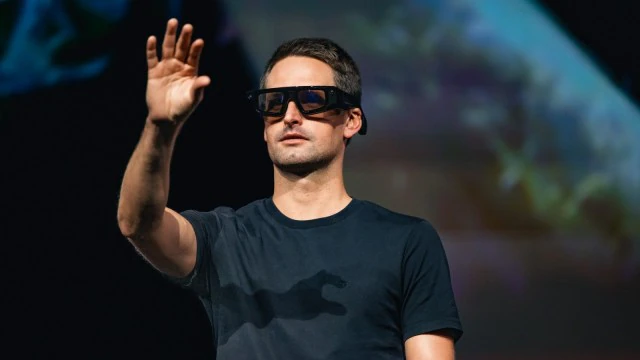
Evan Spiegel, CEO of Snap, believes that augmented reality (AR) glasses will one day become as commonplace as smartphones. Photo: Snap Inc. |
Silicon Valley is gradually returning to the race to develop smart glasses, a technology that the giant Google failed to popularize more than a decade ago with its Google Glass product.
Now, major players like Google, Meta, and Snap believe times have changed, largely thanks to the remarkable advances in artificial intelligence (AI). These corporations are pouring all their resources into developing truly "smart" glasses capable of recognizing and interpreting the world around them, and providing real-time feedback.
The new generation of smart glasses
Snap, the parent company of Snapchat, recently announced an AI-powered glasses model expected to launch in 2026. This move signals strong belief among tech enthusiasts that smart glasses will be the next big breakthrough.
According to CNN , the interest in this technology stems from two main factors: smartphones are gradually losing their appeal to encourage frequent upgrades, and tech companies are eager to fully leverage AI by integrating it into new hardware.
While the concept of smart glasses is no longer new, advanced artificial intelligence (AI) models have created a major leap forward. With the ability to simultaneously process images, videos , and voice, solve complex requests, and respond naturally, the new generation of smart glasses promises a superior experience compared to previous versions.
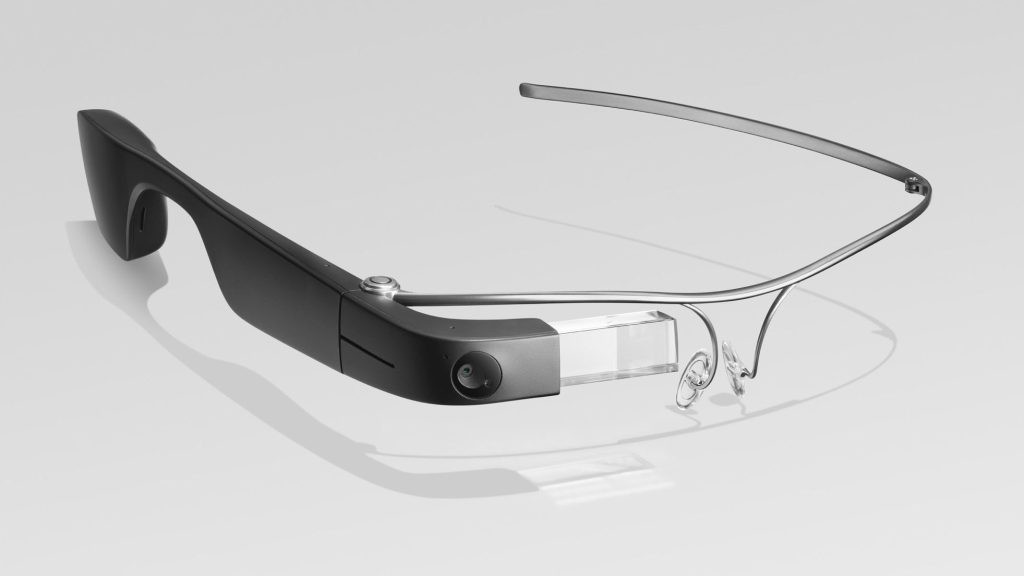 |
Google Glass, launched in 2015, was not a success. Photo: Google. |
"AI is making these devices much easier to use, and it's also opening up new ways for people to use them," said Jitesh Ubrani, IDC's wearables research manager.
Previous generations of smart glasses from Google, Snap, Meta, and Amazon have largely failed to achieve success. The first-generation Google Glass, for example, was criticized for its small screen, poor battery life, high price, and outdated design.
Even successor products like "Amazon Echo Frames" or "Ray-Ban Stories" only offer basic features like music playback or hands-free photography, with no significant breakthroughs compared to what a typical smartphone can do.
However, the current generation of smart glasses has made tremendous progress. In a prototype presentation, Google's Gemini assistant was able to suggest cocktail recipes simply by analyzing images of bottles of liquor.
Notably, the glasses also have the ability to store visual information: at the Google I/O event, an employee asked Gemini the name of a coffee shop printed on a mug she had seen earlier, demonstrating its incredible ability to remember and process visual data.
 |
Successor products like Ray-Ban Stories have restored the tech industry's faith in smart glasses. Photo: Meta. |
Ray-Ban Meta AI glasses from Meta offer a range of advanced features. Users can easily ask about the spiciness of a chili pepper they're holding or translate conversations in real time. According to EssilorLuxottica , the commercial success of this line of glasses is remarkable, with over 2 million units sold since its launch in 2023.
"There have been many unsuccessful attempts. But now, we finally have some viable ideas about the future of smart glasses," said Andrew Zignani, senior research director at ABI Research.
Market research also supports this forecast. According to estimates by ABI Research , the smart glasses market will see significant growth from 3.3 million units shipped in 2024 to nearly 13 million in 2026.
Similarly, IDC forecasts that sales of smart glasses, particularly products like those from Meta, will increase from 8.8 million units in 2025 to nearly 14 million in 2026.
Do users really want smart glasses?
In a blog post, Snap clearly articulated its vision: "The tiny smartphone has limited our imagination. It forces us to look down at the screen, instead of up at the world."
Competition in the smart glasses market is becoming increasingly fierce. Bloomberg reports that Apple is also developing its own smart glasses, expected to launch in 2026, and will compete directly with Meta.
Panos Panay, head of devices at Amazon, also hinted at the possibility of launching Alexa glasses with integrated cameras in the future. "I think you can imagine a whole range of AI devices coming soon," Panay revealed.
Meta CEO Mark Zuckerberg recently reaffirmed his belief that smart glasses could become central to future technological interactions.
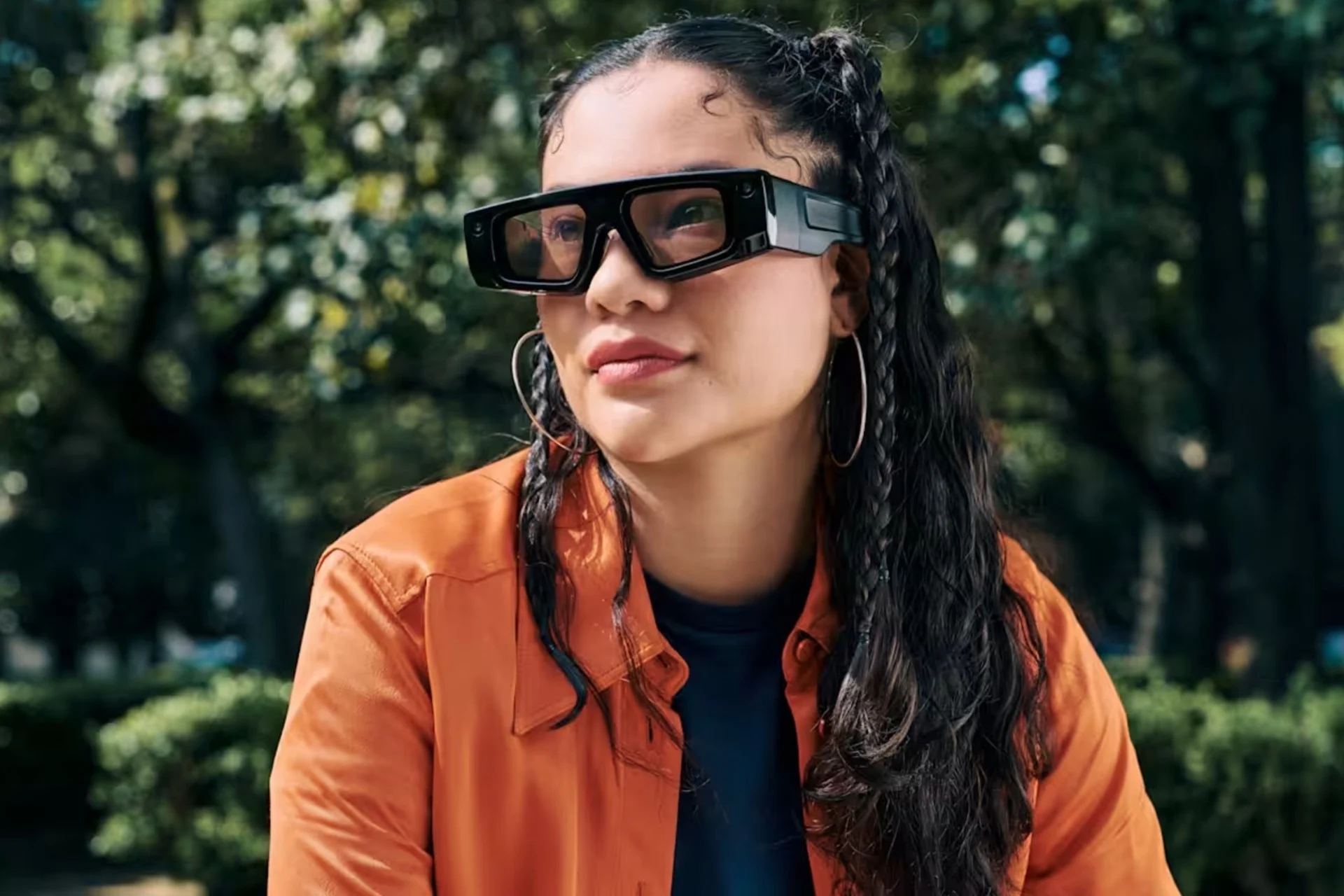 |
Companies need to convince users that they really need smart glasses. Photo: Snap Inc. |
"A big gamble we're taking is that much of how people interact with content in the future will happen through diverse AI-powered means, and ultimately through smart glasses and holographic imaging," he stated at a company meeting in April.
However, smart glasses face a major challenge – convincing consumers of the necessity of a new technological device, especially those who don't habitually wear glasses. These products must offer sufficiently compelling value for money so users are willing to wear them continuously throughout the day.
On the other hand, price is also a significant barrier. Meta's Ray-Ban sunglasses cost around $300 , the same price as a smartwatch. While this is significantly lower than the Apple Vision Pro mixed reality glasses ( $3,500 ), it could still be a difficult product to sell in a market where consumers are cutting back on spending on technology devices.
Evidence of this is the fact that global smartwatch shipments declined for the first time in March, according to data from Counterpoint Research , suggesting a trend of consumers spending less on devices not considered essential.
Nevertheless, tech companies are still willing to bet big on this segment, aiming to avoid missing the opportunity to create a "blockbuster."
"Many in the industry believe that smartphones will be replaced by glass or something similar. That won't happen today, but in years to come. And all these companies want to make sure they don't miss that turning point," Ubrani stated.
Source: https://znews.vn/cong-nghe-ca-google-meta-va-snap-deu-theo-duoi-post1561024.html



![[Photo] National Assembly Chairman Tran Thanh Man visits and works with the National Assembly Committees and the State Audit Office.](https://vphoto.vietnam.vn/thumb/1200x675/vietnam/resource/IMAGE/2026/02/23/1771848141941_ndo_br_bnd-6798-jpg.webp)




























































































Comment (0)