

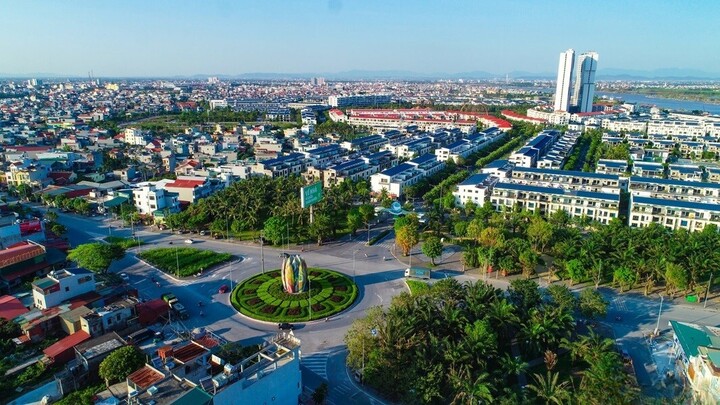
1. Which province were Hai Duong and Hung Yen merged into?
- A
Hai Hung
Hai Hung was a former province in the Red River Delta. On January 26, 1968, according to a resolution of the Standing Committee of the Vietnamese National Assembly, the two provinces of Hai Duong and Hung Yen merged to form Hai Hung province.
Upon merger, the province comprised two towns: Hai Duong town (the provincial capital), Hung Yen town, and 20 districts: An Thi, Binh Giang, Cam Giang, Chi Linh, Gia Loc, Khoai Chau, Kim Dong, Kim Thanh, Kinh Mon, My Hao, Nam Sach, Ninh Giang, Phu Cu, Thanh Ha, Thanh Mien, Tien Lu, Tu Ky, Van Giang, Van Lam, and Yen My. - B
Duong Yen
- C
Hai Yen
- D
Hung Hai
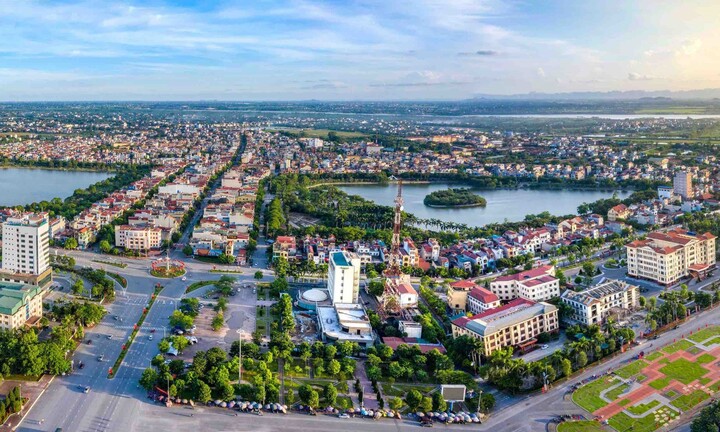
2. How many years has this province existed?
- A
22
- B
24
- C
26
- D
28
On November 6, 1996, the 10th session of the 9th National Assembly passed a resolution dividing Hai Hung province to re-establish Hai Duong and Hung Yen provinces.
Hai Duong province comprises Hai Duong town and 8 districts: Cam Binh, Chi Linh, Gia Loc, Kim Mon, Nam Thanh, Ninh Giang, Thanh Mien, and Tu Ky.
Hung Yen province comprises Hung Yen town and 5 districts: An Thi, Chau Giang, Kim Dong, My Van, and Phu Tien.
On July 24, 1999, Chau Giang district was divided into two districts: Khoai Chau and Van Giang. At the same time, My Van district was reorganized into three districts: My Hao, Van Lam, and Yen My.
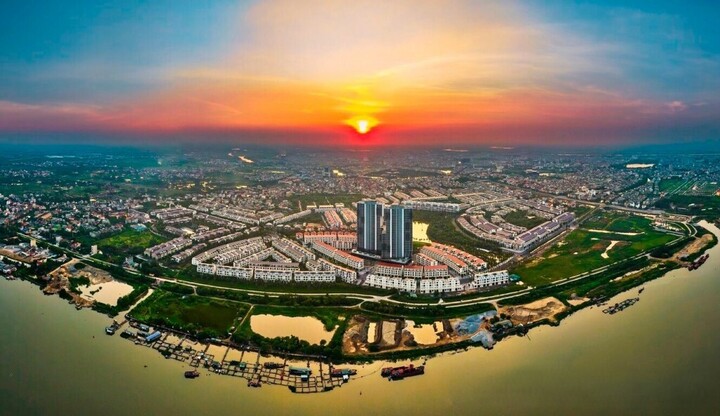
3. What does the name Hai Duong mean?
- A
The sunlight shines directly on it.
- B
Sea and sky
- C
Sunlight over the East Sea
According to the Hai Duong Provincial Electronic Information Portal, the meaning of the two words "Hai Duong" is as follows: In Chinese characters, "Hai" means sea, and "Duong" means light or sunlight. Hai Duong is located to the east of Thang Long (Hanoi), the capital city. East is also the direction of the rising sun. Therefore, "Hai Duong" means "sunlight of the East Sea" or "light shining from the eastern coastal region".
Under the Mac Dynasty, in the year Dinh Hoi (1527), Mac Dang Dung established Hai Duong as Duong Kinh. Thuan An prefecture in Kinh Bac and Khoai Chau, Tan Hung, Kien Xuong, and Thai Binh prefectures in Son Nam were placed under Duong Kinh. The book Dai Nam Nhat Thong Chi, volume 17, also records this event as follows: "The Mac Dynasty established Nghi Duong as Duong Kinh, taking Thuan An prefecture from Kinh Bac and Khoai Chau, Tan Hung, Kien Xuong, and Thai Binh prefectures from Son Nam and placing them under Duong Kinh." - D
Light of the sea
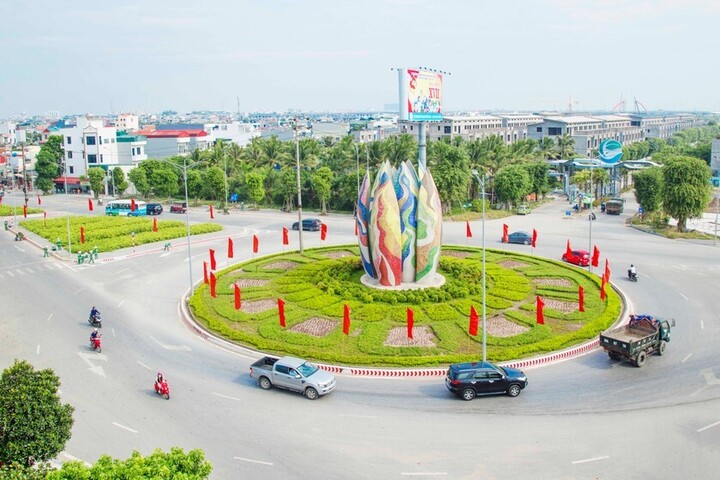
4. How many major mountains are there in Hung Yen province?
- A
1
- B
3
- C
5
- D
There are no mountains.
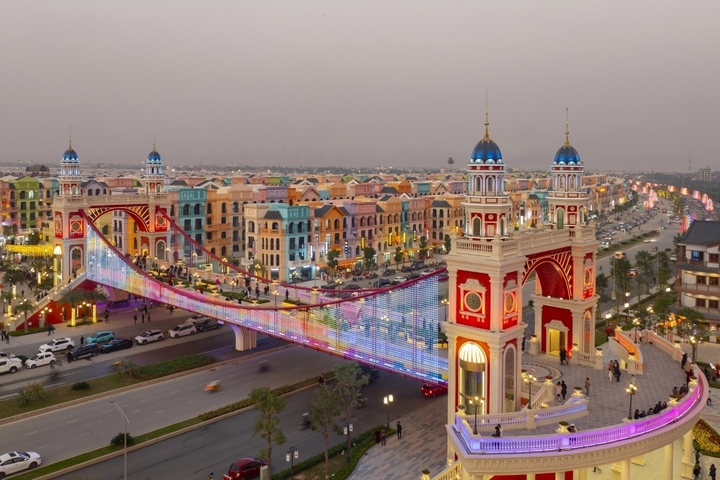
Hung Yen province, which has no mountains, forests, or sea in Vietnam, but only plains, has a population of approximately 1,302,000 people.
Hung Yen borders the provinces of Bac Ninh, Hai Duong, Thai Binh, Ha Nam, and Hanoi. The province covers an area of approximately 900 km2, accounting for 6.02% of the Northern Delta region.
Despite lacking advantages in forests and seas, Hung Yen still maintains its unique position with many unique ancient structures. Religious and spiritual buildings, as well as festivals, create a cultural space that is both culturally diverse and form-based, rich in national identity.
6. Which province belongs to the capital region but does not border Hanoi?
- A
Phu Tho
- B
Bac Giang
- C
Hai Duong
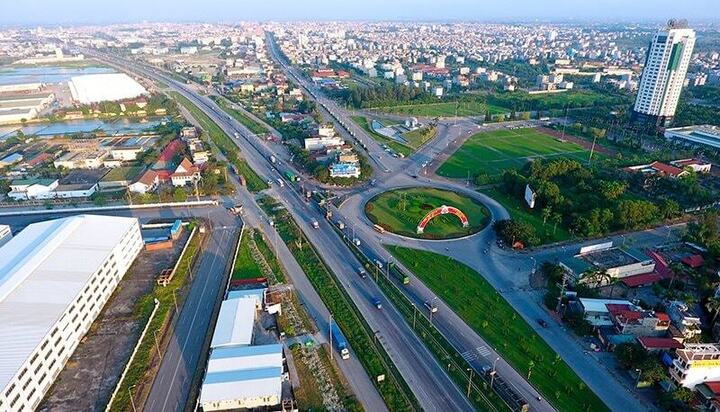
Government Decree 91 of 2021 stipulates that the capital region comprises 10 provinces and cities: Hanoi, Hai Duong, Hung Yen, Vinh Phuc, Bac Ninh, Ha Nam, Hoa Binh, Phu Tho, Bac Giang, and Thai Nguyen. Of these, Hai Duong is the only province that does not border Hanoi. Hai Duong covers an area of over 1,660 km2 and has nearly two million inhabitants. The administrative center of the province is Hai Duong City, located 57 km from Hanoi.
- D
Thai Nguyen
Source: https://vtcnews.vn/hai-duong-va-hung-yen-tung-sap-nhap-thanh-tinh-nao-ar937160.html


![[Photo] Prime Minister Pham Minh Chinh presides over a meeting on private sector economic development.](/_next/image?url=https%3A%2F%2Fvphoto.vietnam.vn%2Fthumb%2F1200x675%2Fvietnam%2Fresource%2FIMAGE%2F2025%2F12%2F20%2F1766237501876_thiet-ke-chua-co-ten-40-png.webp&w=3840&q=75)
![[Photo] Prime Minister Pham Minh Chinh presides over the conference announcing the establishment of the International Finance Centre in Vietnam.](/_next/image?url=https%3A%2F%2Fvphoto.vietnam.vn%2Fthumb%2F1200x675%2Fvietnam%2Fresource%2FIMAGE%2F2025%2F12%2F21%2F1766309817714_ndo_br_dsc-3400-jpg.webp&w=3840&q=75)



































































Comment (0)