The Japan Meteorological Agency said the earthquake that occurred early this morning was the latest in a series of strong earthquakes in the area.
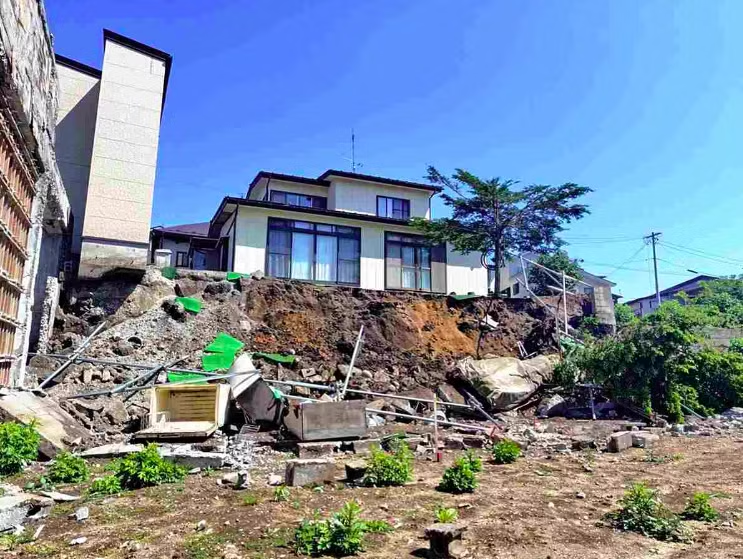
No tsunami warning has been issued yet, and no damage or casualties have been reported. However, the series of earthquakes during the typhoon season raises concerns about the risk of landslides.
The earthquake occurred at 7:25 a.m. (local time) off the coast of Iwate Prefecture, at a depth of approximately 40 km, causing tremors in Aomori Prefecture and many neighboring areas.
Japan is a country frequently affected by earthquakes and tsunamis. Recently, the region has experienced a series of earthquakes, including a 7.2 magnitude earthquake on May 25th in the area near the epicenter of this morning's earthquake.
The Japan Meteorological Agency warned that further earthquakes were possible. Earlier, a 5.6 magnitude earthquake struck Yamanashi Prefecture and surrounding areas near Mount Fuji, west of Tokyo.
Afghanistan shaken, the tremors spreading to Pakistan.
A powerful earthquake struck Afghanistan's Hindu Kush region on June 27, generating tremors that could be felt from the capital Kabul to neighboring Pakistan.
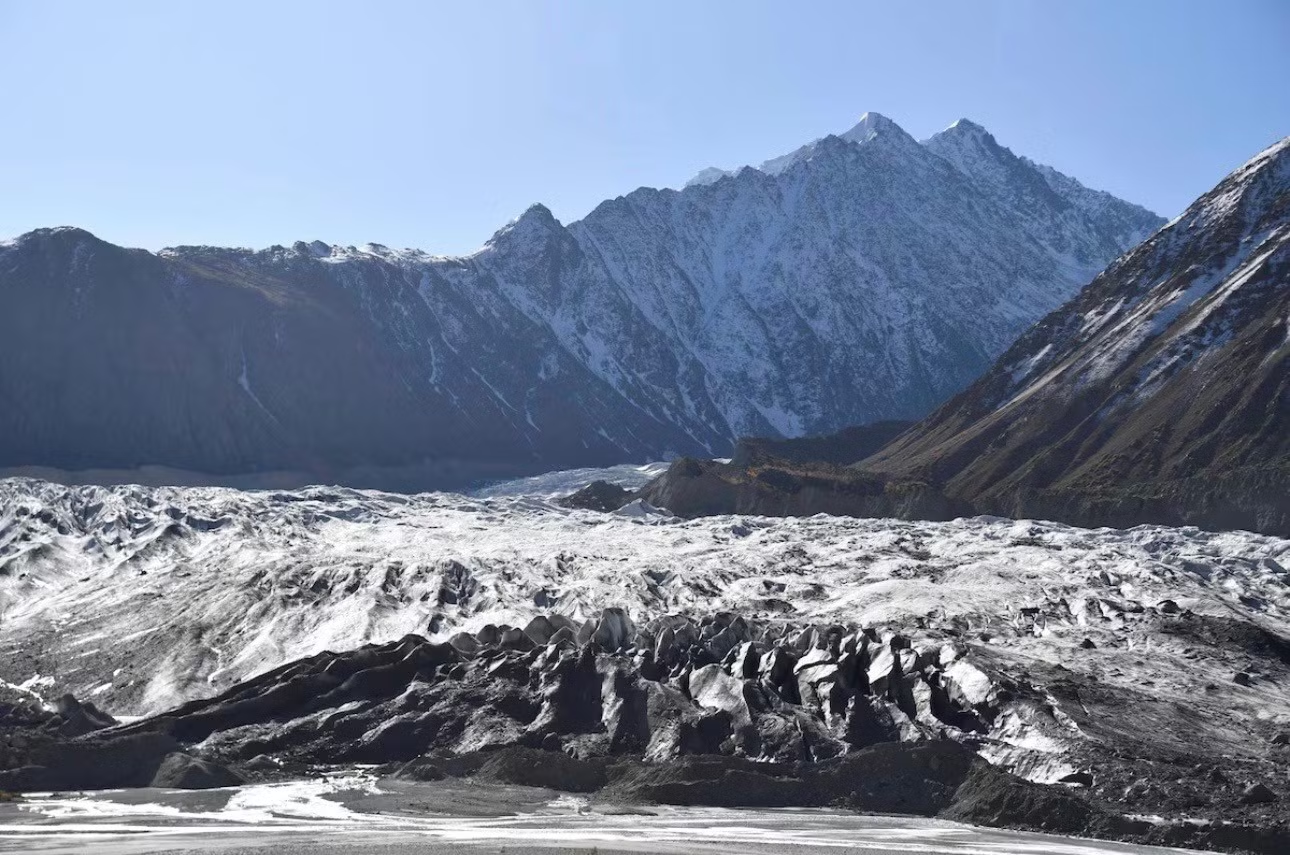
Afghanistan's National Disaster Management Agency said there were no official reports of casualties or damage yet, but an assessment was underway.
According to the European Mediterranean Centre for Seismology (EMSC), the earthquake had a magnitude of 6.0 and occurred at a depth of approximately 100 km.


Earlier that day, a 5.4 magnitude earthquake also struck Pakistan, injuring more than 20 people and damaging hundreds of homes.
Relief teams have been deployed to the affected area with tents, food, solar panels, blankets, and other relief supplies.
In Swat district of Khyber Pakhtunkhwa province in northern Pakistan, people panicked and ran out of their homes, women and children crying in fear.
Pakistani Prime Minister Shehbaz Sharif expressed his sorrow over the damage caused by the earthquake and instructed authorities to urgently implement measures to assist the affected population.
The death toll in Venezuela has risen dramatically.
A sense of despair is gripping Venezuela's state of La Guaira, where rescue workers and residents are still tirelessly searching for survivors after the earthquake. The death toll has soared to 1,430.
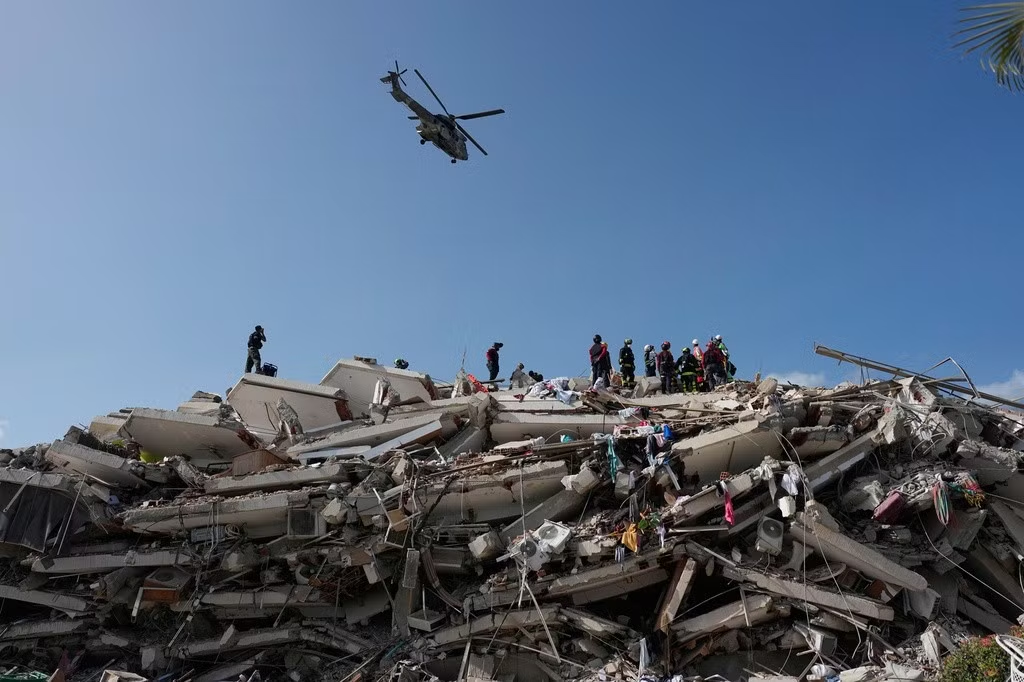
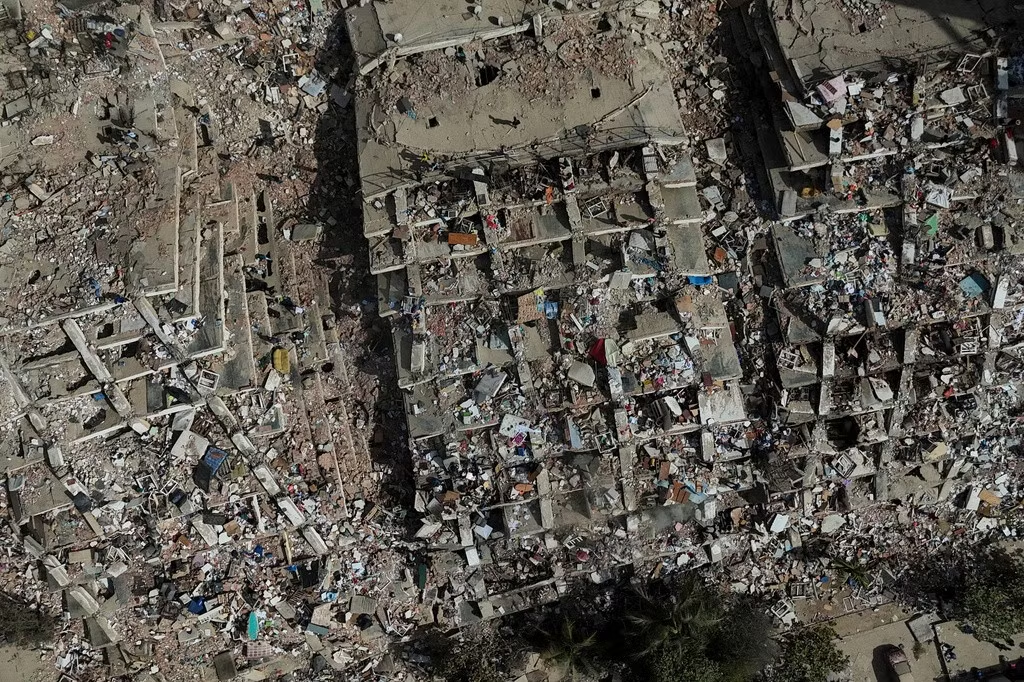
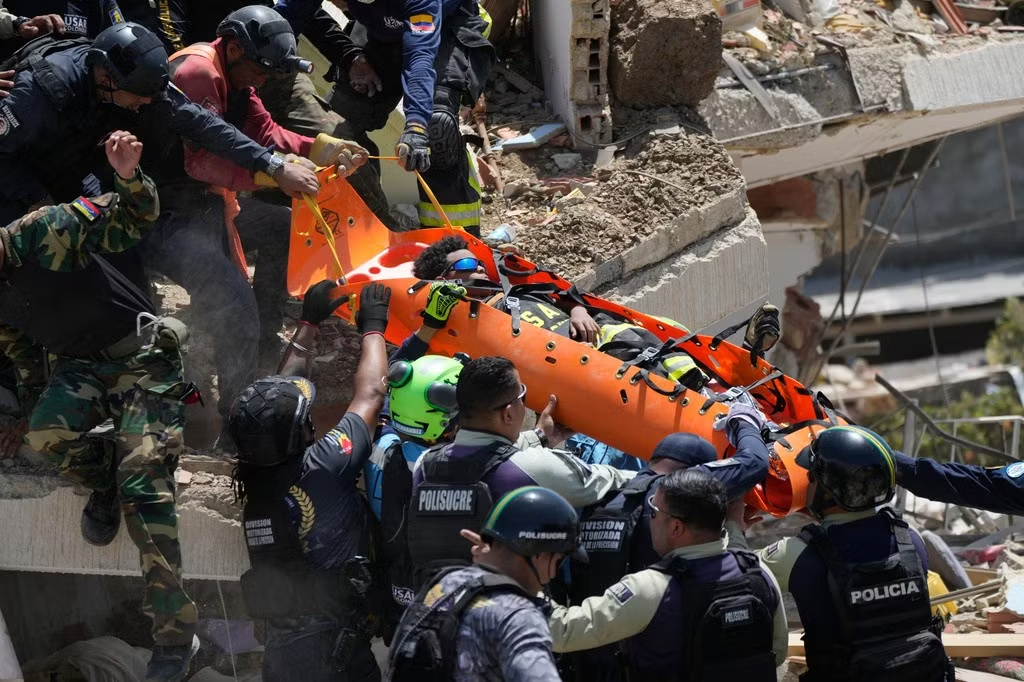

As of June 27, families reported that at least 68,900 people were still missing, three days after two consecutive earthquakes measuring 7.2 and 7.5 magnitude devastated the South American nation.



Venezuelans are searching for relatives and neighbors with shovels, heavy machinery, ropes, and even their bare hands through piles of rubble across La Guaira state – one of the hardest-hit areas. They are being aided by an increasing number of international rescue teams that are beginning to reach the debris, offering a glimmer of hope to grieving families.
However, outrage mounted over what many citizens perceived as the government's inadequate response. Forces including the army, firefighters, police, and military cadets appeared unprepared for the scale of the disaster. The frustration was further fueled by the authorities' attempts to project an image of a strong response.
Aid organizations say the first 48-72 hours are the most critical period for saving lives, although this time can be extended if victims have access to food and water. Venezuelan officials said that by June 27, 17 flights had arrived carrying more than 1,600 rescue workers to the country.
Speaking on television, Acting President Delcy Rodríguez said that more than 14,000 soldiers and police officers were on duty in the area, which had been sealed off and only those with special permits were allowed in. However, many people in the disaster zone said they saw virtually no government presence.
Source: https://tienphong.vn/hang-loat-quoc-gia-hung-dong-dat-post1855045.tpo