

1. Characteristics and uses of mung bean seeds
Cassia seeds are the dried ripe seeds of the Cassia tora L. plant . They are harvested from September to November each year.
Cassia tora plants are about 30-90cm tall, with some reaching 1.5m; they are small trees with alternate, compound, pinnately lobed leaves, consisting of 2-4 pairs of leaflets. The fruit is a pod, cylindrical, 12-14cm long and about 4mm wide, containing about 25 seeds, also cylindrical, about 5-7mm long and 2.5-3mm wide, with beveled ends, somewhat resembling flint stones, light brown and glossy.
To make medicine, roast the cassia seeds over low heat, stirring constantly when you hear a crackling sound. Continue roasting until they turn a deep yellow color and have a coffee-like aroma. In some cases, it is necessary to roast them thoroughly until they are charred black.
According to Traditional Chinese Medicine, the seeds of the Cassia fistula tree have a sweet, bitter, and salty taste, and a slightly cooling nature; they act on the liver and gallbladder; they have the effect of clearing the liver, improving eyesight, dispelling wind and heat (cooling the liver, benefiting the kidneys, brightening the eyes, calming the nerves); they are used for cases of conjunctivitis, eye pain, redness, and tearing...
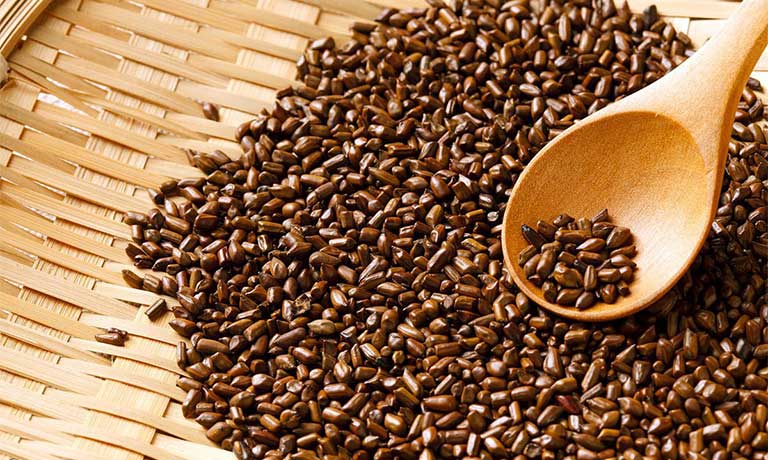
Cassia seeds help lower blood lipid levels and boost the body's immune function.
Modern medical research shows that, in addition to its effects on improving eyesight, calming nerves, aiding sleep, and treating insomnia, mung bean seeds also have beneficial effects on the cardiovascular and immune systems.
- Lowering blood lipids: Clinical trials have shown that cassia seeds, whether used in powder or decoction form, have the effect of lowering blood cholesterol and triglycerides, increasing high-density lipoprotein cholesterol levels, and improving cholesterol distribution in the body.
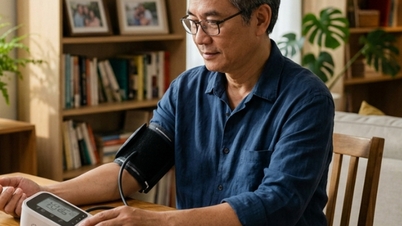
- Lowering blood pressure: Cassia seeds have a clear blood pressure-lowering effect, affecting both systolic and diastolic blood pressure. The blood pressure-lowering effect of cassia seeds is stronger than that of reserpine, and it has virtually no effect on heart rate and respiration.
- Regarding immune function: Cassia seeds have the effect of enhancing humoral immunity and increasing the activity of macrophages in the immune system.
2. Medicinal remedies from cassia seeds
Lowering blood lipids and regulating blood pressure: Roast 10-16g of Cassia seeds (roasted until fragrant), put them in a teapot, steep like tea, and drink throughout the day; use continuously for 10-15 days (1 course), rest for 3-5 days, then continue with another course. Stop using the medicine when blood lipid levels return to normal.
To lower blood pressure, nourish the liver and kidneys, and promote urination and defecation: 16g of roasted Cassia seeds, 16g of hawthorn berries, 16g of Polygonum multiflorum, 24g of Salvia miltiorrhiza, 12g of Lycium barbarum; decoct thoroughly and drink as a tea substitute, divided into several doses.
Treatment for migraines: 12g of roasted Cassia seeds, 12g of wild chrysanthemum flowers, 8g of Vitex fruit, 8g of Ligusticum chuanxiong, 8g of whole scorpion; decoct and drink one dose per day.
Treatment for pterygium (a type of eye disease) and decreased vision: Roasted Cassia seeds 12g, Rehmannia glutinosa 12g, Lycium barbarum 12g, Cynanchum stauntonii 12g, Sophora japonica 6g, Chrysanthemum morifolium 12g; decoct with water, divide into two portions, and drink throughout the day.
Treatment for conjunctivitis and watery eyes: 12g of roasted Cassia seeds, 12g of wild chrysanthemum flowers, 8g of Vitex trifolia seeds, 8g of Equisetum arvense. Boil and drink one dose per day.
To treat hypertension, palpitations, restlessness, and insomnia: 20g of roasted Cassia seeds, 16g of Ophiopogon japonicus, and 8g of roasted lotus seeds. Decoction for oral administration.
Alternatively, use the following recipe: Cassia seeds (roasted), Prunella vulgaris, and chrysanthemum flowers. Each ingredient 12g, decocted and drunk.
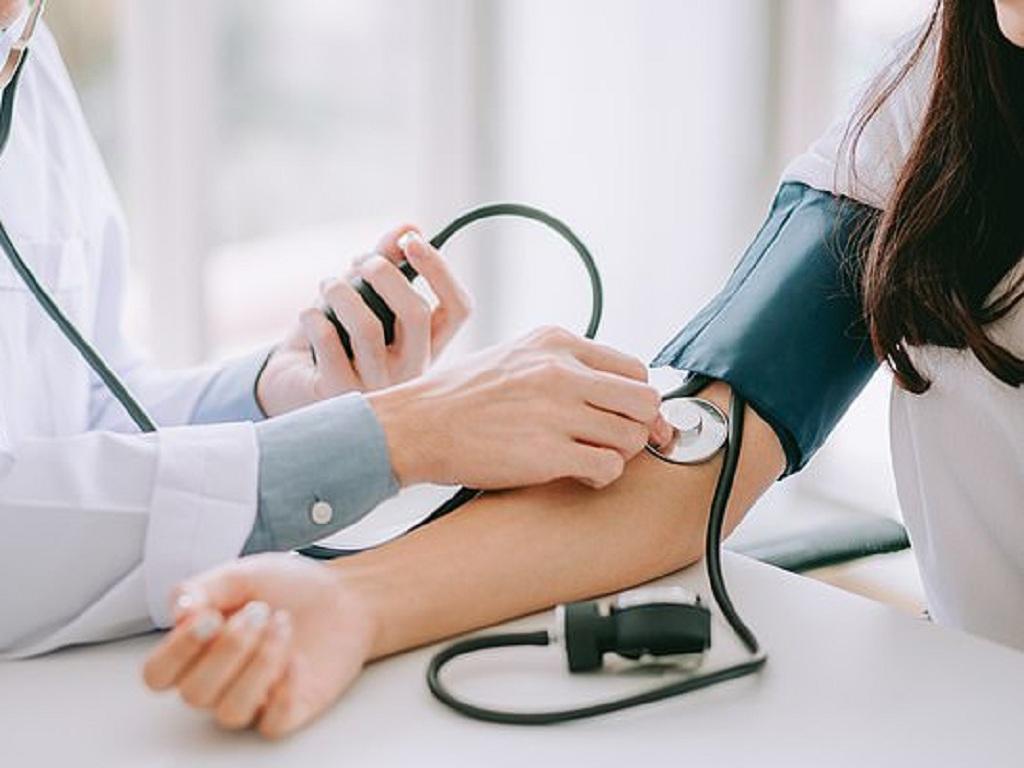
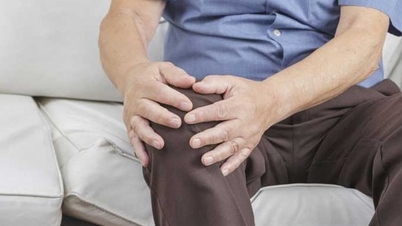
Cassia seeds can treat high blood pressure.
Treating blurred vision, dizziness, and the appearance of spots or floaters: Roast 24g of Cassia seeds, 12g of Rehmannia glutinosa, and 12g of Scrophularia ningpoensis; decoct thoroughly with water, divide into two portions, and drink throughout the day.
Thanks to its blood lipid-lowering effect, cassia seeds can be used as a weight-loss aid: Roasted cassia seeds and hawthorn berries; equal amounts; grind into a fine powder, mix well, take 8g 2-3 times a day.
Or use this song: 12g of roasted mung bean seeds, 8g of lotus leaves, 4g of balloon flower root, 4g of licorice root; decoct and drink as tea.
Note: People with loose stools or low blood pressure should not use mung bean seeds alone.
Please watch the video for more information:
Source: https://suckhoedoisong.vn/hat-muong-chua-benh-gi-169251120213627872.htm
![[Photo] Admire the coral "masterpiece" amidst the million-year-old heritage of Dak Lak province.](https://vphoto.vietnam.vn/thumb/1200x675/vietnam/resource/IMAGE/2026/05/31/1780221235105_anh-man-hinh-2026-05-31-luc-16-53-27.png)


![[Image] Hanoi Police officially crowned champions of V-League 2025/2026](https://vphoto.vietnam.vn/thumb/1200x675/vietnam/resource/IMAGE/2026/05/31/1780244769054_ndo_br_039d561b692be875b13a-jpg.webp)
![[Photo] The General Secretary, President and his wife begin their state visit to the Philippines.](https://vphoto.vietnam.vn/thumb/1200x675/vietnam/resource/IMAGE/2026/05/31/1780230559452_anh-man-hinh-2026-05-31-luc-19-28-11.png)
![[Photo] Solemn bathing ceremony and Buddha procession in Hue](https://vphoto.vietnam.vn/thumb/1200x675/vietnam/resource/IMAGE/2026/05/31/1780228263543_1-jpg.webp)














![[Video] Sunset at Lap An Lagoon – Where the sun sets over the fishing nets](https://vphoto.vietnam.vn/thumb/340x192/vietnam/resource/IMAGE/2026/05/31/1780192137701_beach-landscape-sea-water-nature-grass-745871-pxhere-com.jpeg)


































![[Photo] Admire the coral "masterpiece" amidst the million-year-old heritage of Dak Lak province.](https://vphoto.vietnam.vn/thumb/402x226/vietnam/resource/IMAGE/2026/05/31/1780221235105_anh-man-hinh-2026-05-31-luc-16-53-27.png)































Comment (0)