

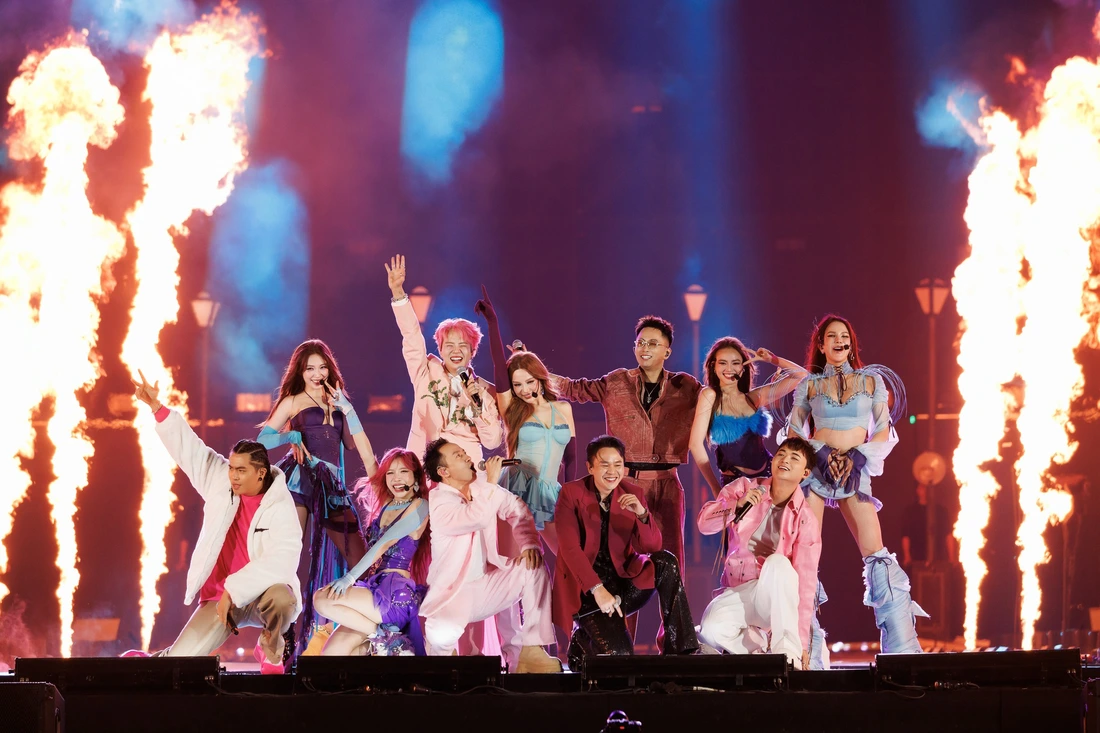
The "Brother Overcomes Thousands of Obstacles" concert used layered vocals to ensure safety - Photo: Organizers
This document is implemented based on directives from the Ministry of Culture, Sports and Tourism and the People's Committee of Ho Chi Minh City regarding the rectification of dishonest performances and cultural conduct of individuals and organizations in the digital environment.
Lip-syncing, vocal layering, and "falling over" (figuratively speaking, meaning something unexpected or embarrassing).
This move wasn't made without reason. Over the years, there have been numerous cases of singers lip-syncing that have caused controversy.
Most recently, Nguyen Duyen Quynh's lip-syncing of her signature song " Continuing the Story of Peace " at the Green Wave Awards ceremony sparked strong reactions on social media, forcing the singer to apologize for "not providing a beautiful, complete, and professional experience to the audience."
"I would like to learn from this experience and am not afraid to refine myself, to make corrections so that I can be better and more polished," she wrote.
Currently, there are quite a few popular singers with high performance fees on the market, such as Bich Phuong and Hoa Minzy, who have also caused audiences to wonder whether they lip-sync or use pre-recorded vocals.
While lip-syncing simply involves the singer moving their lips to a pre-recorded track, sometimes with the microphone off, with vocal overlay, the singer still sings live but over a pre-recorded backing track or a reduced-volume vocal part. This technique enhances the vocals, supporting the singer during energetic dance moves or compensating for a weak voice.
Many programs opt for this approach as a safe bet to compensate for the artist's limited vocal abilities.
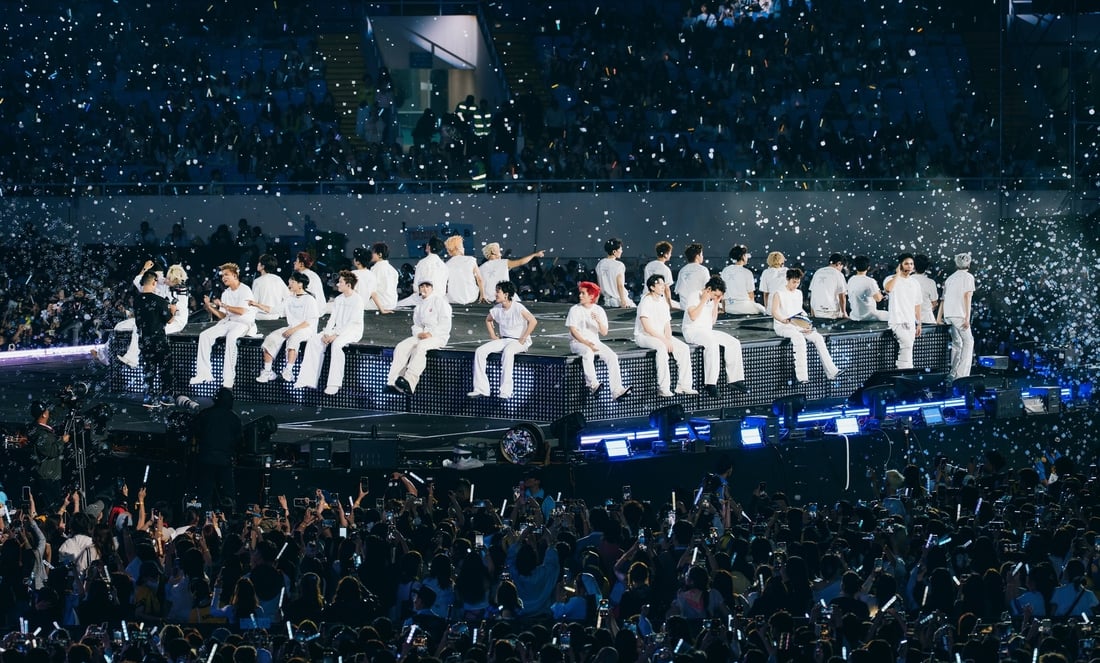
Similarly, the "Brother Says Hi" concert also used layered vocals - Photo: Organizers
Large concerts like "Brother Overcoming a Thousand Obstacles," "Brother Says Hi," "Beautiful Girl Says Hi," Y-Concert... all use layered vocals. Even performances featuring artists with strong vocals, such as Soobin and Phuong My Chi, still utilize layered vocals...
However, even with the use of vocal layering, it's not always possible to completely "hide" the difference. For example, in the "Brother Says Hi" Season 2 concert, there was a significant disparity between artists with strong vocals and those who focused on performance or rappers, even within a single performance.
While acknowledging the positive aspects of the program, it must be frankly acknowledged that these very achievements have resulted in some incomplete musical experiences for the audience.
And while lip-syncing or using pre-recorded vocals is considered a safe option by producers, music directors, and singers, in many cases it becomes a double-edged sword, disappointing the audience.
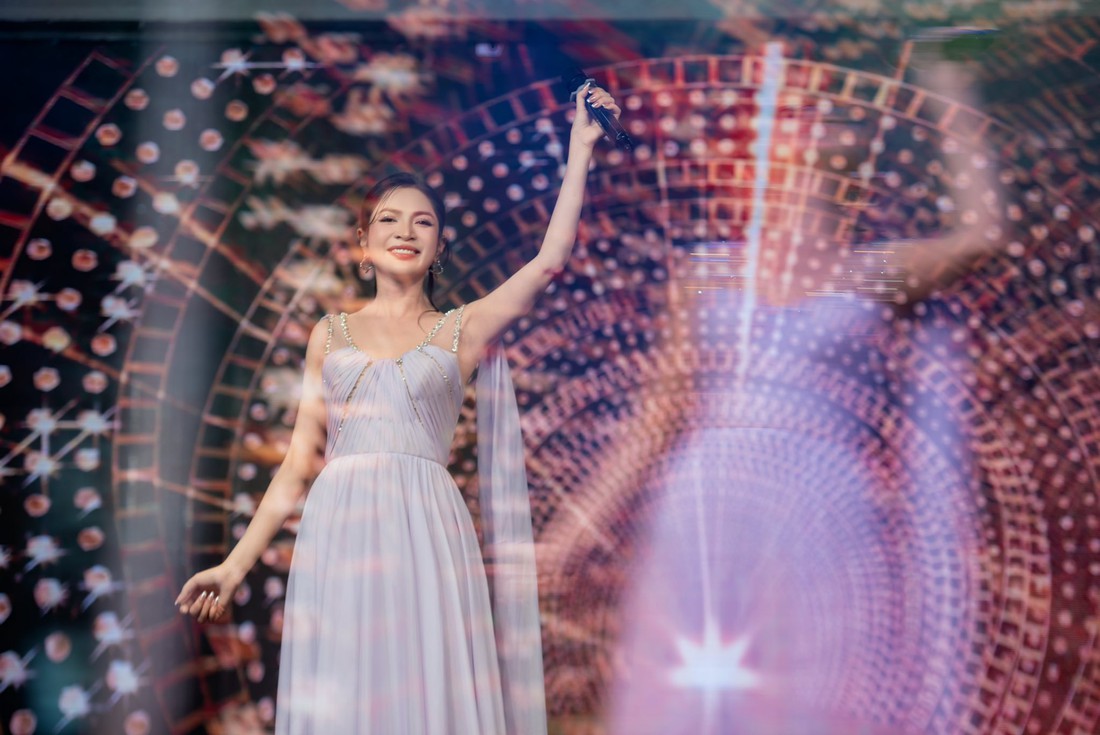
Duyen Quynh once caused controversy for lip-syncing to "Continuing the Story of Peace" - Photo: FBNV

Soobin is one of the singers who possesses both excellent vocal skills and stage presence - Photo: FBNV
The incident a few years ago where Bich Phuong had her microphone snatched but her voice still rang out smoothly, or when Hoa Minzy hit high notes in "Finding a Lonely Half " at a fan concert last year, pulling the microphone far away, even down to her stomach, yet the sound still came out strong, rich, and resonant, unintentionally "exposed" the true singing ability of these singers.
In the entertainment industry, this situation is not uncommon. It's no coincidence that when Ho Ngoc Ha's live performance of "Bang Bang " went viral on social media with her "raised voice," while some criticized her singing, many others sympathized with her.
Regarding the misuse of auto-tune – a modern mixing technique that helps mask flaws (off-key notes, out-of-tune) in recordings – it's increasingly common.
That's why sometimes, when listening to a singer's recording and then hearing them sing live on stage, the audience is taken aback and feels betrayed.
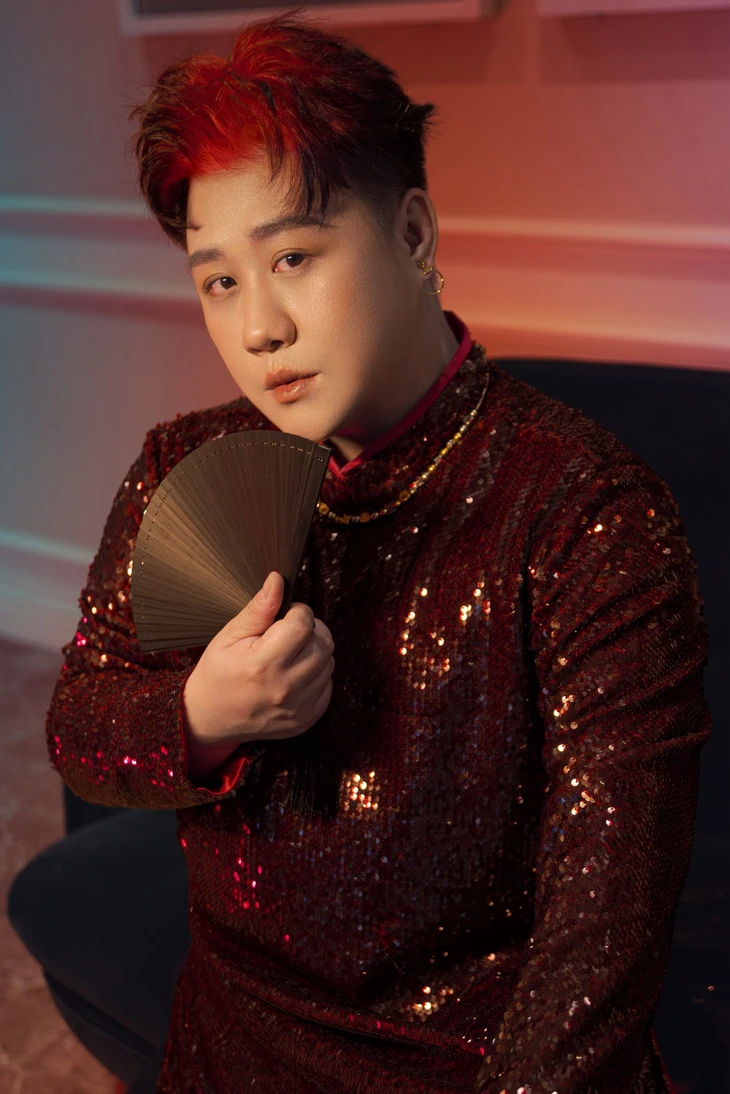


Trung Quân, Quốc Thiên, and Hương Tràm are all artists capable of singing live - Photo: FBNV
I'm too busy performing shows to have time to learn the lyrics.
As the music director of many major programs, musician Huu Vuong shared with Tuoi Tre newspaper that audiences always want to hear singers perform live.
However, due to various factors, audiences don't always get to hear live singing; instead, they often hear lip-syncing or pre-recorded vocals.
"Whether this is a problem or not depends on the nature of each program, each person's perspective, and sometimes it's beyond the artist's control and depends on the organizers," he said.
In some programs where lip-syncing is mandatory, even singers who can sing live well still have to lip-sync to ensure safety and minimize unfortunate technical and sound-related incidents – which are still limited in Vietnam, especially in live television programs.
However, lip-syncing in solo live concerts/shows or during off-stage performances is unacceptable. Musicians consider this a deceptive act, contrary to professional ethics, because audiences pay to enjoy the singer's real voice and their interaction with the orchestra/band, not to lip-sync or layered vocals as a glamorous deception.
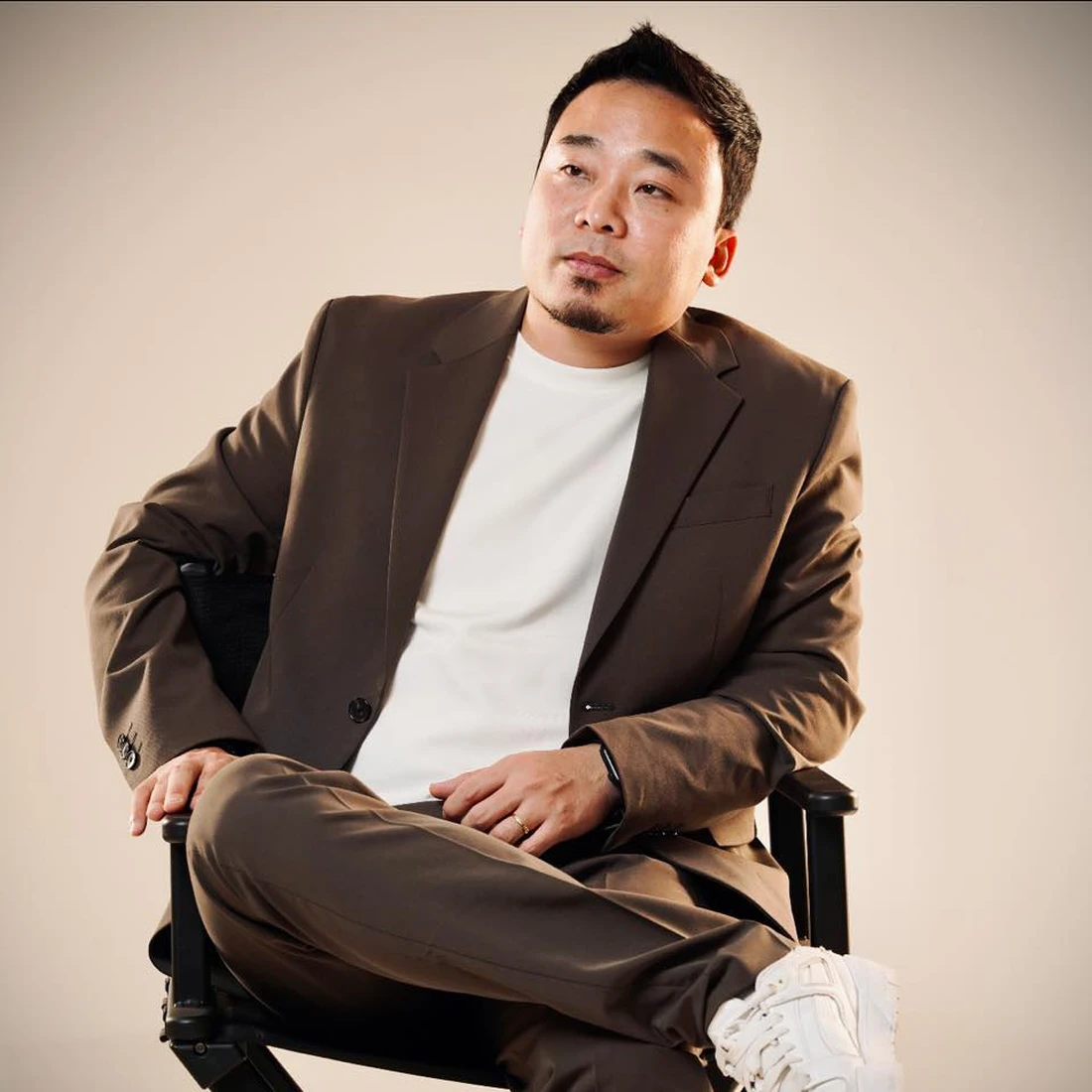
Musician Huu Vuong, music director of the "Homeland in My Heart" concert, is also behind concerts by Tung Duong, Ha Anh Tuan, Phan Manh Quynh, as well as many musical products by Hong Nhung, Thu Phuong, Huong Tram, Dong Hung... - Photo: FBNV
Currently, in V-pop, there are several singers who enjoy and perform live well, such as Thanh Lam, Tung Duong, Ha Tran, My Tam, Hong Nhung... Younger singers include Trung Quan, Soobin, Quoc Thien, Vo Ha Tram, Huong Tram, Hoang Dung, Myra Tran, Dong Hung, Lam Bao Ngoc...
Regarding vocal layering, this practice is currently widespread, accounting for up to 70% of concerts, festivals, or music events with multiple singers. However, according to Huu Vuong, "it is still acceptable and in fact, some genres of music require vocal layering. Vocal layering is also common worldwide ."
Huu Vuong said: "Why are singers from the past more highly regarded and always have a firm place in the hearts of the audience compared to today's generation? There are voices that transcend time. Because they sang authentically and had no technological support other than their own inner strength."
Listen to Thanh Lam and Ha Tran live performances of "Bài ca đêm" and "Cho em một ngày" - Video: LAN SONG XANH
Meanwhile, many young singers today become famous too early but lack the time to hone their vocal skills before embarking on a singing career. They get caught up in the whirlwind of performing shows to earn money, leaving no time for practice, leading to a lack of confidence and the need to use technical aids to support their performances.
Furthermore, modern music trends require singers to incorporate dance and performance elements, preventing them from fully focusing on their vocals, leading to the need for pre-recording to ensure audio quality.
However, the performing arts industry requires standards and continuous improvement. Artists must not only hone their performance skills but also improve their vocal abilities.
Only then can they stand firmly on two feet, and no matter how many trends come and go, their names will remain.
If singing live is too shaky.

Tung Duong is a singer who enjoys singing live and sings live well - Photo: TTD
Regarding the document prohibiting the misuse of technical means, such as using audio from pre-recorded tracks instead of live stage performances (lip-syncing), singer My Le stated that she fully agrees with it.
"For singers like me, lip-syncing is truly torture. Back when I was at my peak, I'd perform at five or seven venues and tea rooms every night, singing 30 to 40 songs live with a band. At that time, the band, the singer, and the audience shared a lot of emotion, and we often got carried away."
I'm used to "grooving" to the music, but lip-syncing is really difficult; it takes a lot of practice to avoid looking stiff or having my mouth movements visible.
But nowadays, with many large-scale shows featuring numerous performers and multiple acts happening simultaneously, lip-syncing is sometimes a mandatory requirement from the organizers to ensure the success of the performance.
Or sometimes, during festival performances with fireworks and loud stage smoke, live singing becomes too "unstable." "Therefore, I think it depends on the nature of each program whether we 'strictly prohibit' it," said singer My Le.
Sharing a similar viewpoint with singer My Le, singer Tung Duong stated that he fully supports the requirement for singers to perform live like a true vocalist in live shows and concerts.
Even a lip-sync recording, while seemingly clean in sound and tone, can't compare to a live performance, and it's difficult for either the singer or the audience to truly experience the thrill of the performance and enjoyment.
Tung Duong said: "Although I don't condone lip-syncing, honestly, there are many programs where I think lip-syncing is unavoidable. For example, events where the sound system is only for speeches and not for musical performances, or live programs with too many performance 'layers' where the audio for broadcast is analog."
In some cases, when a singer is seriously ill and unable to perform live, lip-syncing is an option. However, in such circumstances, the organizers must also obtain permission from management to use the audio from a recording."
Source: https://tuoitre.vn/hat-nhep-su-lua-doi-hao-nhoang-20260331084100942.htm



![[Photo] National Assembly Chairman Tran Thanh Man working with the Standing Committee of the Law and Justice Committee](https://vphoto.vietnam.vn/thumb/1200x675/vietnam/resource/IMAGE/2026/05/21/1779378929214_ndo_br_1-4610-jpg.webp)
![[Photo] General Secretary and President To Lam presides over a working session with the Central Policy and Strategy Committee on the development of the materials industry.](https://vphoto.vietnam.vn/thumb/1200x675/vietnam/resource/IMAGE/2026/05/21/1779359935432_a3-bnd-3129-1412-jpg.webp)
















































































Comment (0)