A year after the two-tiered local government model came into operation, the most noticeable changes were not in the new boundaries on the administrative map, but in the formation of new development spaces.
From Da Nang and Gia Lai to Lam Dong, Khanh Hoa, and Dak Lak, the reorganization of administrative units is creating conditions for connecting resources, expanding growth potential, and gradually shaping new development hubs on a larger scale than before.
Reporters from the Vietnam News Agency (VNA) have produced a series of three articles on the theme "Smaller in organization, more efficient in management" to clearly reflect the achievements of these localities after one year of implementing the new model.
After the administrative unit merger, the most noticeable changes are the new administrative units, new names, and new boundaries on the map.
However, after a year of operating the two-tiered local government model, what is more evident is not simply a change in administrative boundaries, but the formation of new development spaces.
From Da Nang and Gia Lai to Lam Dong and Khanh Hoa, the reforms are showing that this is not just about reorganizing administrative units, but also about preparing for a new phase of development.
Overcoming the most difficult phase
From July 1, 2025, when the two-tiered local government model officially comes into operation, localities will focus on reorganizing their administrative structures. The most frequently asked questions during the implementation of this reform are: how many administrative units will be streamlined, how many will be restructured, how many officials will be assigned, transferred, or have their benefits addressed.
In reality, this is the largest organizational restructuring ever undertaken. It's not just about ending the operations of the district level; this process also involves the synchronized reorganization of the political system, administrative agencies, public service units, and socio-political organizations from the provincial level down to the grassroots.
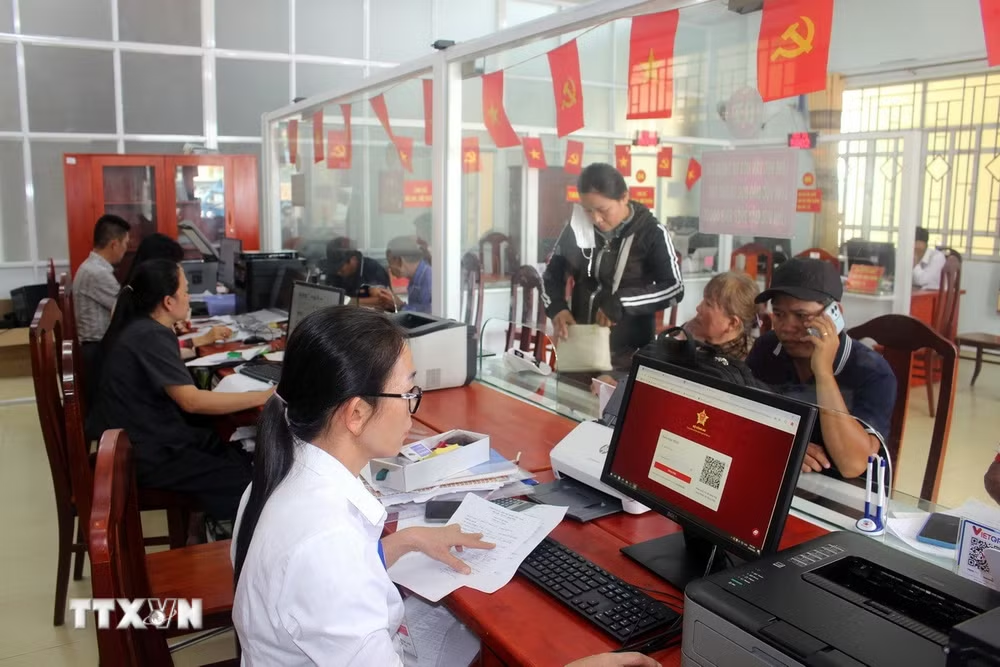
In Lam Dong – a "three-in-one" province (Lam Dong, Binh Thuan, Dak Nong) – an unprecedented "major overhaul" has taken place. The reduction of over 60% in the number of departments and agencies (from 42 to 14) and the elimination of hundreds of intermediate departments are not just mere statistics.
Specifically, the number of Party Committees directly under the Provincial Party Committee has been reduced from 6 to 2; the number of advisory and support agencies has been reduced from 15 to 5; and the Fatherland Front and other political and social organizations have been merged into a single unified entity at the provincial level.
This is a decisive step to eliminate the "multi-layered, inefficient" system and create a seamless operational axis from the provincial level down to the grassroots.
Khanh Hoa also completed the restructuring of its organizational apparatus from the provincial to the grassroots level after only one year of operating the new model. All specialized agencies under the Provincial People's Committee were reorganized in a streamlined manner.


The number of administrative units directly under the Provincial People's Committee has been halved; dozens of specialized departments and sub-departments have been reorganized. The system of public service units continues to be streamlined towards centralization, reducing the number of units by more than one hundred compared to before.
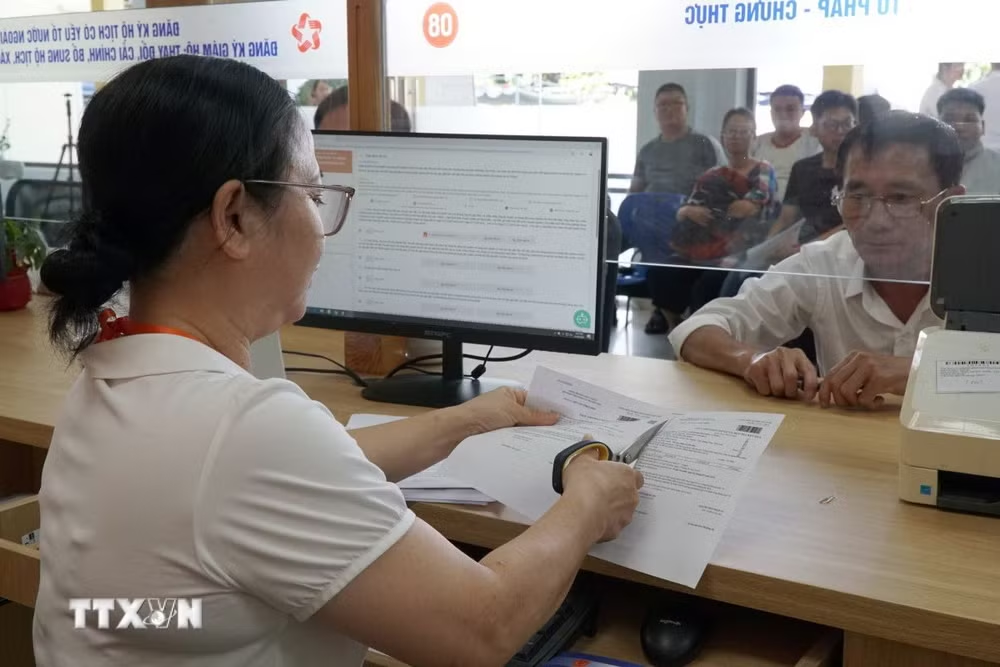
At the commune level, public administrative service centers, specialized departments, and advisory agencies are established in a coordinated manner, ensuring continuous operation of the system and preventing interruptions in serving citizens and businesses.
In many other localities such as Da Nang, Gia Lai, and Dak Lak, the consolidation of the political system, the reorganization of specialized agencies, and the placement of personnel after mergers are also being implemented simultaneously with the operation of the new model.
After a year, most localities have completed the most difficult phase of the reform: reorganizing the administrative apparatus, stabilizing the operations of agencies and units, and ensuring that the handling of affairs for citizens and businesses proceeds smoothly.
The past year has shown that changes are becoming more profound, creating not only a more streamlined system but also new conditions for development.
Geographical boundaries are no longer the limit of development.
It can be said that, along with reorganizing the administrative apparatus, the larger goal of the reform lies in creating new spaces for development.
According to Da Nang Party Secretary Le Ngoc Quang, the merger of Da Nang and Quang Nam is not simply a change in administrative boundaries or population size. More importantly, this process is creating a new development space but also demands a strong shift in management thinking, operational methods, and the organization and implementation of public services.
He clarified that the goal of the reform was not merely to streamline the administrative apparatus, but to improve the effectiveness and efficiency of governance, and to better utilize the potential, advantages, and resources of the locality in the new development phase.
In Da Nang, after the merger, the new city covers an area of over 11,800 km², with a population of over 3 million people, comprising 93 communes and wards, and one special economic zone. The development space is no longer confined to the coastal urban area but has expanded westward to the mountainous region, southward to the Chu Lai economic zone, and along economic corridors connecting the entire Central region.
The story in Gia Lai is the clearest evidence that administrative boundaries are no longer a barrier. Previously, agriculture in the Central Highlands and coastal seaports were two separate entities in terms of administrative management. Now, the entire value chain, from raw material areas to export gateways, has been placed in a single unified space, shortening the distance from the fields to the international market.
With the merger of Lam Dong, Binh Thuan, and Dak Nong, the new province now possesses one of the most diverse economic structures in the country. Advantages in high-tech agriculture, mining, renewable energy, tourism, and marine economy are for the first time placed within a single, unified development space.
This connection not only expands geographically but also facilitates the formation of a new growth pole, linking the Central Highlands with the South Central region and the Southern key economic zone.
The merger of Dak Lak and Phu Yen opens up opportunities to form a new interconnected space between the Central Highlands region and the South Central Coast. This connection not only expands development potential but also enables the localities to better fulfill their roles as hubs for trade, logistics, and coordination of inter-regional economic activities.
For Khanh Hoa, reorganizing the development space aims not only at economic growth but also at creating conditions to leverage its unique advantages related to the sea.



With its deep-water port system, energy industrial infrastructure, and strategic location on the international trade route, the locality is being oriented to become one of the important energy and maritime economic centers in Southeast Asia.
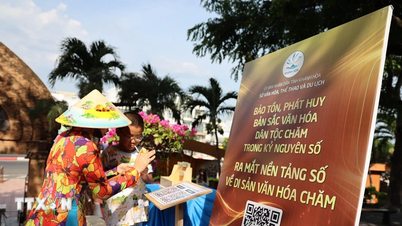
Furthermore, the convergence of unique maritime and island cultural values, Cham culture, and the distinctive culture of South Central Vietnam creates a distinct identity in the strategy for developing high-quality tourism and services.
The most noticeable changes after a year might be the new administrative units or a more streamlined apparatus. But more importantly, development resources are being connected on a larger scale than before.
From Da Nang, Gia Lai, Lam Dong, Dak Lak to Khanh Hoa, new development spaces are gradually taking shape. This is not only the result of administrative boundary reorganization but also the foundation for localities to reorganize their growth drivers and enhance their competitiveness in the new development phase.
We invite readers to read on:
Lesson 2: Responsibility is quantified by specific tasks.
Source: https://www.vietnamplus.vn/hinh-thanh-nhung-khong-gian-phat-trien-moi-post1118405.vnp