

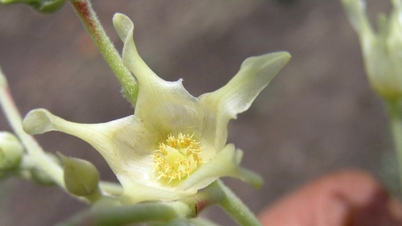
According to Dr. Ngo Duc Phuong, Director of the Institute of Traditional Medicine, many people think of dragon fruit (Hylocereus undatus) as just a refreshing and laxative fruit. However, in many rural areas in the past, not only the fruit but also the dragon fruit flowers were used as food and folk medicine.
According to Dr. Phuong, people often pick young flowers to cook in soups, stir-fry with garlic, or add to hot pot. In some places, they also dry the flowers to make a drink to help treat bronchitis, tuberculous lymphadenitis, pulmonary tuberculosis, or to relieve hangovers.
Although these remedies are passed down through folklore, experts advise people not to consider them as a substitute for medical treatment.

From a modern nutritional perspective, dragon fruit is considered a fruit rich in water, containing plenty of soluble fiber, vitamin C, and antioxidants such as polyphenols and betalain, the pigment that gives red-fleshed dragon fruit its characteristic purplish-red color.
In particular, the tiny seeds inside the fruit contain a relatively good amount of unsaturated fatty oils. Thanks to this component, dragon fruit is often considered a suitable fruit for those who want a snack, to supplement fiber, or to aid digestion.
"Many people have a habit of eating dragon fruit when they have internal heat or constipation, and there's a certain basis for that. Dragon fruit is high in water and fiber, so it can support bowel movements and help soften stools," said Dr. Phuong.
According to him, in folk tradition, dragon fruit is often considered a "cooling" fruit, helping to soothe the body during hot weather. However, the concept of "cooling" does not equate to its ability to cure diseases.
"If constipation persists or there are underlying digestive problems, people still need to be examined and treated by a specialist," the expert emphasized.
Dr. Phuong noted that one should not eat too much dragon fruit at once, especially the red-fleshed variety. Some people may experience bloating or mild diarrhea if they consume too much.
In addition, people with diabetes also need to control their food intake appropriately. Many people mistakenly believe that dragon fruit is less sweet and can be eaten freely, but this fruit still contains natural sugar and can affect blood sugar levels if consumed in excessive amounts.
Source: https://vietnamnet.vn/hoa-qua-thanh-long-duoc-dung-lam-mon-an-vi-thuoc-2516640.html









































































































Comment (0)