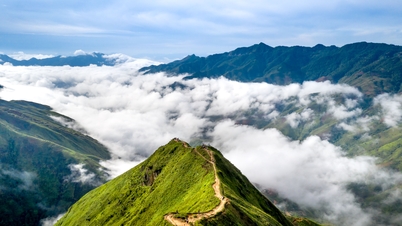
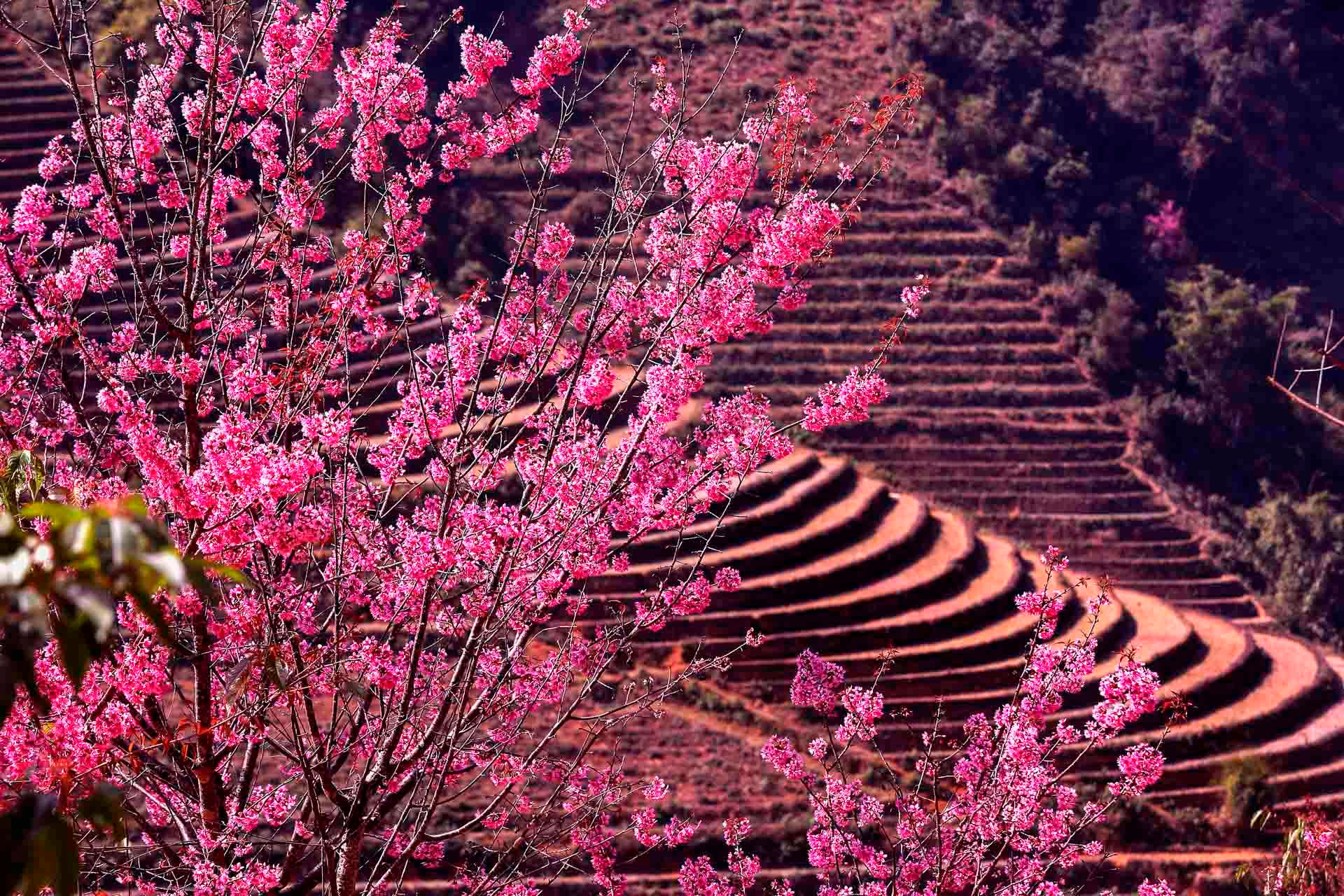
Drinking in the dew and embracing the biting winds of the cold winter days in the highlands, they burst forth in vibrant shades of red and pink on the hillsides, mountain slopes, along the roads leading to the villages, and right by the doorsteps of houses, creating a poetic and captivating scene that enchants the hearts of tourists who have once visited the Mu Cang Heritage Region.
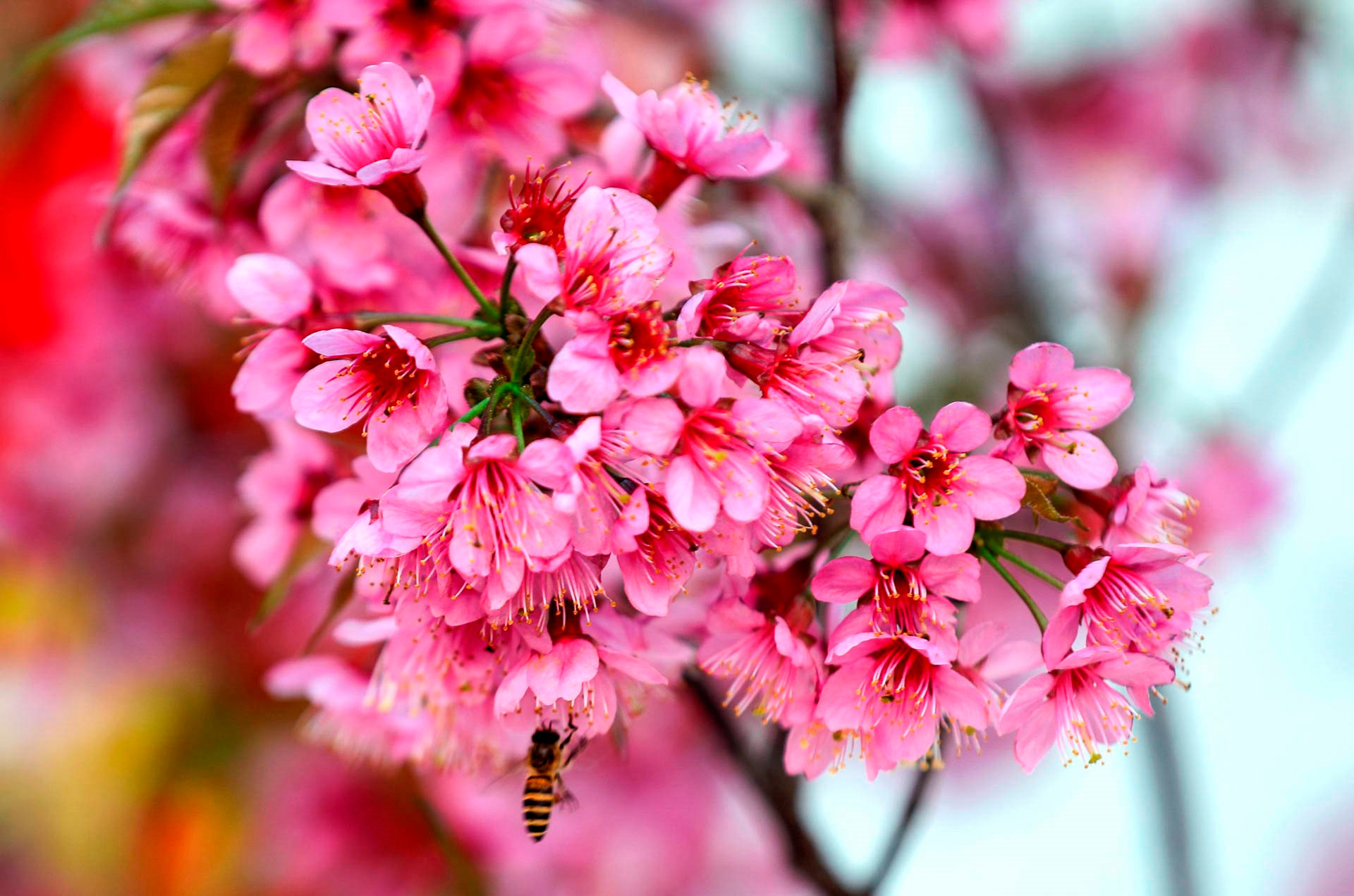
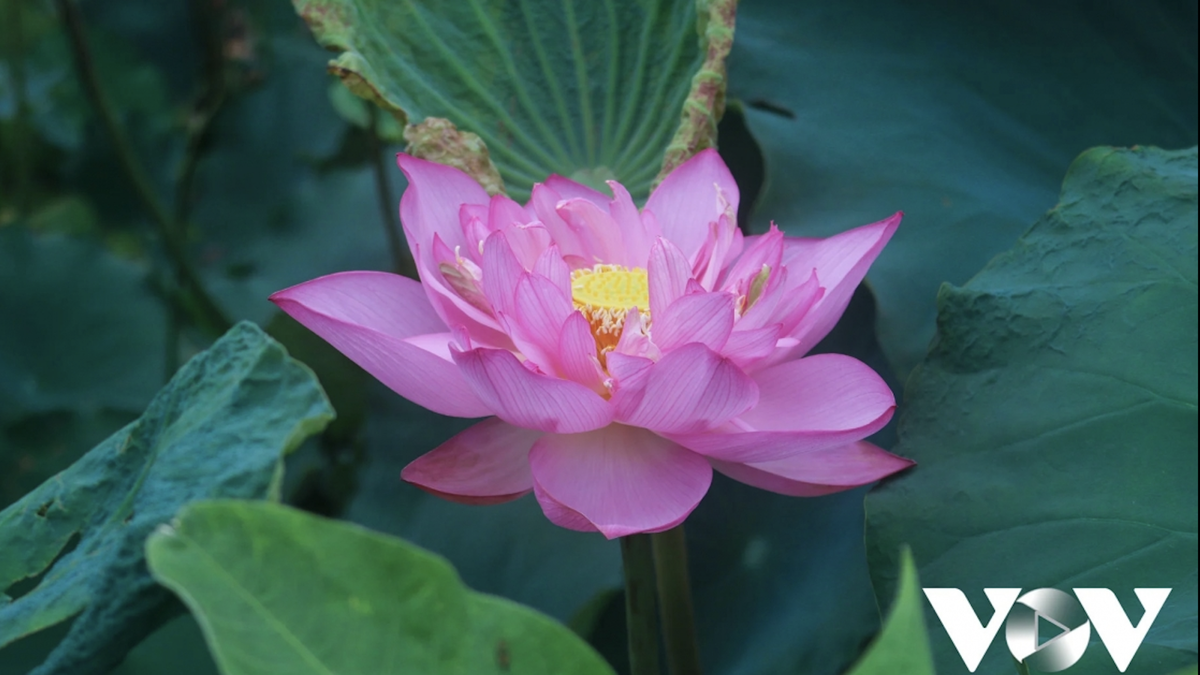
Tớ dày is a type of peach blossom. The Hmong people in Mù Cang Chải often call it "Pằng Tớ dày," which translates to "forest peach blossom" in Vietnamese. Tớ dày is a woody plant with a wide canopy, growing on hillsides and mountain slopes. The flowers have five pink petals like our peach blossoms, but when they bloom, they form clusters, and the stamens are very long and red.
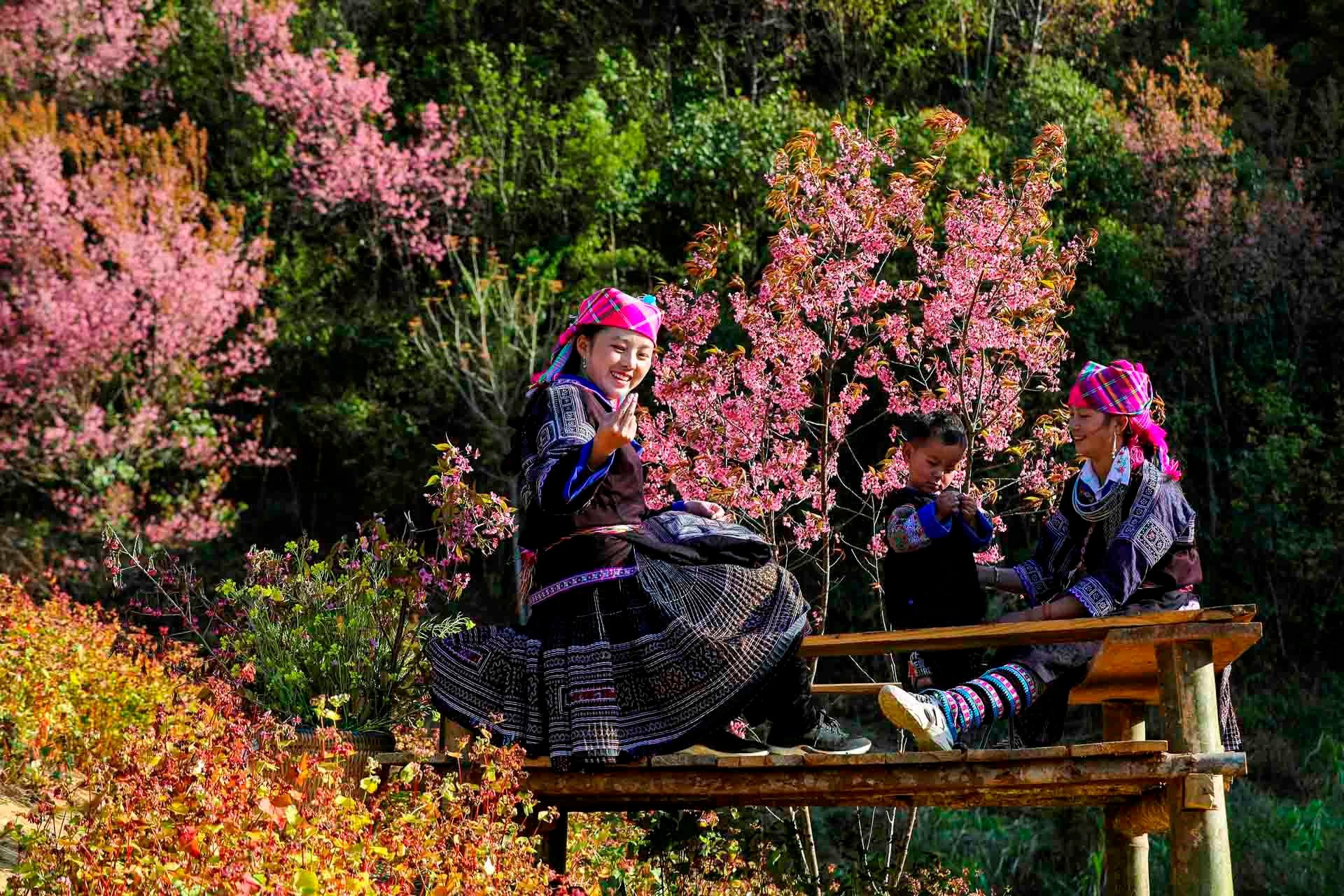
Mr. Thào Dủ Sinh from Tà Chí Lừ village, La Pán Tẩn commune, said: “The Hmong people believe that when the earth and sky transform into spring, after a year of hard work, with a bountiful harvest and houses full of rice, looking up at the mountain peaks and seeing the Tớ dày flowers blooming brightly in the forest, it is also the time when Hmong boys and girls dress up in new clothes, practice their flutes, and prepare Pao fruit to celebrate Tet and go on spring excursions. The Tớ dày flower is closely associated with the lives of many generations of Hmong people in the highlands of Mù Cang Chải. It is a flower with strong vitality and only blooms in the cold winter, usually blooming most profusely around the end of December. After that time, although not completely withered, the color will fade and it will no longer be as beautiful as before.”

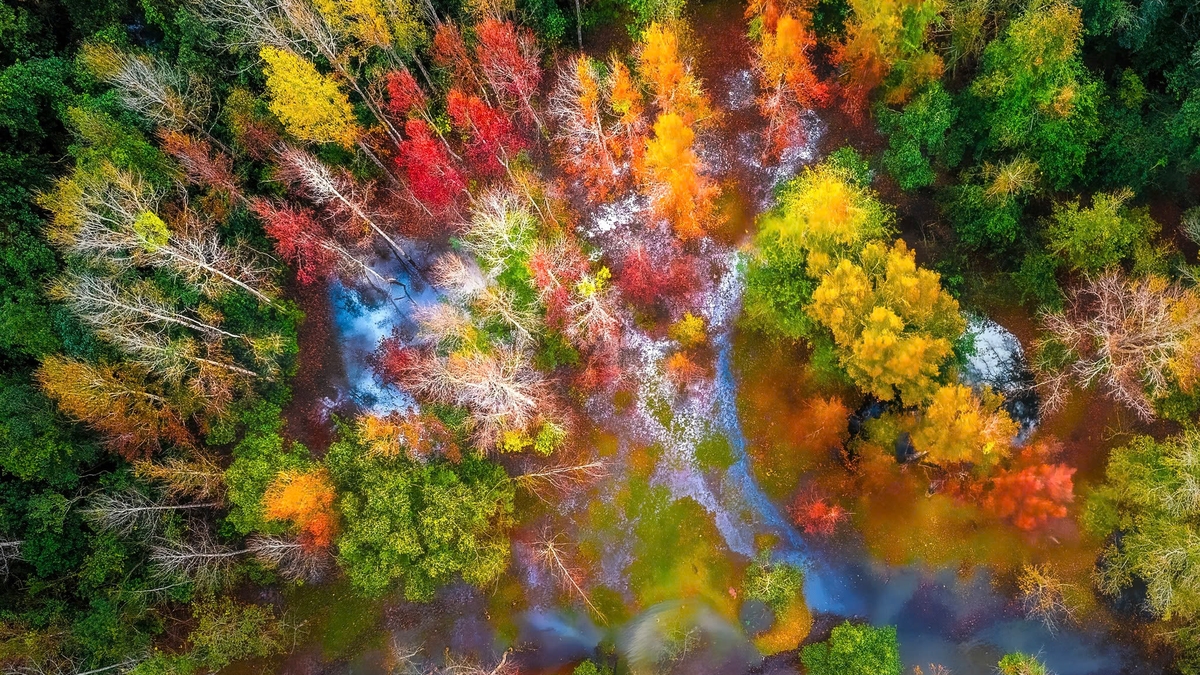
Initially just tiny specks of pink on the trees, after only a week of blooming, the Tớ dày flowers blanketed the mountains and forests in vibrant pink. These swathes of Tớ dày flowers heralded an early spring, spreading from the mountaintops down to the valleys, lining the roadsides of the town, and adorning every path. The houses of the Hmong people were also immersed in the blossoms. The vast green forests awakened in their elegant pink attire, creating a dreamy, fairytale-like scene.


To develop this plant species in conjunction with tourism , the Mu Cang Chai district has recently taken decisive actions to protect natural Tớ dày flower forests and encourage people to plant new ones. These include campaigns encouraging each official and Party member to plant 2-5 Tớ dày trees; each school and office to plant 30 trees; and communes and towns to plant them at their headquarters and along roadsides.
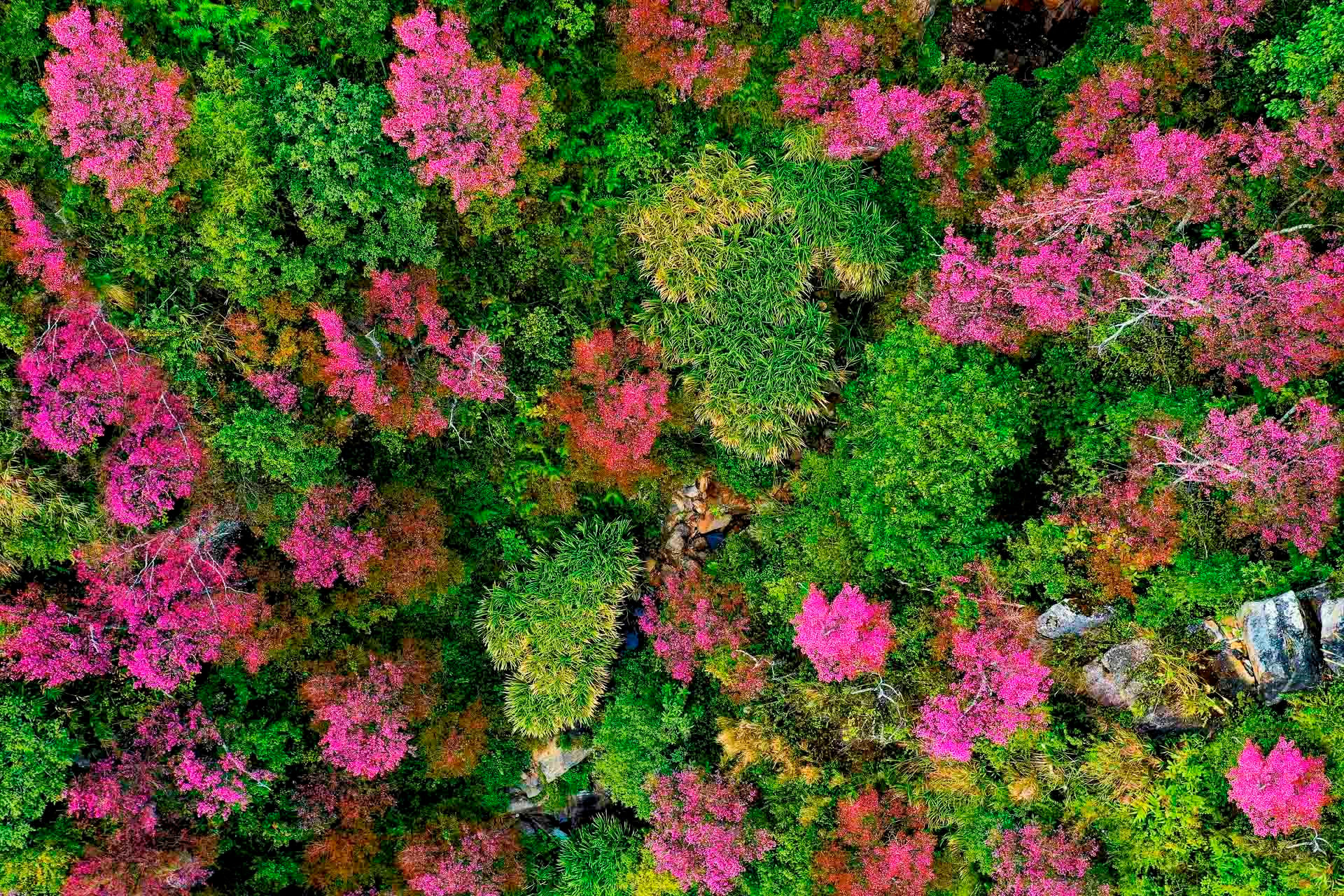
Mr. Sung A Chua, Vice Chairman of the People's Committee of Mu Cang Chai district, said: "For about the past two years, the district has actively propagated and mobilized people to protect and plant new Tớ dày flowers to create landscapes and develop tourism. Especially during each Spring Tree Planting Festival, the district combines this with mobilizing people to plant hundreds of thousands of Tớ dày flowers. To date, the entire district has about 5 hectares of Tớ dày flower cultivation area concentrated in Mu Cang Chai town and the communes of La Pan Tan, Mo De, Cao Pha, Che Tao, and Khao Mang."
In the crisp winter sunshine, the vibrant colors of the Tớ dày flowers illuminate the majestic highlands, captivating and enchanting visitors. The Tớ dày flowers, along with the Hmong flute art, the art of creating patterns with beeswax on fabric, and the special national monument of terraced rice fields, have created the unique identity of Mù Cang region.
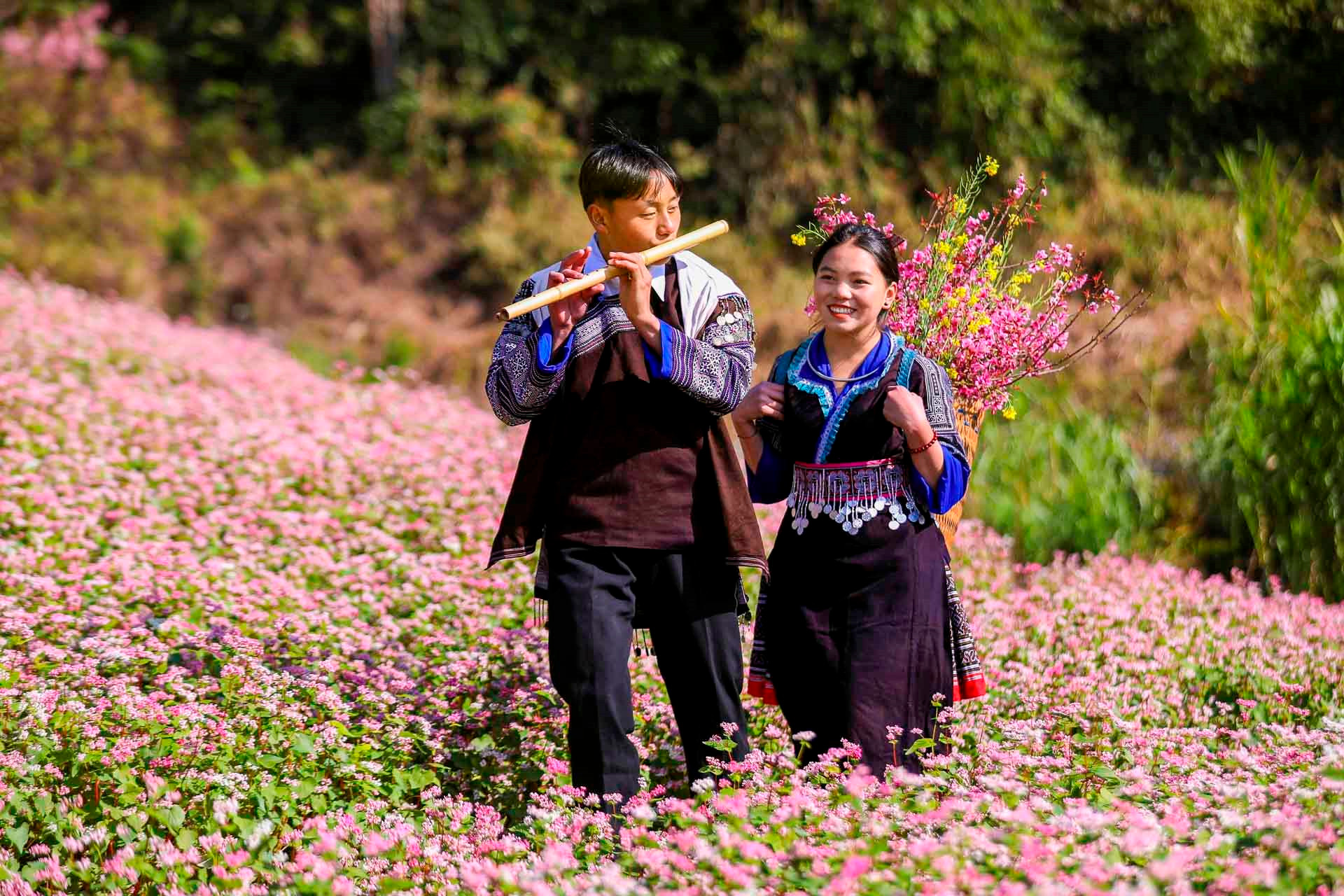
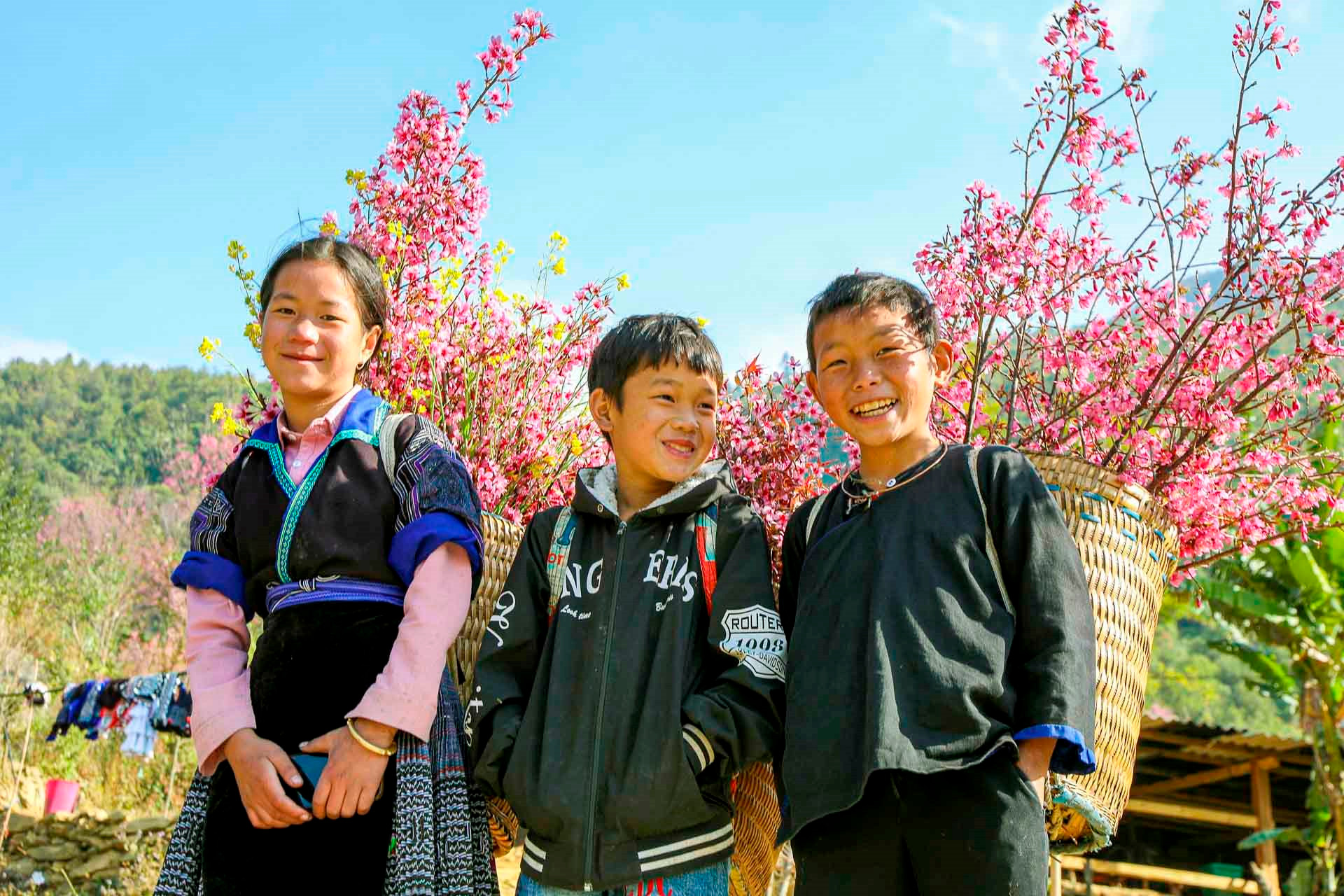



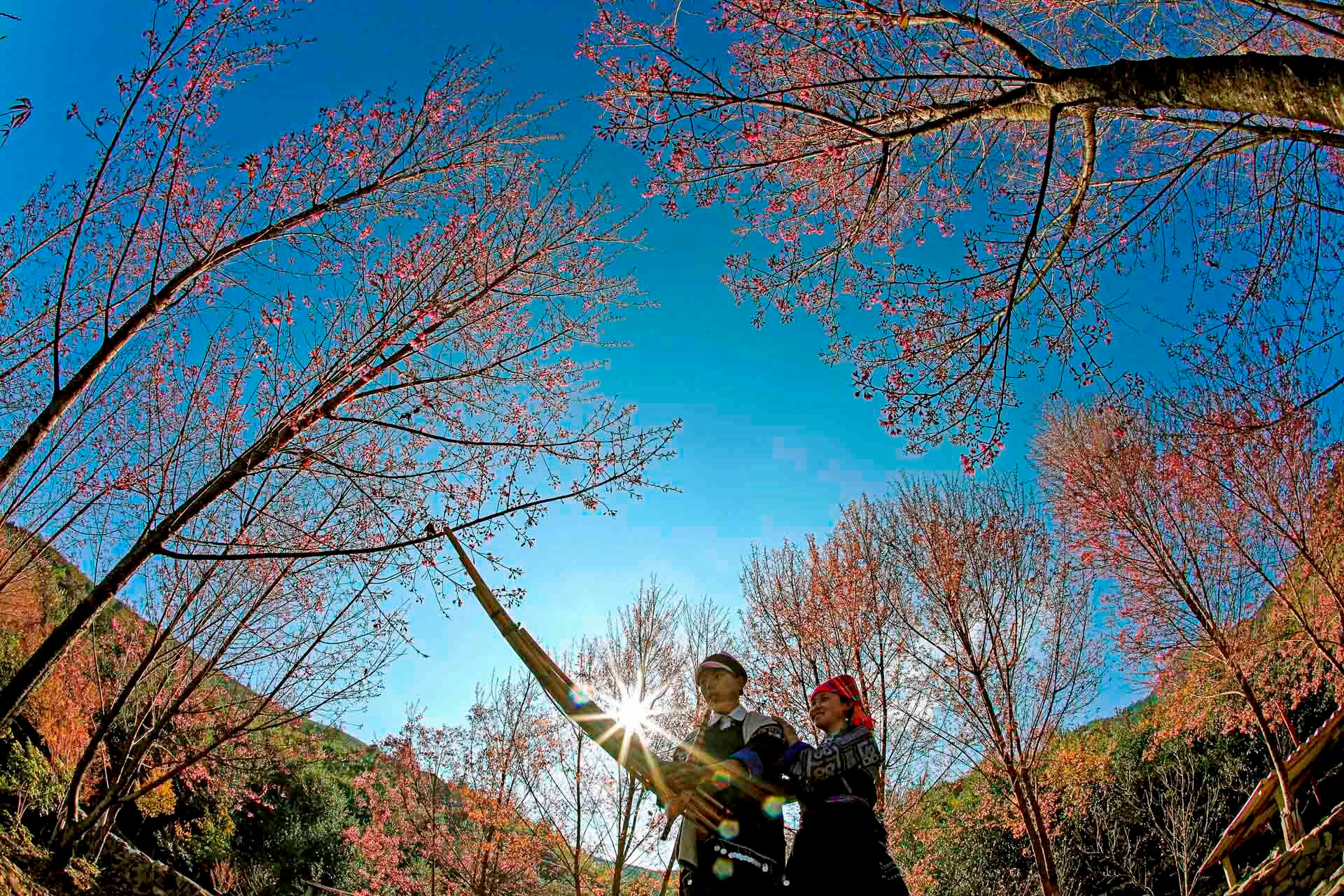
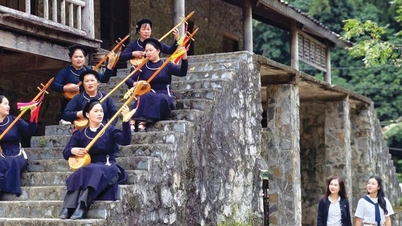
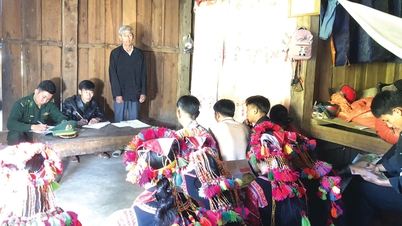
The vibrant colors of the Hmong people in the three districts of Van Chan, Tram Tau, and Mu Cang Chai coincided with a significant event: the Hmong Khen (bamboo flute) art and the art of creating patterns with beeswax on fabric were recognized as National Intangible Cultural Heritage by the Ministry of Culture, Sports and Tourism. This is a joyful sign, a source of pride, and a responsibility for many generations of Hmong people here – the "cultural ambassadors" who have been, are, and will continue to fulfill the important task of preserving, protecting, and promoting the cultural identity of their ethnic group to a wide audience of domestic and international tourists.
Text and photos: Thanh Mien
Design: Khanh Linh
Source link

![[Photo] Thousands of people participate in a run to show their support for the campaign "Sharing a common determination to build drug-free communes, wards, and special zones".](https://vphoto.vietnam.vn/thumb/1200x675/vietnam/resource/IMAGE/2026/06/27/1782554475933_0673e2a3df7b5e25076a-8283-jpg.webp)

![[Photo] A phone-free summer afternoon at the village library](https://vphoto.vietnam.vn/thumb/1200x675/vietnam/resource/IMAGE/2026/06/27/1782551770949_anh-1-jpg.webp)