

According to Forbes , with Black Friday approaching, online scams are on the rise. Recently, a sophisticated scam targeting Apple device users is spreading rapidly, playing on users' psychology by warning them that their Apple ID accounts have been locked.
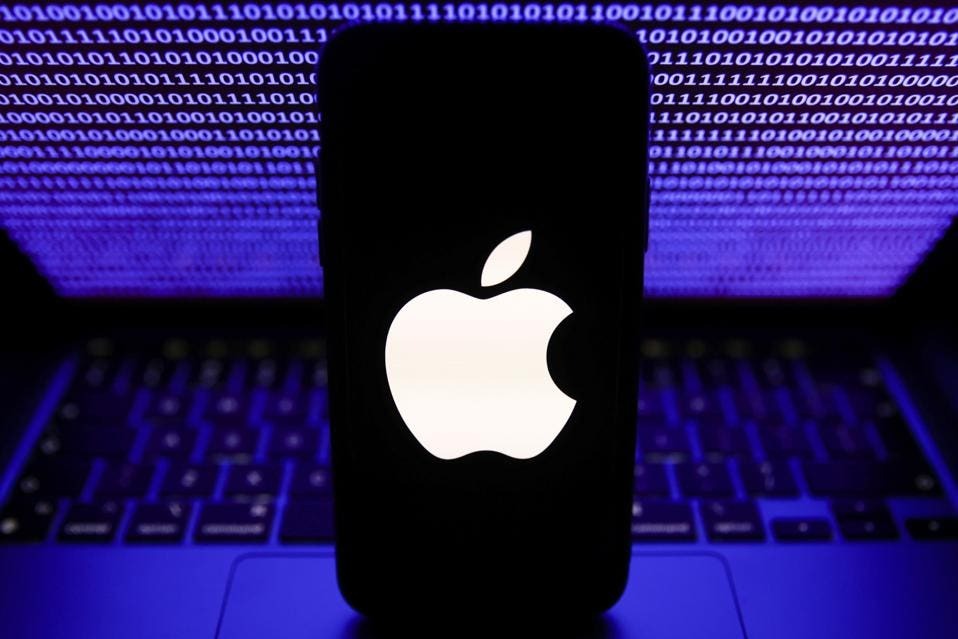
Hackers are stepping up attacks on Apple users during the year-end shopping season.
PHOTO: SCREENSHOT FROM FORBES
Scams targeting Apple IDs
With over 2 billion users of iPhones, iPads, MacBooks, and other Apple devices, it's no surprise that cybercriminals target this group, especially since they often have high purchasing power. This scam exploits anxiety and the desire to shop during Black Friday sales to deceive users.
The scam is sophisticated and difficult to detect.
These phishing emails are incredibly sophisticated, using language and imagery that closely resembles official Apple emails. They are even generated by large, AI-powered language models, making it difficult for users to distinguish between genuine and fake emails.
The email content often warns about suspicious activity on the Apple ID account or notifies that the account has been compromised. The attackers create a sense of urgency, urging users to take immediate action to protect their account by clicking on a fake link.
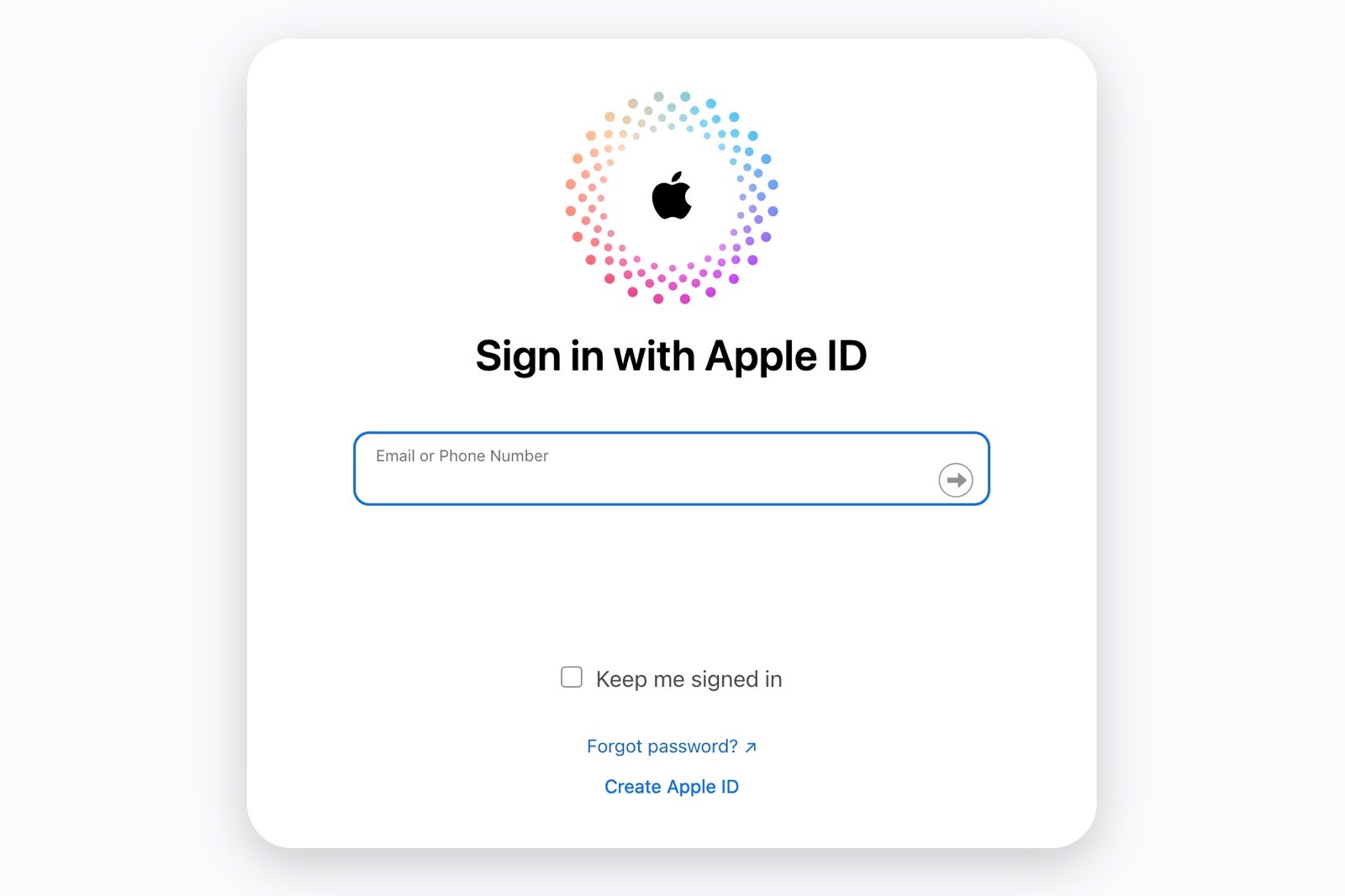
Hackers created a login page that looks exactly like Apple's.
This link will lead users to a fake website, designed to look exactly like Apple's website. There, hackers will steal login information, passwords, and even two-factor authentication (2FA) codes.
Apple advises users to exercise increased vigilance.
In response to this situation, Apple has issued a warning and advised users to exercise extreme caution. "If you receive any unexpected messages, calls, or requests for personal information, always assume it is a scam," Apple stated.
Signs of phishing emails
- Mentioning personal information helps build trust.
- Creates a sense of urgency, demanding immediate action.
- Please provide your account information or security code.
- Contains suspicious links.
Apple asserts that they will never ask users to provide login information, passwords, or two-factor authentication codes via email or text message.
What can users do to protect themselves?
To avoid becoming a victim of scams, users should note the following points:
- Do not click on links in suspicious emails.
- Always double-check the sender's email address.
- Access Apple's official website directly to check your account information.
- Enable two-factor authentication (2FA) for your Apple ID.
- Consider using Apple Passkey (if available) to enhance security.
- Be cautious of big deals during Black Friday.
- Regularly monitor your bank statements to detect any suspicious transactions.
By increasing vigilance and adhering to security recommendations, users can protect themselves from cybercrime threats during the year-end shopping season.
Source: https://thanhnien.vn/hon-2-ti-tai-khoan-apple-id-doi-mat-lan-song-tan-cong-lua-dao-185241128092741654.htm

![[Photo] Prime Minister Pham Minh Chinh presides over the conference announcing the establishment of the International Finance Centre in Vietnam.](/_next/image?url=https%3A%2F%2Fvphoto.vietnam.vn%2Fthumb%2F1200x675%2Fvietnam%2Fresource%2FIMAGE%2F2025%2F12%2F21%2F1766309817714_ndo_br_dsc-3400-jpg.webp&w=3840&q=75)


![[Photo] Prime Minister Pham Minh Chinh presides over a meeting on private sector economic development.](/_next/image?url=https%3A%2F%2Fvphoto.vietnam.vn%2Fthumb%2F1200x675%2Fvietnam%2Fresource%2FIMAGE%2F2025%2F12%2F20%2F1766237501876_thiet-ke-chua-co-ten-40-png.webp&w=3840&q=75)
































































































Comment (0)