|
Tourists take photos outside the Hue Imperial Citadel on April 27. Photo: Quoc Anh . |
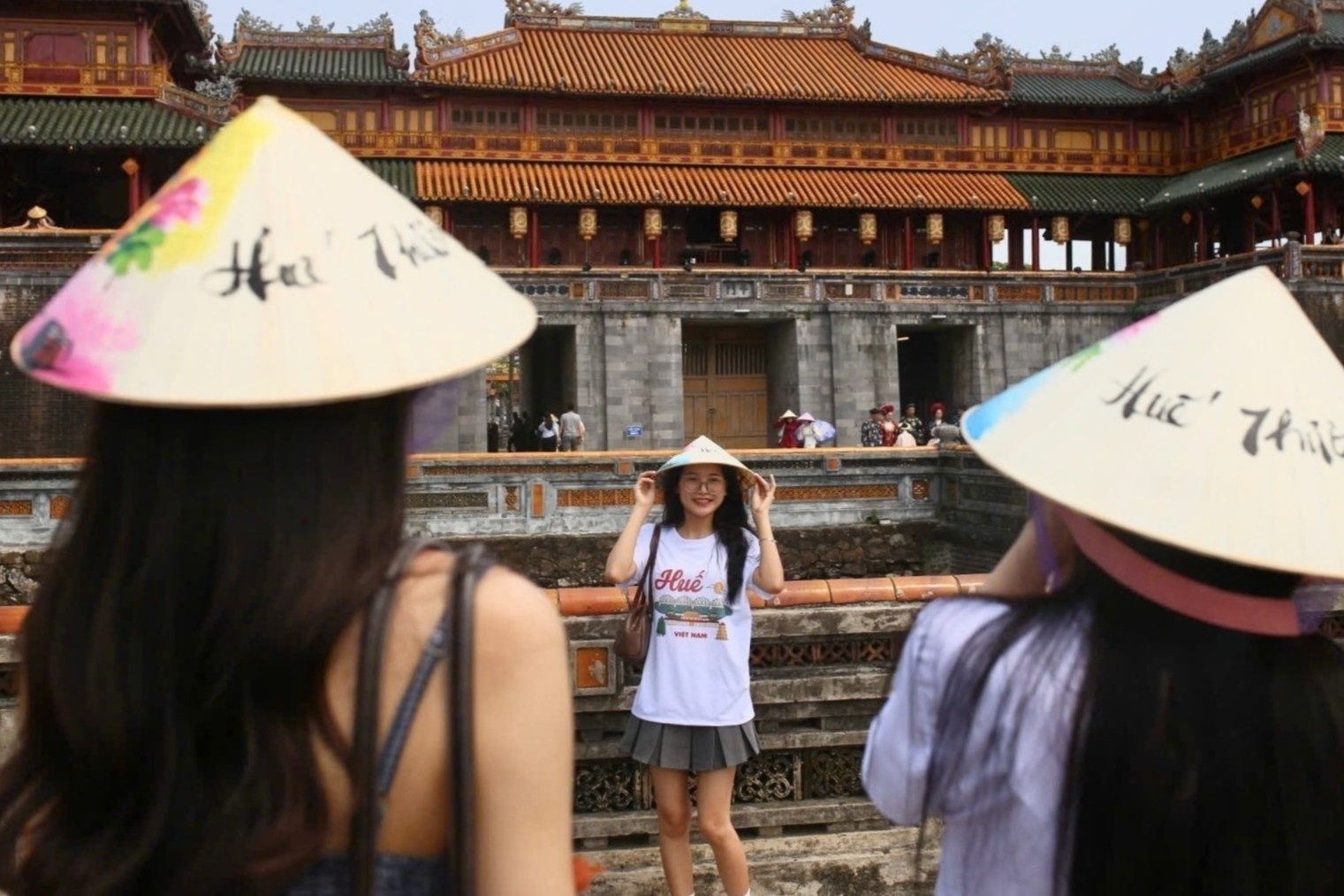
On the first day of the Hung Kings Commemoration Day holiday, images of crowds flocking to the Hue Imperial Citadel topped the search rankings on Socialite – a system for measuring and ranking prominent events on social media.
The holiday saw over 300,000 discussions, with phrases like "half of Vietnam in Hue" and "escaping the world to Hue, only to meet the whole world there" appearing frequently across various platforms.
"The great appeal is due to this year's favorable holiday schedule, with the two holidays separated by only two working days, allowing tourists to combine them into longer trips," Ms. Tran Thi Hoai Tram, Director of the Hue City Department of Tourism , told Tri Thuc - Znews .
What did Hue do?
During the Hung Kings Commemoration Day holiday in 2026 (April 24-28), Hue recorded a surge in visitors, with approximately 395,000 arrivals, including 98,700 international tourists. Tourism revenue is estimated at 958 billion VND. The average occupancy rate of hotels reached over 90%, and on the 10th day of the 3rd lunar month, it reached approximately 99%.
Over the next five days (April 29th - May 3rd), the total number of visitors to Hue is estimated at 610,000, an increase of 73.7% compared to the same period last year. Of these, international visitors reached 164,000 (an increase of 129%), and domestic visitors reached 446,000 (an increase of 59.5%). Tourism revenue is estimated at 1,350 billion VND, an increase of 85%. The average room occupancy rate reached 99%.
Notably, on April 30th and May 1st, the number of visitors to Hue increased dramatically, mainly concentrated at the Hue Imperial Citadel complex, including the Imperial Citadel and the tombs of the Nguyen dynasty kings.
On May 1st alone, revenue reached over 4.2 billion VND, surpassing the record set the day before (over 3.7 billion VND). This is the highest single-day revenue ever recorded at this historical site.
NUMBER OF VISITORS AND TOURISM REVENUE IN SOME PROVINCES/CITIES DURING THE APRIL 30TH - MAY 1ST HOLIDAY | |||||||||||
Source: Vietnam National Tourism Administration | |||||||||||
Label | Ninh Binh | Ho Chi Minh City | Khanh Hoa | Da Nang | Hai Phong | Hanoi | Quang Ninh | Lam Dong | Lao Cai | Hue | |
Number of visitors | Million views | 2.37 | 1.69 | 1.5 | 1.46 | 1.45 | 1.35 | 1.34 | 0.97 | 0.8 | 0.61 You may also like  Young people are revitalizing tourism in Hue.HNN - Instead of familiar itineraries like the Imperial Citadel, Thien Mu Pagoda, and the royal tombs, some young people are experimenting with a completely new approach to tourism. This involves designing tours that personalize the specific needs of each group of customers.  Colorful dances by the Perfume River during Hue International Music WeekThe Hue International Music Week (part of the Hue Festival 2026) will take place from June 13th to June 18th, featuring many renowned art troupes from Vietnam and around the world.  Ham Rong - a pristine beach in Hue.Nestled beside the Vinh Hien estuary, Ham Rong beach in Hue is becoming a favorite destination for many tourists thanks to its pristine beauty, fascinating rock formations, and rare peaceful atmosphere. |
Revenue | Trillion dong | 3.6 | 8.7 | 2.6 | 5.7 | 1.1 | 5 | 4.2 | 2.2 | 2.22 | 1.35 |
Viewing this solely as a holiday-based tourism event is insufficient. In reality, when combining two holiday periods, Hue may not stand out in terms of total visitor numbers or revenue compared to some other localities, but it generates a strong media impact.
Hue is demonstrating its ability to retain tourists, not just those who come to visit the Imperial Citadel, eat beef noodle soup, and then leave. The city is more crowded, spending levels are higher, and lengths of stay are longer.
According to Ms. Tram, Hue "succeeded" thanks to organizing large-scale events with high frequency and diverse formats, thereby increasing the brand value of the destination.
During the April 30th - May 1st holiday, the city is organizing a series of diverse events, combining cultural experiences, art, cuisine, and beach tourism. Previously, Hue was often seen as "the city of memories and nostalgia," but now it is moving in a different direction: "transforming heritage into experiences."
|
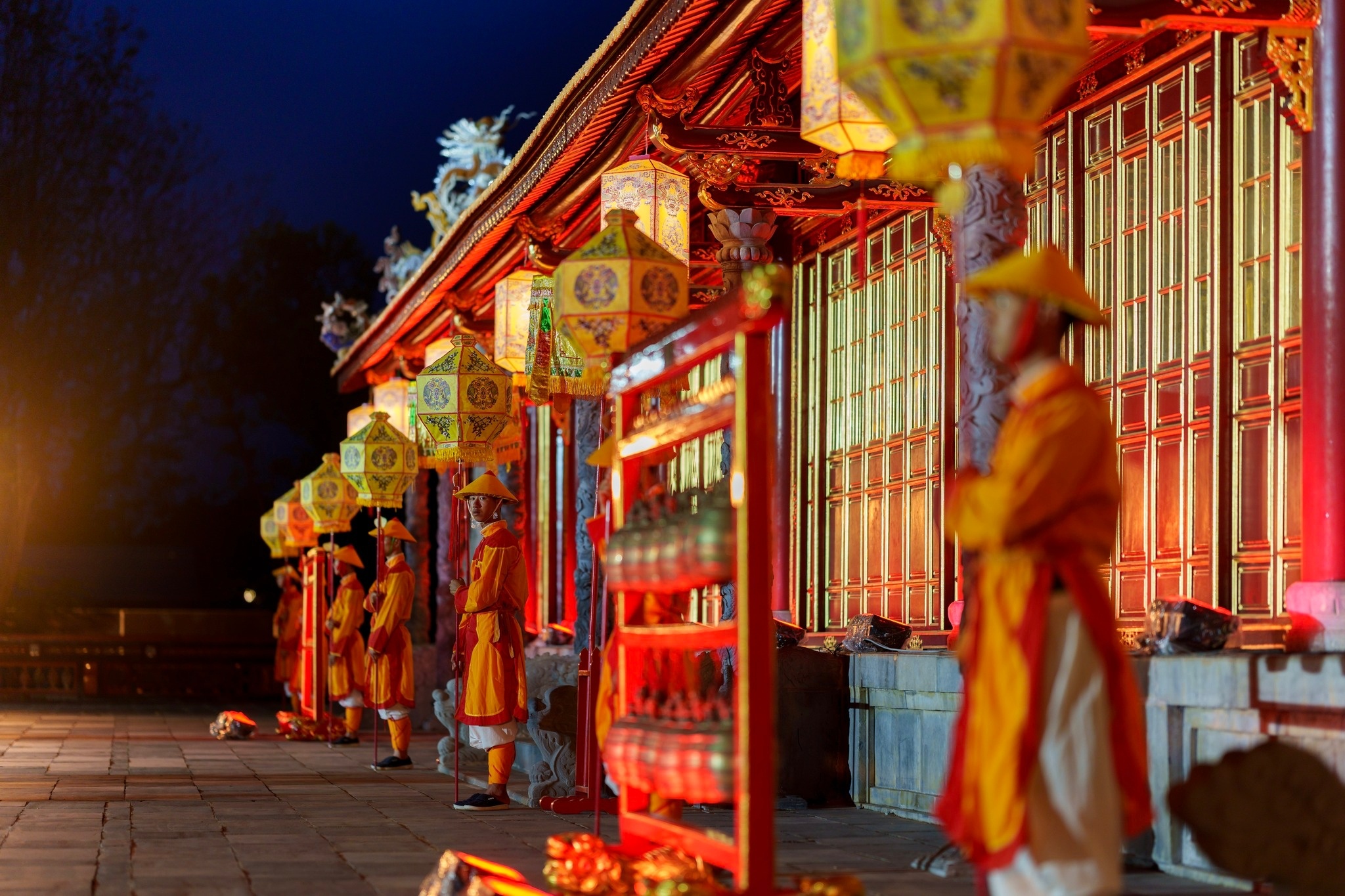
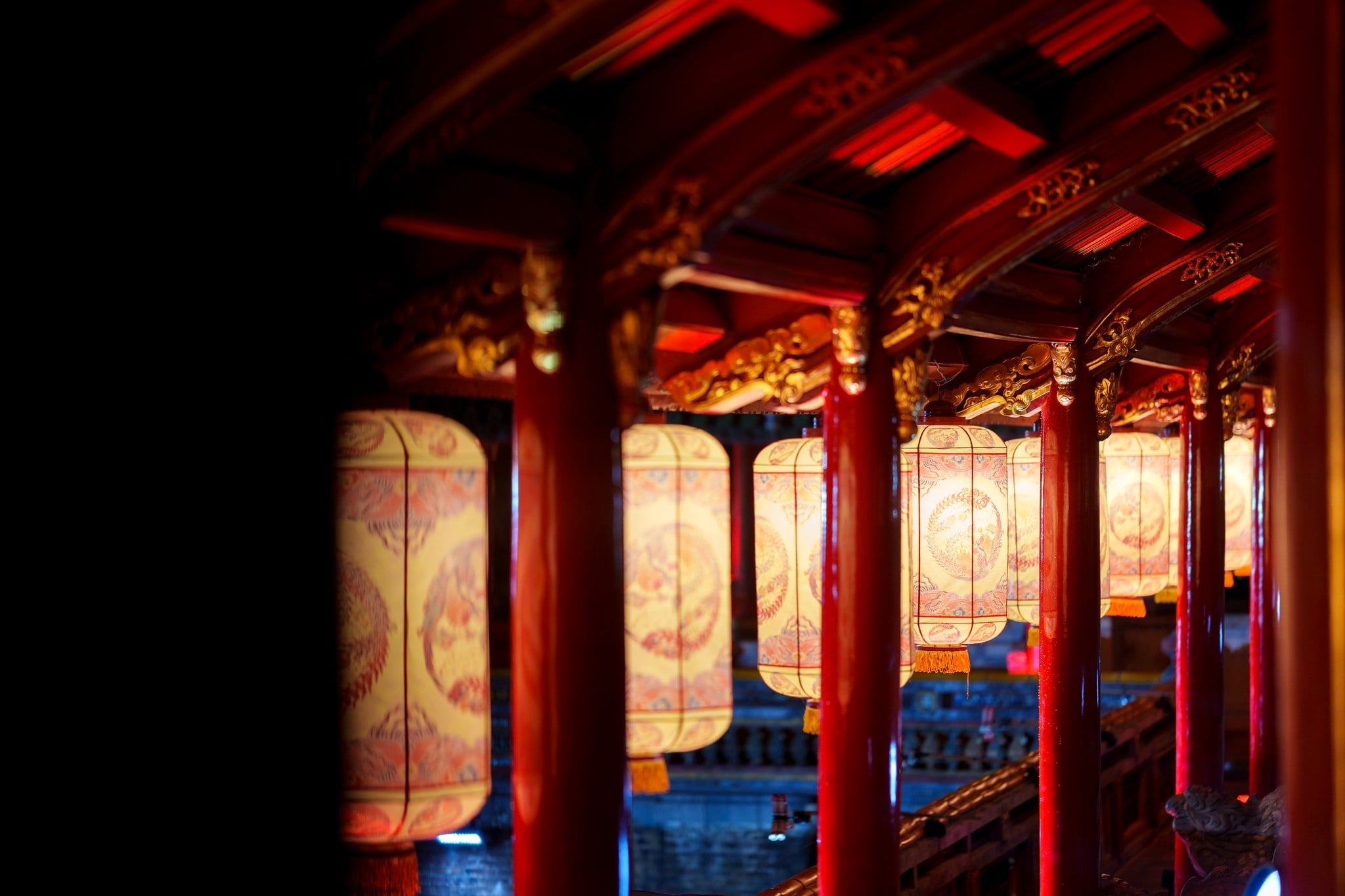
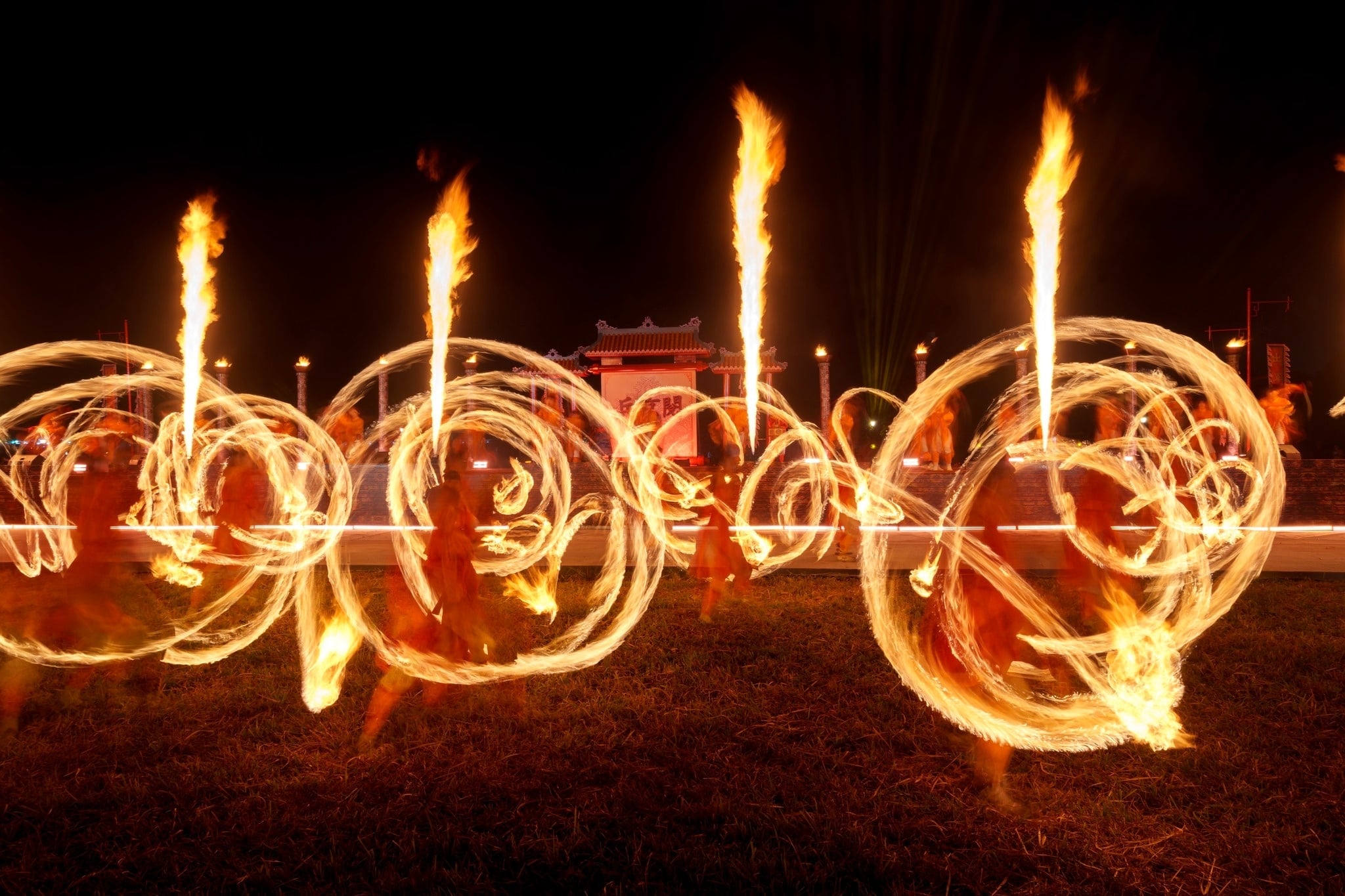
Crowded scenes at the Hue Imperial Citadel during the "Magical Imperial Palace" event. Photos: Quoc Anh, Kelvin Long, Le Dinh Hoang. |


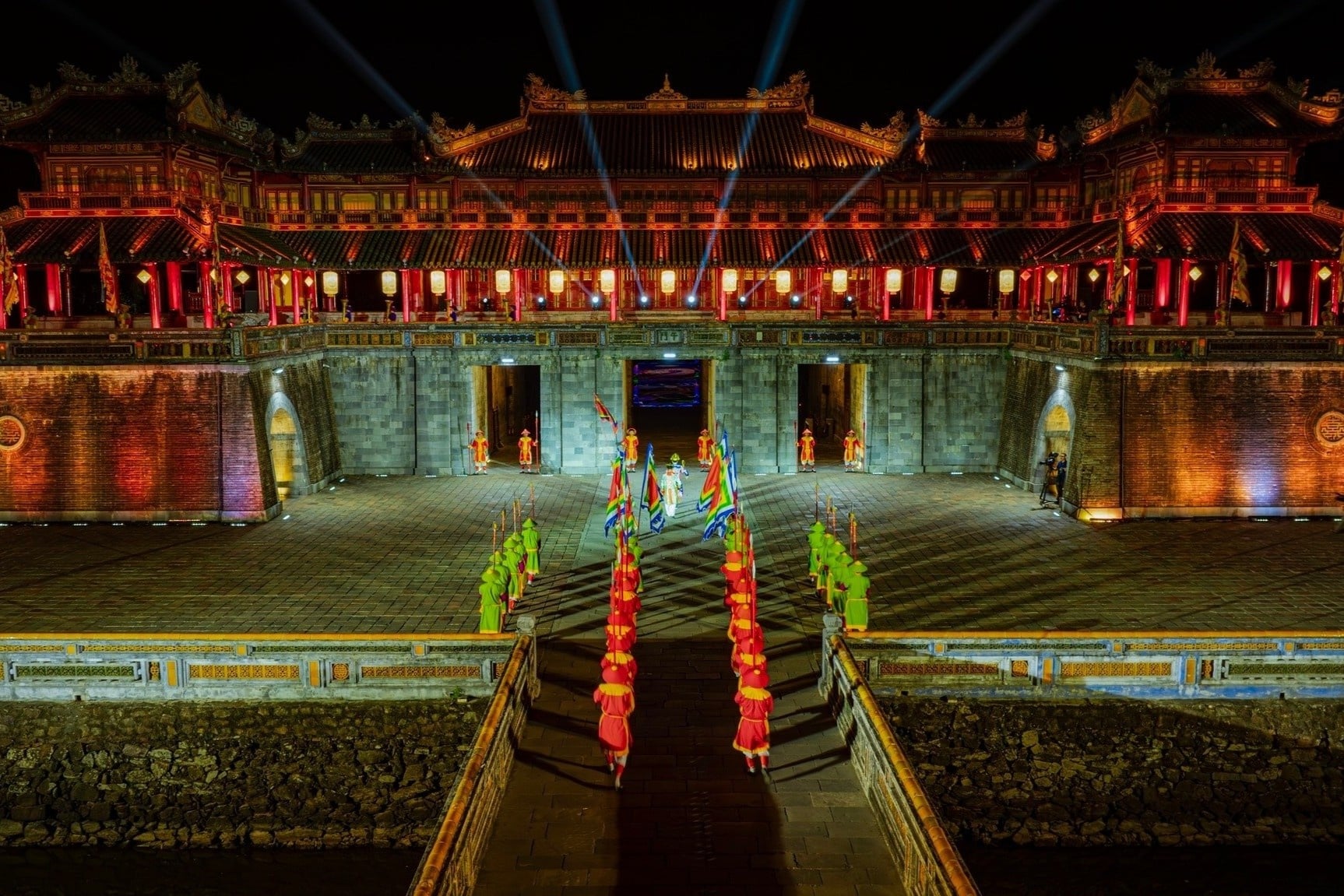
One of the highlights attracting tourists is the "Magical Imperial Palace" program, taking place from the evening of April 25th to 28th, offering free admission to the Imperial Citadel at night. The program includes the changing of the guard ceremony at Ngo Mon Gate, a reenactment of the royal court ceremony at Thai Hoa Palace courtyard, military drills, and a 3D mapping light show on Trung Dao Bridge.
"The event attracted thousands of people on the very first night and is expected to become a distinctive night tourism product of the ancient city of Hue in the future," Ms. Tram said.
Not letting the allure wane, Hue continues to host the "Royal Banquet" within the Imperial Citadel, featuring a menu of dishes such as peacock spring rolls and phoenix patties, steamed fish with five willow leaves, royal squid patties, mixed royal vegetables, golden turtle rice, royal shrimp in a dragon boat, and longan sweet soup.
All of this helps Hue create an ecosystem: there are destinations during the day, experiences at night, and reasons to return in every season.
Hue is not yet finished.
Prior to the holiday, the Hue City Department of Tourism established emergency support channels specifically for tourists, including a hotline for booking accommodations, homestays, and arranging rest stops during peak season.
The agency also reviews and updates the service capacity of the accommodation system to understand the number of rooms, service quality, and ability to meet demand at any given time. Based on this, the Department requires businesses to proactively develop service plans, improve service quality, allocate personnel, and prepare facilities.
"Thanks to early preparation, the supply basically meets the needs of tourists, preventing widespread overcrowding," Ms. Tram said.
|
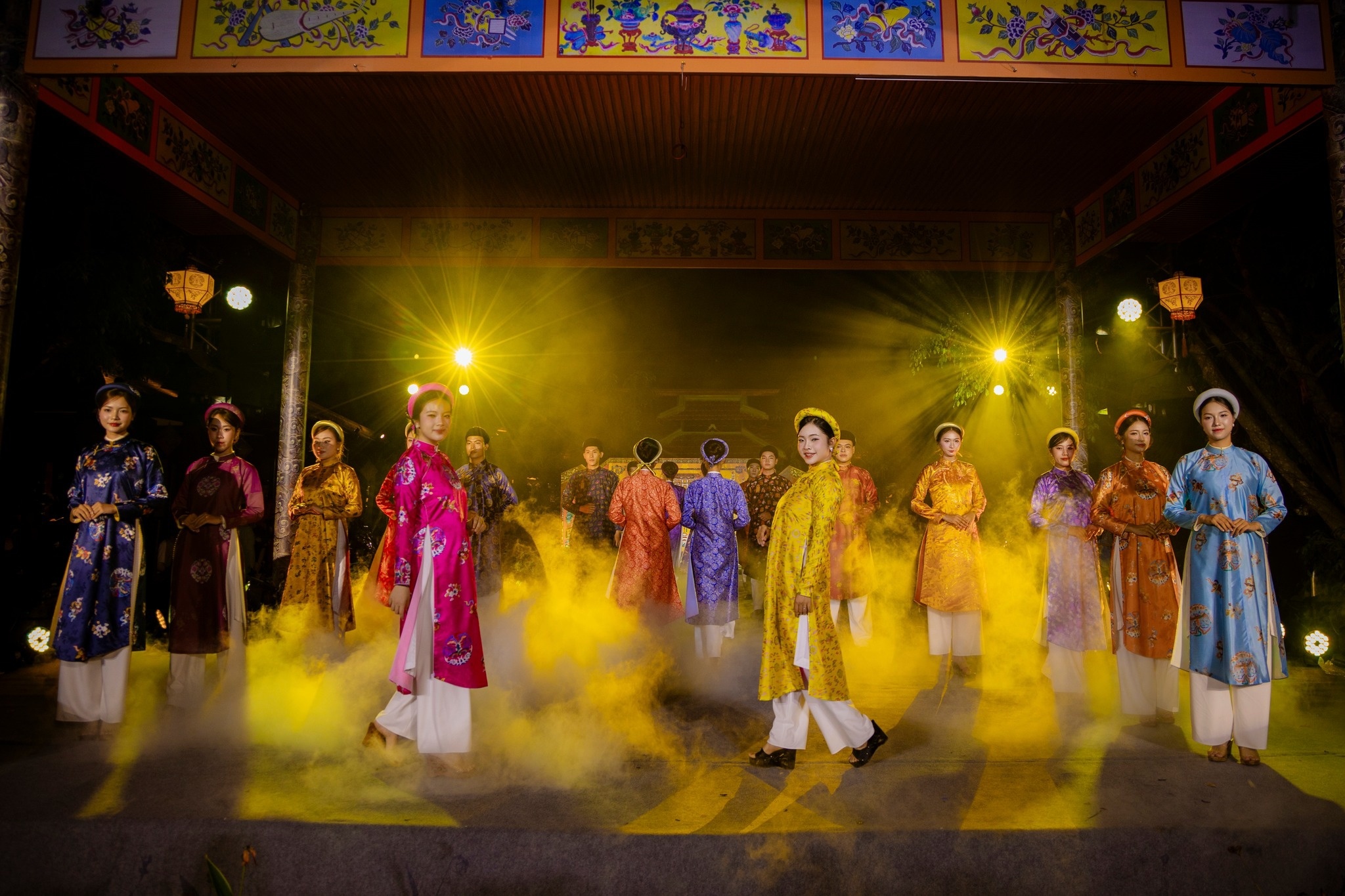
Tourists wearing traditional Vietnamese ao dai dresses check in in front of the Hue Imperial Citadel during the recent holiday. Photo: Quoc Anh. |

The Department of Tourism also requested that local authorities strengthen the management of the tourism environment, raise awareness among residents about maintaining hygiene and urban order, and organize campaigns to address "hot spots" such as touting, harassing tourists, street vendors, and unauthorized parking areas in popular tourist zones.
Following complaints about service prices such as "a cup of tea costing 170,000 VND" or "a plate of street food costing 100,000 VND," the People's Committee of Thuan Hoa Ward immediately launched an inspection after receiving information on social media. The results showed that all establishments publicly displayed their prices, with no signs of price gouging.



![[Image] Schools organize meetings and introduce teaching models to students admitted to grade 10.](https://vphoto.vietnam.vn/thumb/1200x675/vietnam/resource/IMAGE/2026/06/25/1782368077271_ndo_br_z7970052192242-1ec8daeb77a6eed1a4e9f58c564ddd3e-jpg.webp)
![[Photo] General Secretary and President To Lam receives Palestinian Ambassador Saadi Salama](https://vphoto.vietnam.vn/thumb/1200x675/vietnam/resource/IMAGE/2026/06/25/1782365384740_a1-bnd-9423-8322-jpg.webp)
![[Image] Ho Chi Minh City: Ma Lang area, Chicken-Rice Market about to change its appearance](https://vphoto.vietnam.vn/thumb/1200x675/vietnam/resource/IMAGE/2026/06/25/1782377698627_ndo_br_m1-jpg.webp)