


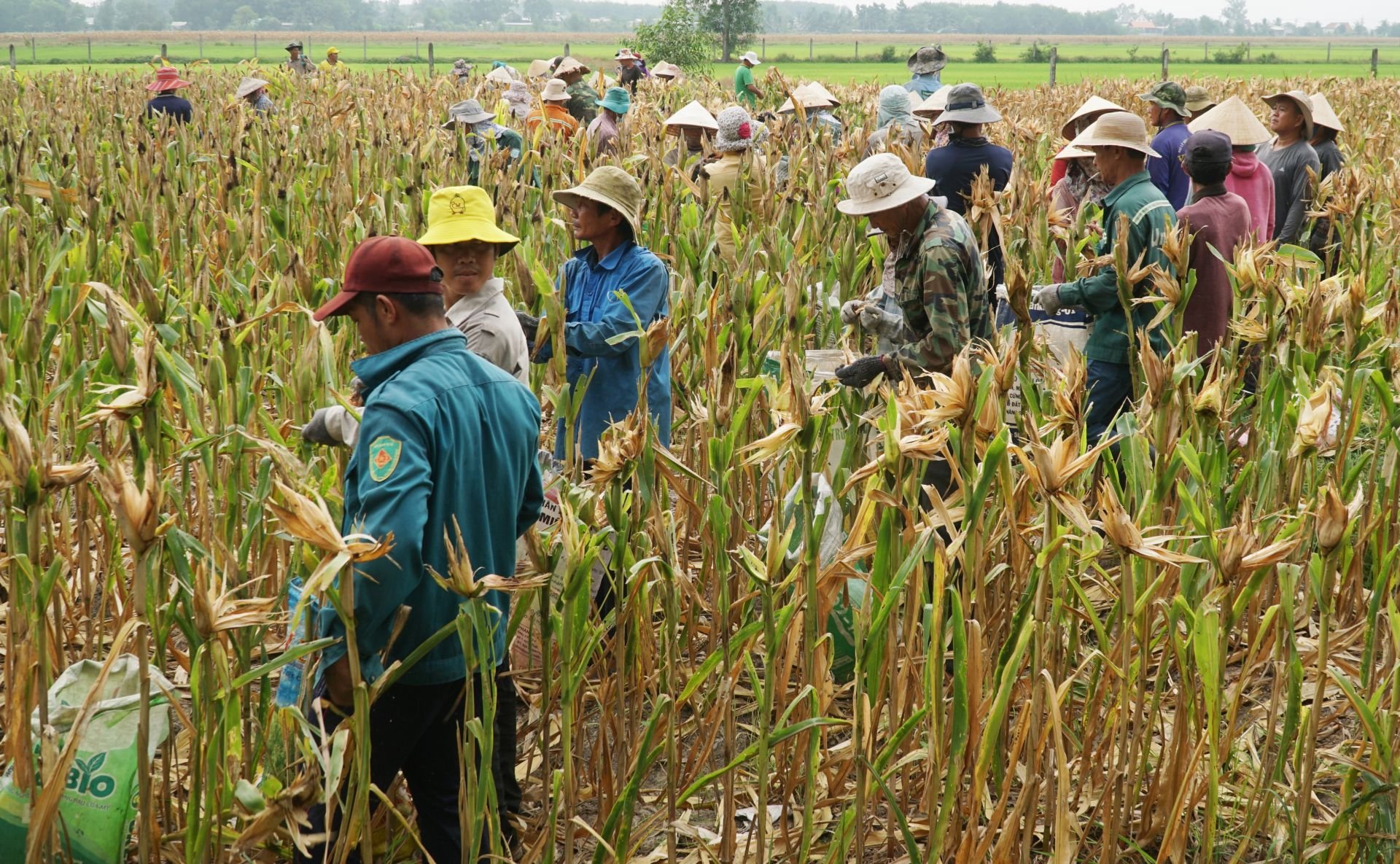
Over 100 workers are harvesting the corn.
Be bold in switching crops.
Over the years, Mr. Pham Van Minh in Hung Thuan commune has been a highly successful farmer specializing in the ST24 rice variety. This year's winter-spring crop surprised the people of Hung Thuan when they saw that 14 out of 20 hectares of Mr. Minh's land had been converted to growing corn. More than a month ago, when we visited Mr. Minh's large-scale model field, the rows of corn were lush green, straight and even. The corn plants, over 1.5 meters tall, had already flowered and borne fruit.
Mr. Minh shared: “Previously, I planted an average of three rice crops per year. Such frequent and continuous rice cultivation led to soil depletion and increased susceptibility to diseases in the rice plants. To improve the soil, this year I'm cutting back on one winter-spring rice crop and planting corn instead.”
"I don't grow conventional corn and I don't find my own market for my produce like other farmers. Instead, I contract with a company that specializes in buying corn for seed. Besides guaranteeing the purchase of my produce, this company also provides seeds and technical support for cultivation."
Mr. Nguyen Van Nu, residing in Loc Tri hamlet, Hung Thuan commune, is one of the pioneers who boldly intercropped two rice crops with one corn crop for seed production. This elderly farmer also grows over 2 hectares of corn to sell to a company specializing in purchasing it for seed production. According to Mr. Nu, planting two rice crops and intercropping one corn crop will help improve the soil, because after harvesting, the corn stalks are plowed and buried in the field, creating organic fertilizer for the next rice crop.
Growing corn for seed is guaranteed by the company with a stable price, eliminating the worry of price drops during bumper harvests like with other crops. Mr. Nu's corn field is currently thriving, with tall, strong stalks, lush green leaves, and ears full of kernels, promising a bountiful harvest.
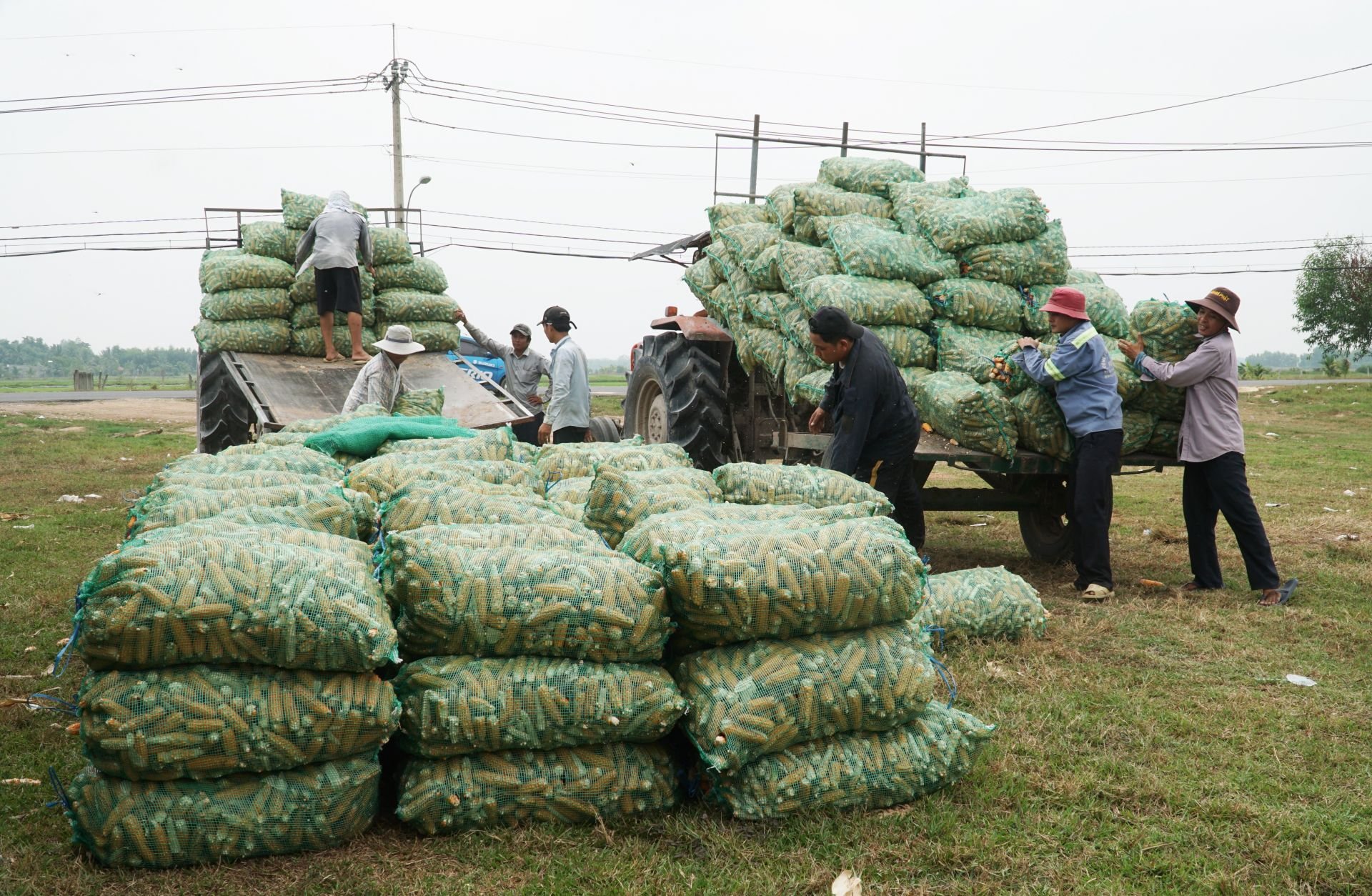
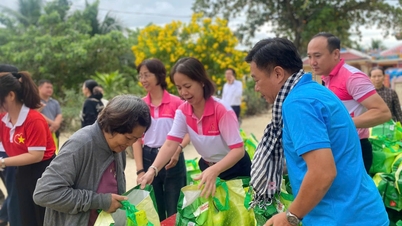
Transporting corn to the collection point.
Potential for growing hybrid corn
Currently, the corn fields in Hung Thuan are beginning to be harvested. In the fields, hundreds of workers are lined up to harvest all the dried corn cobs and transport them to the purchasing center. Most of Mr. Minh's corn crop has large ears, uniform kernels, and beautiful colors, and is being purchased by the company.
Mr. Minh said: “With a yield of 7 tons/ha and the company buying at 13,500 VND/kg, he earns over 100 million VND/ha. After deducting expenses of about 35 million VND/ha, he still makes a profit of about 65 million VND. Meanwhile, the current price of rice is only 5,900 VND/kg. If the harvest is good, farmers can earn over 40 million VND/ha, but after deducting expenses, they only make a profit of about 12 million VND. In short, growing corn is much more profitable than growing rice.”
The farmer added that in previous years, farmers had learned to intercrop several short-term crops such as sugarcane, cassava, tobacco, and glutinous corn between two rice crops. However, all of these crops frequently faced the situation of bumper harvests leading to price drops, or high prices coinciding with poor harvests, resulting in very unstable incomes.
This year, farmers here have contracted with a buyer to purchase their produce at an agreed price, giving them more peace of mind. However, according to Mr. Minh, achieving such a successful corn harvest depends on many factors, such as well-drained land that won't be flooded during heavy rains, a proper irrigation system, and convenient transportation routes for agricultural supplies and harvested produce.
In particular, a plentiful labor force is essential. Currently, corn harvesting is still done manually, picking each ear of corn from the plant. Furthermore, before planting corn, farmers must sign contracts with purchasing agents to avoid dependence on middlemen after harvest.
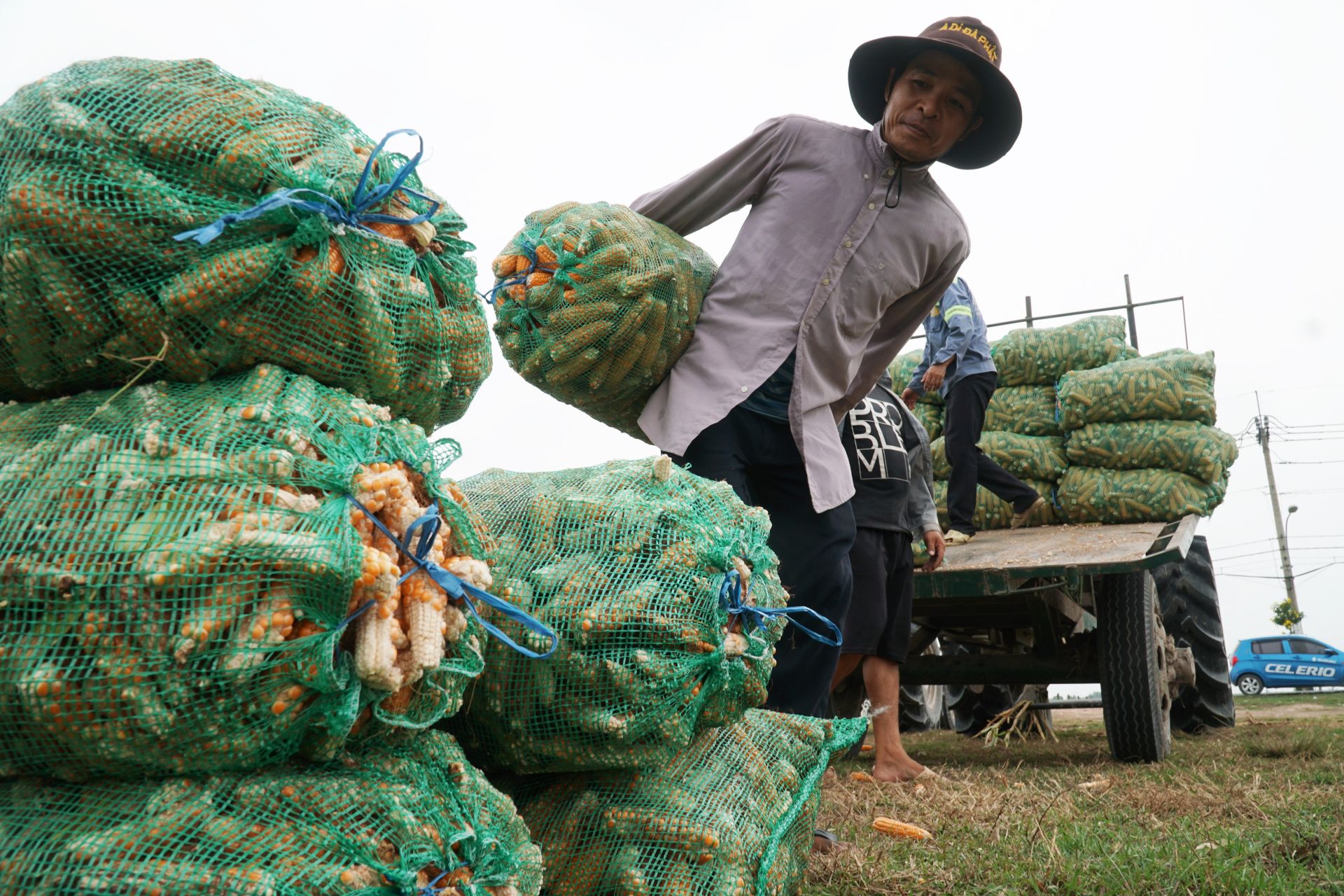
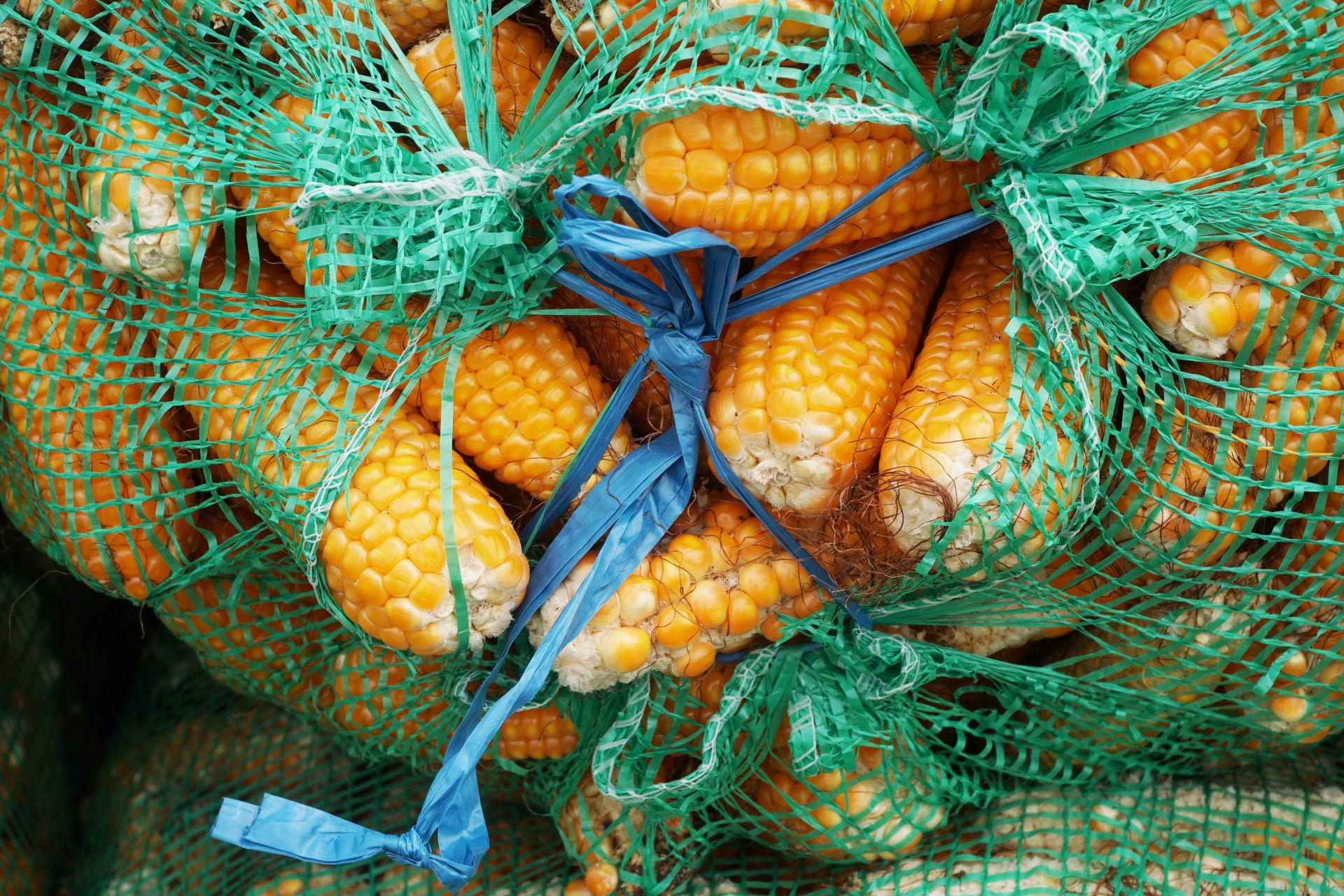
These ears of corn are suitable for use as seeds for the next season.
Mr. Ha Thanh Tung, Director of the Tay Ninh Agricultural Extension Center, closely monitors this corn seed cultivation model. He regularly visits the corn fields to assess the farmers' production situation and provides them with sound guidance.
According to the Director of the Tay Ninh Agricultural Extension Center, growing seed corn in Hung Thuan has several advantages, such as suitable soil, a reliable water supply from the irrigation system's canals, an abundant labor force in the fields, and hardworking, innovative farmers. These are also favorable conditions for attracting companies and businesses to Tay Ninh to contract for seed corn cultivation. Some provinces want to cultivate seed corn in this way but are unable to do so.
Tay Ninh's agricultural sector is focusing on restructuring crop patterns. Among these, intercropping maize between two rice crops is one of the breakthrough agricultural practices that yields high economic returns.
Ocean
Source link










































































Comment (0)