

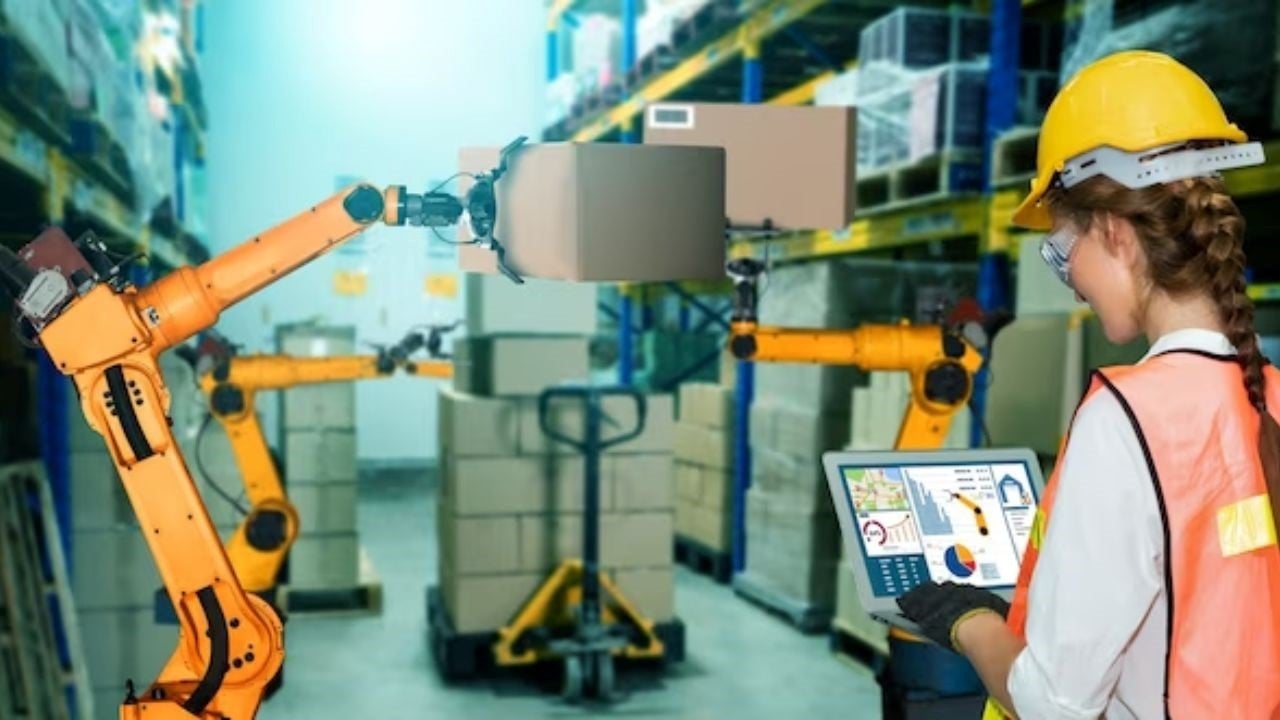
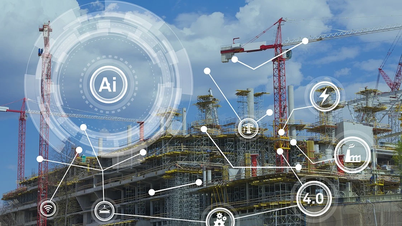
The Internet of Things ( IoT ) and artificial intelligence ( AI ) have revolutionized many different industries, with one area where their impact is particularly significant being industrial automation.
IoT refers to a network of physical devices, vehicles, and other objects equipped with sensors and software, enabling them to connect, collect, and exchange data.
AI involves developing computer systems that can perform tasks requiring human intelligence.
When these two technologies combine, they will create a power that will transform the way industries operate.
The combination of IoT and AI is driving the next generation of industrial automation. IoRT is revolutionizing industries by enabling predictive maintenance, remote monitoring and control, real-time quality control, automation of complex tasks, and the development of automated systems.
In the field of industrial automation, the impact of IoT and AI is enormous. IoT enables the collection of large amounts of data from sensors embedded in machinery and equipment. This data can then be analyzed and processed using AI algorithms to extract valuable insights.
The ability to analyze data and make decisions in real time is revolutionizing industrial processes, making them more efficient, productive, and cost-effective.
One of the main benefits of IoT and AI in industrial automation is predictive maintenance. By continuously monitoring the performance of machinery and equipment, IoT sensors can detect anomalies and predict when maintenance is needed.
This proactive approach helps prevent costly incidents and reduce downtime, resulting in significant cost savings for industries.
Furthermore, IoT and AI are enabling remote monitoring and control of industrial processes. With the help of IoT sensors and AI algorithms, operators can monitor and control machinery and equipment from anywhere, anytime.
This remote access capability not only improves operational efficiency but also enhances worker safety by reducing the need for physical presence in hazardous environments.
Another area where IoT and AI are having a significant impact is quality control. By analyzing data collected from sensors, AI algorithms can identify patterns and anomalies, which can then pinpoint quality issues.
This real-time quality control capability allows for early detection and correction of problems, ensuring that only high-quality products are released to the market.
Furthermore, IoT and AI are accelerating the automation of complex tasks previously performed by humans. Robots equipped with IoT sensors and AI algorithms can now perform complex tasks with high precision.
Automating processes not only increases productivity but also reduces the risk of human error, helping to improve product quality.
The integration of IoT and AI in industrial automation has also led to the development of fully autonomous systems. Vehicles equipped with IoT sensors and AI algorithms can navigate and operate independently without human intervention. This autonomy is particularly beneficial in industries such as logistics and transportation, resulting in significant cost savings and improved efficiency.
The impact of IoT and AI on industrial automation is undeniable. As these technologies continue to develop, we can expect new technologies to make even greater contributions to the industrial manufacturing sector.
(according to Appclonescript)
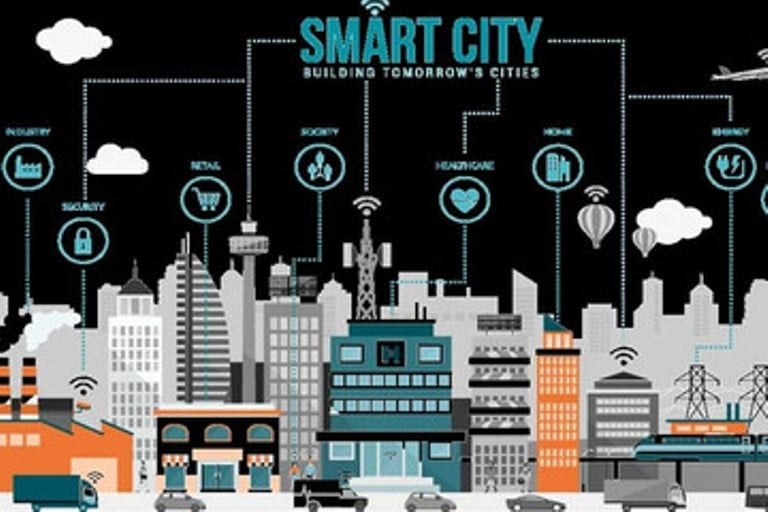
Integrating GIS and IoT to improve the quality of urban planning.

IoT applications in building smart grids.

The combination of Big Data and IoT will shape the future of the connected world .
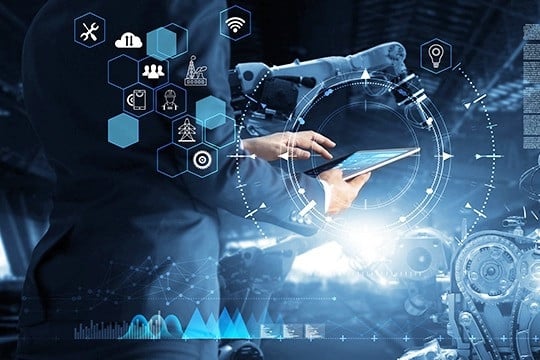
The crucial role of industrial IoT gateways.

China's 5G Revolution: Unlocking the Potential of the IoT Ecosystem
Source


![[Photo] Prime Minister Pham Minh Chinh presides over a meeting on private sector economic development.](/_next/image?url=https%3A%2F%2Fvphoto.vietnam.vn%2Fthumb%2F1200x675%2Fvietnam%2Fresource%2FIMAGE%2F2025%2F12%2F20%2F1766237501876_thiet-ke-chua-co-ten-40-png.webp&w=3840&q=75)

































































































Comment (0)