 |
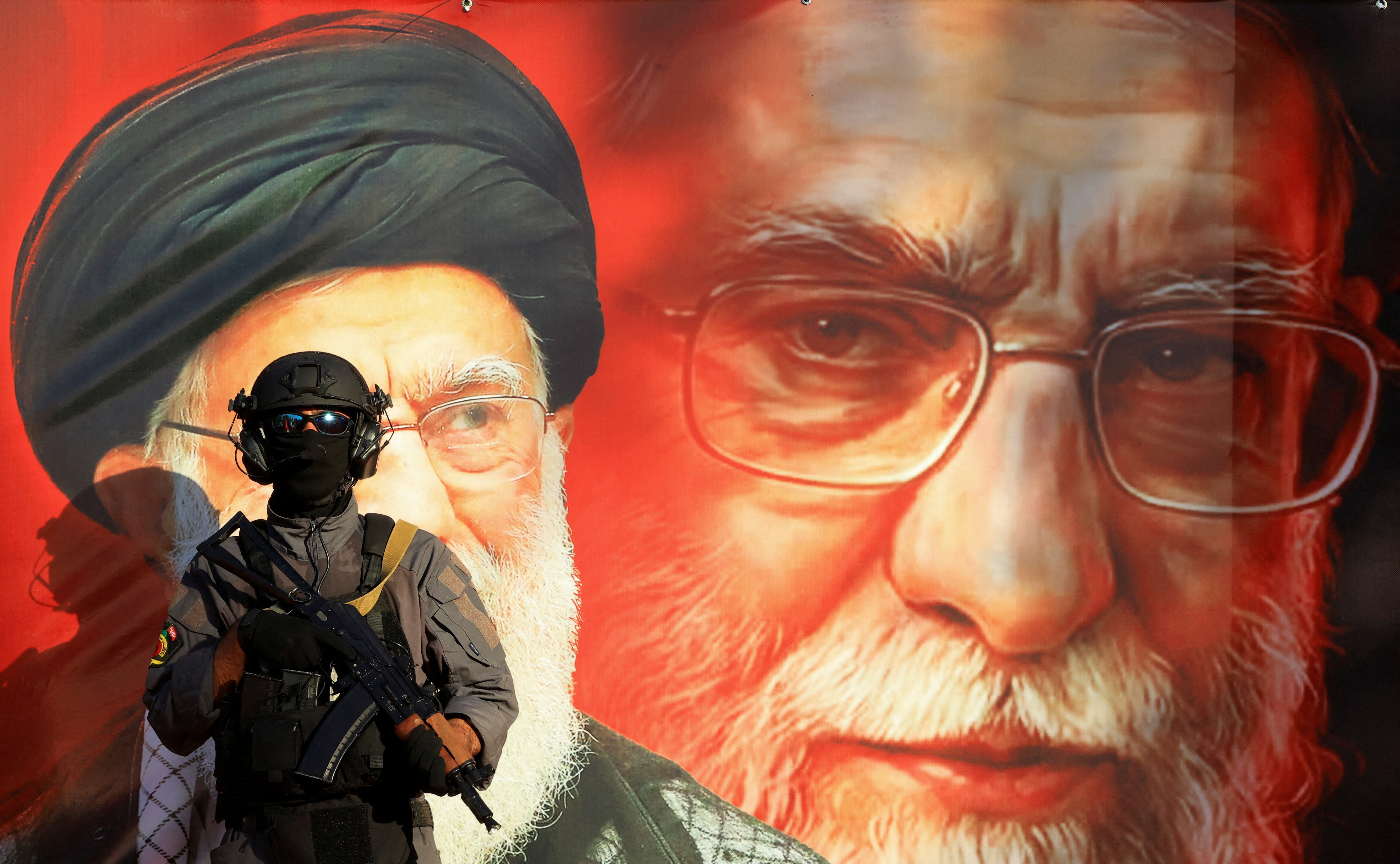
Within just a few hours on June 19th, Iran issued two completely contradictory messages regarding the future of the peace process with the US and the situation in the Strait of Hormuz.
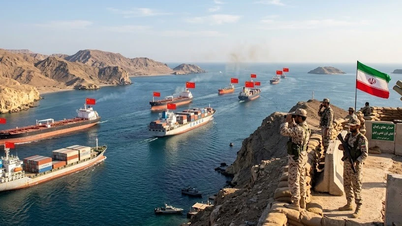
While Iran's Islamic Revolutionary Guard Corps (IRGC) declared it would continue its blockade of the Strait of Hormuz and stated that the conditions of the agreement with the US had not been met, the Iranian Foreign Ministry affirmed that the strait would remain open, committed to adhering to the preliminary agreement reached with the US, and indicated that preparations for dialogue with Washington were being accelerated and negotiations could take place in the coming days.
These seemingly contradictory statements highlight the fact that Tehran is not a single entity in the foreign policy decision-making process. Behind the conflicting pronouncements lies a tug-of-war between the diplomatic faction seeking rapid stabilization and the security and military forces that want to maintain pressure to gain further strategic advantage.
Contradictory statements
In an official statement on the afternoon of June 19, Iranian Foreign Ministry spokesperson Esmaeil Baqaei said that preparations for a new round of talks with the United States are being carried out urgently.
Mr. Baqaei emphasized that negotiations could not be further delayed because the two sides had already reached a preliminary agreement. According to the official, the success of the negotiation process depends on starting at the right time and maintaining the enforcement of the agreed terms.
On the same day, the Iranian Maritime Administration announced that ships wishing to pass through the Strait of Hormuz must submit a request 48 hours in advance to have their routes arranged.
Many observers see this move as evidence that Iran has not yet implemented a complete blockade of Hormuz. Instead, Tehran is applying tighter control over this strategic shipping lane.
Statements from Iran's Foreign Ministry and maritime authorities also indirectly refuted reports that Tehran had abandoned dialogue with Washington following Israel's increased attacks on Lebanon.
However, just a few hours earlier, the IRGC had issued a statement with a distinctly confrontational tone.
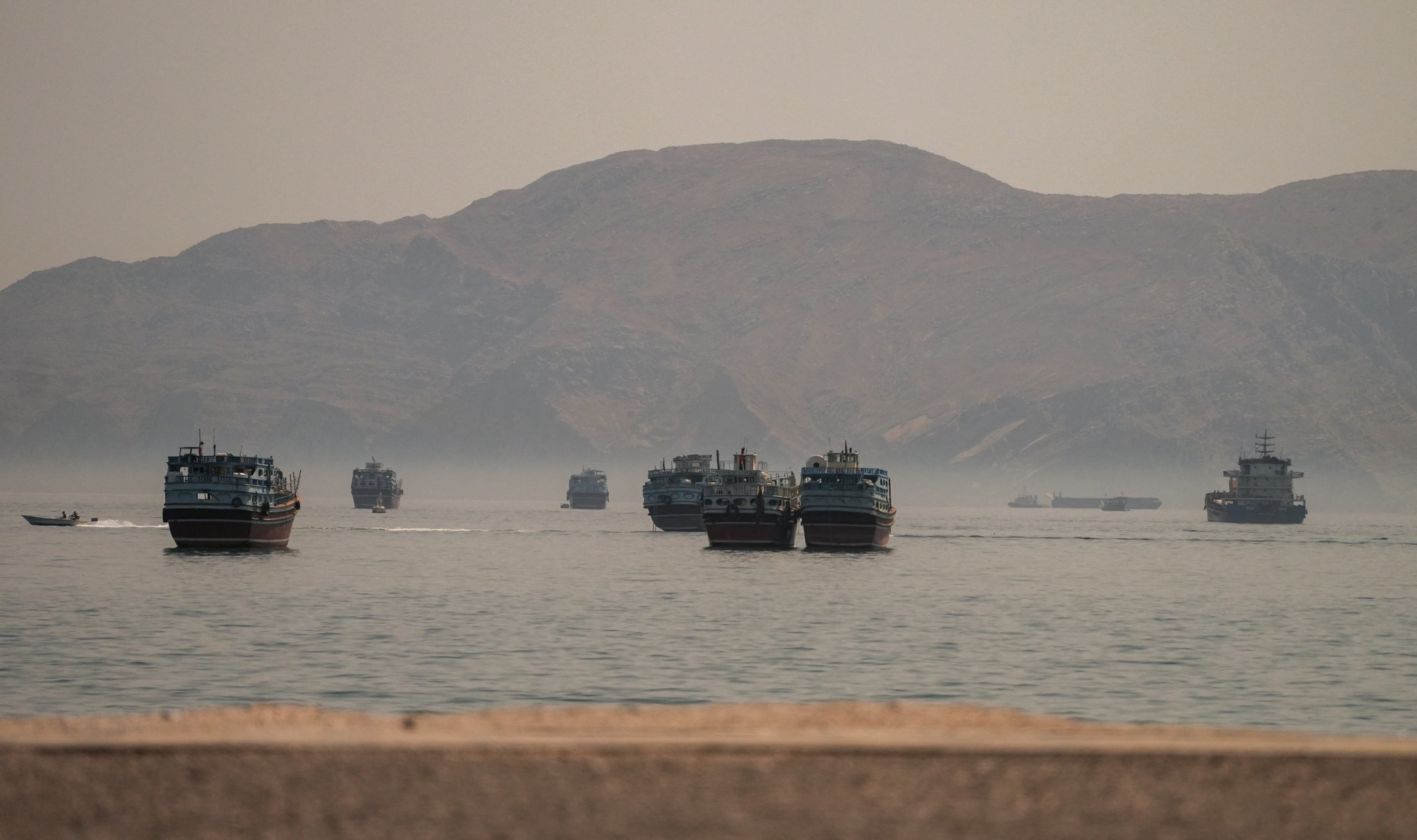 |
While the Iranian Foreign Ministry is pushing for dialogue with Washington, the IRGC is sending tough signals regarding Hormuz. Photo: Reuters. |
In a statement broadcast on maritime radio channels, the force asserted that the Strait of Hormuz would remain closed until Israel withdraws from southern Lebanon, the naval blockade against Iran is completely lifted, and US troops withdraw from the Persian Gulf and surrounding areas.
The IRGC accuses Washington of failing to fully implement its commitments under the memorandum signed by US President Donald Trump and Iranian President Masoud Pezeshkian on June 18.
The statement was issued just hours after the US-Iran talks scheduled to take place in Switzerland were postponed.
The stark difference between the Foreign Ministry's and the IRGC's positions has led many to question whether internal divisions are emerging within Iran.


Where does the difference lie?
According to mediators involved in the US-Iran reconciliation, the biggest obstacle currently lies not with Washington but with Tehran itself.
Before the agreement was signed by both sides, sources revealed to the Wall Street Journal that Iranian security and military officials, led by the IRGC, had not yet officially ratified the preliminary agreement aimed at ending the conflict. The draft agreement was still under review by hardline security officials.
According to mediators, this group is more interested in restoring deterrence capabilities and preventing the US and Israel from declaring victory than in quickly ending the confrontation. This complex internal assessment process has repeatedly slowed down previous mediation efforts.
One notable detail is that the mediators now have to maintain two separate channels of contact: one working with Iranian diplomats and another working directly with the IRGC.
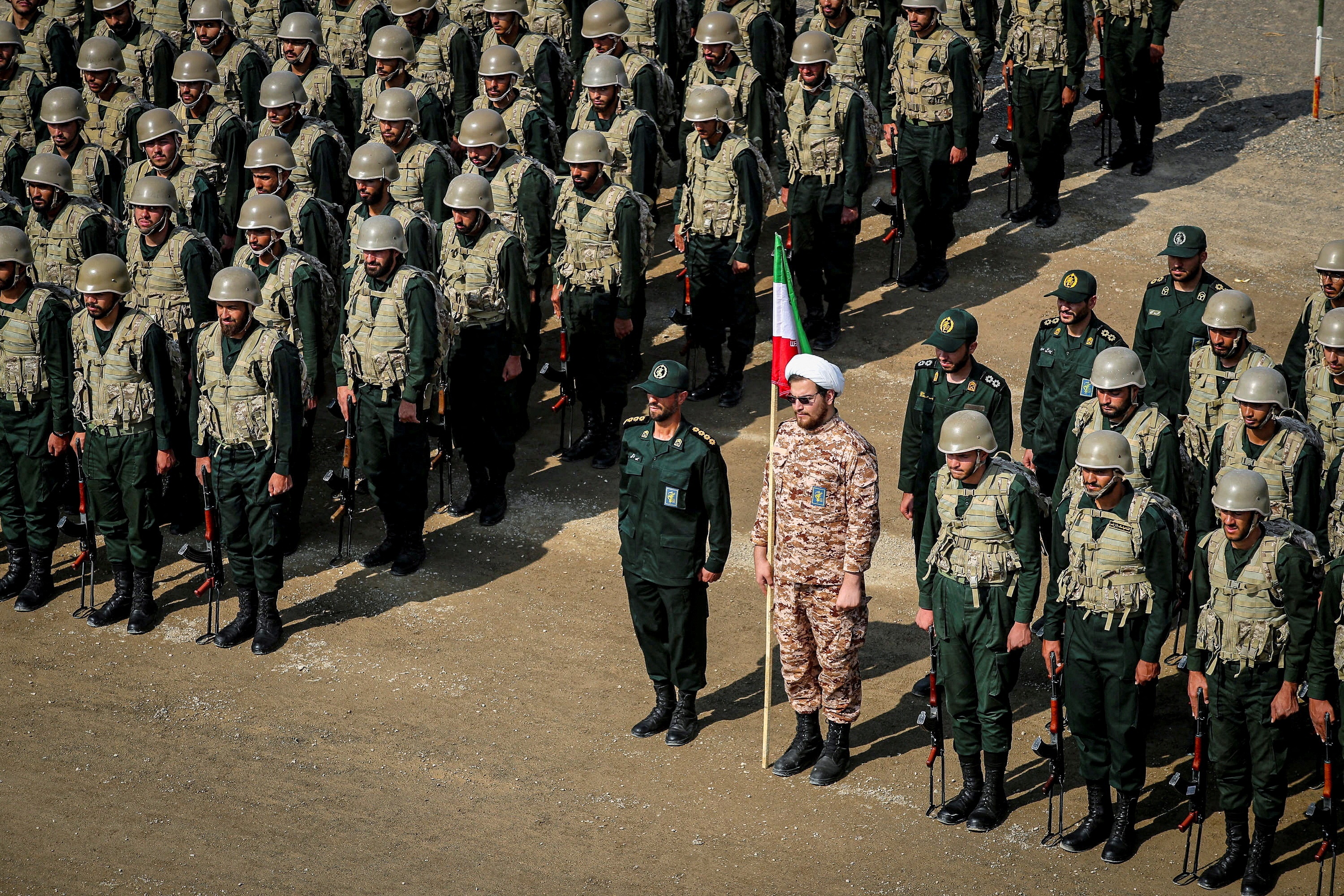 |
Iran's security and military leaders, headed by the IRGC, want to maintain a hardline diplomatic stance toward the United States. Photo: Reuters. |
This shows that the issue is not simply a disagreement, but reflects the reality that power in Iran is distributed among many different centers of influence.
In recent months, the IRGC's influence on war and peace decisions is believed to have increased significantly. ISW assessed in its April 2026 report that the IRGC is playing a larger-than-usual role in negotiations with the US, a process previously dominated by civilian diplomacy.
Reuters previously cited senior sources as saying that the IRGC had tightened its control over wartime strategic planning, pushing for a harderline stance on regional security issues.
Reuters also noted that the negotiations leading to the preliminary US-Iran agreement were repeatedly hampered by slow and fragmented responses from Tehran, reflecting the complex decision-making mechanisms among Iran's civilian, military, and other power structures.
Meanwhile, many experts believe that President Pezeshkian's administration and the State Department have clear motives for maintaining dialogue with the US in order to reduce economic pressure, restore trade, and avoid the risk of prolonged conflict.
Conversely, the IRGC fears that ending the confrontation too soon could be seen as a concession to Washington and Tel Aviv.
Not chaos, but a two-tiered strategy?
The situation in Lebanon is making the peace process even more fragile.
In recent days, Israel has continuously expanded its airstrikes targeting various areas across Lebanon. According to the Lebanese Ministry of Health, the latest attacks have killed at least 47 people and injured nearly 100.
On social media platform X, Seyed Mehdi Tabatabaei, a senior advisor to President Pezeshkian, publicly demanded that the US prevent Israel from undermining peace efforts in the region.
According to diplomatic sources, Iran now views Israel's continued military operations in Lebanon as a test of Washington's commitment. Tehran argues that the U.S. must demonstrate its ability to control its ally if it wants the reconciliation process to continue.
Many experts believe that the conflicting signals from Tehran do not necessarily reflect chaos in its foreign policy. Instead, Iran may be employing a "two-layered message" tactic.

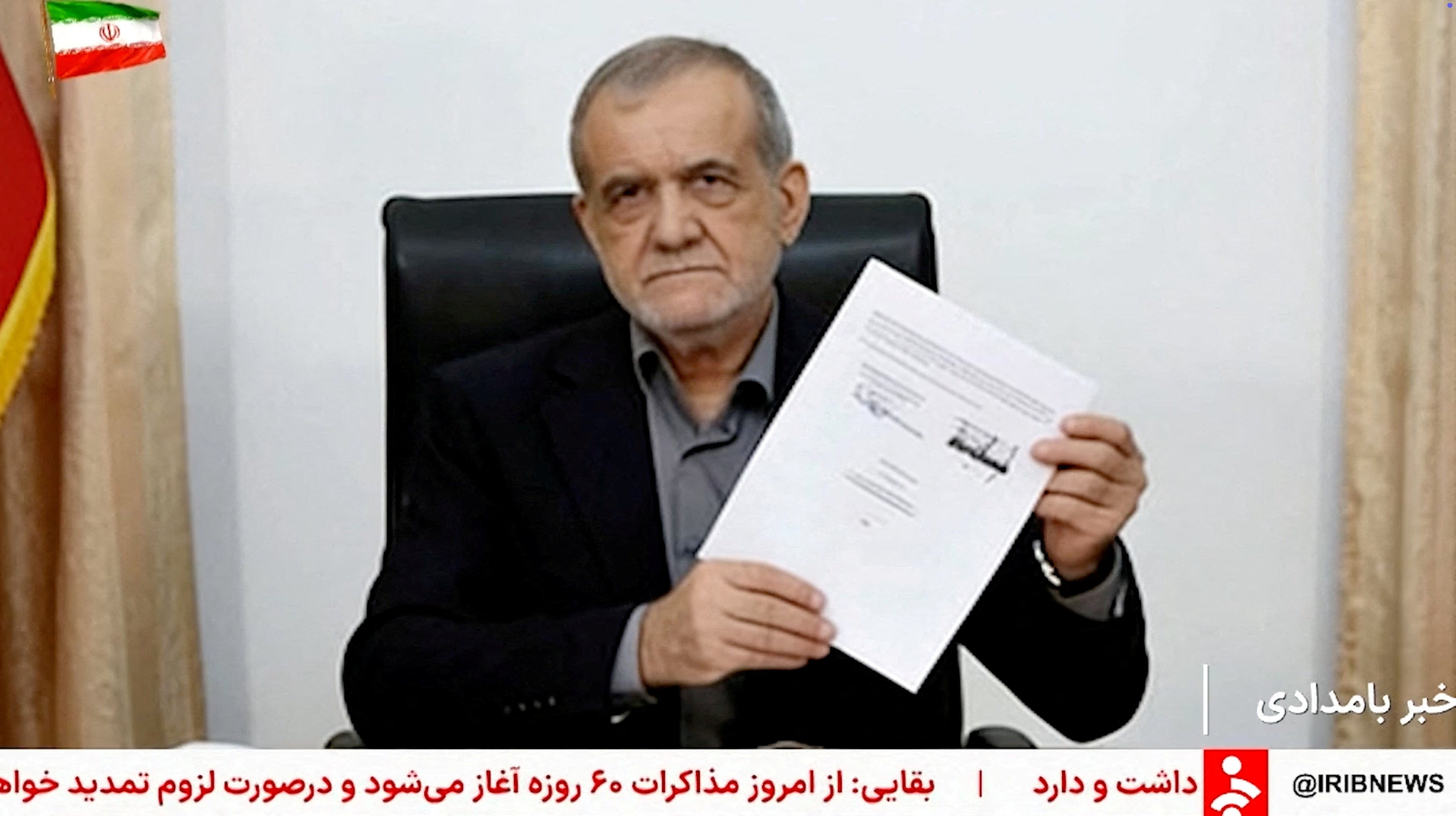 |
Iranian President Masoud Pezeshkian holds the memorandum signed with US President Donald Trump in Tehran, Iran, on June 18. Photo: Reuters. |
On the first level, the Foreign Ministry sent signals to reassure the markets, keeping the door open for diplomacy and indicating that Tehran remains open to dialogue.
On the second level, the IRGC maintains military pressure, using the Hormuz crisis and the Lebanon issue as leverage to force the US and Israel to make further concessions.
In other words, two seemingly contradictory messages may be serving the same goal: increasing Iran's negotiating position before entering what is considered the most difficult phase of negotiations, where the parties will have to address more thorny issues such as economic sanctions, the nuclear program, and the regional security structure.
Source: https://znews.vn/iran-tung-hoa-mu-post1661477.html
![[Image] Schools organize meetings and introduce teaching models to students admitted to grade 10.](https://vphoto.vietnam.vn/thumb/1200x675/vietnam/resource/IMAGE/2026/06/25/1782368077271_ndo_br_z7970052192242-1ec8daeb77a6eed1a4e9f58c564ddd3e-jpg.webp)


![[Image] Ho Chi Minh City: Ma Lang area, Chicken-Rice Market about to change its appearance](https://vphoto.vietnam.vn/thumb/1200x675/vietnam/resource/IMAGE/2026/06/25/1782377698627_ndo_br_m1-jpg.webp)
![[Photo] General Secretary and President To Lam receives Palestinian Ambassador Saadi Salama](https://vphoto.vietnam.vn/thumb/1200x675/vietnam/resource/IMAGE/2026/06/25/1782365384740_a1-bnd-9423-8322-jpg.webp)