Bloating and indigestion are common conditions caused by unhealthy eating habits or underlying medical conditions such as irritable bowel syndrome, colitis, gallstones, kidney stones, etc.
Other accompanying symptoms include dull abdominal pain, belching, heartburn, nausea, vomiting, bloating, and general discomfort in the stomach. Identifying the cause is key to effective treatment.
Causes of bloating and indigestion
Bloating and indigestion can be caused by many different factors:
- Consuming excessive amounts of protein, carbohydrates, sugar, and fats can overwhelm the stomach's ability to digest them, leading to undigested food particles accumulating in the digestive tract.
- Due to habits such as eating a lot of spicy food, drinking alcohol, coffee, and stimulants,
- Not chewing food properly or lying down immediately after eating can also cause bloating and abdominal discomfort.
- This can be due to digestive disorders, bloating, edema, and ascites in people with liver disease, dehydration, constipation , or food allergies.
- Due to the overgrowth of certain bacterial strains in the small intestine. Gastrointestinal diseases such as colitis, irritable bowel syndrome, gastritis, and infections can also cause this.
- Using antibiotics and painkillers can reduce the number of beneficial bacteria in the gut, creating conditions for harmful bacteria to thrive.

Bloating and indigestion are common conditions caused by unhealthy eating habits.


Relieve bloating and gas at home.
Medication should be taken as prescribed by a doctor; however, mild cases of bloating and gas can be improved at home using the following methods:
- Walking: helps regulate bowel movements, improves transit, and aids digestion. Walking is very beneficial for people with constipation and bloating. It's recommended to walk for 20-30 minutes daily to improve abdominal discomfort and bloating.
- Yoga is very helpful for people with bloating and gas. Certain poses help release excess gas from the digestive tract.
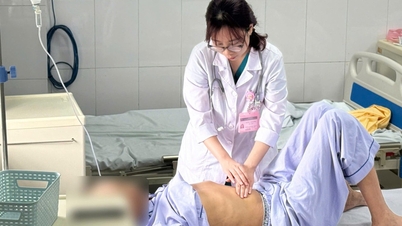
- Abdominal massage: Massaging the abdomen stimulates bowel movements, promoting a healthy digestive system . Perform a circular abdominal massage from right to left, repeating for a few minutes.
- Take a warm bath and relax: you can soak in a warm bath or use a shower. This helps relax the mind, reduce stress, and improve digestion.
- Eating plenty of fiber, from green vegetables and fresh fruits, effectively prevents constipation and bloating. An adult needs 30g of fiber per day. However, excessive or overly frequent fiber intake should be avoided as it can worsen bloating. If bloating persists (for more than 5 days), worsens, or is accompanied by abdominal pain, fever, vomiting, or bleeding, seek immediate medical attention for diagnosis and treatment.
Things to note:
Daily exercise is recommended to stimulate bowel movements; avoid sugary drinks and soda to reduce gas buildup in the stomach, which can affect digestion; limit chewing gum to minimize air intake; eat slowly and chew thoroughly, avoid overeating, and limit talking, watching TV, or using your phone while eating; reduce salt intake to reduce water retention; avoid excessive consumption of sugary foods such as cakes, candies, overripe fruits, milk, and dairy products; maintain a healthy lifestyle with a relaxed mind, moderate work, and sufficient sleep.
Doctor's advice



Although bloating and indigestion are common, in some cases, they can be warning signs of underlying medical conditions. Therefore, if bloating and indigestion are accompanied by the following symptoms, patients should see a doctor for timely diagnosis and treatment: Loss of appetite and changes in eating preferences; Frequent bowel movements; Blood or mucus in the stool; Persistent constipation ; Vomiting; Sudden weight loss ; High fever; Severe abdominal pain; Black, loose, or watery stools.
Dr. Nguyen Thi Phuong Anh
Source: https://giadinh.suckhoedoisong.vn/khac-phuc-chung-day-bung-kho-tieu-tai-nha-172250302110131038.htm


![[Photo] Prime Minister Le Minh Hung presides over the thematic session on promoting science and technology development and innovation.](https://vphoto.vietnam.vn/thumb/1200x675/vietnam/resource/IMAGE/2026/06/23/1782207872934_ndo_br_dsc-1724-jpg.webp)