

Indian tourists are causing Middle Eastern and Southeast Asian countries to race to attract them, but they have unique requirements due to their cultural and religious characteristics.
Economic growth has lifted millions of Indians out of poverty, and the number of Indian tourists traveling abroad reached 27 million in 2019, doubling in 10 years. According to The Economist , Indian tourists' overseas spending reached $33 billion in 2023, tripling over the past 10 years – and is projected to reach $45 billion by 2025.
"This is a huge potential customer base." "And with their high spending power, it's no surprise that everyone wants Indian tourists," Sudhir Upadhyay, CEO of TravB2B, which provides Asian travel services to more than 7,000 travel agents in India, told we.
Upadhyay believes India is the "most sought-after" source market right now. India has surpassed China to become the most populous country and will quickly catch up with China economically. He predicts the market for Indian international tourists will increase 5-6 times compared to the present in the next 8-10 years.
Over the years, China has become the world's largest source of tourists, and Western countries have adjusted their policies to attract them. However, Indian tourists have sparked a race among Middle Eastern and Southeast Asian nations.
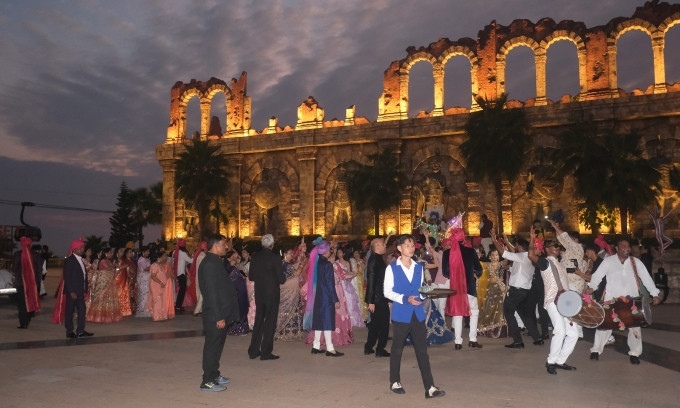
Thailand and Malaysia have waived visa requirements for Indian citizens. Other destinations have hired Bollywood stars as brand ambassadors – Abu Dhabi has Ranveer Singh, Dubai has Saif Ali Khan and Sara Ali Khan. Over the past decade, India sent around one million tourists to Thailand annually. In the first half of 2024, the number of Indian visitors to Thailand reached one million, with many Indians traveling abroad for the first time.
In Vietnam, the Indian market is also attracting attention from many businesses as the number of visitors is showing growth. According to the Vietnam National Tourism Administration, Vietnam welcomed 392,000 Indian tourists in 2023, an increase of over 230% compared to 2019. In the first six months of this year, Vietnam has welcomed over 231,000 visitors from this market, an increase of nearly 165% compared to the same period last year.
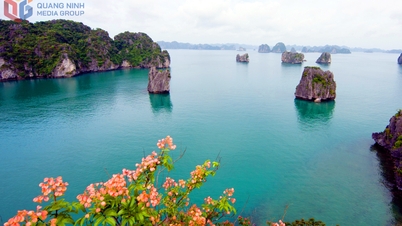
Starting on August 26th, Vietravel welcomed a group of 4,500 Indian tourists from Sun Pharmaceutical Industries Limited to Vietnam. The group was divided into six smaller teams, traveling from Hanoi to Ha Long and Ninh Binh in separate groups until September 7th. Marketing Director Nguyen Nguyet Van Khanh stated that the company highly values the potential of the Indian market and has been actively promoting it since 2018.
Before the pandemic, the Indian tourist market was not heavily exploited due to the limited number of direct flights, and Indian tourists at that time preferred traditional destinations such as neighboring countries and the Middle East, showing little interest in Vietnam. On the other hand, travel agencies in Vietnam focused on exploiting markets with a solid foundation such as China, South Korea, the US, Australia, or Europe.

Following the pandemic, India's economy experienced strong growth, and the middle class rapidly expanded, leading to high demand for tourism. The traditional tourist market fluctuated, requiring a diversification of new customer sources, which prompted travel agencies to invest more heavily in attracting Indian tourists. Currently, Indian tourists account for 16% of Vietravel's total international visitors – a significant increase compared to before the pandemic.
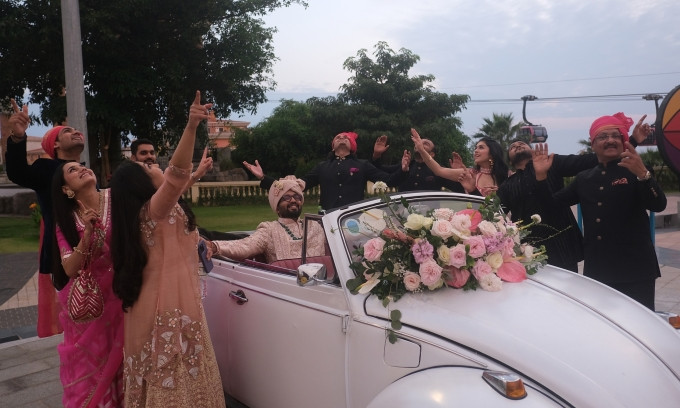
According to According to The Economist , the driving force behind Indian overseas travel lies in demographic and economic factors. Those aged 25-34 are the most inclined to travel, and 20% of the country's population will soon enter that age group. The middle class is projected to double by 2047, and the number of Indian passport holders has increased from 52 million a decade ago to 93 million this year. Indian travelers are opting for neighboring countries rather than Europe.
Compared to Chinese tourists, Mr. Upadhyay believes that Indian tourists are more receptive to foreign destinations due to their good English skills and cultural background influenced by both Eastern and Western cultures. Therefore, they adapt quickly and transition from group travel to independent travel. Independent travelers tend to be more adventurous and willing to spend more than those traveling in groups.
To cater to this group of tourists, tour operators need to conduct thorough research because they have unique cultural characteristics. For example, Vietravel's upcoming group of 4,500 tourists has specific food requirements to suit their beliefs and religions. Additionally, they want a minimum of three tour guides for each group of 30-35 people to ensure the best experience. The selected guides must all speak Hindi, and introductions at tourist attractions, usually in English and Vietnamese, need to be translated into Hindi.
"Services such as tour guides fluent in Hindi, restaurants serving Indian food, and knowledge of Indian culture are lacking in Vietnam," Ms. Khanh said.
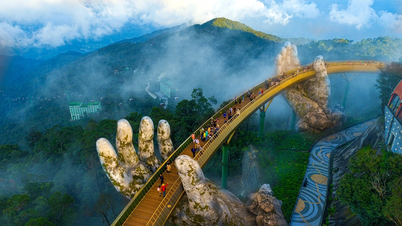
In Vietnam, Ms. Khanh pointed out that the top destinations for Indian tourists are Hanoi, Ha Long, Ninh Binh, Da Nang, and Hoi An. Tourists from this country prefer cultural, spiritual, and beach resort destinations for 5-7 day holidays, often choosing 3- to 5-star hotels.
Mr. Upadhyay added that the most important factor in attracting Indian tourists is visa-free entry or easy visa application. Indian tourists don't plan their trips well in advance, so countries with easy entry policies will be more appealing to them.
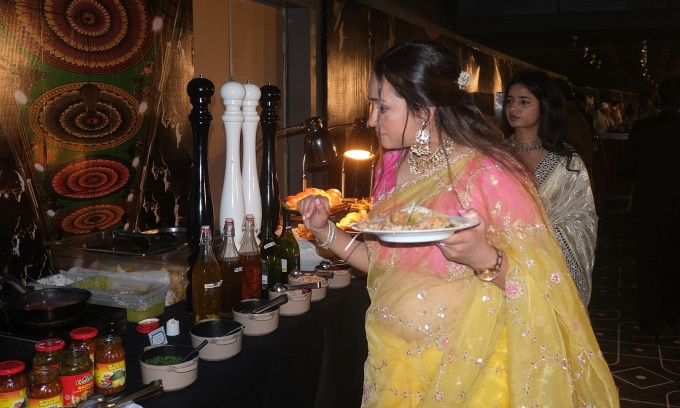
Cuisine is equally important because Indian eating habits are complex. TravB2B representatives estimate that 30% of Indian tourists are vegetarian, while 70% eat meat "selectively," meaning they still eat meat but only chicken, lamb, and fish, avoiding beef and pork due to religious reasons, and also not liking seafood.
Meanwhile, the Jain community in India is vegetarian but excludes certain plants like onions and garlic. Many vegetarians may not enjoy vegetarian food at restaurants that also serve non-vegetarian dishes. Therefore, when hosting Indian tour groups, restaurant arrangements are a crucial consideration. Independent travelers, on the other hand, prefer to experience local cuisine and are willing to try local dishes as well.
"Whether vegetarian or not, Indian tourists love food, and most problems during their trip can be solved with a free, delicious meal," Upadhyay suggested.

India's peak tourist season is typically from April to June, when students are on school holidays, and during the Diwali festival – usually from October to November, according to Upadhyay.
Indian tourists have diverse spending habits, and companies can choose which segment to target depending on scale. At TravB2B, they don't cater to backpackers, primarily targeting those staying in 3-star hotels (20-25%), 4-star hotels (40-50%), and 5-star hotels (15-20%). Mr. Upadhyay said that low-spending tourists tend not to change their itineraries and are easier to serve. Meanwhile, the new middle class has higher spending power.
Regarding the luxury segment, he shared that in this country, every customer wants to maximize the value they receive for their money, so high-end customers bargain just as much as regular customers. Furthermore, the luxury tourism industry in India is experiencing fierce competition as many businesses seek to dominate the market. Therefore, service providers targeting the luxury segment need to offer unique and exceptional experiences.
According to a representative from Vietravel, to attract Indian tourists, travel businesses need to cooperate with tourism and diplomatic agencies and local partners to promote Vietnamese culture and destinations. In addition, promotional campaigns need to be intensified to affirm Vietnam as an attractive destination for Indian visitors.
Source




































![[Video] Sunset at Lap An Lagoon – Where the sun sets over the fishing nets](https://vphoto.vietnam.vn/thumb/1200x675/vietnam/resource/IMAGE/2026/05/31/1780192137701_beach-landscape-sea-water-nature-grass-745871-pxhere-com.jpeg)

























Comment (0)