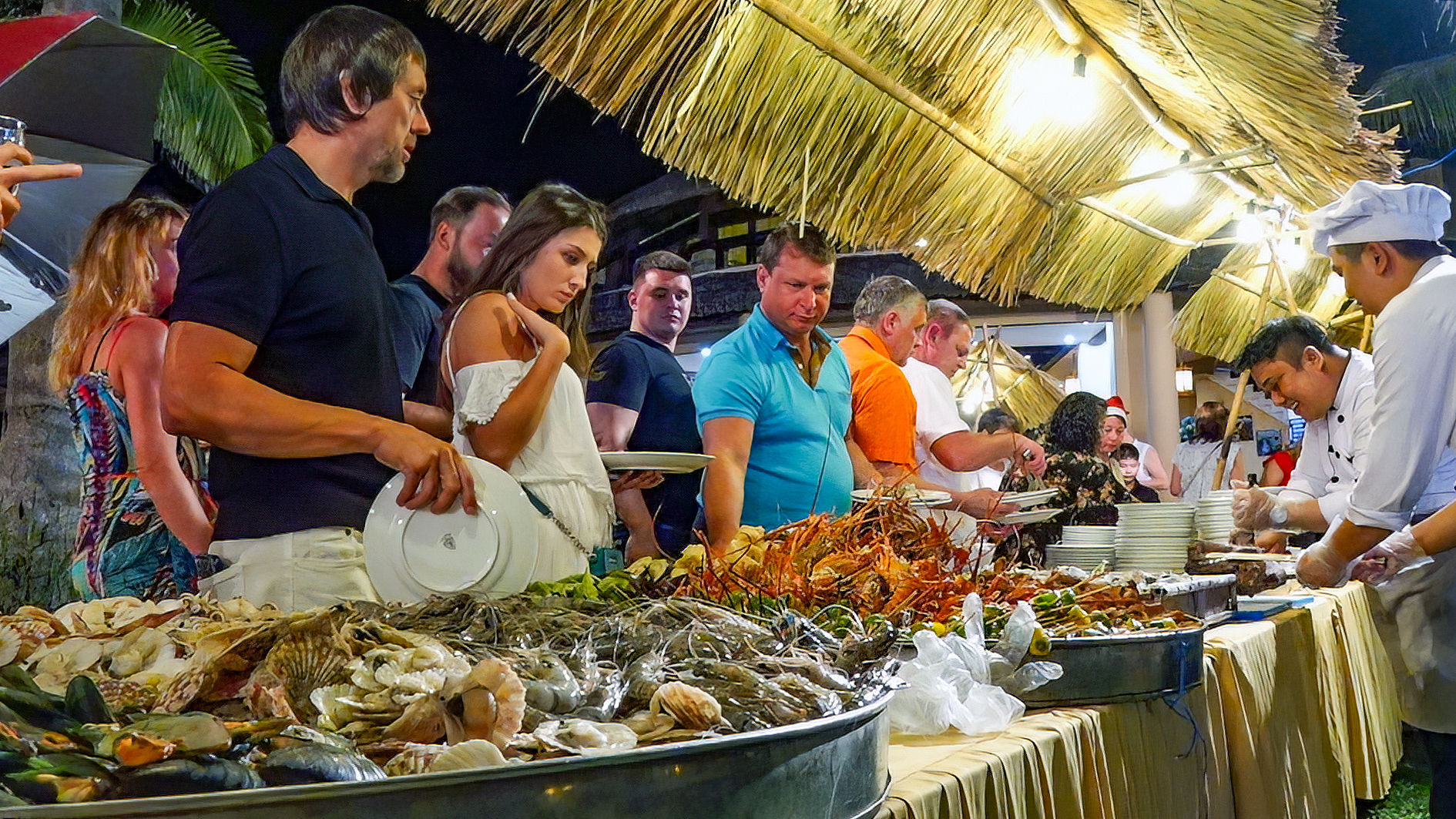
Following the taste of the sea
Coastal cuisine not only satisfies culinary desires but also reflects the lives of fishermen, their fishing practices, and the culture of fishing villages. Therefore, many coastal localities are exploiting their cuisine as a tourism product to promote their identity and create livelihoods for the people. For many tourists, the journey of discovering a region often begins with the markets, small eateries, and the distinctive flavors of local dishes.
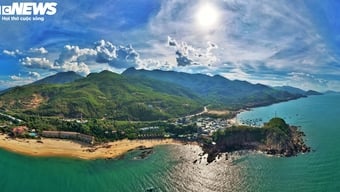
In recent years, besides its natural beauty, one of the attractions for tourists visiting Phan Thiet - Mui Ne in particular and eastern Lam Dong in general is the appeal of its cuisine, especially seafood. Interestingly, tourists not only enjoy famous delicacies such as lobster, crab, conch, clam, and scallop, but also fondly remember very simple, everyday dishes.
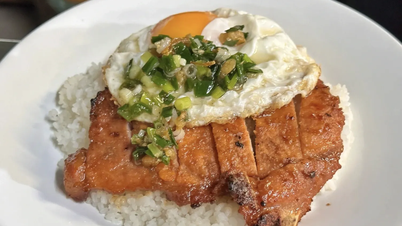
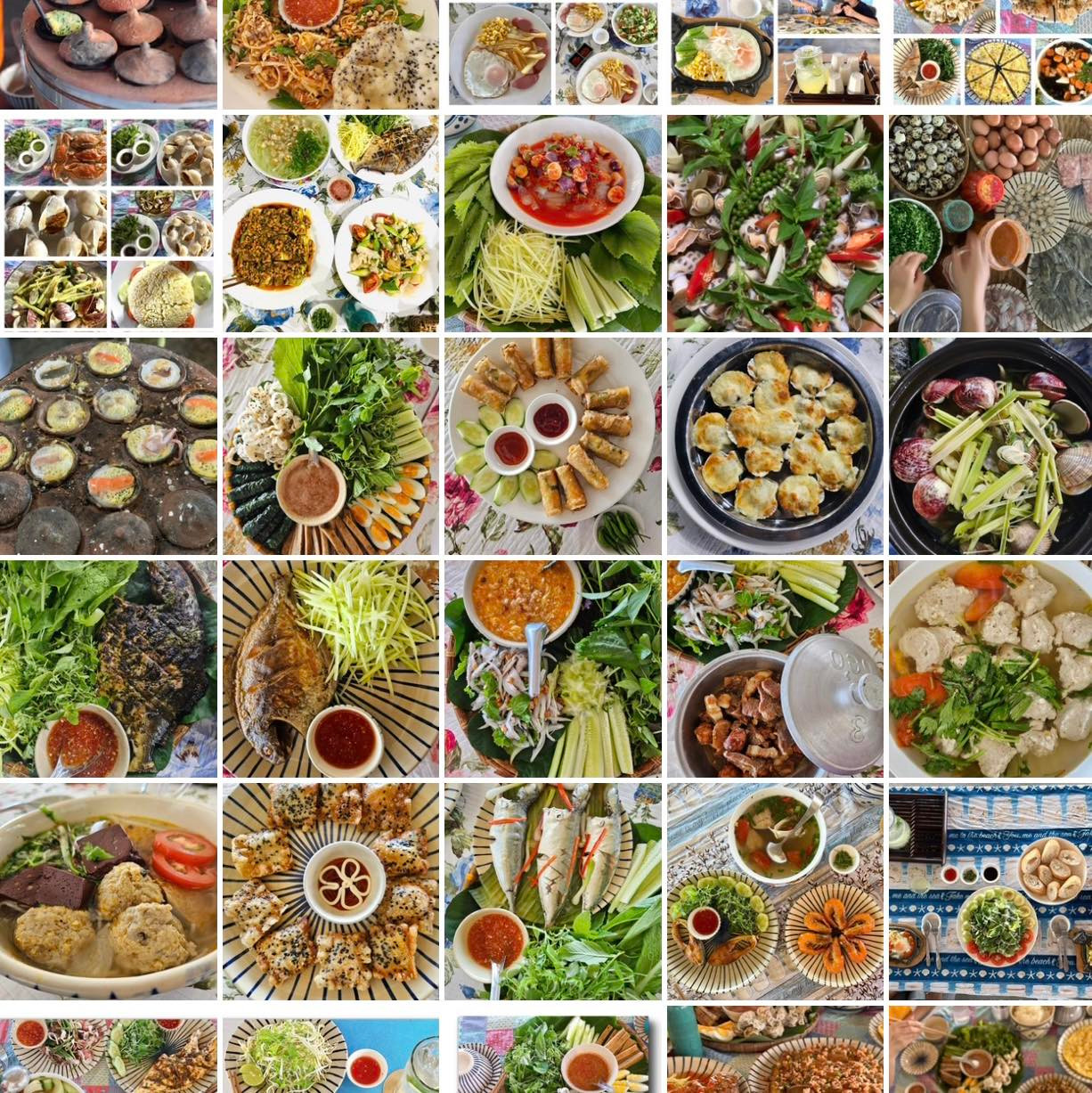
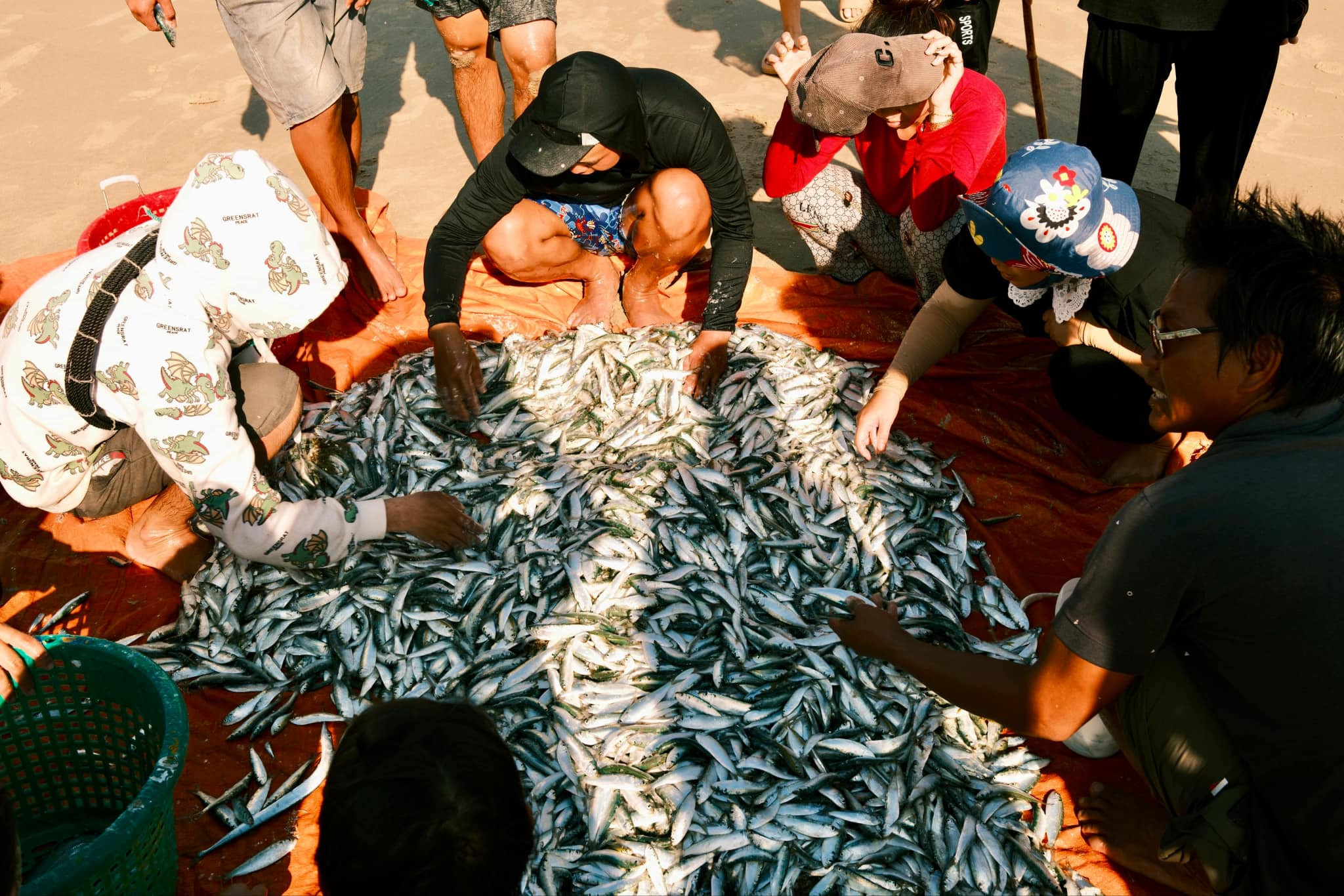
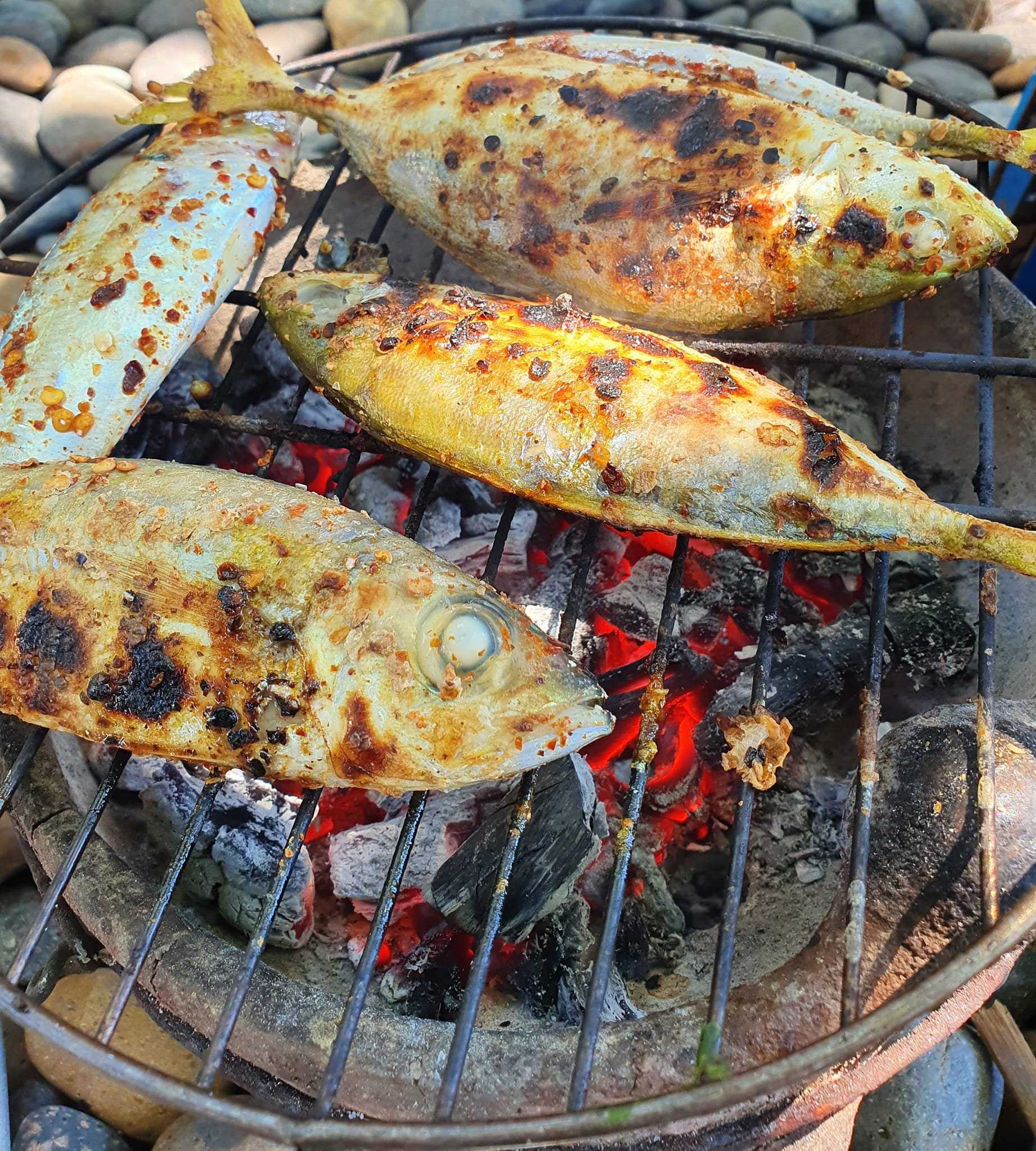
Every summer, the family of Ms. Nguyen Thanh Ngoc (Ho Chi Minh City) makes sure to visit Binh Thanh fishing village (Lien Huong commune) because she loves the dishes prepared by the homestay owner near the Seven-Colored Rock Beach. Although they are simple, rustic dishes like fried fish with fish sauce and unripe mango, fish cake wrapped in rice paper, scad fish salad, instant noodles with squid, grilled fish, grilled scallops with scallion oil… the freshness and deliciousness of the seafood caught that day have left a lasting impression on her family after each trip.
According to Ms. Thuy Ninh, owner of Nha Soi homestay (Lien Huong commune), summer is the time when seafood in the fishing village is abundant, making it easy for tourists to buy fresh shrimp, fish, and squid at reasonable prices and have the accommodation prepare them into many delicious dishes. This is also one of the reasons why many tourists return. Through these rustic seafood dishes, the people of the fishing village are telling the story of their homeland, preserving and spreading the beauty of coastal culture to tourists.

We need more events to promote Vietnamese cuisine.
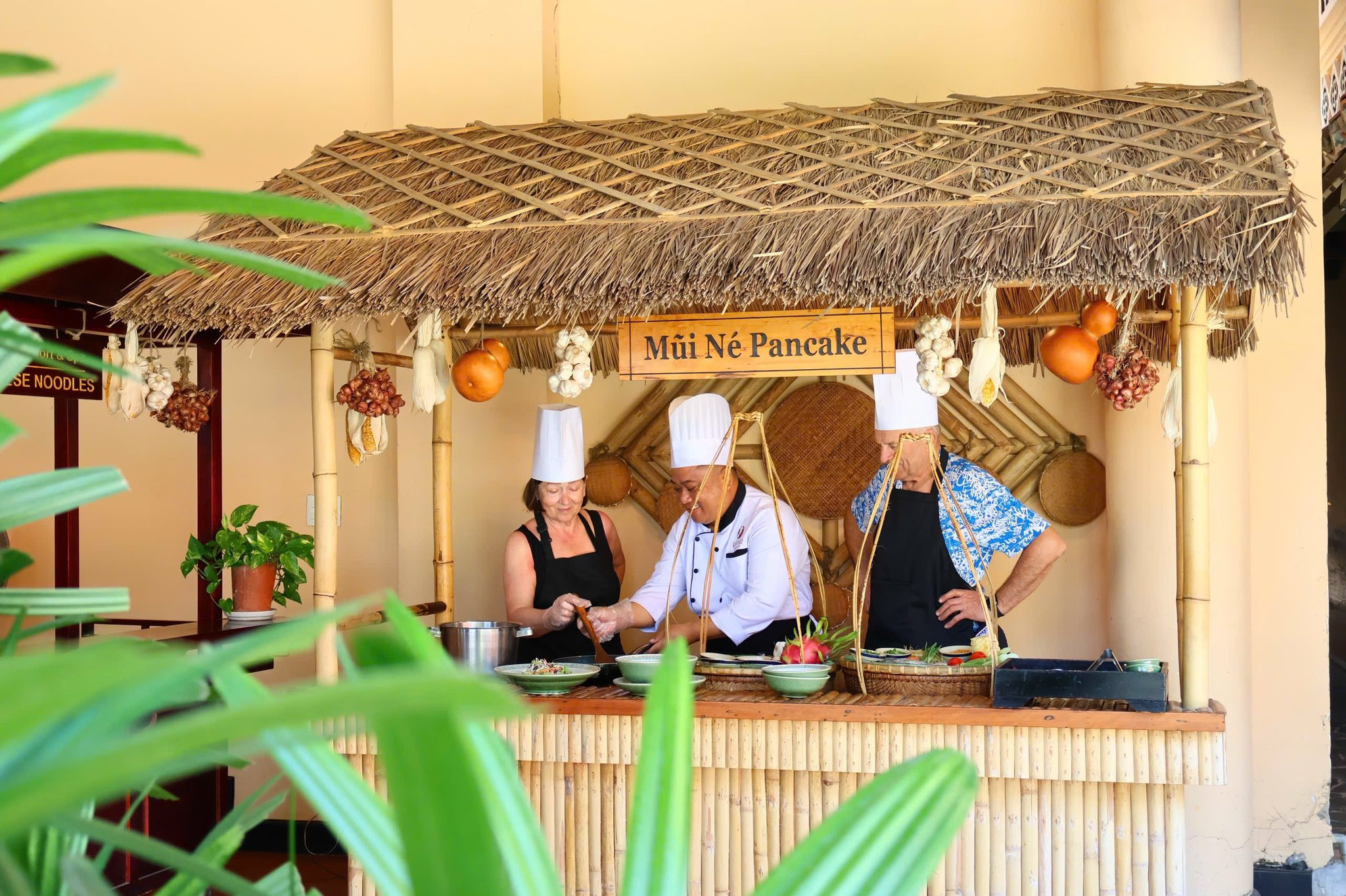
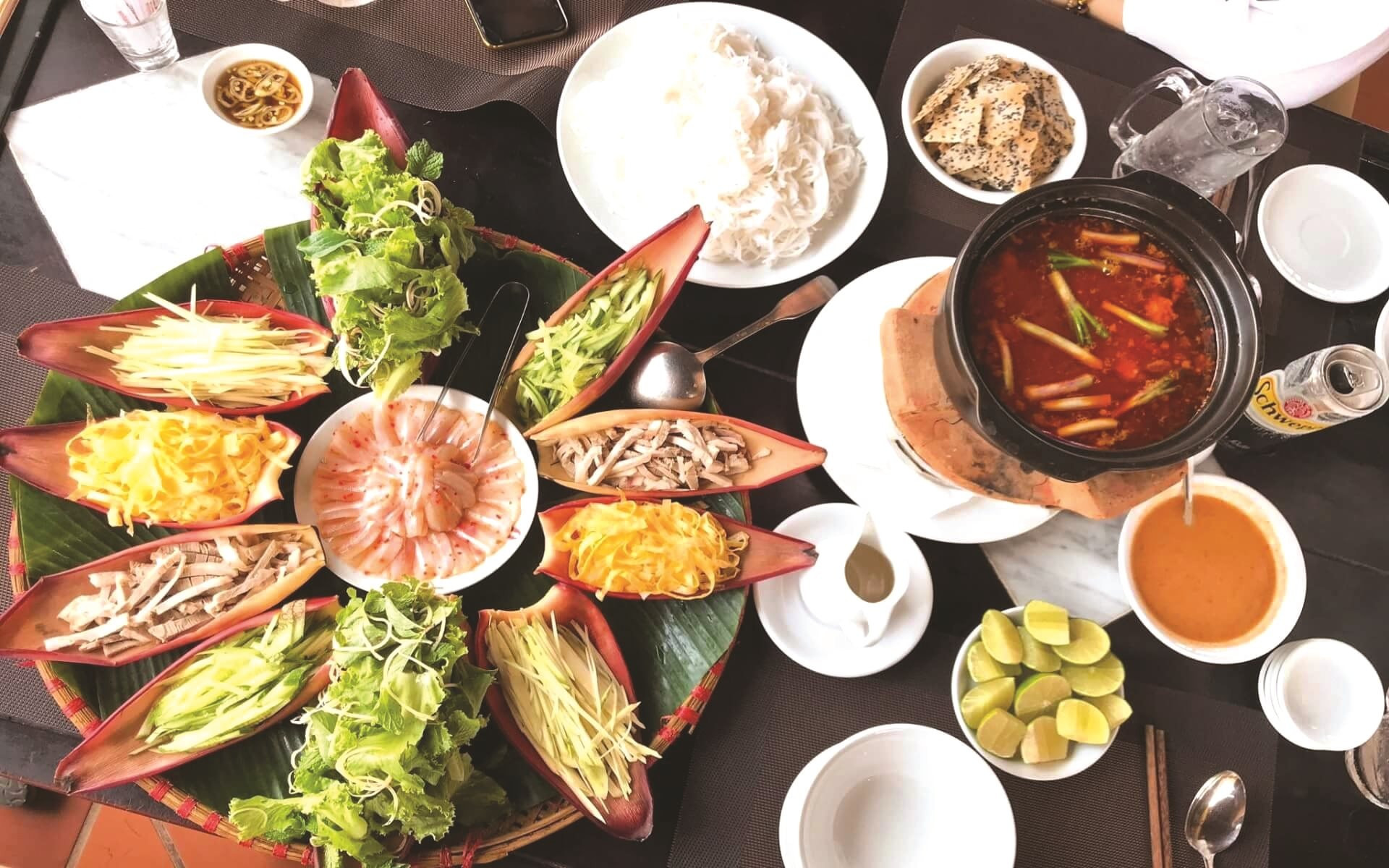
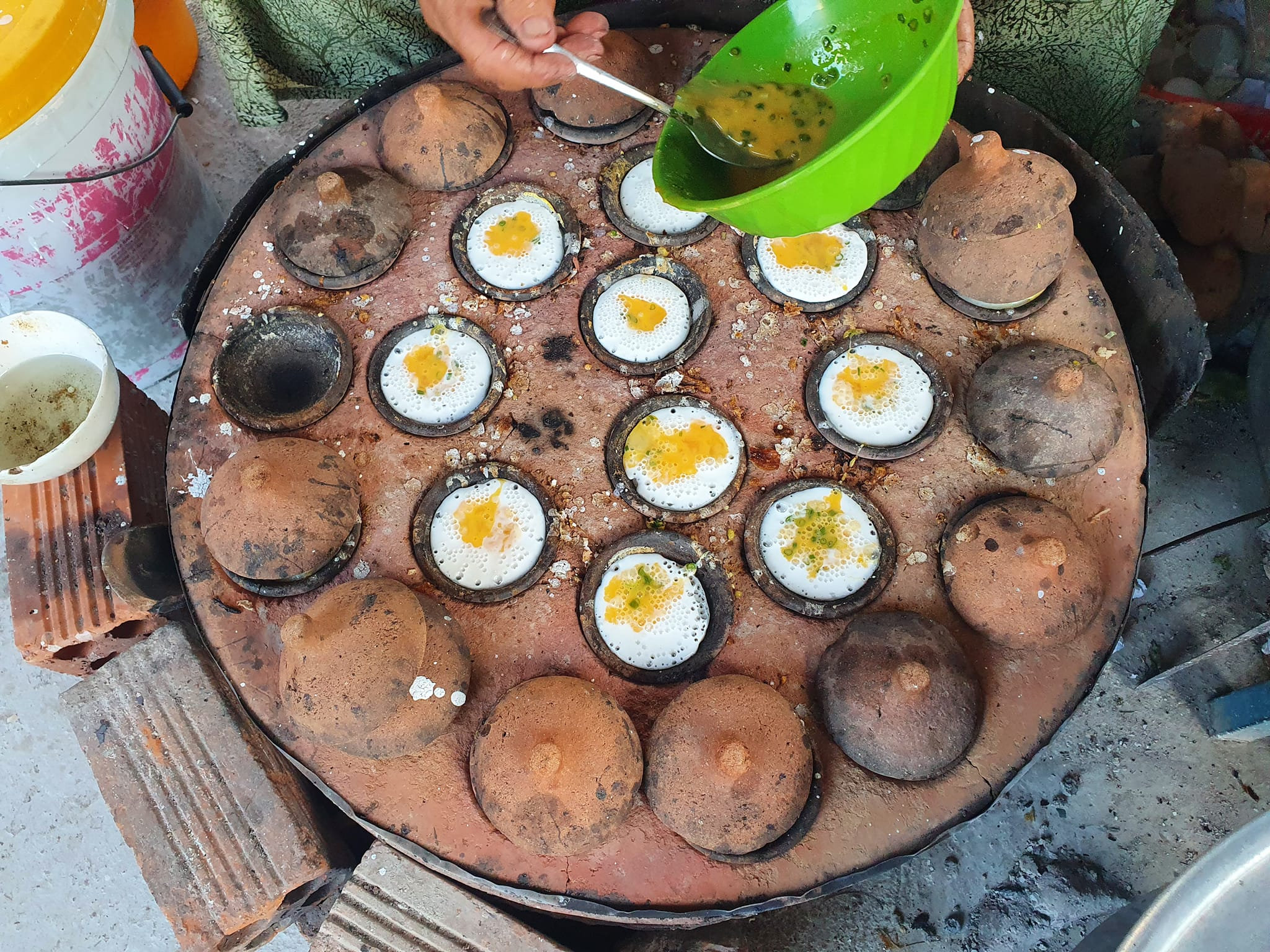
Recently, the province has organized events combining food fairs to promote tourism and attract visitors. At the same time, tourist destinations and high-end resorts have included local specialties such as fish salad, hot pot, banh can (rice flour pancakes), banh xeo (Vietnamese savory pancakes), banh canh (rice noodle soup), etc., on their menus.
In addition, many resorts incorporate Cham culture and cuisine into their experiential activities, recreating traditional dishes or organizing rice cake-making sessions during Tet (Lunar New Year). This contributes to promoting the image, people, and unique cultural values of the locality to domestic and international tourists.
There needs to be collaboration between the tourism industry, the cultural sector, local communities, chefs, and tourism businesses to create larger-scale, regularly organized, and clearly recognizable programs.
Mr. Nguyen Hoang Nghi, Vice Chairman of the Binh Thuan Culinary Association
However, culinary promotion activities remain fragmented, and the ripple effect is not yet strong. Mr. Nguyen Hoang Nghi, Vice Chairman of the Binh Thuan Culinary Association, stated: “Lam Dong possesses enormous culinary potential, but it has not been exploited to its full potential. Many distinctive dishes and cultural values of local cuisine have not yet been systematically developed and presented in an engaging way to become unique tourism products.”



According to Mr. Nguyen Hoang Nghi, the locality could develop seafood food weeks, Cham food festivals, culinary exploration tours of fishing villages, or cooking experiences with fishermen. With collaboration between different entities, cuisine will become a distinctive tourism product, helping to retain tourists, enhance the value of the destination, and create a unique identity for Lam Dong tourism.
Source: https://baolamdong.vn/khi-am-thuc-niu-chan-du-khach-446409.html
![[Photo] Prime Minister Le Minh Hung presides over the thematic session on promoting science and technology development and innovation.](https://vphoto.vietnam.vn/thumb/1200x675/vietnam/resource/IMAGE/2026/06/23/1782207872934_ndo_br_dsc-1724-jpg.webp)


![[Image] Paris's oldest bridge goes viral after transforming into a giant cave.](https://vphoto.vietnam.vn/thumb/1200x675/vietnam/resource/IMAGE/2026/06/24/1782283441197_ndo_br_dsc05314-jpg.webp)