When village gates become "obsessed" with... Chinese characters.
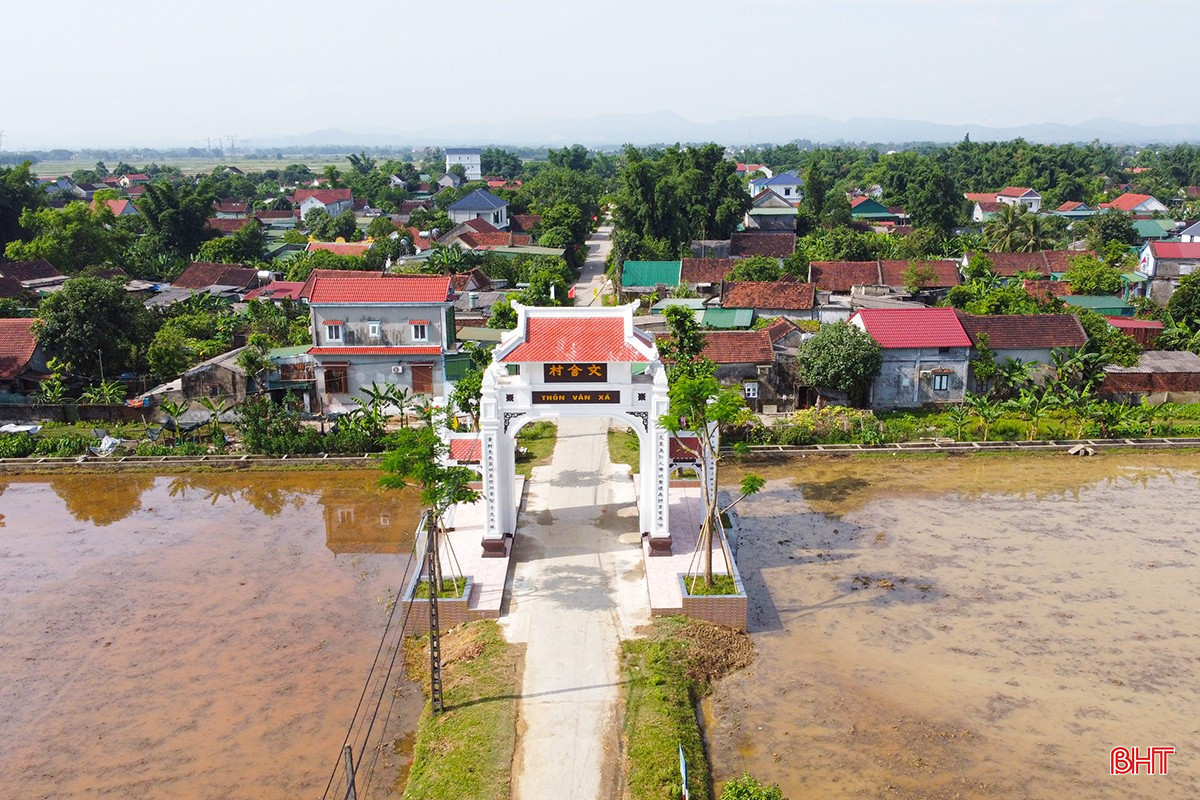
(Baohatinh.vn) - The gate of Van Xa village (Lam Trung Thuy commune, Duc Tho district, Ha Tinh province) was recently built, but the prominent display of the village name and couplet in Chinese characters has sparked some disapproval.
Báo Hà Tĩnh•12/06/2025
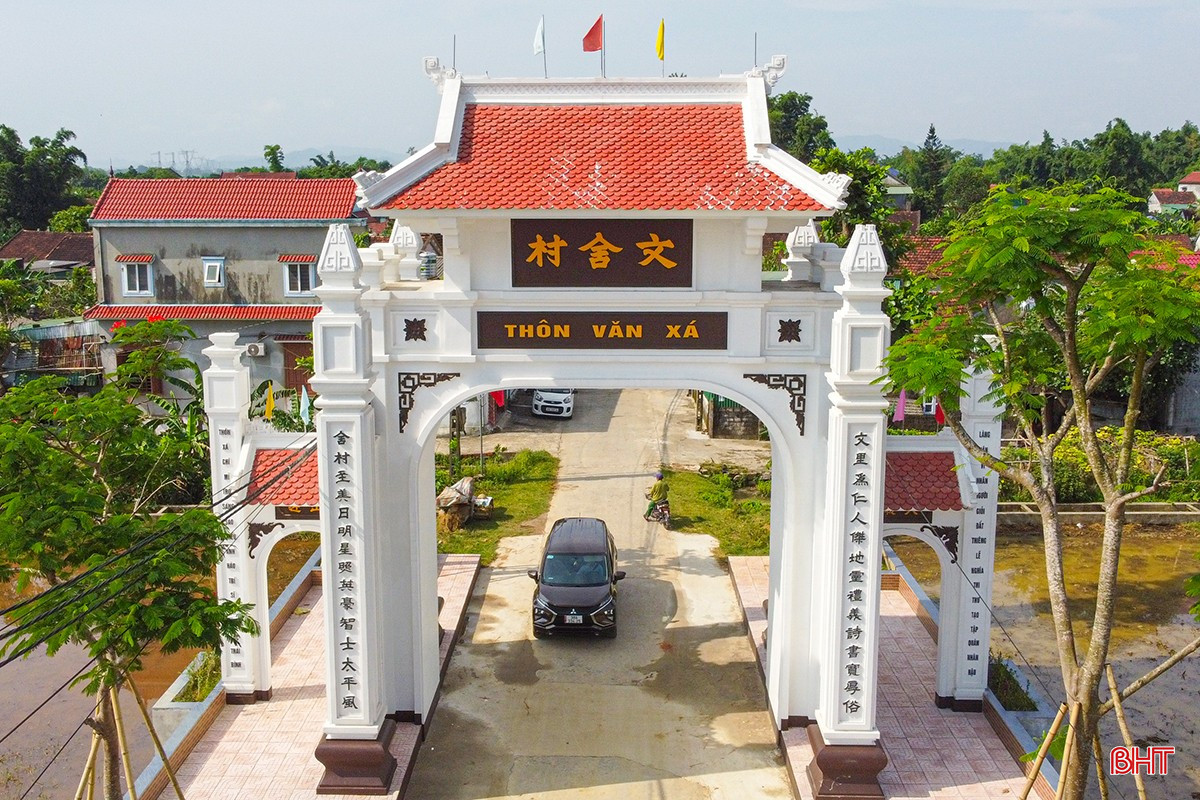
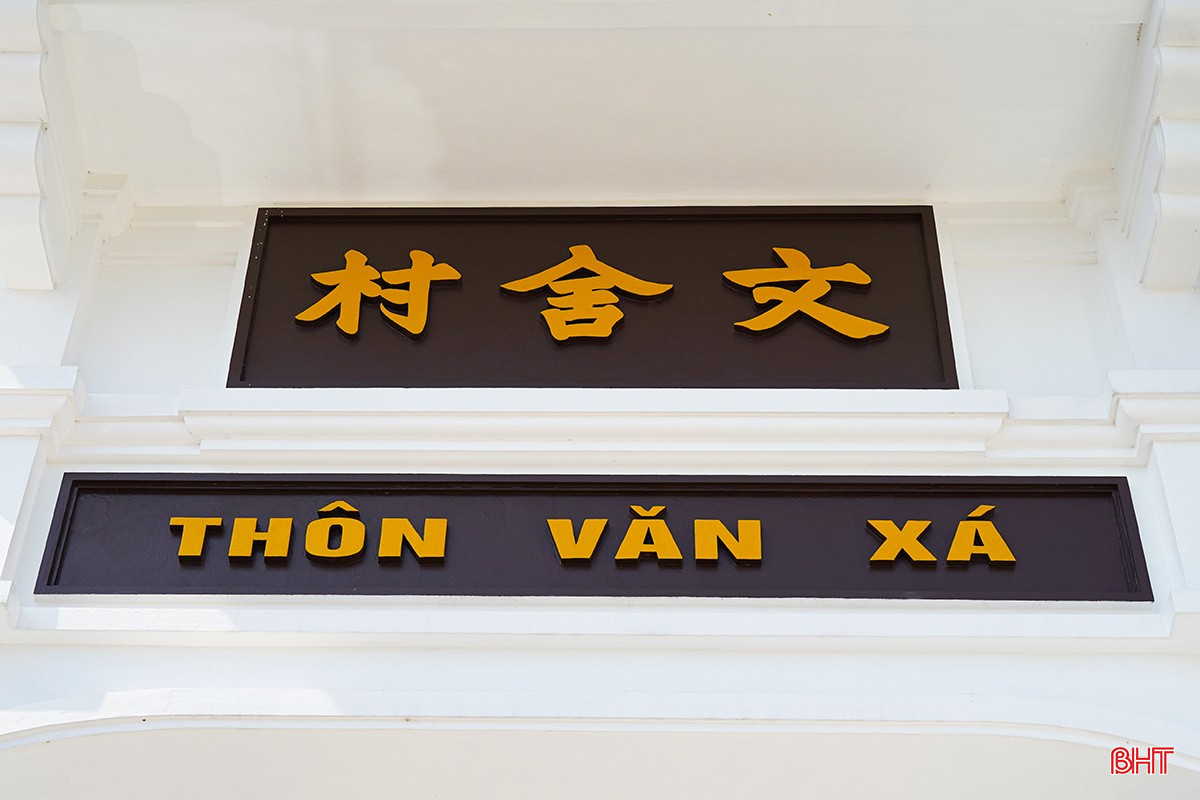
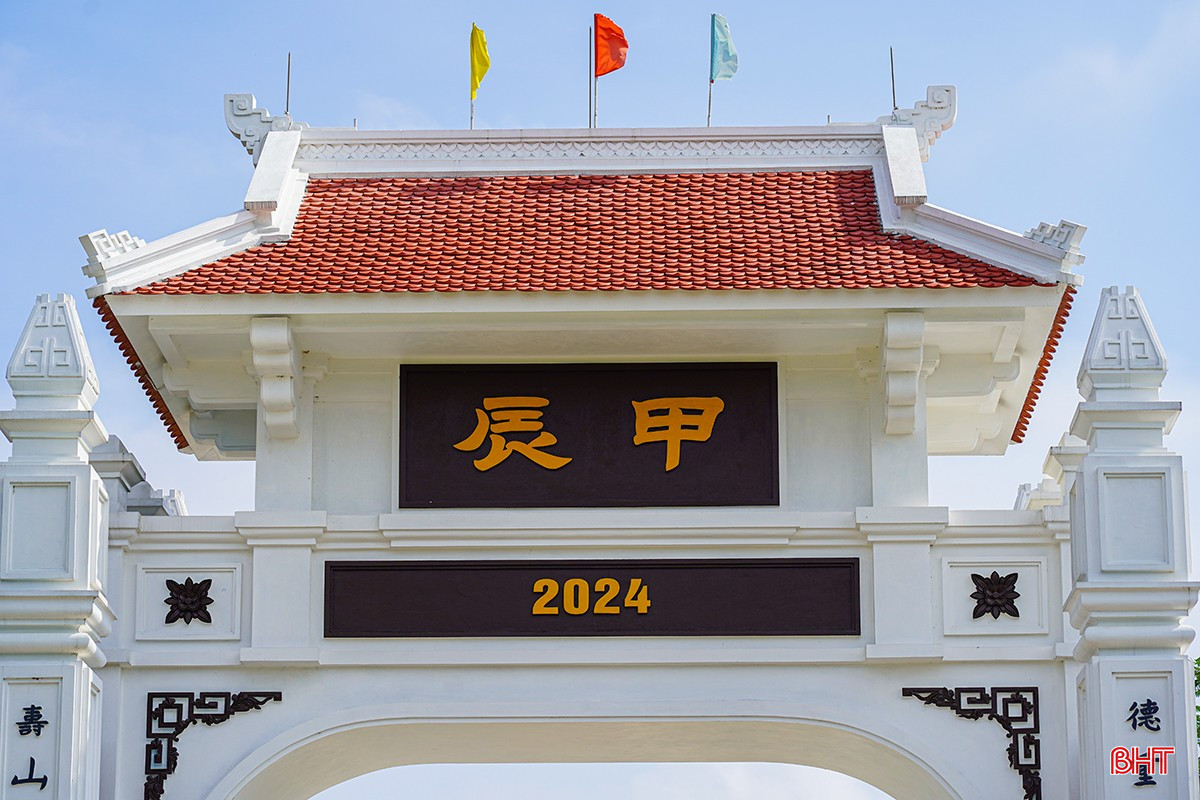
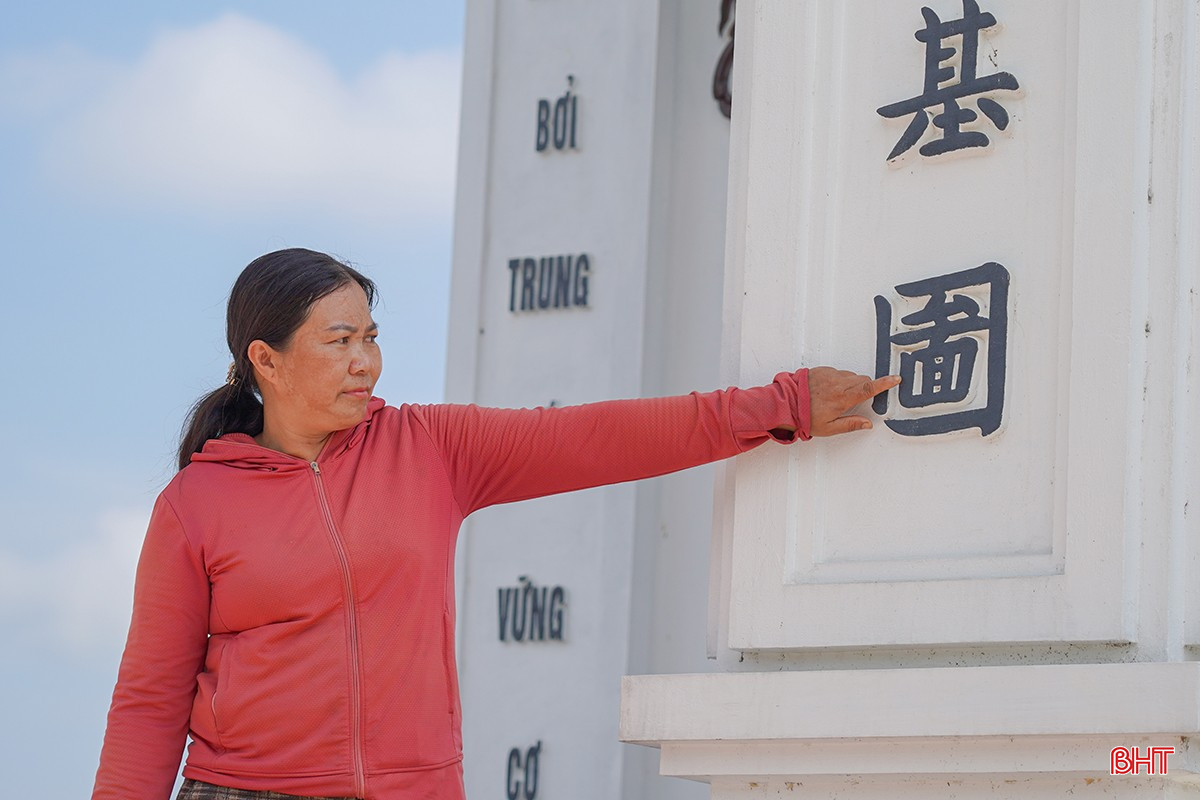
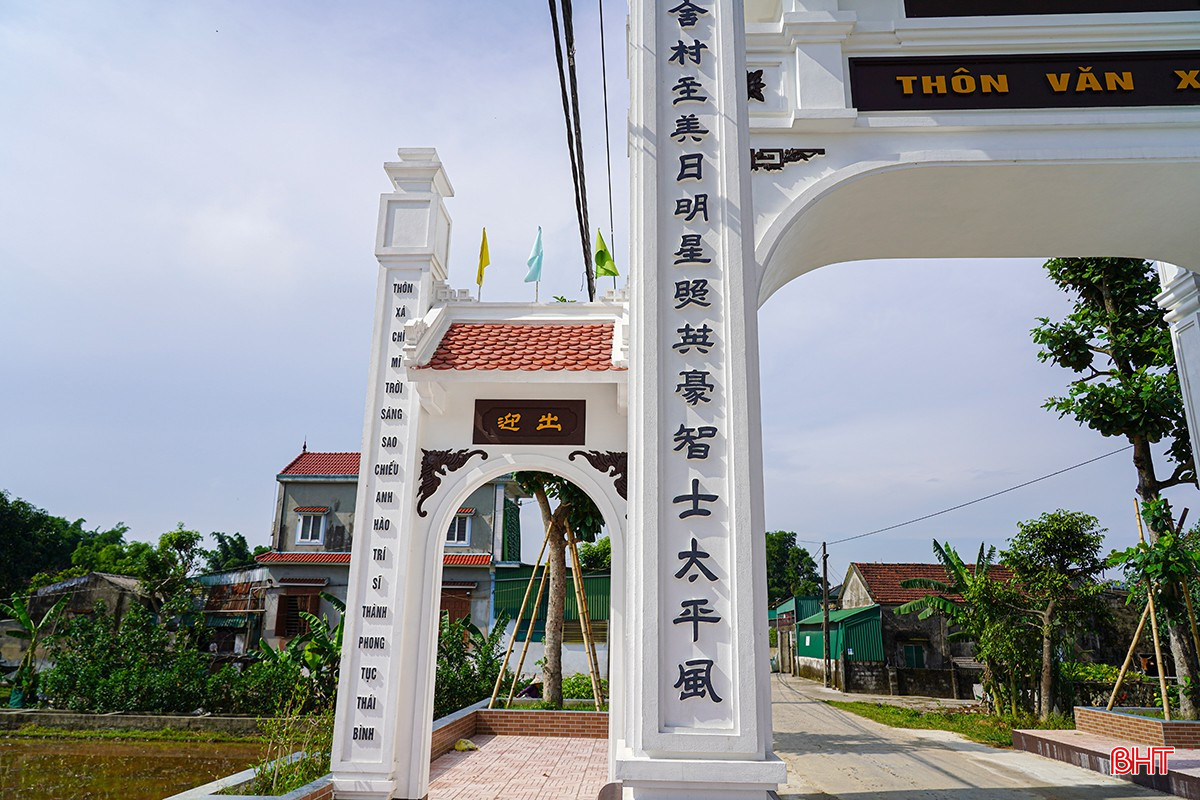
The gate of Van Xa village (Lam Trung Thuy commune) was constructed between June and November 2024. The gate consists of three entrances: a main gate 6 meters wide; and two side gates, each 1.2 meters wide. The side gates are purely decorative and not used for entry. The main gate has four roofs (two main roofs and two gable roofs). The roofs are covered with red tiles, combined with white paint to create a harmonious structure. The gate is designed with two pillars, both shaped like pens. The main pillar and the front of the gate are inscribed with Chinese characters (traditional Chinese characters) running from the top to the bottom. The two side pillars are inscribed with Vietnamese characters. The main facade of the gate is painted dark brown, with large, yellow Chinese characters (traditional Chinese) at the top; below, the name "Van Xa Village" is written in smaller letters. Upon investigation, it was found that the village gate was fully funded by a resident of Van Xa village. The gate at the village entrance was completed at the end of 2024...
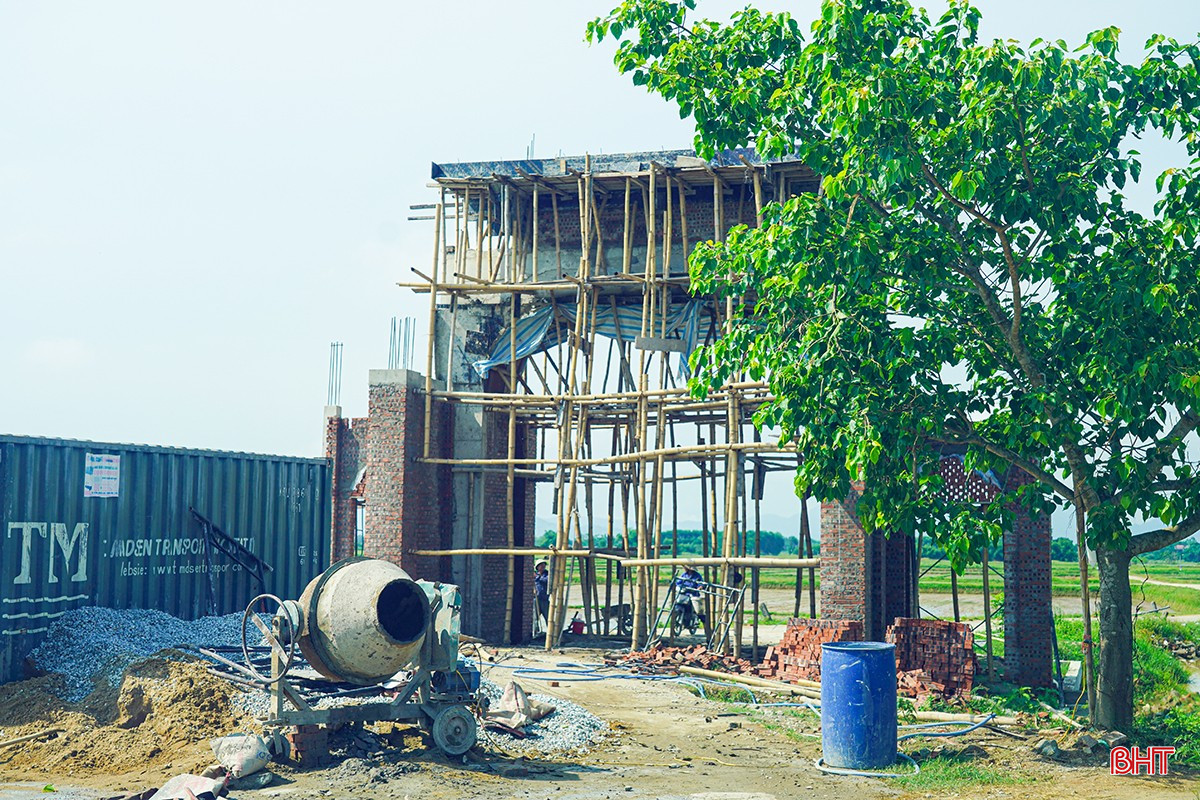
...the gate leading out of the village is currently under construction, with the frame being built. “Our villagers are very happy that the village gate has been built so grand and beautiful. It’s a source of pride for the whole village. However, most people don’t understand the large, embossed Chinese characters on the main pillars. Perhaps the smaller Vietnamese characters on the secondary pillars are a translation,” said Ms. Nguyen Thi Tam, a resident of Van Xa village. The fact that village gates primarily use Chinese characters, while Vietnamese characters are displayed in smaller sizes or as "translations," is somewhat inconvenient, as most people today, especially the younger generation, cannot read Chinese characters. Further investigation reveals that the translations also follow a Chinese-Vietnamese format, making them difficult for readers to understand.
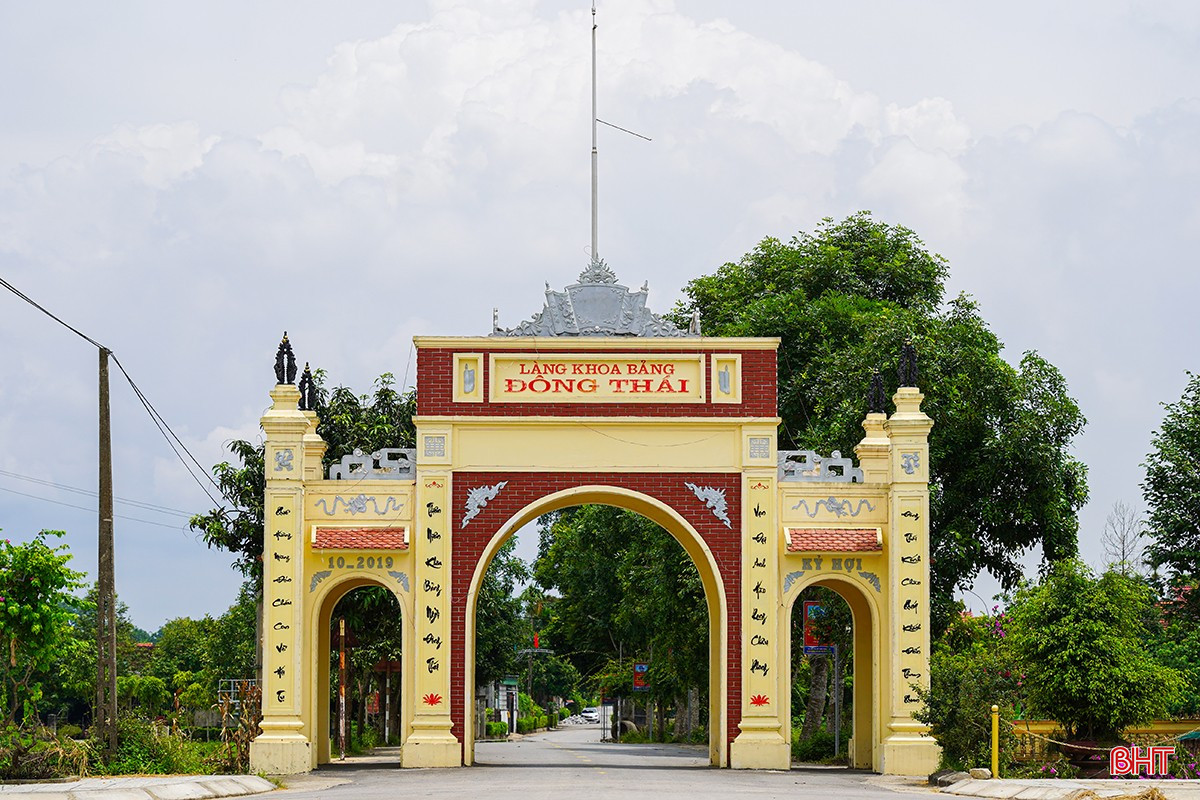
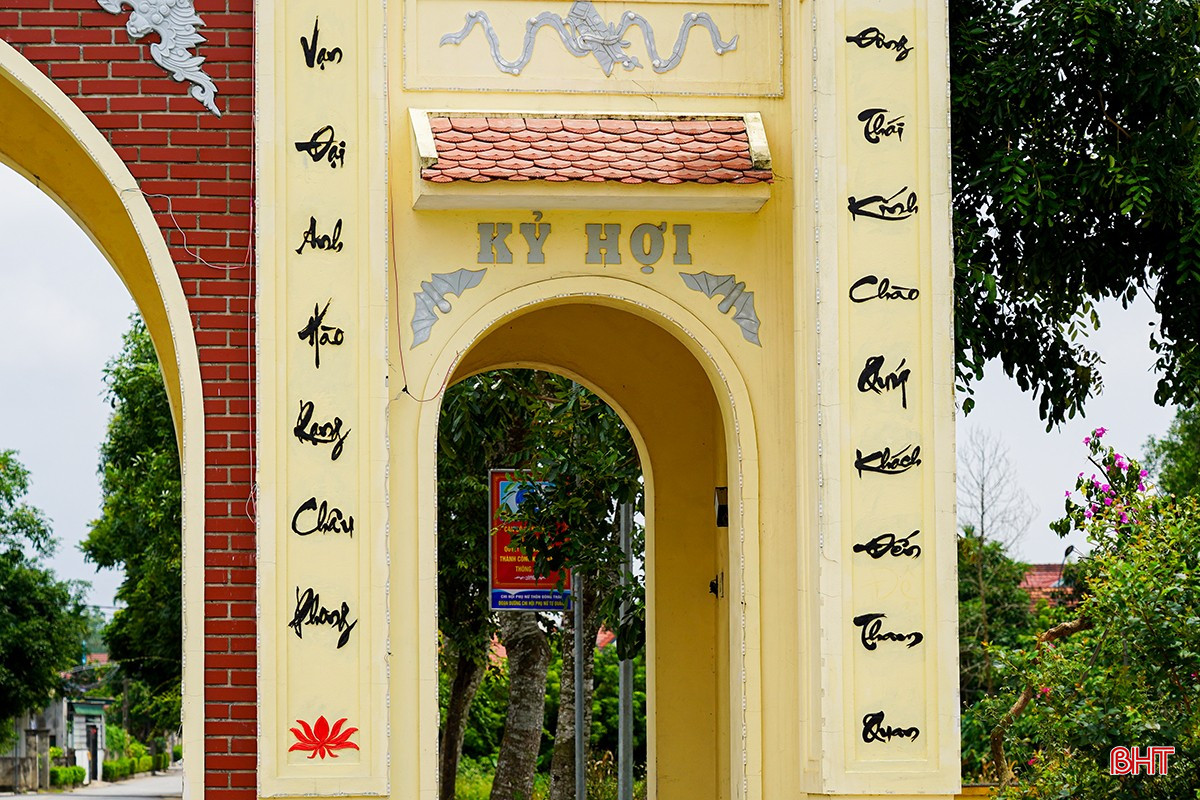
Also in Duc Tho district, at large-scale village gates such as those in Dong Thai village, known for its scholarly tradition, people still choose to express their cultural values using the Vietnamese Quốc ngữ script in a calligraphic style. This approach is considered more appropriate and contributes to preserving the essence of the rural landscape.According to Ms. Le Thi Huyen Trang, Head of the Culture, Science and Information Department (Duc Tho District People's Committee), the construction of the village gate is decided by the local authorities and the village. The department has not received any notification regarding the construction of the Van Xa village gate. If the construction proves unsuitable, we will propose modifications to ensure it conforms to local customs and traditions, and protects cultural and aesthetic values in the area.
The Chinese characters on the gate of Van Xa village were created using a computer, resulting in stiff, unnatural strokes. The Chinese characters on the main pillar and the "translation" on the secondary pillar are not entirely accurate, lacking clarity and conciseness. While Chinese characters are highly decorative, they are difficult for most people to understand. Currently, many village gates have opted for Vietnamese characters written in calligraphy, which is both more familiar and more suitable for the Vietnamese countryside.
Dr. Nguyen Tung Linh
Vice Chairman of the Ha Tinh Union of Literature and Arts
Video : The village gate in Duc Tho stands out with its Chinese characters.











































































Comment (0)