

Proactive approach from construction to early warning.
With the theme "Community working together to prevent and mitigate natural disasters," this message is put forth in the context of increasingly extreme and unpredictable natural disasters, with many weather phenomena exceeding historical levels in recent years.
From powerful storms, flash floods, and landslides to droughts and saltwater intrusion, natural disasters not only cause damage to lives and property but also directly impact the livelihoods and lives of millions of people. As risks arrive more quickly and unexpectedly, disaster prevention and control efforts cannot simply stop at responding after the incident. Early, proactive, and grassroots prevention has become an urgent requirement.
At Nam Pam stream in Son La province, Vietnam's first Sabo dam was inaugurated and put into operation a year ago. This area had suffered heavy damage in the flash floods of 2017.
The project is part of a cooperation project between Vietnam and Japan, aimed at improving the capacity to mitigate the risks of flash floods and landslides in the mountainous areas of Northern Vietnam. The dam is designed as an open structure, allowing water to flow through normally while retaining soil and rocks from upstream, limiting the risk of floodwaters carrying mud and rocks downstream to residential areas and structures.
Mr. Koike Toru, a JICA expert and project team leader, stated that this area was selected as a benchmark for calculating the planning of the Sabo dam system in the stream basin. This serves as a basis for determining the amount of sediment from upstream that can be contained, limiting its flow downstream during heavy rains and floods.
This pilot project provides Son La with a practical basis for evaluating the effectiveness of operation, maintenance, repair, and refinement of appropriate standards. According to Ms. Le Thi Thu Hang, Deputy Director of the Department of Agriculture and Environment of Son La province, the pilot project of Sabo Dam No. 5 helps local authorities monitor, evaluate, and learn from experience before implementing similar models in areas with suitable conditions.
Infrastructure is a crucial layer of protection in disaster prevention and control. However, infrastructure is only effective when placed within a comprehensive risk management system, encompassing planning, monitoring, warning, and organizing the evacuation of people in high-risk areas.
As natural disasters become increasingly extreme, each vulnerable community needs to be better equipped with information, skills, and response capabilities. Because in critical moments, proactive action at the grassroots level can help reduce damage and protect people's lives and property.
Communities are the frontline in disaster risk reduction.
Along with infrastructure and technology, the response capacity of the people plays a crucial role in mitigating damage from natural disasters. In many emergencies, local forces are the first to arrive, have the best understanding of the area, and are able to organize the initial response most quickly.
Mùa A Thi, the village head of Háng Pu Xi village, Xa Dung commune, Điện Biên province, is a prime example. Based on his practical experience in the area, he successfully evacuated 90 people from a landslide-prone zone. To this day, he continues to proactively monitor weather developments and remind villagers to take precautions when unusual signs appear.
Mùa A Thi shared that when he goes to rescue people, his greatest hope is that no one is harmed. That is also the motivation for him to continue staying in the area and promptly support people if a similar situation occurs.
The story from Xa Dung commune, Dien Bien province, illustrates that a timely warning and a proper evacuation decision can protect the safety of an entire community. In disaster prevention and control, the distance between safety and danger is sometimes measured in hours or even minutes. Therefore, understanding the local area, identifying risks, knowing how to report information, and organizing the relocation of people are indispensable skills at the grassroots level.
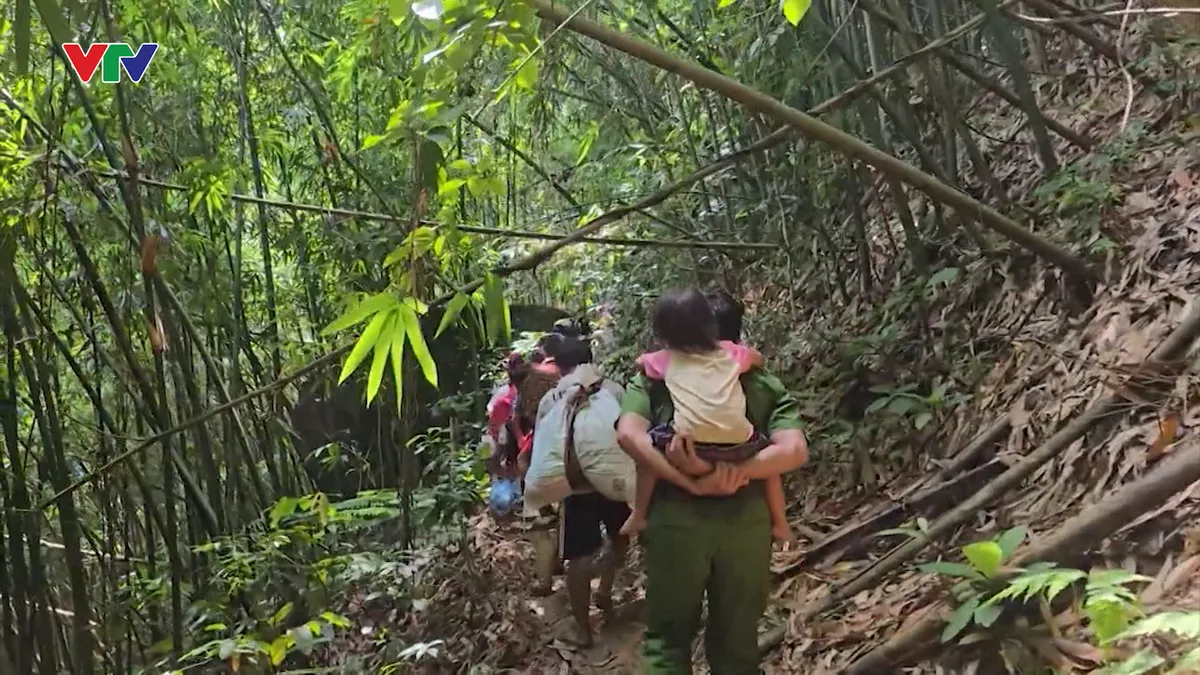
Emergency evacuation due to natural disasters.
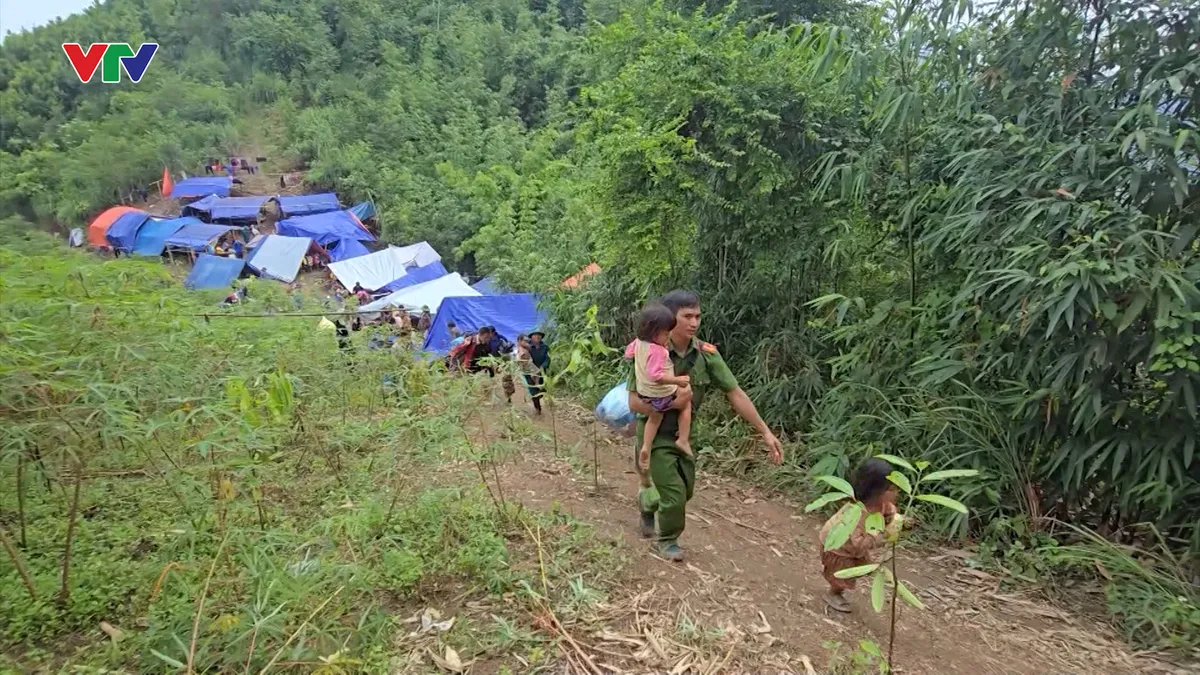
This is also a key requirement emphasized during the 2026 National Disaster Prevention and Control Week. People should not only be protected but also actively participate in preventing, detecting risks, and responding when disasters occur. From each household, village, and residential area, a proactive spirit must become a habit, instead of waiting until a disaster strikes before preparing.
Mr. Nguyen Van Tien, Deputy Director of the Department of Dike Management and Disaster Prevention and Control, Ministry of Agriculture and Environment, emphasized the principle of putting people and communities at the center and foundation of disaster prevention and control. Training should be conducted regularly to raise awareness and skills among the people; the content must be appropriate for each type of disaster, each region, and each target group. In addition, some models such as smart evacuation zones are also being implemented in the area.
Therefore, disaster prevention and control is not just about large-scale projects or weather forecasts. It's also about the self-protection capacity of each community. A citizen who knows how to identify signs of landslides, a village head who is familiar with evacuation plans, and a residential area that receives appropriate training in real-life situations are all first lines of defense against natural disasters.
As natural disasters become increasingly extreme and unpredictable, prevention must be one step ahead. Early warning systems must reach the people. Infrastructure must serve the right risk areas. Response skills must be regularly practiced, not just for show.
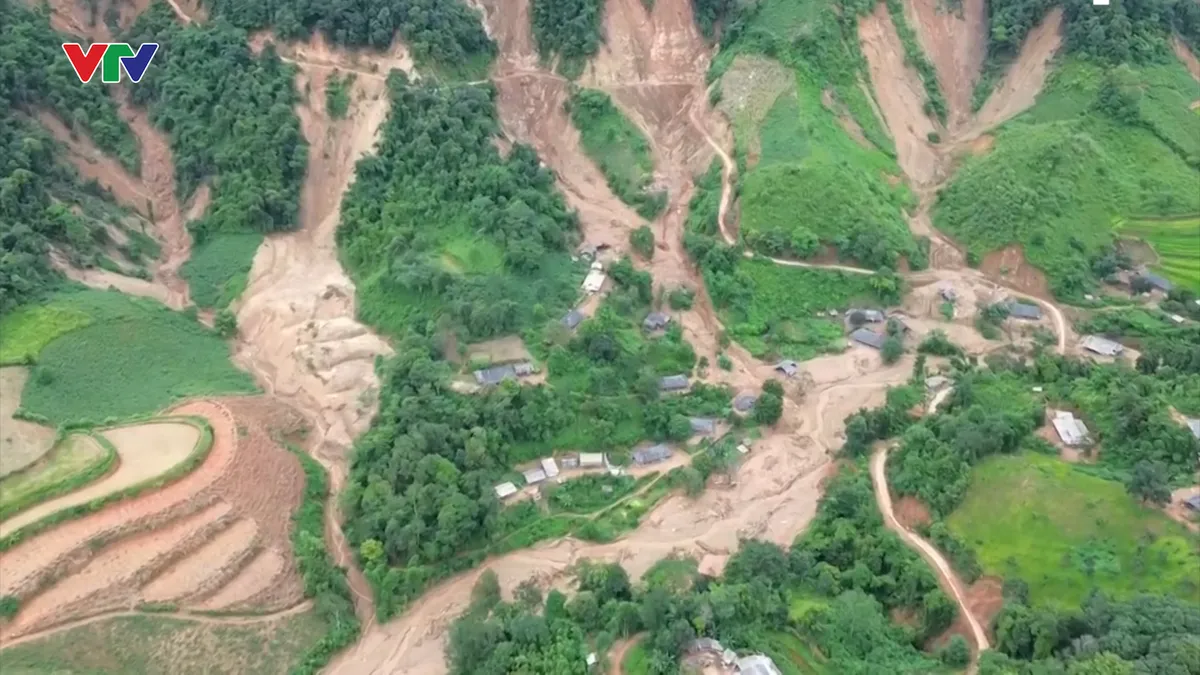
Natural disasters are becoming increasingly extreme.
The theme "Community Working Together to Prevent and Combat Natural Disasters" for the 2026 National Disaster Prevention and Control Week is therefore not just a propaganda message. It is a call to action. When infrastructure, science and technology, and the proactive participation of the people are connected in a unified system, the capacity to mitigate natural disaster risks will be significantly enhanced.
Natural disasters can strike unexpectedly. But damage doesn't necessarily have to be passively accepted. Proactive measures, starting early and at the grassroots level, with the community at the center, are the most practical ways to protect people's lives, property, and peace.
Source: https://vtv.vn/khi-thien-tai-khong-con-bao-truoc-100260521134605358.htm




























































































Comment (0)