

and a vision for 2045…
Early year outlook
Immediately after the Lunar New Year holiday of the Year of the Horse, Quang Ninh province vigorously launched its socio-economic development tasks for 2026 with the goal of achieving a 13% GRDP growth rate. Within this overall picture, port activities – one of the pillars of the maritime economy – have been vibrant since the early days of spring.
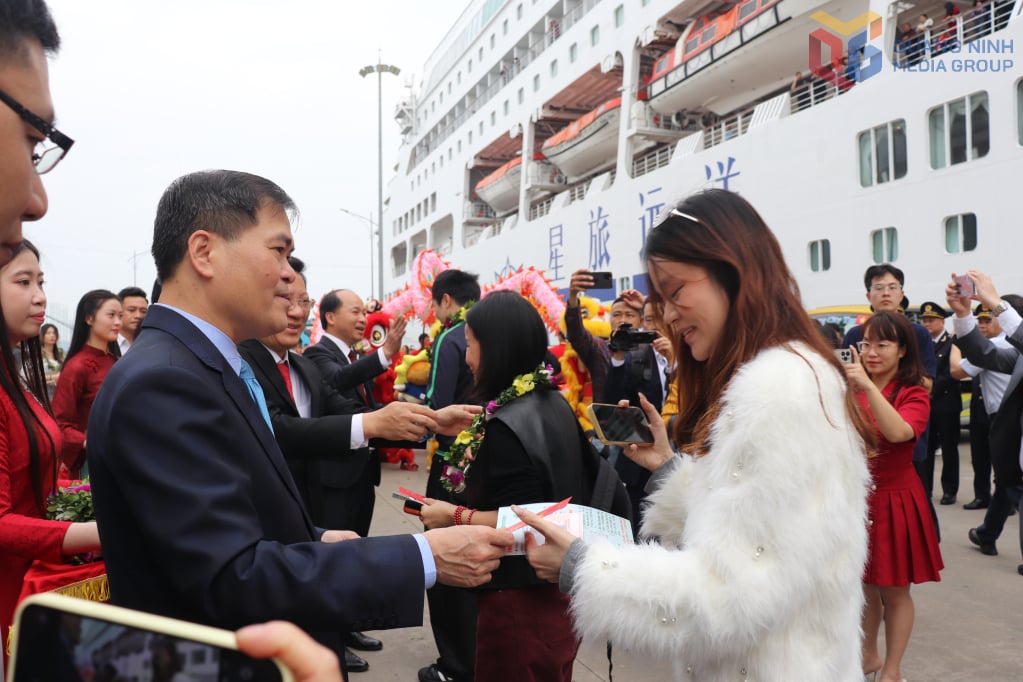
During the Tet holiday alone, ports, mooring buoys, and transshipment areas in the province received 3,088 ship calls, an increase of 181.9% compared to the same period last year; transporting nearly 3 million tons of goods and welcoming 18,789 cruise ship passengers. Notably, on the third day of Tet alone, Cai Lan port welcomed two ships with a total tonnage of nearly 80,000 tons for cargo handling. At Ha Long International Cruise Port, from the first to the fourth day of Tet, four international cruise ships arrived, bringing nearly 6,000 tourists. Representatives of cruise lines highly appreciated Quang Ninh 's comprehensive and well-developed transportation and tourism infrastructure, along with the diverse experiences that meet all tourist needs. The active coordination of Quang Ninh province and relevant units in ensuring all conditions for welcoming the ships also created a positive impression on tourists. This provides a foundation for shipping companies to strengthen connections and bring more cruise ships to Quang Ninh in the future.
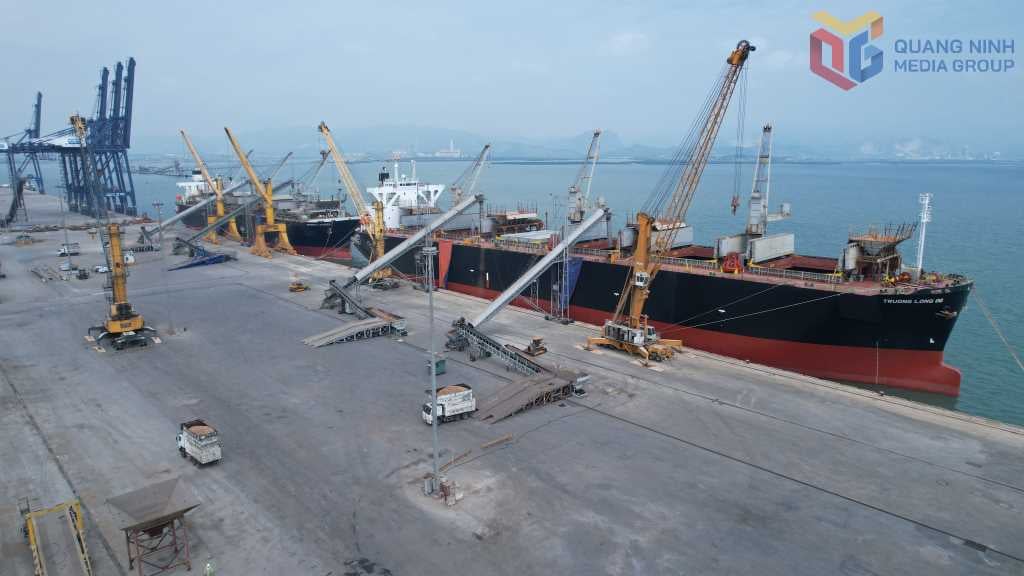
The impressive figures at the beginning of the year not only reflect the vibrant pace of operations but also demonstrate the organizational capacity, management, and professionalism of Quang Ninh's seaport system. Thousands of workers, engineers, pilots, quarantine officers, customs officials, etc., worked throughout the Tet holiday to ensure an uninterrupted supply chain. State management agencies in the maritime sector proactively developed flexible operational plans, improved service quality, and attracted more major shipping lines.
Notably, many new connections between port operators, shipping companies, and factories in industrial zones were established at the beginning of the year, expanding the logistics ecosystem. This is a significant step forward, helping Quang Ninh not only increase the volume of import and export goods but also gradually assert its role as a regional transit hub.
In 2025, the volume of goods handled through Quang Ninh's seaport system is expected to reach over 161 million tons, a 7.94% increase compared to the previous year. With the current growth rate, the target of over 10% growth in 2026 is feasible. According to logistics experts, Quang Ninh's biggest advantage is its synchronized infrastructure system, including seaports, expressways, an international airport, border gates, and a network of coastal industrial zones. When these links operate smoothly, the maritime economy will become a driving force for the entire provincial economy.

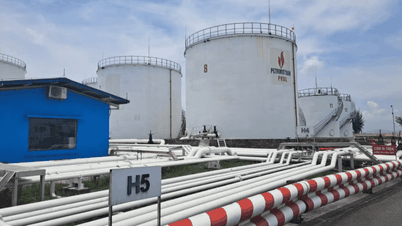
Alongside development, Quang Ninh is reviewing and reorganizing its port system; studying a relocation plan for facilities posing a risk of pollution; investing in upgrading waterways; and developing high value-added services. Digital transformation in port management is being accelerated with software for ship procedures, electronic receipts, pilotage monitoring, and mooring arrangements, contributing to increased transparency in administrative procedures and enhanced competitiveness.
Multi-pillar marine economy, creating new development opportunities.
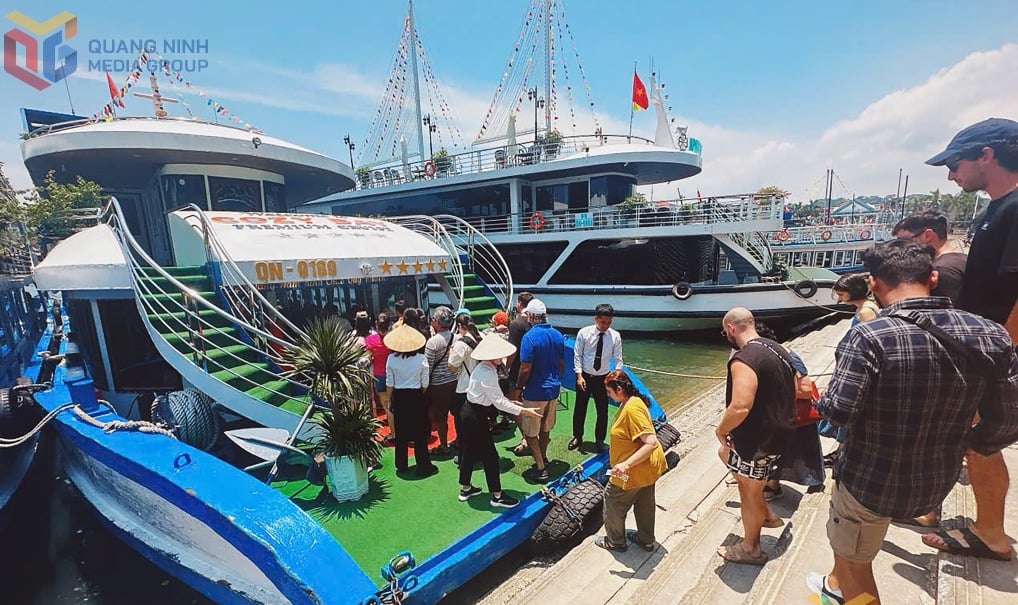
Beyond just seaports, Quang Ninh is developing its marine economy in a multi-sectoral and multi-field direction. Among these, marine and island tourism is a prominent highlight, especially in Ha Long Bay. During the 2020-2025 period, the number of tourists is projected to increase by an average of 21.2% per year, reaching over 21.28 million by 2025; revenue is estimated at 55,000 billion VND, more than three times higher than in 2020. According to the plan for 2030, tourism revenue is expected to reach approximately 158,000 billion VND. International-scale events, high-end tourism products, 4-5 star hotel systems, marinas, and coastal areas such as Tran Quoc Nghien, Bai Chay, and Cam Pha are gradually being completed, elevating the brand of Quang Ninh's marine and island tourism.
In the fisheries sector, the province is promoting high-tech, environmentally friendly marine aquaculture. By 2026, the target for aquaculture production is 120,300 tons, with marine farming accounting for 61%. Replacing styrofoam buoys with environmentally friendly materials, planning marine protected areas, and controlling exploitation clearly demonstrate the province's commitment to development alongside ecosystem protection.

Coastal industries and renewable energy are opening up new growth opportunities. Quang Ninh aims to develop 3,500 MW of offshore wind power and 1,500 MW of LNG power by 2035, striving to become a clean energy hub in the North. Coastal industrial zones are strongly attracting investors in processing, manufacturing, supporting industries, shipbuilding, and logistics.
In particular, the Van Don and Quang Yen coastal economic zones are identified as two strategic growth poles playing a core role in achieving the goal of building Quang Ninh into a model province for industrial, service, and modern, sustainable urban development. Each economic zone has its own distinct characteristics and role, but they are strategically complementary and have a strong regional ripple effect. The Van Don coastal economic zone is oriented as a high-end service, finance, technology, and international island tourism center, developing according to the model of a "new generation special economic zone" with superior institutions, a high-quality living environment, and the ability to integrate deeply into the global value chain. The Quang Yen coastal economic zone focuses on becoming a logistics, supporting industry, and high-tech industry center along the northern coast, playing a role in connecting infrastructure, production, and supply chains for the entire Northern key economic region and the North Central coastal economic corridor.
These two economic zones are being developed according to a complementary dual-pillar model, with the following orientations: Synchronizing spatial planning, infrastructure, and services to support production and import-export development; establishing specific, flexible institutions; creating a "sandbox" mechanism for testing new models in finance, industry, urban development, and tourism; attracting strategic, high-tech investors capable of creating breakthroughs in green, smart, and sustainable growth; and closely linking industry, services, urban development, and protecting the marine and island ecological environment.
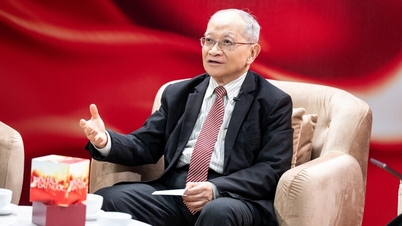
According to Dr. Pham Hong Diep, a lawyer and businessman, in order for economic zones to maximize their potential, Quang Ninh needs to continue improving its specific institutional framework, enhancing the quality of its human resources, strengthening regional linkages, and attracting strategic investors with high technology and environmentally friendly practices. This is the key to developing the marine economy in a green, smart, and sustainable direction.
Focus on attracting resources and creating momentum for maritime aspirations.
To further awaken and maximize the potential and advantages of its marine economy, Quang Ninh is focusing on reviewing, updating, and realizing approved plans, ensuring synchronicity, linkage, and a long-term vision. The focus is on strongly attracting investment in port infrastructure, logistics services, and inter-regional transportation systems. The province prioritizes completing strategic transportation routes, strengthening connections between seaports and expressways, industrial parks, economic zones, border gates, and airports, creating a solid foundation for attracting non-budgetary capital into the marine economy.

Along with developing hard infrastructure, Quang Ninh pays special attention to improving the quality of port services and building a transparent, favorable, and competitive investment environment. The province focuses on perfecting mechanisms and policies to support vocational training in the maritime, logistics, and port services sectors; and issuing policies to attract high-quality human resources from within and outside the province to work in coastal industrial parks and economic zones. Developing specialized human resources is identified as a key factor determining competitiveness and the ability to participate deeply in global supply chains.
Simultaneously, the province is promoting the application of modern information technology, linked to comprehensive digital transformation in the management and operation of seaports and logistics services. Digital platforms are being deployed synchronously to optimize processes, shorten processing times, enhance transparency, and reduce costs for businesses. This is not only a solution to improve service quality, but also a strategic step for Quang Ninh to gradually increase and capture market share in maritime transport in the region and internationally.

With the goal of rapidly increasing the contribution of the marine economy to the province's GRDP, Quang Ninh strives to have the marine economy account for approximately 25% of the province's total economy by 2030; and port service revenue reaching approximately 25,000 billion VND. The province aims to become an international tourism center, a modern marine economic center, and an international trade gateway for the northern region. Priority sectors for development include marine tourism and services; maritime economy; development of coastal economic zones; sustainable aquaculture and fisheries; environmentally friendly coastal industries; renewable energy; and new marine economic sectors.
To accelerate the realization of these goals, Quang Ninh proposes that the Government consider amending and supplementing some regulations on the allocation of sea areas; decentralizing and delegating authority in allocating sea areas to individuals within a 6-nautical-mile radius, creating favorable conditions for the development of marine aquaculture and marine economic projects. At the same time, it proposes that ministries and agencies develop a plan to transform the Quang Ninh - Hai Phong region into a modern marine economic center; and issue a national statistical indicator set on the sea and islands, creating a basis for accurately assessing the contribution of the marine economy to the national economic structure.
Synchronized strategies and solutions, from planning, infrastructure, and institutions to human resources and digital transformation, are creating a strong impetus for Quang Ninh's marine economy. From bustling ports in early spring, international cruise ships docking, to offshore energy projects and emerging coastal economic zones, all demonstrate a clear vision and determination to act. Comprehensive marine economic development is not only a long-term strategy but also a tangible driving force, bringing Quang Ninh closer to its goal of becoming a sustainable marine economic center of the country, a regional maritime transit gateway, and a leading dynamic growth pole in the North.
Source: https://baoquangninh.vn/khoi-day-khat-vong-bien-3398415.html
![[Photo] National Assembly Chairman Tran Thanh Man working with the Standing Committee of the Law and Justice Committee](https://vphoto.vietnam.vn/thumb/1200x675/vietnam/resource/IMAGE/2026/05/21/1779378929214_ndo_br_1-4610-jpg.webp)

![[Photo] General Secretary and President To Lam presides over a working session with the Central Policy and Strategy Committee on the development of the materials industry.](https://vphoto.vietnam.vn/thumb/1200x675/vietnam/resource/IMAGE/2026/05/21/1779359935432_a3-bnd-3129-1412-jpg.webp)






























































Comment (0)