The packed agenda of the European Union (EU) summit reflects a range of challenges facing the country, from geopolitical , economic, and security crises to pressure to enhance defense capabilities. EU leaders are shouldering the responsibility of strengthening the union and restoring its standing amidst a volatile and unpredictable world.
The two conflicts occurring simultaneously in Ukraine and the Middle East recently exposed a difficult situation for the EU – where internal contradictions, diplomatic dilemmas in the face of external pressure, and the shaky position of the union in international affairs were all clearly evident. These two conflicts were also the subject of discussion at the EU summit held on June 18th and 19th in Brussels, Belgium. In addition, EU leaders discussed a range of other issues such as the budget, enhancing competitiveness, expanding the bloc, migration pressure, and drug-related crime.
Given the recent turbulent developments in US-EU relations, a tightly knit "old West" under the leadership of the United States is gradually being replaced by a new order – one in which Europe must enhance its autonomy and reduce its dependence on traditional allies.
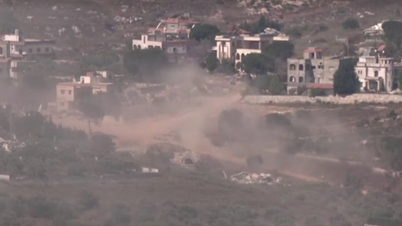
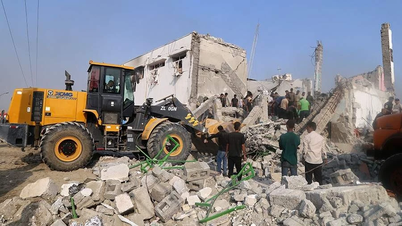
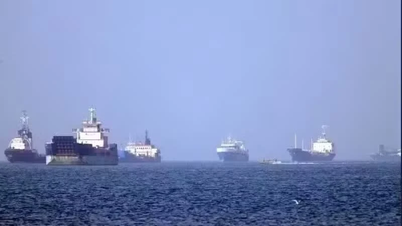
The EU summit is taking place against the backdrop of pivotal developments in the Middle East conflict. The US and Iran are increasingly close to a historic peace agreement, but the international community is concerned about the fragility of this document and the potential risks to strategic shipping lanes and energy security.


According to international observers, the Middle East crisis reflected differences in "strategic culture" between the US and Europe. While Europe favors diplomacy, mediation, and sanctions, the US prioritizes deterrence, military intervention, and the ability to deploy forces.
In the conflict in Ukraine, which directly impacts the EU's security, the bloc's role has been somewhat overshadowed as Russia and the US have pursued numerous independent diplomatic initiatives, bypassing the EU. The Union also took considerable time to approve a €90 billion emergency aid loan for Ukraine. The differing interests among member states have led to delays in making crucial decisions and eroded Brussels' image and standing as a reliable partner.
Therefore, repositioning the EU in today's volatile world is a crucial task. "Strategic autonomy" has been discussed at numerous EU conferences, and developments over the past year have made this issue even more urgent. The EU recently approved a comprehensive reform package on strengthening defense capabilities aimed at reducing bureaucracy and boosting the production, procurement, and distribution of defense products. At the EU summit, leaders will focus on discussing measures to enhance competitiveness in the economic, energy, defense, and technological sectors.
Expanding the EU is also a strategy aimed at strengthening the bloc's power and influence. The EU has just moved the accession process for Ukraine and Moldova into a new phase. However, admitting new members, especially a country with a great need for economic reconstruction like Ukraine, will put considerable financial pressure on the union.
During a period of profound restructuring in transatlantic relations between the US and Europe, the EU's focus on consolidating its position and power, and enhancing its autonomy, is crucial for the bloc's future development. However, with 27 member states differing geographically, politically, securityly, and economically, it is vital for the EU to have common strategies, unified will, and unified action, rather than making decisions heavily influenced by the viewpoints of larger economies with greater influence and power within the bloc.



Source: https://nhandan.vn/khoi-phuc-vi-the-giua-bien-dong-post969799.html


























![[Photo] Thousands of people participate in a run to show their support for the campaign "Sharing a common determination to build drug-free communes, wards, and special zones".](https://vphoto.vietnam.vn/thumb/1200x675/vietnam/resource/IMAGE/2026/06/27/1782554475933_0673e2a3df7b5e25076a-8283-jpg.webp)