

 |
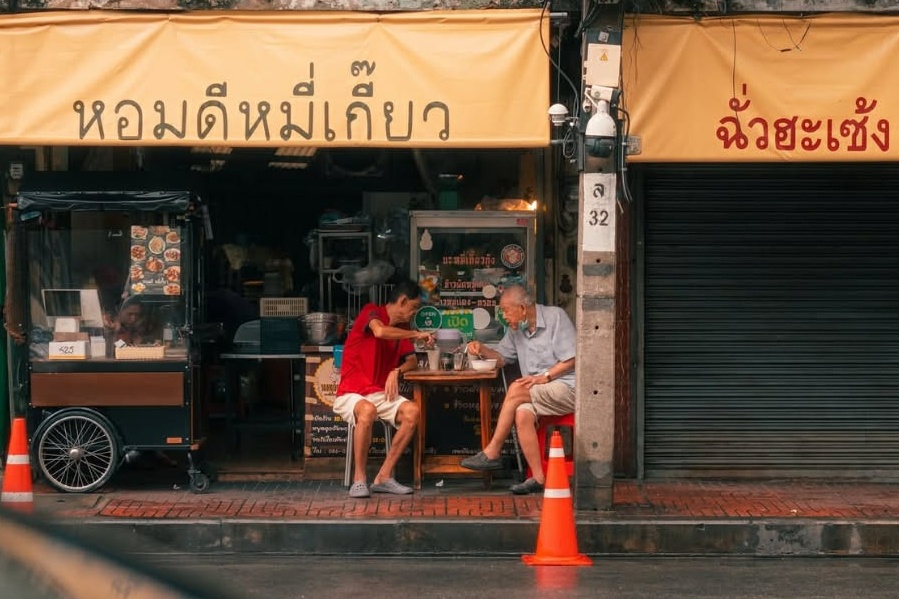
Everyday scenes in the tourist destination of Bangkok, Thailand, as captured through the lens of photographer Andrei Kostromskikh. Photo: @kosnio. |
Thai tourism businesses believe that as Chinese tourists shift away from Japan due to political factors, this is the time for Bangkok to take more decisive action to regain its competitive edge.
The Bangkok Post, citing statistics from travel operators, reported that hundreds of thousands of mainland Chinese tourists have canceled trips to Japan since November, following Beijing's travel warnings related to diplomatic tensions surrounding Taiwan.
The impact extended to the aviation industry, with approximately 1,900 flights, equivalent to more than 40% of all flights between China and Japan, being canceled in December. Meanwhile, Chinese tourists accounted for only about 3% of the total international visitors to Japan in November.
Thailand wants to capitalize on attracting Chinese tourists. However, the opportunities for the Land of Smiles are not entirely clear.
Bill Barnett, CEO of C9 Hotelworks, noted that Thai tourism is being overshadowed by news of border tensions with Cambodia, undermining the destination's image as a safe destination. He argued that even popular tourist destinations like Phuket, located hundreds of kilometers from the disputed area, are affected by the general perception among international tourists, who tend to avoid countries associated with conflict.
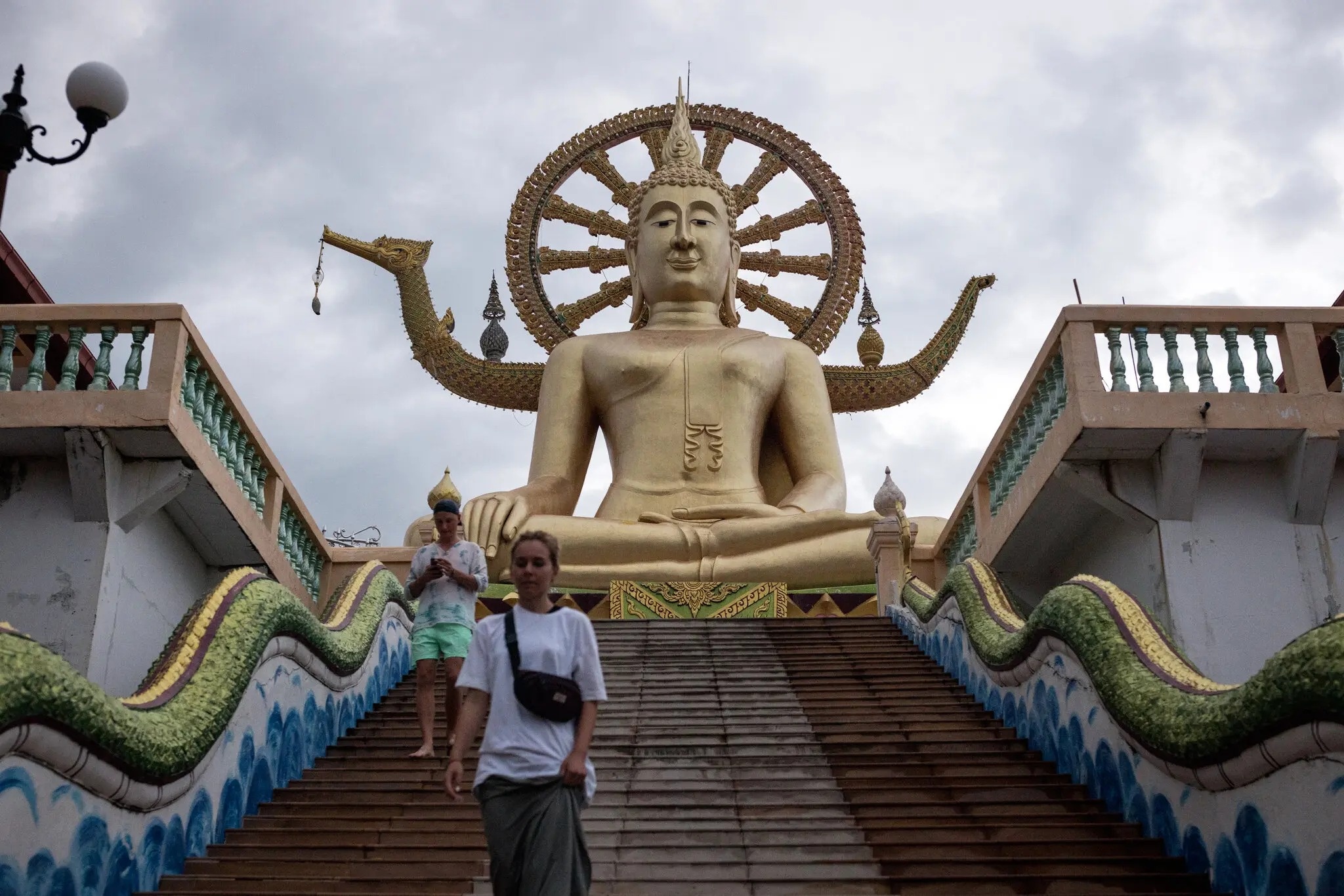 |
The Big Buddha statue in Koh Samui, a popular tourist island in Thailand. Photo: Jack Taylor/The New York Times. |
Thailand is leveraging the year-end peak season to maximize revenue, as prospects for next year's off-season, including the Lunar New Year, remain uncertain. Barnett said the Thai government needs to address border tensions and send a clear message about safety if it wants to persuade Chinese tourists to return.
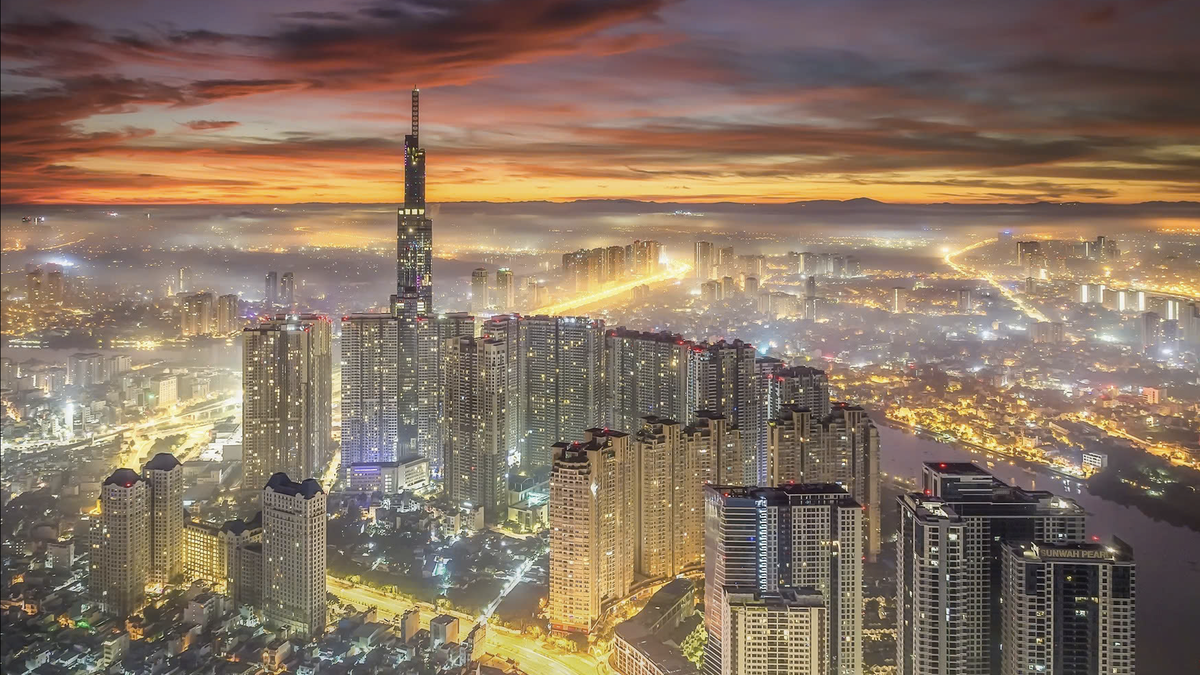
Meanwhile, competition in the region is intensifying. Some experts suggest that Vietnam is emerging as an attractive alternative for Chinese tourists due to lower travel costs, a modern hotel system, and shorter travel times. Additionally, a segment of Chinese tourists tends to stay within the country or seek out other destinations in Europe and the Asia-Pacific region.
Political tensions have spilled over into the entertainment industry, not just tourism. In late November, Japanese singer Maki Otsuki was forced to cancel a performance in Shanghai, while J-pop star Ayumi Hamasaki also canceled her Macau show after a previous performance in Shanghai was met with empty stands. This development opens up a different path for Thailand.
According to Upathum Nisitsukcharoen, President of the Creative Business and Event Management Association, Thailand has the opportunity to become a destination for international concerts, attracting fans from China and the region. He believes that the current trend shows audiences are willing to travel abroad to see their favorite artists, and Thailand has advantages in terms of air connectivity as well as favorable entry policies for Asian tourists.
Amidst the shift in Chinese tourist flows, Thailand is presented with significant opportunities, but these come with the urgent need to improve its destination image and reinforce confidence in safety. If this opportunity is seized effectively, the Land of Smiles can partially offset the decline in other markets and reaffirm its position on the regional tourism map.
Source: https://znews.vn/khong-di-nhat-ban-nguoi-trung-quoc-co-den-thai-lan-post1613692.html




















































































Comment (0)