

Over the years, in many localities across the country, including Quang Ninh , it has not been difficult to find small-scale livestock and poultry farming interspersed within residential areas in urban centers. This farming not only detracts from urban aesthetics but also causes environmental pollution, spreads diseases, and affects the lives of surrounding residents. In response to this situation, many provinces and cities nationwide have enacted policies designating areas within urban centers where livestock farming is prohibited.
In reality, small-scale livestock farming in urban areas leads to many negative consequences in preventing and controlling disease outbreaks. For example, during recent outbreaks of African swine fever, most outbreaks occurred in small-scale, household farms interspersed within residential areas and inner cities, lacking closed-loop farming practices and biosecurity measures.
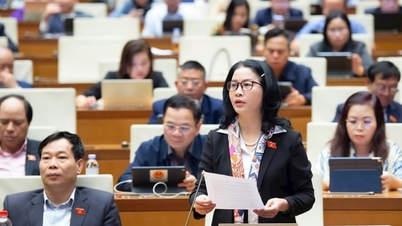
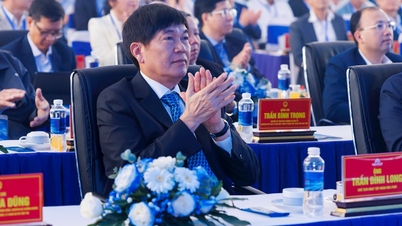
In response to the negative realities of small-scale livestock farming in urban and inner-city residential areas, at its 22nd session, the 14th Provincial People's Council passed Resolution No. 45/2024/NQ-HĐND dated November 5, 2024, stipulating that livestock farming is prohibited in inner-city areas of cities, towns, and residential areas, and outlining support policies for relocating livestock facilities out of these prohibited areas in Quang Ninh province.
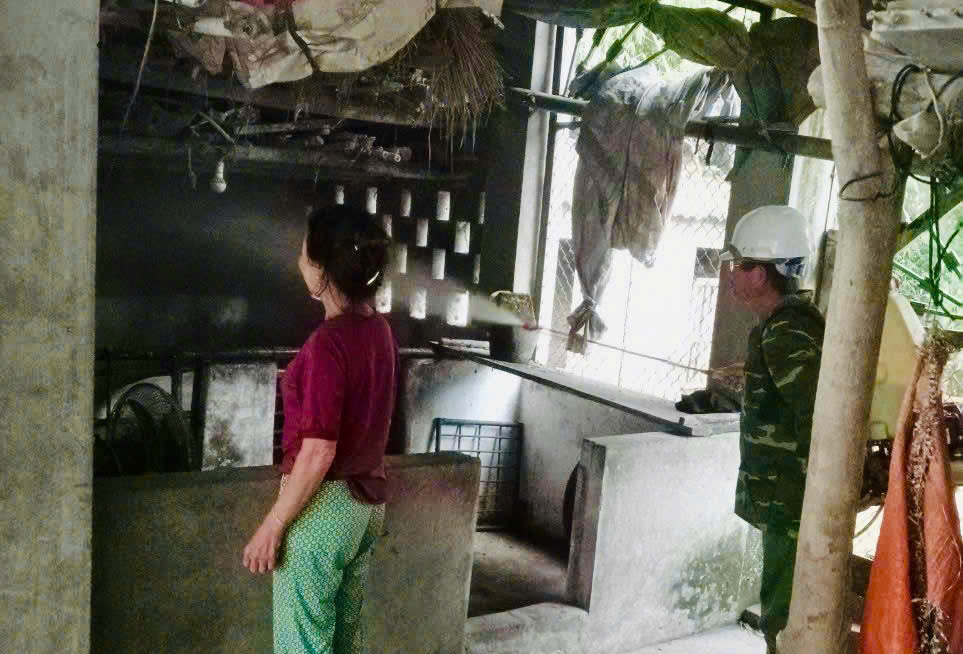
Accordingly, the applicable subjects are organizations, households, and individuals engaged in livestock farming activities as stipulated in Clause 2, Article 2 of the 2018 Livestock Law in Quang Ninh province (this Resolution does not apply to cases of raising animals for ornamental purposes or raising animals in laboratories that do not cause environmental pollution).
Areas where livestock farming is prohibited include inner-city areas of cities, towns, and residential areas within Quang Ninh province. This also includes apartment complexes, social housing, concentrated resettlement areas, and urban areas located in districts, towns, and cities that have been approved by competent authorities.
The Provincial People's Council assigns the Provincial People's Committee to direct the organization and implementation of the Resolution, ensuring transparency, timeliness, and openness; to strengthen the dissemination of regulations under the Livestock Law and the Resolution regarding areas where livestock farming is prohibited; to develop a relocation plan; to urgently plan land allocation and invest in infrastructure for concentrated livestock farming to facilitate relocation; and to implement relocation support policies promptly and in accordance with regulations, preventing negative practices and corruption during policy implementation.
Upon review, the implementation of Resolution No. 45/2024/NQ-HĐND, which stipulates that livestock farming is prohibited in urban areas of cities, towns, and residential areas within the province, will affect 761 livestock farming households. Of these, 87.8% are small-scale farmers, mostly engaged in self-sufficient farming, not related to household economic development or commercial livestock production.
Resolution No. 45/2024/NQ-HĐND also stipulates the policy to support the relocation of livestock farms out of areas where livestock farming is prohibited. Accordingly, organizations, households, and individuals operating in areas where livestock farming is prohibited are entitled to relocation support as stipulated in Article 7 of Government Decree No. 106/2024/NĐ-CP dated August 1, 2024, which regulates the policy to support improving the efficiency of livestock farming.
Currently, household livestock farming accounts for over 96% of the province's livestock production. This small-scale farming has created difficulties in preventing and controlling diseases, ensuring food safety and hygiene, and contributing to environmental pollution in urban areas. The Provincial People's Council's Resolution No. 45/2024/NQ-HĐND, issued during its 14th term, will soon address these shortcomings and guide the province's livestock industry towards a more focused and sustainable development.
Source




































































Comment (0)