

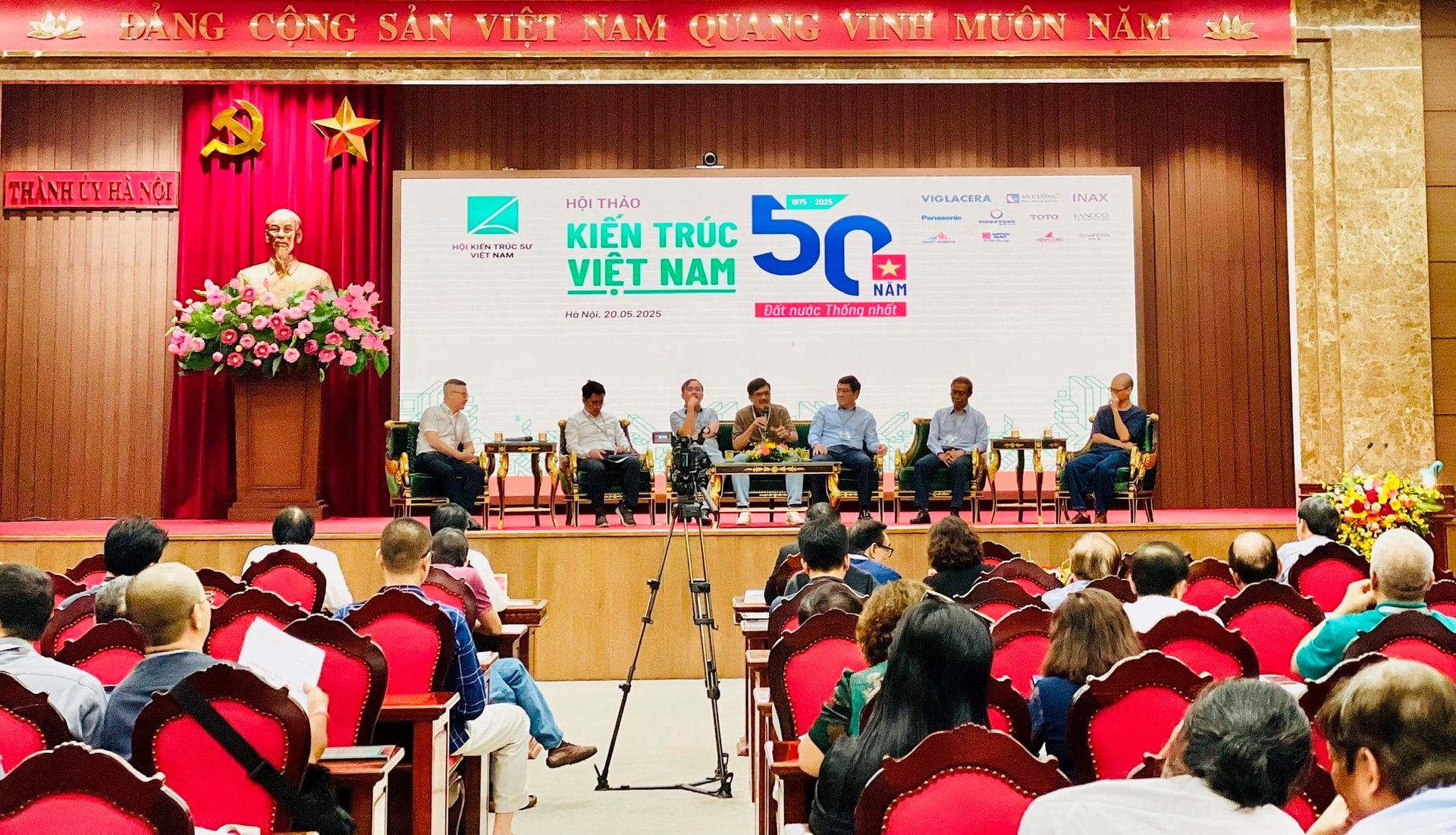
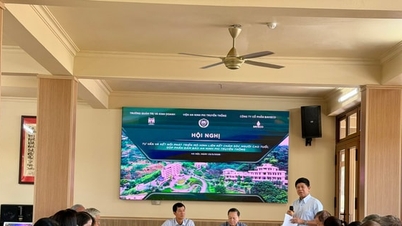
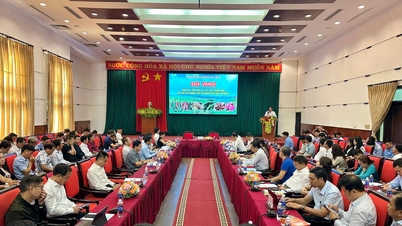
The seminar is part of a series of events organized by the Vietnam Association of Architects as part of the program summarizing 50 years of Vietnamese literature and art after the country's reunification (1975-2025).
Joining hands in the construction and development of the Capital and the country.
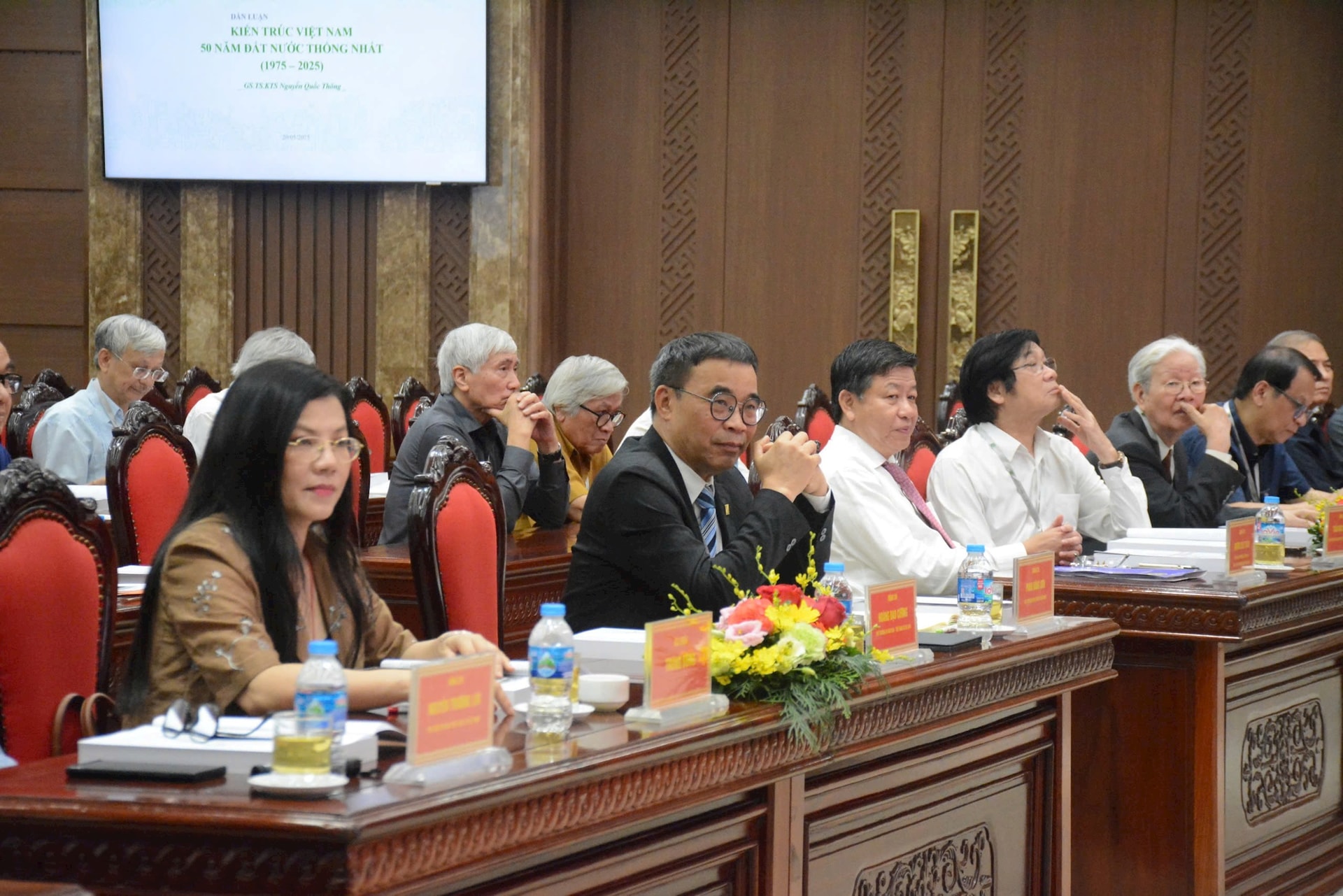
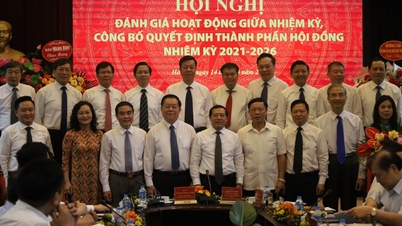
In his opening remarks at the conference, Dr. Phan Dang Son, President of the Vietnam Association of Architects, affirmed that, with the collaboration of many generations of architects, after 50 years of reunification, our country has achieved many remarkable achievements and changes in the field of construction and development, both in quality and quantity, throughout the country.
"From here, the Vietnamese architectural community will foster creativity and strive to develop the country's architecture sustainably, modernly, and with a distinct identity, putting people at the center, in the new era of development under the leadership of the Party and the State," architect Phan Dang Son emphasized.
Speaking at the conference, Dr. Duong Duc Tuan, architect, member of the Standing Committee of the Hanoi City Party Committee, and Vice Chairman of the Hanoi People's Committee, affirmed that half a century has passed since the reunification of the country, and Vietnamese architecture has made strong and comprehensive strides. Tens of thousands of buildings have sprung up across the country. From iconic national landmarks to infrastructure, housing, educational and medical facilities, and public spaces, architecture has been deeply present in every aspect of the nation's development. In particular, trends in green architecture, energy saving, climate change adaptation, and honoring traditional identity are increasingly emphasized and widely disseminated within the architectural community and society; affirming the continuous creative capacity of the country's architects.
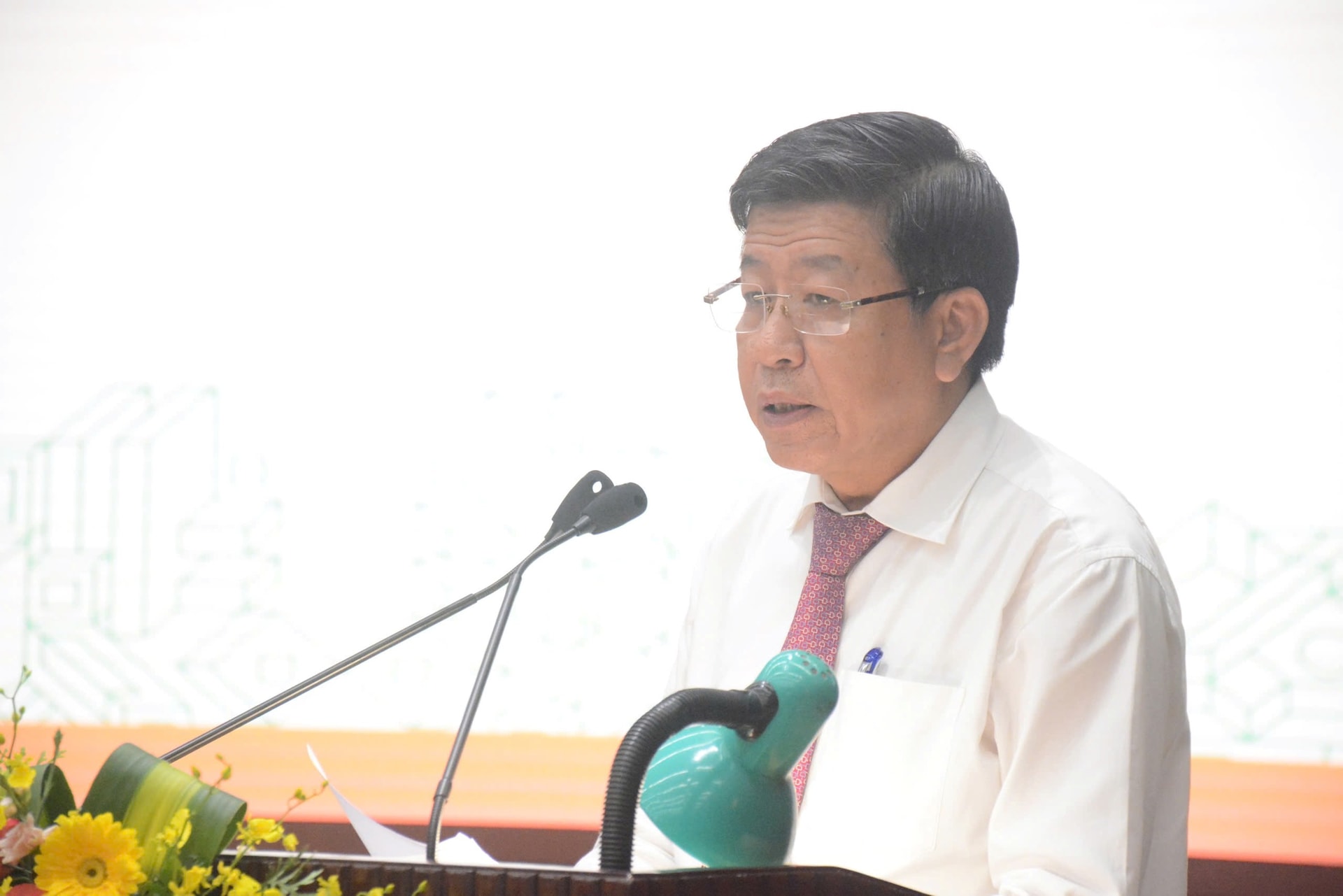
According to Comrade Duong Duc Tuan, Vietnamese architecture today has developed in a modern and integrated direction, not only focusing on creating living spaces but also playing a profound role in preserving national cultural identity, improving the quality of life, and promoting sustainable urban and rural development. Many projects have won national and international awards, marking the remarkable growth of Vietnamese architects. At the same time, the urbanization process has been linked to innovation in planning and design thinking, contributing positively to the industrialization and modernization of the country.
Emphasizing Hanoi's architecture, the Vice Chairman of the City People's Committee stated that over the years, the city has focused on investing in urban infrastructure, developing public spaces, and preserving and promoting traditional architectural values and tangible and intangible cultural heritage. New urban areas are designed to be modern and integrated, prioritizing ecological landscapes while maintaining harmony with the old quarters, historical sites, and green spaces that are characteristic of the capital city.
Affirming that the initiatives and contributions of the Vietnam Association of Architects have significantly contributed to improving the quality of the living environment, preserving historical and cultural values, and creating a unique identity for the architecture of the capital city, Mr. Duong Duc Tuan expressed that the city is always ready to listen to the opinions of professionals and is committed to creating favorable conditions for the Association to continue to promote its role of critical analysis, consultation, and creativity in the development of architecture in the capital city in particular and the whole country in general.
Sustainable, modern, civilized, and distinctive development.
The workshop received many insightful contributions from architects and researchers in the field of architecture, covering a wide range of topics and offering both general and in-depth perspectives on the achievements and challenges in the practical development of the industry over the past 50 years.
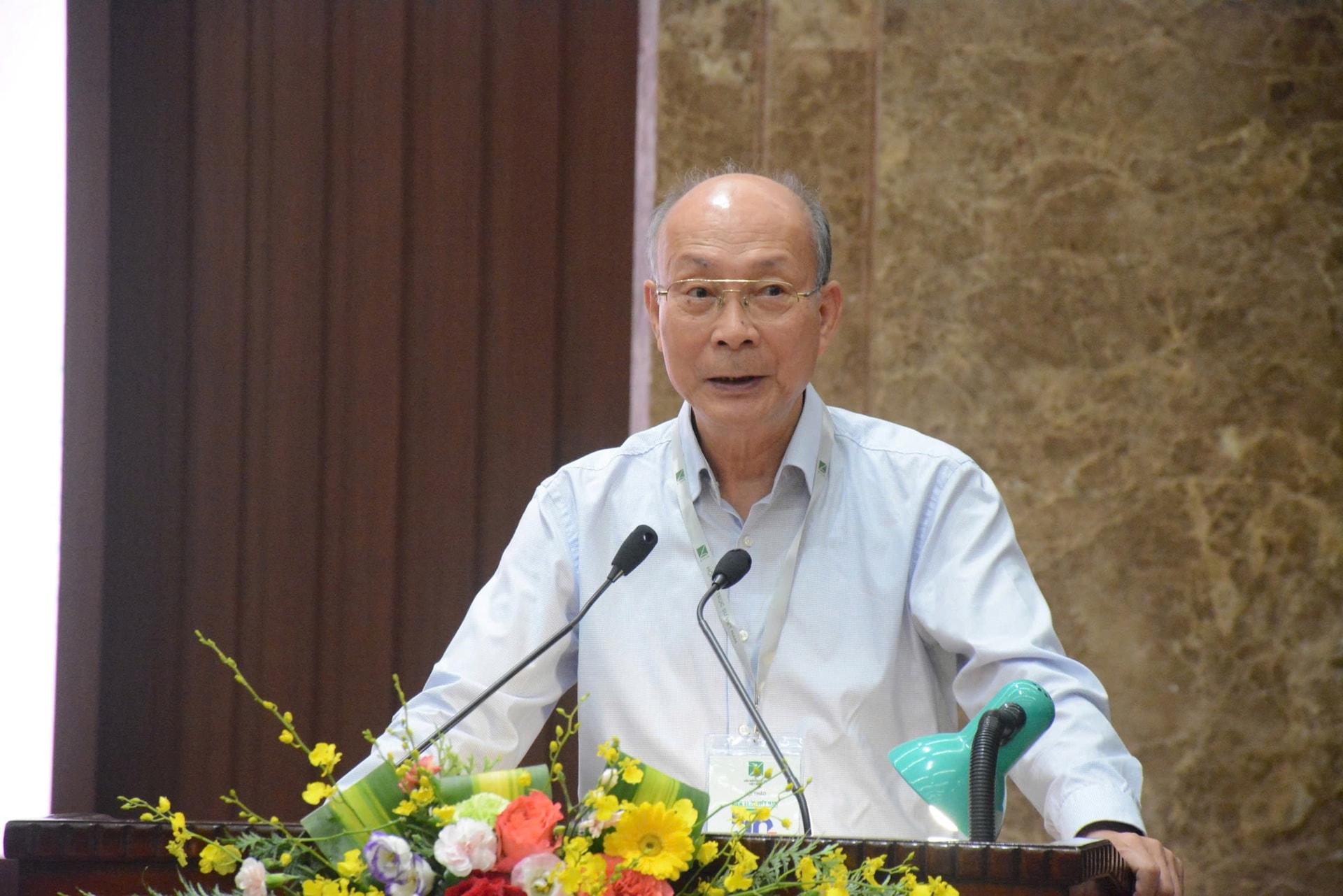
In his overall assessment of Vietnamese architecture over the past half-century, Professor and Architect Nguyen Quoc Thong stated that urban and rural planning has rapidly reformed its approach, aligning with global standards and contributing to the modern and distinctive development of both urban and rural areas. Tropical architecture, indigenous architecture, and green architecture have flourished. These trends, which combine inheritance and development with the exploitation of indigenous knowledge, are suited to the natural conditions, climate, and culture of each region, and have contributed to the diversity and unique characteristics of contemporary Vietnamese architecture in the context of globalization…
Contributing to the flow of Vietnamese architecture, architect Nguyen Van Hai, Chairman of the Hanoi Architects Association, stated that over the past 50 years, Hanoi's architecture has undergone a profound transformation, reflecting the historical, economic, and social changes of Vietnam. From the post-war recovery period and the centrally planned architecture era (1975-1986), with projects such as the Giang Vo Apartment Complex, Thang Loi Hotel, and Hanoi Children's Palace, Hanoi has shaped its urban identity through sub-district models and indigenous modern styles, influenced by Soviet and international architecture.
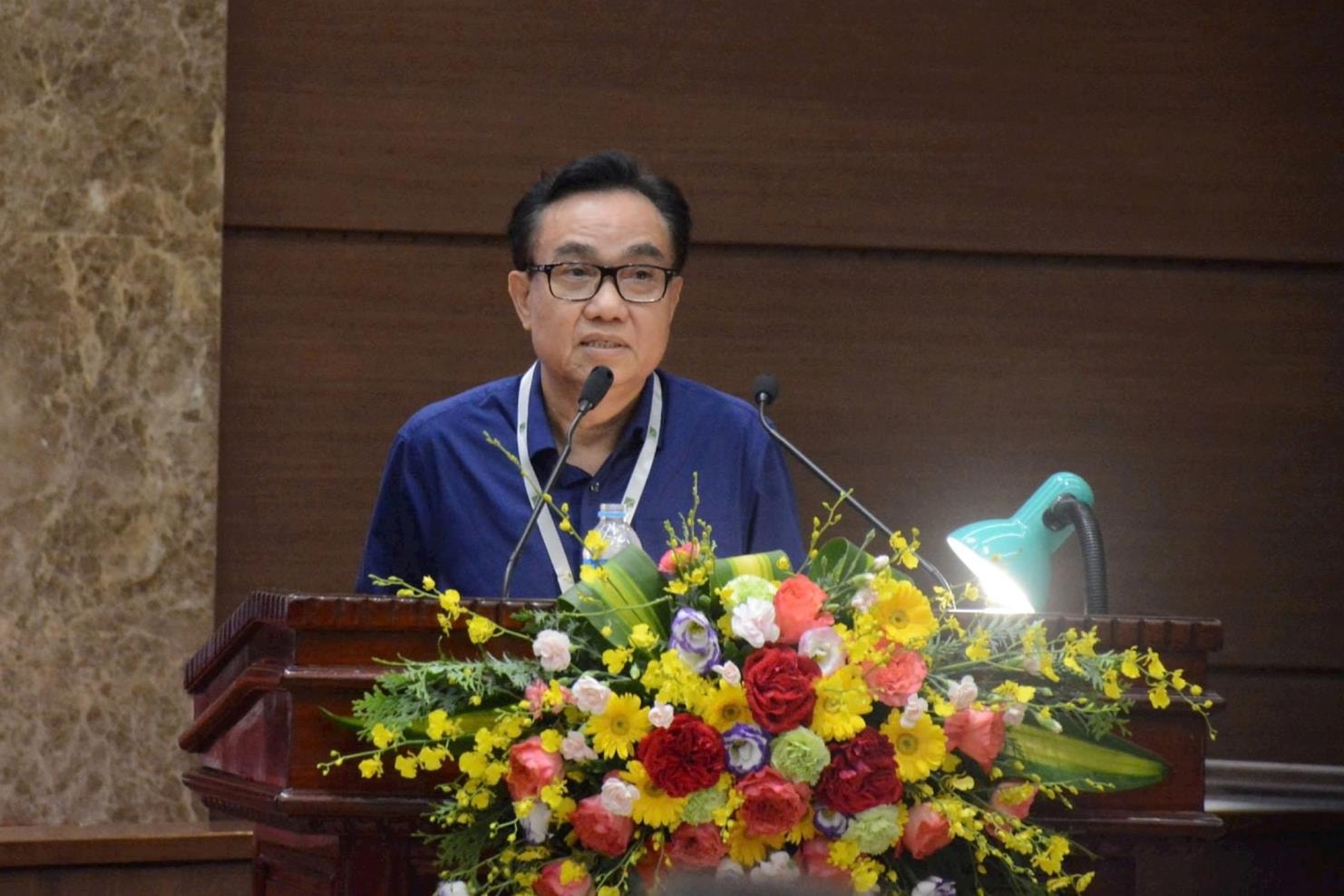
The market transformation period (1986-2000) witnessed architectural diversification, with projects such as the Van Phuc Housing Complex, the Monument to the Heroes and Martyrs, and the Voice of Vietnam Radio Sound Center reflecting the interplay between centrally planned and market-based thinking, while also laying the foundation for new urban areas. The modernization and international integration period (2000-2025) brought about iconic projects such as the Vinhomes Ocean Park urban area, the Viettel Building, and the Vietnam Military History Museum, showcasing modern styles, advanced technology applications, and sustainable trends.
According to architect Nguyen Van Hai, these iconic buildings not only serve as landmarks in the urban landscape but also preserve the historical and cultural memories of Hanoi, from the collective spirit of the post-war era to the ambition for global integration. However, the biggest challenge is preserving these heritage buildings against the pressures of economic development and physical degradation, while simultaneously meeting the needs for modern housing and public spaces.
Like Hanoi's architecture, Ho Chi Minh City's architecture and that of other localities across the country face development challenges in the new era.
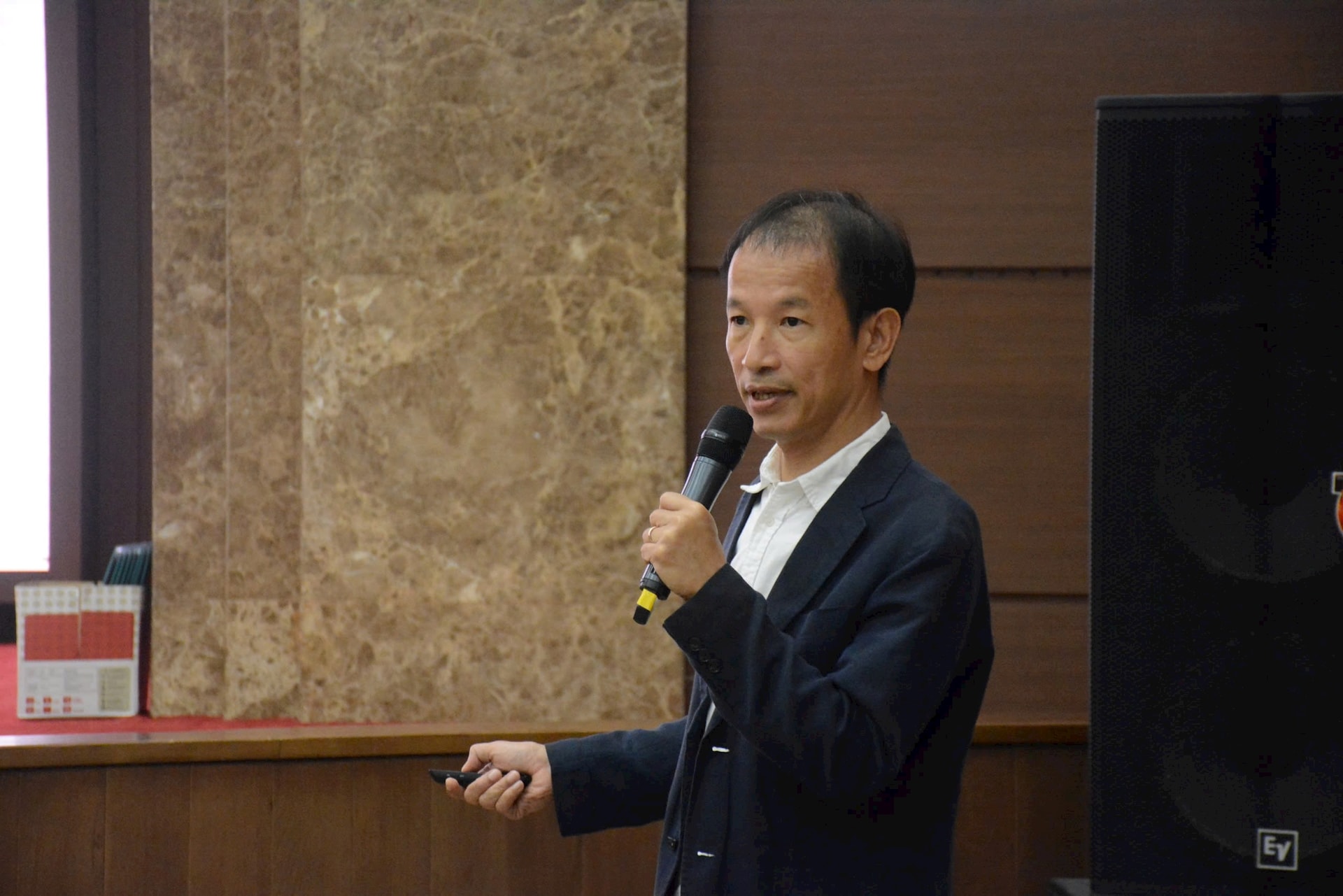
While acknowledging that Vietnamese architecture is becoming more multifaceted, diverse, and internationally integrated, architect Hoang Thuc Hao pointed out that many nationally iconic projects, with large investments and high representative value, are often entrusted to international architectural firms due to their global reputation and prestige, and their ability to meet international standards. “However, this raises a thought-provoking question about the position and role of Vietnamese architects in their own homeland. Are we being overshadowed by the organizational strength, technology, and global networks of our foreign counterparts?” architect Hoang Thuc Hao questioned.
Affirming that Vietnamese architecture will aim for sustainable, modern, civilized, and distinctive development, the delegates proposed several solutions. These included promoting the proactive and pioneering role of architects and the Vietnam Association of Architects in national planning and construction, as well as major projects; strongly applying digital transformation; and fully integrating natural, cultural, social, environmental, scientific, technological, and economic factors in the establishment and management of green, sustainable planning that reflects the Vietnamese spirit.
Furthermore, the theoretical and critical aspects of architecture need to be given more attention, moving towards professionalization; focusing on training architects and building a team of future architects who are highly qualified, creative, and internationally competitive…
Source: https://hanoimoi.vn/kien-truc-viet-nam-50-nam-kien-tao-nhung-cong-trinh-hien-dai-ban-sac-702878.html























































Comment (0)