

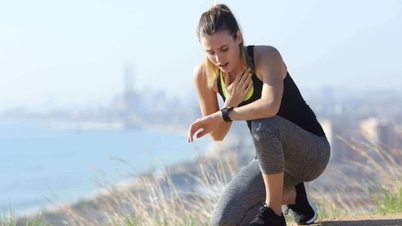
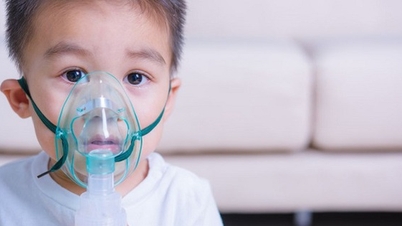
Taking deep breaths or pursing your lips, changing your sitting or standing position, or using a steam inhalation can temporarily relieve shortness of breath.
For those experiencing shortness of breath that is not a medical emergency, some of the following methods can help improve the condition.
Take a deep breath.
Deep abdominal breathing can make breathing easier. Instructions: Lie down and place your hands on your stomach. Inhale deeply through your nose, contracting your abdominal muscles to create space for your lungs to fill with air, and hold for a few seconds. Exhale slowly through your mouth, expelling all the air. Repeat this exercise several times a day or as often as you feel short of breath.
Pursed-lip breathing
Pursed-lip breathing exercises can reduce shortness of breath by slowing down the breathing rate. This method can be helpful if shortness of breath is caused by anxiety, nervousness, or stress.
Instructions: Begin by sitting upright in a chair with your shoulders relaxed. Pucker your lips together as if blowing a whistle. Inhale through your nose for a few seconds. Gently exhale through your pursed lips and count from one to four. Repeat 4-5 times.
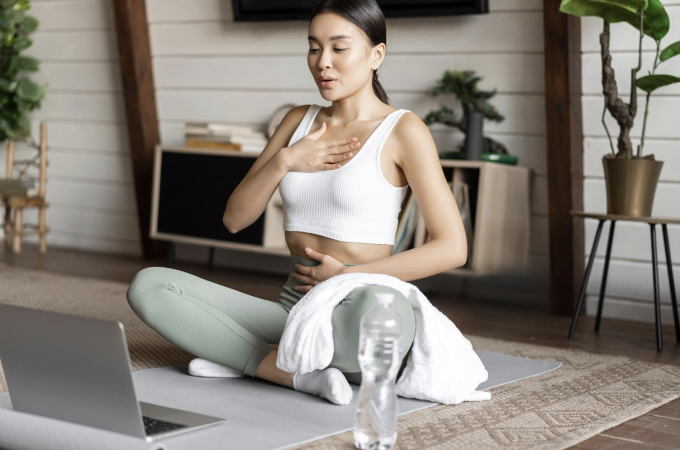
Pursed-lip breathing slows the breathing rate, helping to reduce shortness of breath caused by anxiety and stress. Photo: Freepik
Have a comfortable posture
People experiencing shortness of breath can change positions to relax and regain normal breathing. If shortness of breath is due to anxiety, exertion, strenuous activity, or changes in weather, altitude, etc., changing positions may improve it. Positions that reduce pressure on the airways include:
Forward-leaning posture: Sit in a chair with both feet flat on the floor, slightly tilting your head forward. Gently rest your elbows on your knees, supporting your chin with your hands. Keep your neck and shoulder muscles relaxed.
Standing with hands resting on a table: Stand near a flat, sturdy table. Place both hands on the table, keeping your neck relaxed.
Stand with your back against the wall: Stand with your back against the wall, keeping your feet shoulder-width apart and placing your hands on your thighs. Relax your shoulders and lean slightly forward to loosen your body.
Use a fan.
Fans help blow cool air across the nose and face, thereby reducing the feeling of shortness of breath. This method can alleviate shortness of breath caused by being in a stuffy, crowded, enclosed space, but it does not improve symptoms caused by the underlying medical condition.
Nasal steam
Steam inhalation can help clear the airways. The heat and moisture from the steam also help thin mucus in the lungs, reducing shortness of breath.
Instructions: Fill a bowl with hot water. Add a few drops of peppermint or eucalyptus essential oil. Lean your face over the bowl at a suitable distance, then inhale deeply as the steam rises from the bowl into your nose and exhale gently. Be careful to avoid burning your face.
Eat fresh ginger
Eating fresh ginger or drinking warm ginger tea can help alleviate shortness of breath caused by respiratory infections. Ginger's warming and spicy properties help improve airway function.
Drink a cup of coffee
Caffeine relaxes the muscles in the airways, improving lung function and blocking certain chemicals that contribute to shortness of breath. However, people sensitive to caffeine should consult a doctor before consuming it.
Bao Bao (According to Healthline, Wikihow )
| Readers can post questions about respiratory illnesses here for doctors to answer. |
Source link


![[Photo] General Secretary and President To Lam presides over a meeting with the Central Organizing Committee.](https://vphoto.vietnam.vn/thumb/1200x675/vietnam/resource/IMAGE/2026/06/03/1780482764658_a1-bnd-4741-3342-jpg.webp)
![[Photo] Secretary of the National Assembly Party Committee, Chairman of the National Assembly presides over the meeting of the Standing Committee and Executive Committee of the National Assembly Party Committee.](https://vphoto.vietnam.vn/thumb/1200x675/vietnam/resource/IMAGE/2026/06/03/1780480353201_ndo_br_bnd-2585-jpg.webp)

















![[Photo] First session of the 14th Congress of the Vietnam Trade Union](https://vphoto.vietnam.vn/thumb/1200x675/vietnam/resource/IMAGE/2026/06/03/1780465947883_ndo_br_img-3852-jpg.webp)


















![[Video] Sunset at Lap An Lagoon – Where the sun sets over the fishing nets](https://vphoto.vietnam.vn/thumb/1200x675/vietnam/resource/IMAGE/2026/05/31/1780192137701_beach-landscape-sea-water-nature-grass-745871-pxhere-com.jpeg)

















Comment (0)