Bus stop
A reclusive hermit, who only sees close friends, we first truly felt the meaning of "tranquility" in his tea ceremony space. At the intersection of earth and sky, our shoulders were freed from burdens, and we quietly observed the unhurried beauty of the tea ceremony. A sudden joy overwhelmed us as we realized that all things operate according to the laws of nature.
A tea ceremony space without a sign or name. It's not open for business purposes, but simply a stopover for travelers who love and understand tea.
"The friendship between gentlemen is as bland as water," perhaps like that cup of tea—seemingly insipid, yet enduringly profound. There, we temporarily forget the uncertainties of emotion. Gain, loss, defeat, success—all vanish in an instant with the refreshing taste of the tea.
The opportunity to sample various types of tea, expertly prepared by the tea masters—from white tea and black tea to ancient Shan Tuyet tea—made everyone cherish the present moment immensely.
We inhaled the aroma, sipped slowly, and savored the taste of the tea on our tongues. Everyone nodded in agreement, realizing that each type of tea possessed its own unique and distinct flavor.
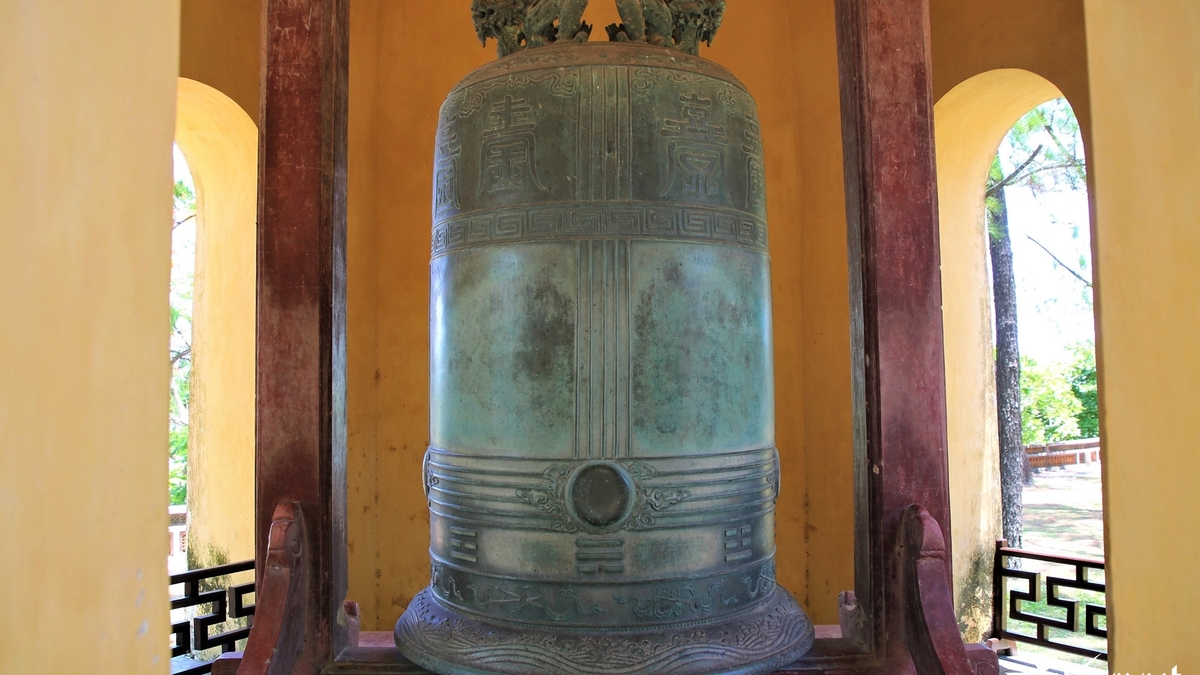
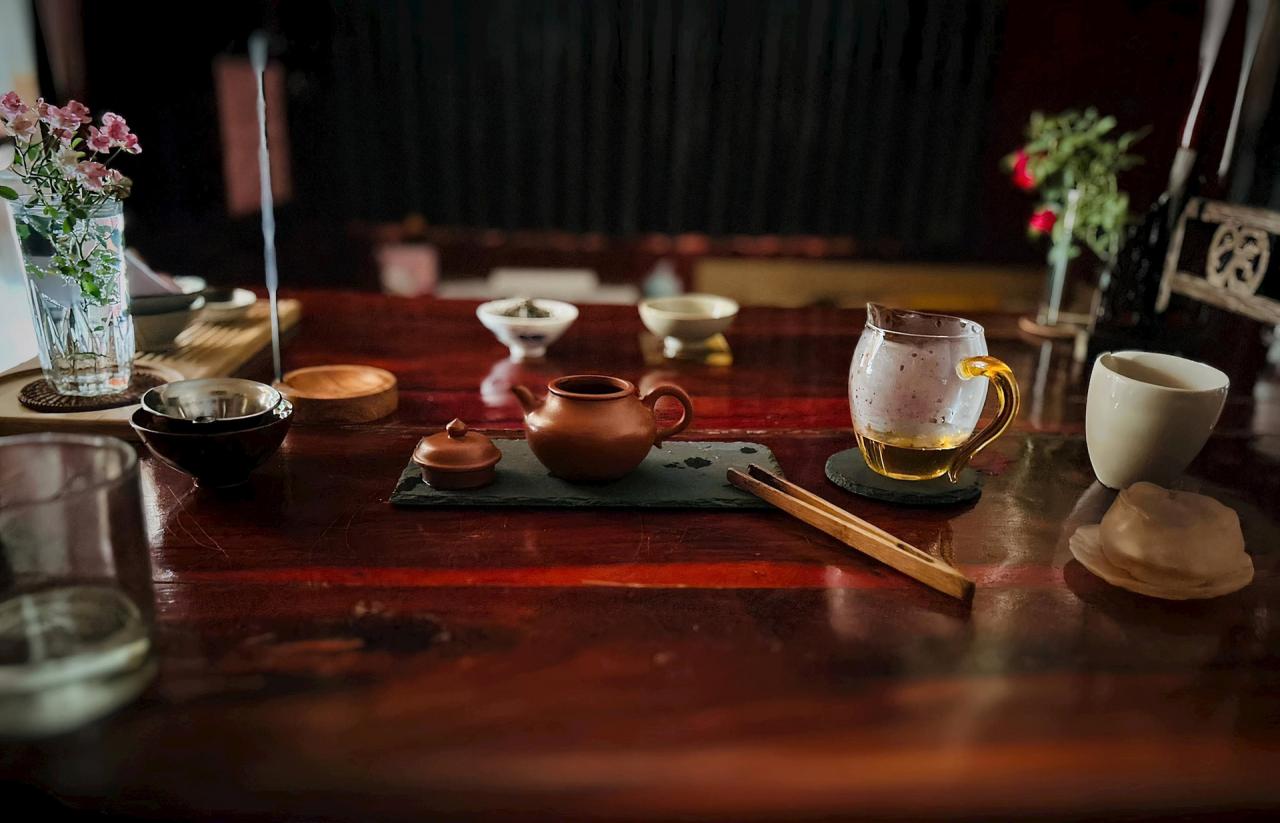
The tea ceremony space was filled with incense smoke, calligraphy, and Yixing clay teapots... However, it was conspicuously missing the sound of a bronze bell and wooden clapper. Life is like that; nothing is perfect. The absence of a bell beside a cup of hot tea perfectly illustrates the sense of incompleteness and abundance in life.



Slowly contemplate the aftertaste.
We continued to enjoy our tea, oblivious to the swirling, unpredictable weather. Outside the window, a light drizzle fell in the cool air of this high-altitude region, over 1,000 meters above sea level.
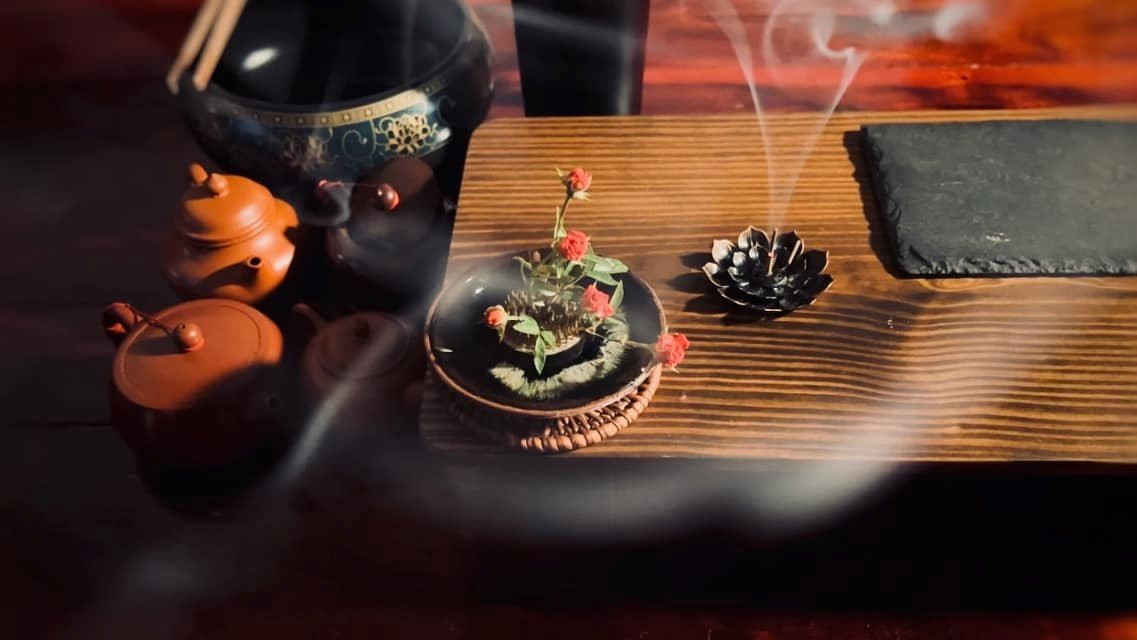
In the room, people sat cross-legged on cushions, surrounded by the warm steam emanating from a cup of ancient Shan Tuyet tea, subtly scented with the aroma of the mountains and shimmering with an amber-like golden hue.
The first sip has a slightly bitter taste, followed by a sweet aroma in the throat. This is similar to the meaningful bitterness in the philosophy of life. How much suffering is there in life? From the characteristic of tea—bitter at first, then sweet—people can understand how to find joy in suffering, knowing the lingering aftertaste to calmly overcome difficulties.
While enjoying tea, we listened to discussions about the origins of different types of tea. Each type of Yixing clay teapot is used for a specific type of tea. The art of appreciating aroma and flavor, the method of brewing a delicious pot of tea, and the culture of tea ceremony... all were explored through contemplation.
The tea lady's nimble hands, in a sudden flash of light, understood that each type of tea had its own rules for "enjoying" it. A wide-mouthed cup was more suitable for drinking black tea. White Crane tea in summer seemed more astringent, while in winter and spring it had a greener color. When poured into Pu-erh tea, the bottom of the cup would become gleaming like sharp eyes...
Tea ceremony has long been a form of "intermediate" culture for understanding life and practicing the Way. People practice the tea ceremony through the "six aspects of tea ceremony," which include: tea rituals, tea rules, tea methods, tea techniques, tea artistry, and the heart of tea. The core of the tea ceremony is the "heart." And the way to cultivate the heart of tea is to refine oneself in the "skill."


The art of tea making begins with small details, such as boiling water for the tea leaves. Knowing which teas require water at 70 degrees Celsius, and which will burn if the temperature is too high, ruining the sweet aftertaste, is crucial. Even the correct amount of water and tea leaves for a single brewing session in a handleless teapot requires careful consideration.
Day after day, month after month, these tasks gradually became an ingrained, calm, and normal reflex. It is precisely from these seemingly insignificant things that the "ordinariness" of the tea ceremony teaches people to accumulate small things into great ones, and not to disdain small tasks.
Practicing the tea ceremony is about cultivating one's mind and character, tasting the bitterness to understand life, and observing the changes in tranquility. The joys and sorrows of life naturally fade into nothingness.
Source