

Despite unfavorable weather conditions over the past year, high fuel costs for fishing trips, and continued hardship for fishermen, Binh Thuan's fisheries sector has strived to fulfill its planned targets. This is a positive sign for the industry and a stepping stone towards achieving the goals for 2024.
There are many advantages.
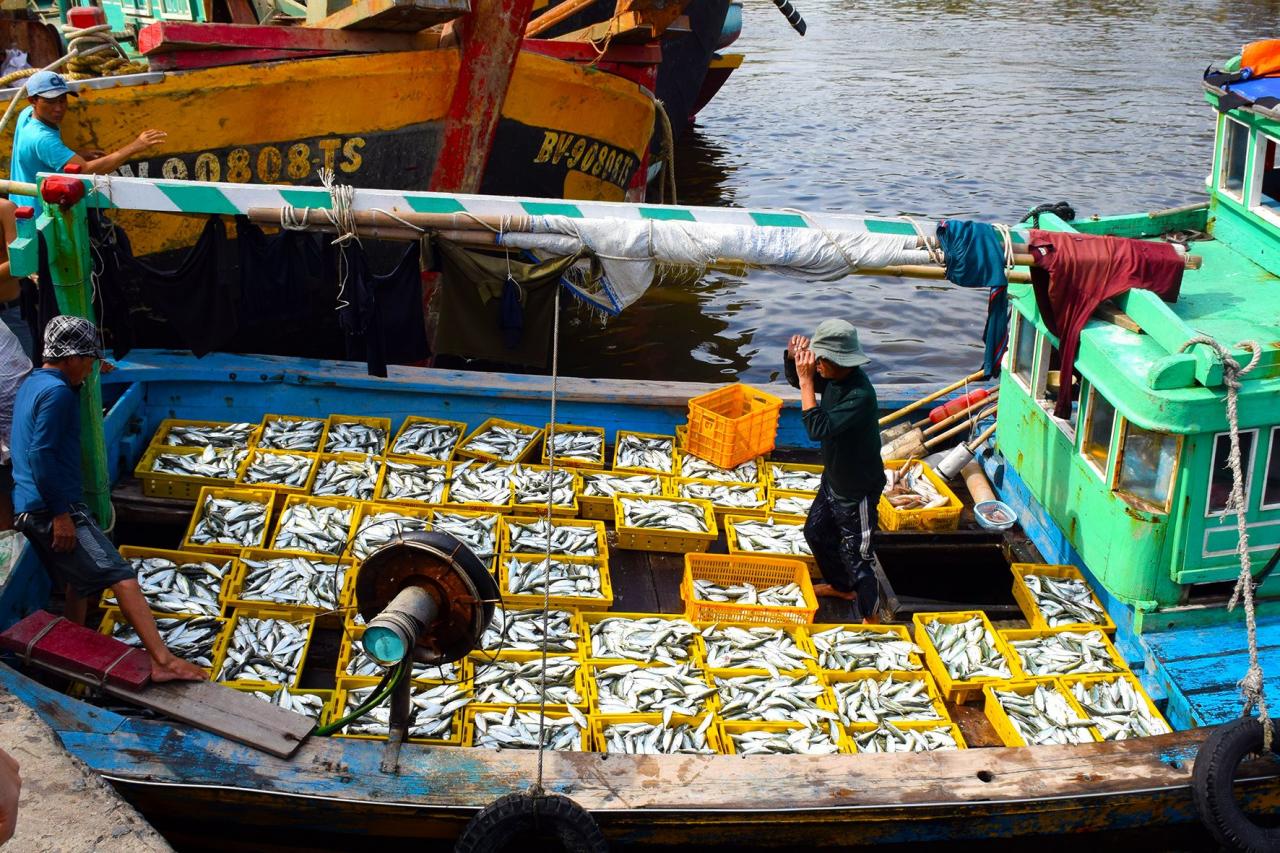
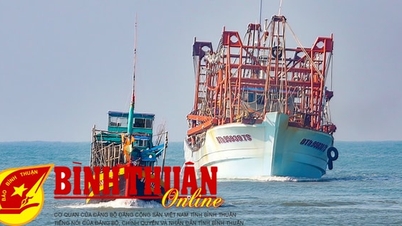
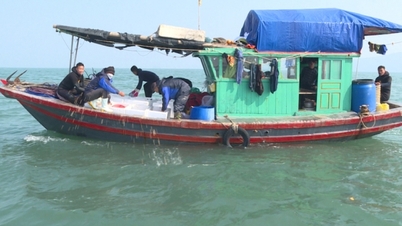
For many years, the people of Binh Thuan have primarily relied on abundant and economically valuable aquatic resources for their economic development. In 2023, the situation regarding marine fisheries exploitation in the province was relatively favorable. Offshore fisheries exploitation developed efficiently and sustainably based on gradually reducing fishing intensity and organizing good fisheries logistics services. In 2023, the harvested aquatic product output reached over 235,000 tons, an increase of 1.7% compared to 2022. In addition, the protection, regeneration, and development of aquatic resources, linked with biodiversity conservation and the livelihoods of fishing communities, were strengthened. The province's Fisheries Inspection Force continued to strengthen sea patrols, promptly preventing and strictly handling fishing vessels operating in prohibited areas, trawling vessels operating outside designated fishing zones, and those using destructive fishing methods, thus maintaining the sustainability of aquatic resources. In particular, the Provincial Fisheries Department has strengthened and promoted the effectiveness of co-management models in protecting aquatic resources in the three communes of Tan Thanh, Tan Thuan, and Thuan Quy in Ham Thuan Nam district (three community organizations/288 households/814 members are granted the right to manage a sea area of 43.4 km2). The province is currently surveying and assessing the conditions of coastal areas to develop a plan to replicate the co-management model in protecting aquatic resources in the province's coastal waters, contributing to the protection and restoration of aquatic resources and coastal ecosystems while stabilizing livelihoods for fishing communities.
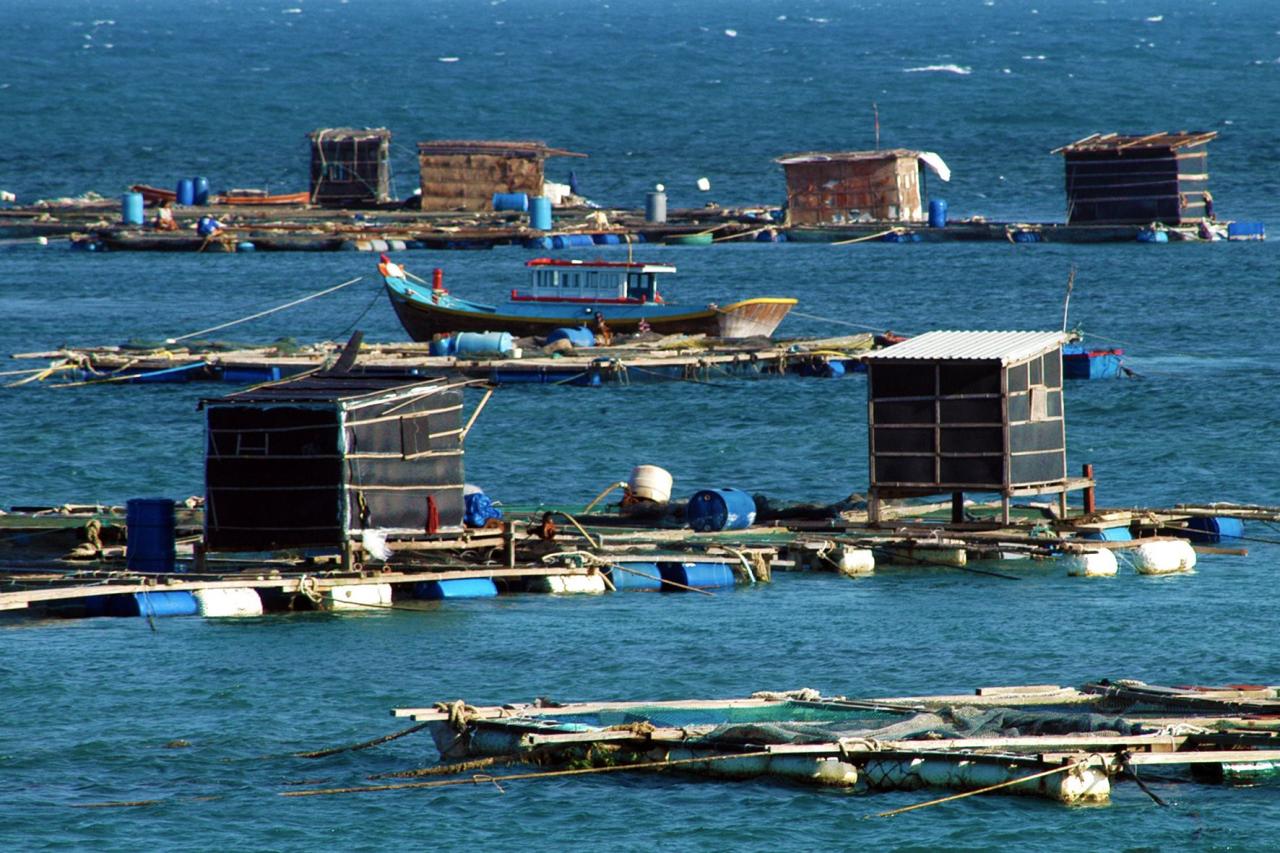
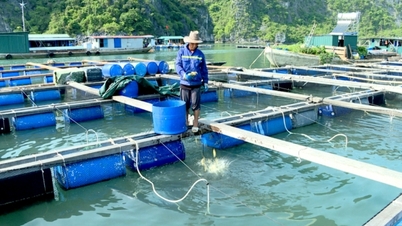
Simultaneously, the province has strengthened aquaculture with over 3,000 hectares developed in an intensive, industrial, and diversified manner, while also protecting the environment. Shrimp seed production is a key development advantage for the province due to favorable natural factors such as climate and water quality. Brackish water aquaculture is developing in a diversified manner to meet market demands, focusing primarily on shrimp farming, especially whiteleg shrimp. Freshwater aquaculture focuses on developing a variety of economically important species: sturgeon, eel, snakehead, and catfish. Currently, aquaculture is concentrated in the areas of Ham Tan, Tuy Phong, Bac Binh, Phan Thiet, and Ham Thuan Nam. Two-thirds of this area could be used for intensive and semi-intensive shrimp farming, concentrated in Ham Tan (340.2 ha) and Tuy Phong (445.5 ha). In addition, there are five large and small bays that are very favorable for cage and raft farming of various species such as lobsters, groupers, clams, scallops, pearl oysters, etc. Marine aquaculture in Phu Quy and Tuy Phong districts is developing strongly, focusing on farming some economically valuable species such as groupers, lobsters, and snappers... with a production of about 120 tons/year.
Efforts to overcome difficulties
Along with fishing and aquaculture, Binh Thuan province has focused on seafood processing. The seafood processing industry has gradually invested in technological innovation, improving product design and quality to meet the increasingly high demands of the market. Many businesses have invested in building quality management systems according to HACCP and ISO standards. To date, the province has 212 seafood processing facilities certified as meeting food safety standards; of which, 22 businesses export seafood to China, South Korea, the US, Japan, the EU, and ASEAN. The main seafood products for export are marine fish, squid, octopus, and bivalve mollusks.
However, the fishing industry still faces many difficulties. Fuel prices remain high, and the selling prices of seafood products have not increased proportionally, while the cost of each fishing trip remains high, thus causing many hardships for fishermen. In addition, shrimp seed production in the province in 2023 faced many obstacles due to a decrease in the nationwide market for shrimp seeds, resulting in sluggish production and many facilities temporarily suspending production. The situation for commercial shrimp farming in the province is similar, with changing weather conditions making shrimp farming difficult, high investment costs, and low yields, leading farmers to limit stocking shrimp seeds.
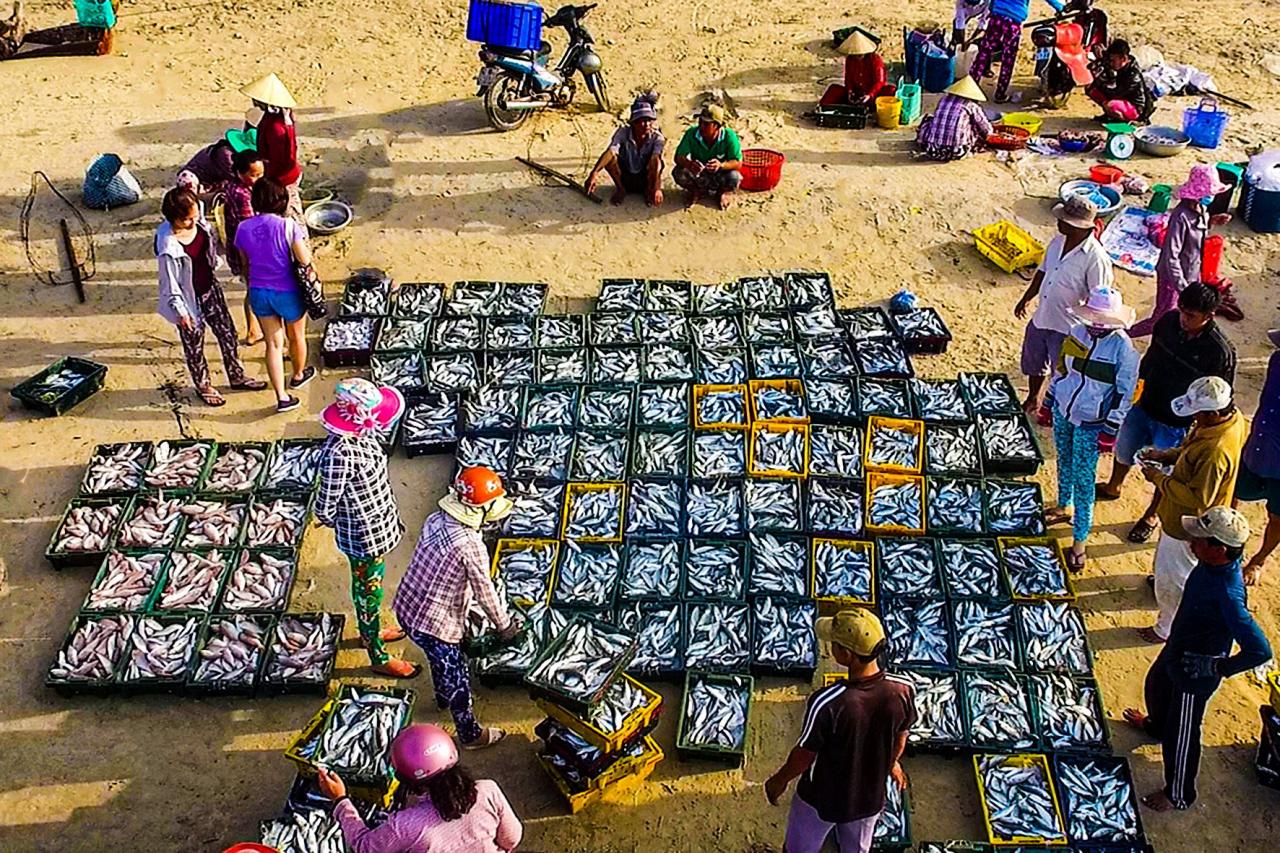
In 2024, the target for fisheries production is 210,000 tons. To achieve this target, the agricultural sector plans to restructure the offshore fishing fleet in conjunction with fisheries services. It will continue to develop modern and sustainable offshore fisheries, contributing to the protection of maritime sovereignty and islands. It will coordinate with relevant sectors to further strengthen and establish models of fishing teams, cooperatives, and enterprises linked to offshore logistics services. The province will effectively manage fishing vessels, striving for 100% registration of fishing vessels, reducing the number of fishing vessels in coastal and inshore areas, and implementing quota-based management and licensing for fishing. Simultaneously, the application of advanced preservation technologies on fishing vessels will be promoted to reduce losses and enhance the value of post-harvest products… Regarding aquaculture, the Department of Agriculture and Rural Development stated that it will develop a farming plan suitable to local conditions, diversify aquaculture species (freshwater, brackish, and saltwater); and promote marine aquaculture with high-economic-value species. It will improve the quality of shrimp larvae, striving for a production of 25.5 billion post-larvae. It will maintain the Binh Thuan shrimp larvae brand and affirm its position as a national shrimp larvae supply center…
M. VAN
Source


![[Photo] General Secretary and President To Lam presides over a working session with the Central Policy and Strategy Committee on the development of the materials industry.](https://vphoto.vietnam.vn/thumb/1200x675/vietnam/resource/IMAGE/2026/05/21/1779359935432_a3-bnd-3129-1412-jpg.webp)






























































Comment (0)