

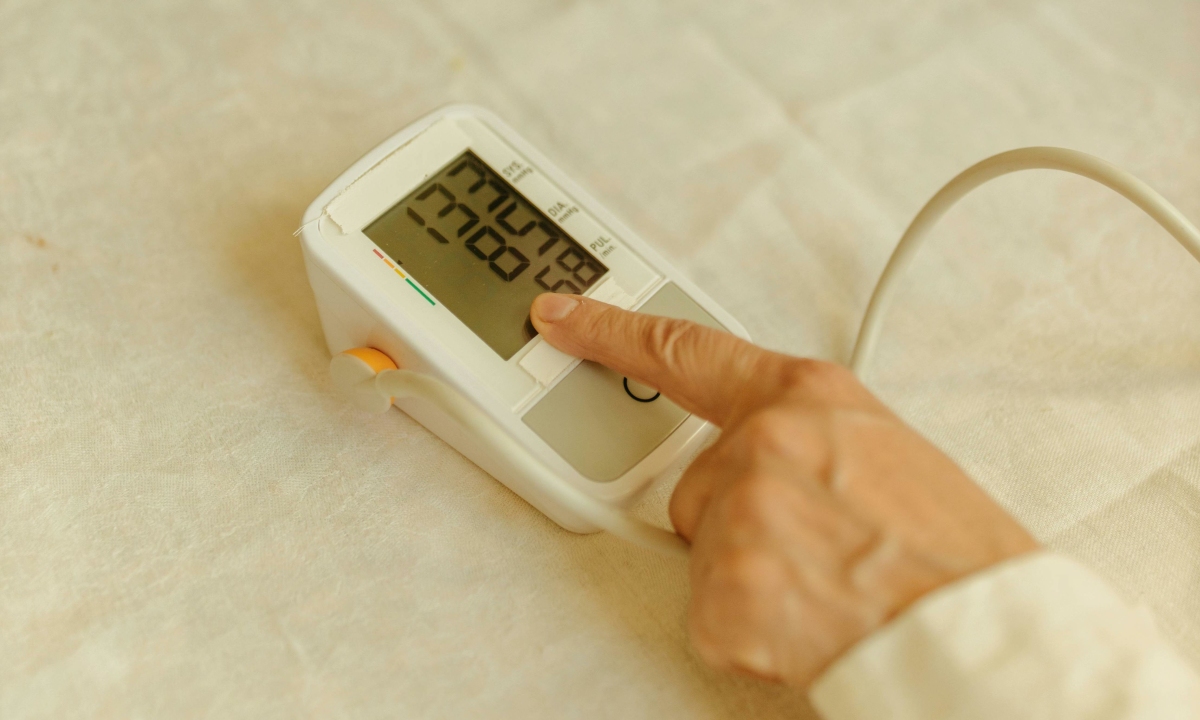
To prevent complications from hypertension, it is necessary to eat a healthy diet, maintain moderate and regular exercise, and have good lifestyle habits.
According to Dr. Bui Thi Yen Nhi, University Medical Center of Ho Chi Minh City - Branch 3, lifestyle and dietary interventions are a reasonable and effective treatment method for patients with hypertension at any stage.
Healthy eating
Control your total calorie intake.
Weight management is crucial for people with high blood pressure. Being overweight or obese increases the burden on the heart and raises blood pressure. Therefore, hypertensive patients should control their total calorie intake and maintain a healthy weight.
Develop a reasonable diet plan tailored to your individual circumstances. Choose low-calorie, nutrient-rich foods such as vegetables, fruits, and whole grains.
Streamline the quantity and amount of meals.
Overeating puts a strain on the digestive system and is not conducive to blood pressure control. A diet should include three meals, each with moderate portions.
One method is to divide meals into 5-6 smaller portions to reduce the burden on the digestive system. Additionally, dinner should be as light as possible to avoid overeating, which could affect blood pressure at night.
Reduce salt intake and increase appropriate amounts of potassium, magnesium, and calcium.
Consuming too much sodium is one of the causes of high blood pressure. Controlling sodium intake can help lower and stabilize blood pressure.
It is recommended to use low-sodium salt to replace regular table salt, gradually reducing each person's daily salt intake to below 5g.
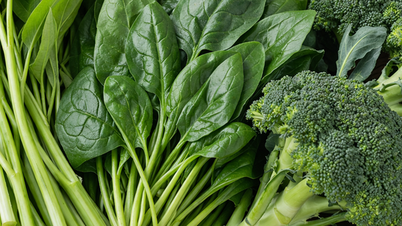
Implement a "salt-controlled spoon" in your daily life. Eat plenty of foods rich in potassium, magnesium, and calcium such as kelp, seaweed, spinach, kale, red beets, mushrooms, celery, broccoli, bananas, peas, sweet potatoes, etc. Eat tomatoes, cucumbers, apples, and other vitamin-rich fruits and vegetables in moderation. Additionally, whole grains and cereals like brown rice, oats, and buckwheat are rich in fiber and support good digestion.
Reduce your intake of unhealthy fats.
Control the proportion of fat in your energy intake to 25-30%, while paying attention to the type of fat. Eat less fatty meat and animal oils, and limit foods high in cholesterol such as animal brains and organs, and whole milk. Use more vegetable oils such as soybean oil, peanut oil, and sunflower oil.
Eat enough high-quality protein.
High-quality protein plays a crucial role in maintaining blood vessel elasticity and lowering blood pressure. Patients with hypertension should prioritize foods containing high-quality protein such as fish, poultry, eggs, and soy products.
Eat fish at least twice a week, prioritizing fish rich in unsaturated fatty acids such as salmon, mackerel, and tuna. Eat beans and soy products in moderation, such as tofu and soy milk.
Quit smoking and limit alcohol consumption.
Smoking and drinking alcohol are risk factors for high blood pressure.
You should resolutely quit smoking and avoid the harmful effects of secondhand smoke. Drink alcohol in moderation, with daily consumption not exceeding 25g of alcohol for men (2 standard drinks) and 15g of alcohol for women (one standard drink). Do not drink alcohol on an empty stomach to avoid putting extra strain on your liver.
Drink tea instead of alcohol. The tannins in tea function similarly to vitamin E, which can increase the elasticity of capillaries. Therefore, people with high blood pressure can drink tea in moderation, which is beneficial for preventing and treating the disease.
Moderate and regular exercise
Moderate exercise can help lower blood pressure and reduce physical strain. Patients with hypertension should choose low-intensity exercises such as walking, tai chi, yoga, and qigong to avoid strenuous activity.
Engage in at least 150 minutes of moderate-intensity aerobic exercise per week, such as walking, swimming, or yoga. Avoid strenuous exercise and exercise in extreme weather conditions. If possible, develop a suitable exercise plan under the guidance of a doctor or trainer.
Maintain good lifestyle habits.
Good work and rest habits are also crucial for controlling blood pressure. Getting enough sleep and maintaining a regular routine helps keep blood pressure stable. Aim for 7-8 hours of sleep each day, avoid staying up late, and ensure you get enough sleep. Create a regular sleep schedule and try to stick to it. If you experience problems such as sleep disorders, consult a doctor for advice and treatment.
By making comprehensive adjustments to their diet and lifestyle, people with high blood pressure can better manage their condition and reduce the risk of complications. However, these adjustments should be tailored to the individual's physical condition and the recommendations of their doctor.
America and Italy
Source link


































































































Comment (0)