

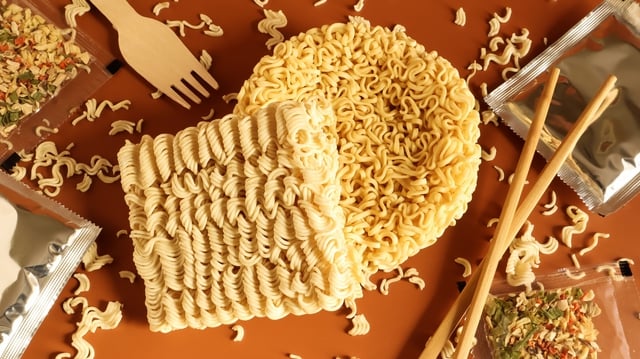
Understanding fried noodles and non-fried noodles correctly.
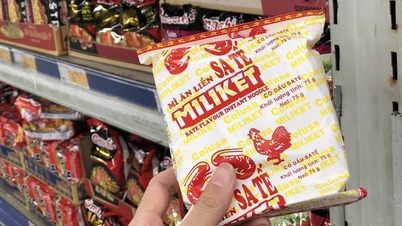
There are many different types of instant noodles on the market, but basically they can be divided into two categories: "fried noodles" and "non-fried noodles". So, what is the difference between non-fried and fried noodles? And which type is safer for your health?
According to research on the production process at Acecook Vietnam's Japanese-technology noodle factory, both fried and non-fried noodles are steamed before drying. Both types comply with the Codex Standard 249-2006, established by the International Codex Technical Committee, and the Vietnamese General Department of Metrology and Quality (TCVN 7879:2008). Instant noodle products that have been certified as conforming to these standards are considered safe.
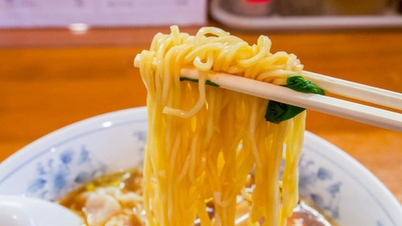
Non-fried noodles - the noodle strands will be dried using hot air at a temperature of approximately 80 degrees Celsius (for about 30 minutes) to reduce the moisture content in the noodle strands to below 10% after drying.
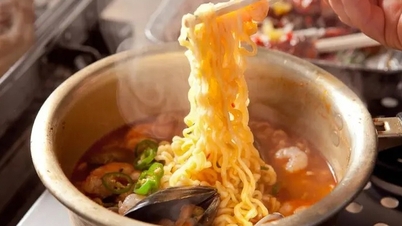
Fried noodles - the noodles are fried in palm oil at a temperature of approximately 160-165 degrees Celsius for about 2.5 minutes. After frying, the moisture content of the noodles is less than 3%.
Thus, it can be seen that both methods reduce the moisture content of the noodles to a low level, preventing microbial growth and allowing the noodles to be preserved for longer, from 5 to 6 months.
Therefore, both fried and non-fried noodles are safe for health. When choosing a product for the family, users can choose the appropriate option depending on their preference for noodle type, flavor, or cooking method.
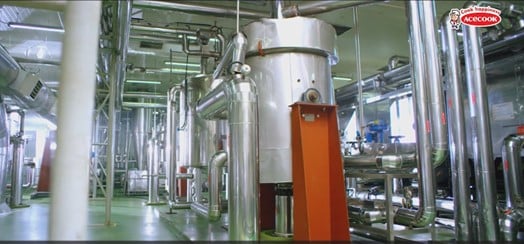
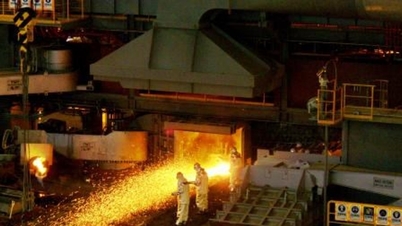
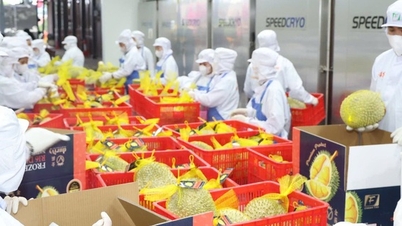
The frying process at a noodle manufacturing plant using Japanese technology.
Are concerns about frying oil really necessary?
Even today, many people are still hesitant about fried noodles because they fear the frying oil and its potential toxicity due to high levels of trans fat – a type of fat harmful to health. Some even blanch noodles two or three times before eating them to reduce the risk of toxicity. However, these concerns are unnecessary because instant noodle production techniques are now far more advanced than they were two decades ago. Manufacturers have invested in advanced production lines and technologies with closed-loop and almost fully automated processes.
For fried noodles, the oil is heated indirectly by steam, then channeled into the frying pan through a sealed pipe. Throughout the frying process, the oil temperature remains stable. Therefore, with this new technology, there is no such thing as stale oil, while ensuring that the oil's oxidation index meets Vietnamese standards. On the other hand, the oil used for frying noodles is vegetable oil, derived from palm oil, in a viscous form due to cold-pressing separation and filtration. The combination of using safe raw materials and a modern frying process has helped manufacturers tightly control and minimize the generation of trans fat. This is partly proven by the test results from Center 3 (2016), which showed that some instant noodle products in Vietnam have very low trans fat content, ranging from 0.01-0.04g.
In short, fried or non-fried noodles, if produced by reputable manufacturers using modern processes, are equally safe. However, when consuming any food, we need to pay attention to nutritional balance across different food groups. For example, when eating noodles, it's advisable to combine them with other foods like vegetables, meat, and eggs to create a complete meal.
Source link





















































![[Video] Sunset at Lap An Lagoon – Where the sun sets over the fishing nets](https://vphoto.vietnam.vn/thumb/1200x675/vietnam/resource/IMAGE/2026/05/31/1780192137701_beach-landscape-sea-water-nature-grass-745871-pxhere-com.jpeg)

































Comment (0)