Beyond simply expanding the cultivated area, this model focuses on reorganizing production, synchronizing seed varieties, mechanizing, applying intensive farming techniques, and especially establishing close links from production to consumption, thereby increasing added value.
According to the Department of Crop Production and Plant Protection (Gia Lai Provincial Department of Agriculture and Environment), the province maintains 334 large-scale and linked rice fields annually, with an average total area of 12,811 hectares, mainly concentrated in the eastern part of the province. In addition, 8 large-scale and linked rice seed production projects are being implemented.
From interconnected fields to productive golden harvests.
These days, as the winter-spring rice crop begins to enter the harvest season, the vast fields are adorned with a vibrant golden hue as the rice paddies stretch out, ripening evenly.
This year, despite facing the dual impact of rising input costs due to fuel prices and falling rice prices compared to the same period last year, farmers participating in cooperative models have still managed to maintain profitability.
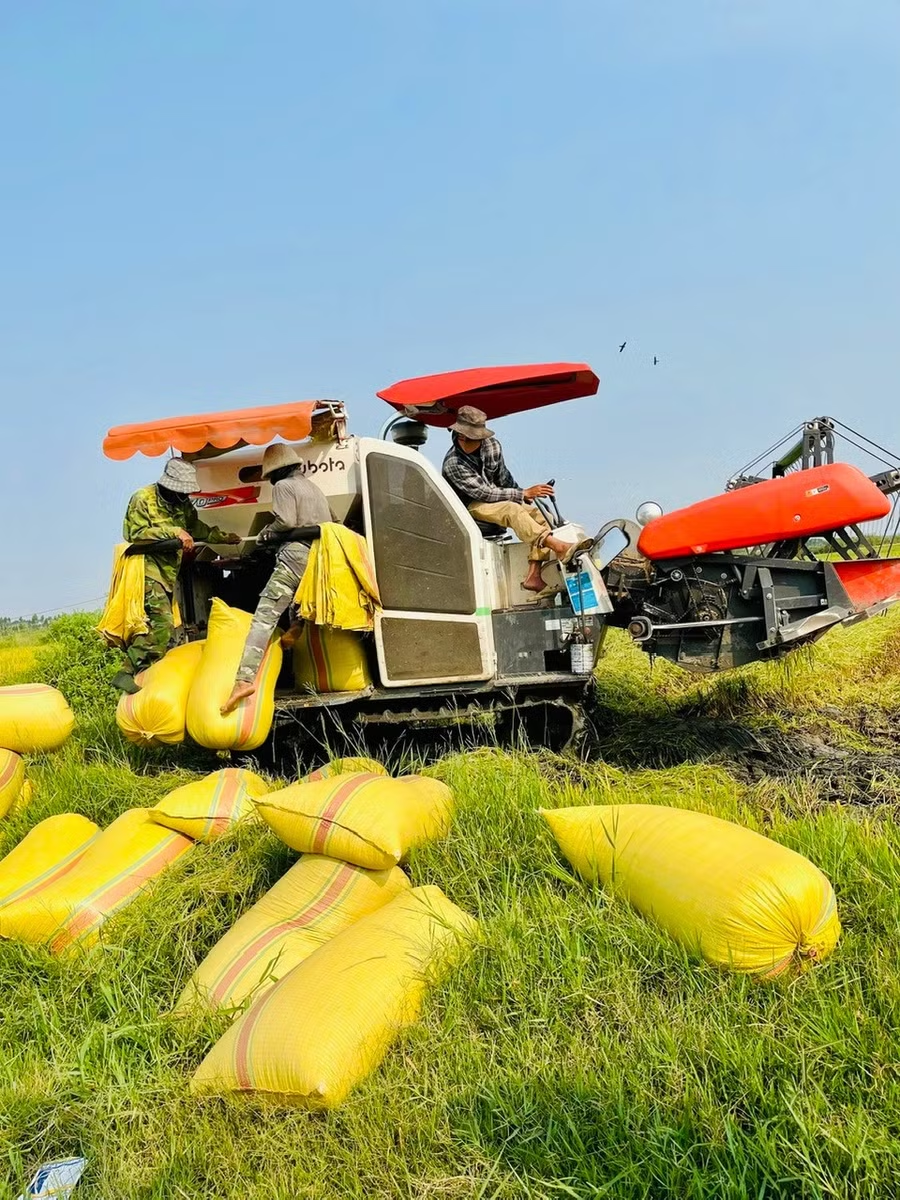
In the vast fields of Pờ Tó commune, the sounds of combine harvesters and threshing machines blend with the joyful conversations of the people, creating a vibrant atmosphere during the harvest.
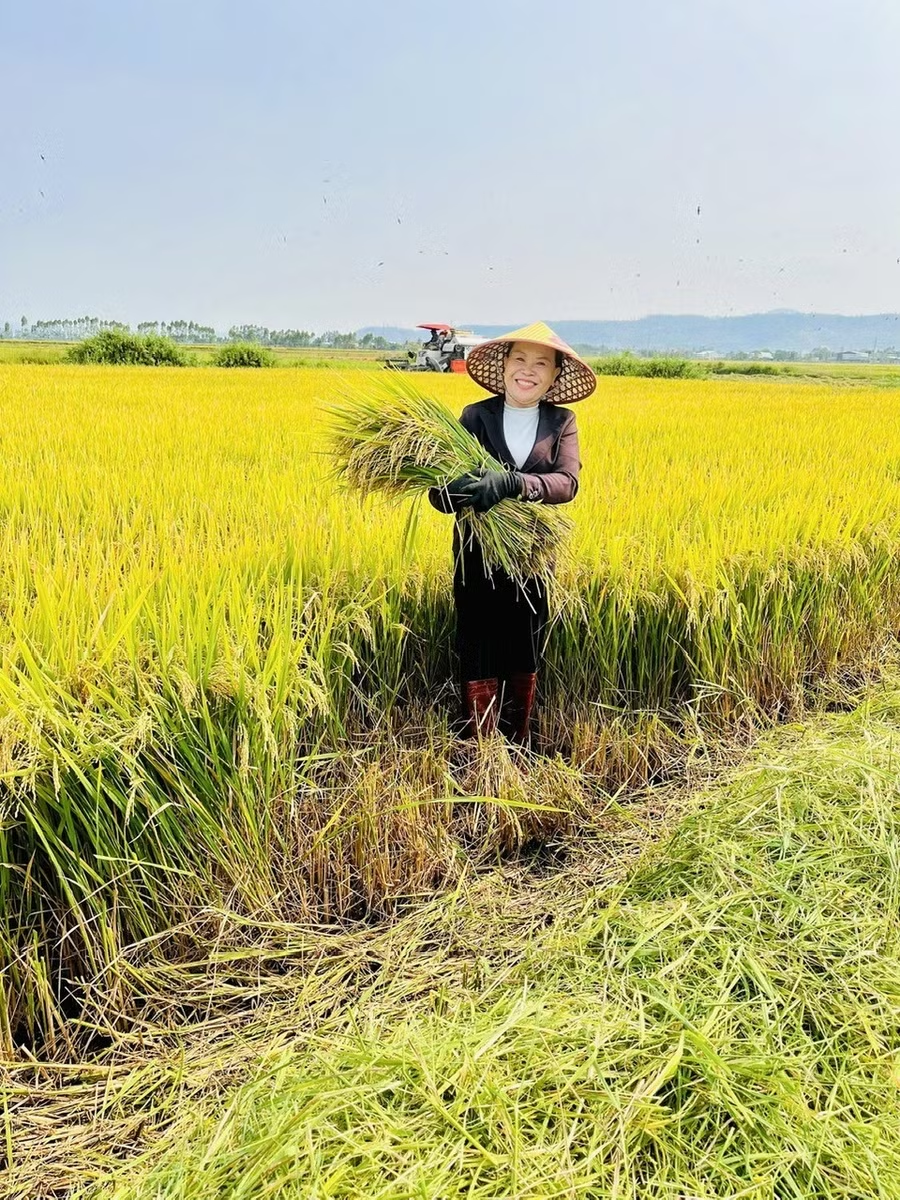
Holding a bundle of golden, plump rice stalks in his hands, Mr. Pham Van Huynh (village 2) excitedly shared that with 10 hectares of rice participating in the model, the yield this Winter-Spring season reached 9-10 tons/ha, and the Summer-Autumn season reached 6.5-7 tons/ha.
Thanks to adherence to technical procedures and guaranteed purchase by businesses, the price of rice is always about 200 VND/kg higher than the market price. On average, each hectare yields a profit of over 30 million VND; this year's Winter-Spring crop alone brought the family a total profit of over 300 million VND.
"Since participating in the large-scale rice field model with a single rice variety, our farmers have been able to connect with businesses providing quality rice seeds and guidance on cultivation techniques, thanks to the Dai Dong Agricultural Cooperative (Po To commune), which has linked us with businesses. As a result, rice yields have consistently remained high," Mr. Huynh added.
Besides increasing productivity, the model also helps reduce costs and labor. Ms. Dinh Thi Hoa (Hamlet 1, Po To Commune) shared that land consolidation allows machinery to access the fields, from land preparation and sowing to harvesting. In previous years, yields reached 9-12 tons/ha, with profits of 30-35 million VND/ha/season.
Although this year the family's rice crop was affected by disease, resulting in a yield of only 7 tons/ha and a decrease in selling price, the profit still reached 20 million VND/ha - a level that is still profitable despite the increase in input costs.
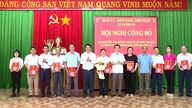

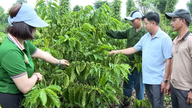
Mr. Ha Quang Hien, Chairman of the Board of Directors and Director of Dai Dong Agricultural Cooperative, said: The cooperative is implementing a large-scale rice field project with a single rice variety covering an area of 135 hectares.
Standardizing rice varieties not only helps control diseases but also increases productivity, reaching over 8.5 tons/ha in the Winter-Spring crop and more than 7 tons/ha in the Summer-Autumn crop.
The average total output is over 12,420 tons per year. Of this, approximately 50% is purchased and processed by the cooperative; the remainder is sold through partnerships with businesses.
As a result, farmers can produce with peace of mind, with profits reaching 35-40 million VND/ha in previous years. This year, however, due to increased input costs caused by rising fuel prices and lower selling prices, profits have reached only 20-30 million VND/ha.
Similarly, in An Nhon Nam ward, the model of a nearly 100-hectare rice seed field continues to be effective. Mr. Pham Van Tan - Chairman of the Board of Directors and Director of Nhon Tho Agricultural Cooperative II - informed: This year's Winter-Spring crop, farmers mainly produced TBR1, TBR97, and TBR85 varieties, with technical guidance and product purchase guaranteed by ThaiBinh Seed Co., Ltd. - Central and Western Highlands Branch ( Da Nang City).
"Despite rising input costs, yields still reached 7.5-8 tons/ha, and the purchase price was around 8,375 VND/kg, higher than the market price, helping people maintain profits," Mr. Tan affirmed.
Expanding the scope of linkages, aiming towards commodity production.
The effectiveness of existing models is laying the foundation for many localities to continue expanding large-scale and integrated farming areas. In Chu A Thai commune, with over 2,000 hectares of rice paddies, the locality has formed three production-consumption linkage chains.
With an average yield of 7.5-8 tons/ha, previous seasons saw selling prices ranging from 8,000-11,000 VND/kg, resulting in profits of 25-30 million VND/ha. Some of the cooperative's rice products have received OCOP certification, demonstrating a shift from raw production to value enhancement.
According to Mr. Pham Van Quyen, Head of the Economic Department of Chu A Thai commune, the formation of concentrated production areas on a scale of hundreds of hectares creates favorable conditions for land consolidation, mechanization, and the uniform application of technology.
Based on that, the locality is orienting the development of large-scale, interconnected farming areas, using shared high-quality seeds, controlling inputs, and linking them to product buyback agreements.
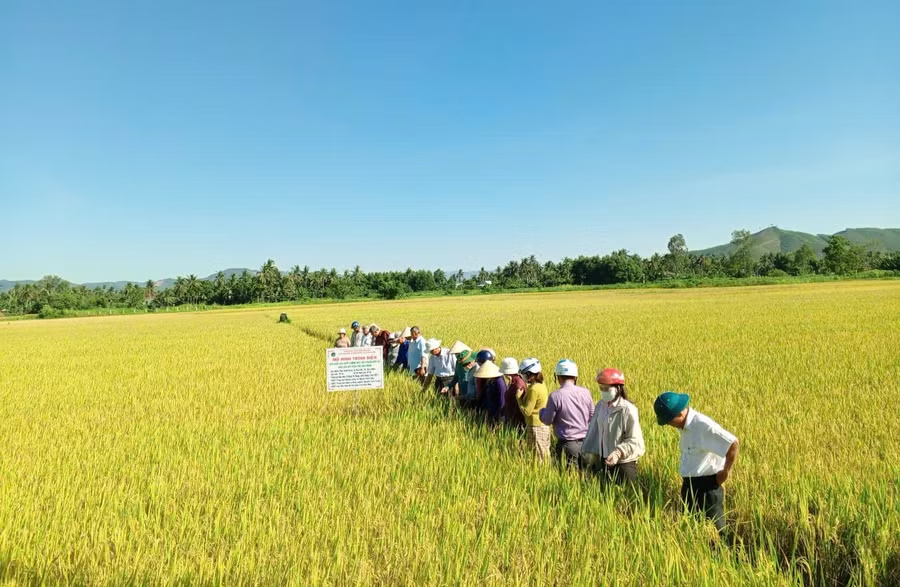
Meanwhile, in Tuy Phuoc Dong commune, the large-scale farming model is also being implemented on an increasingly expanding scale, reaching 265 hectares of large-scale model fields, 100 hectares of large fields, and 15 hectares of linked fields.
Yields in previous years reached 8-9 tons/ha, with profits of 30-35 million VND/ha. Although profits are expected to decrease this year's Winter-Spring crop due to increased costs, the overall efficiency is still higher compared to small-scale production.



“In fact, farming according to the large-scale, linked field model brings many advantages, especially helping farmers have a stable market for their produce. Therefore, the commune is assigning cooperatives to review and expand this model to large-scale fields for the upcoming Winter-Spring crop,” shared Mr. Ton Ky Hai, Vice Chairman of the Tuy Phuoc Dong Commune People's Committee.
Mr. Kieu Van Cang, Deputy Head of the Department of Crop Production and Plant Protection, affirmed: The large-scale farming model and production-consumption linkage have yielded clear results.
The synchronized application of processes helps reduce costs for seeds, fertilizers, and pesticides; at the same time, it enhances farming capacity through the transfer of scientific and technical knowledge. In particular, the contract-based purchasing mechanism helps stabilize output and yields profits 10-16 million VND/ha higher than non-cooperative models.
Based on that foundation, the agricultural sector has decided to continue maintaining and expanding the large-scale farming model, not only for rice but also for other key crops. The orientation is to organize production towards concentrated, specialized commodity production, forming standardized raw material areas, linked to deep processing and export.
The core of this process is not just expanding the cultivated area, but upgrading the entire value chain: from production and harvesting to processing and consumption. When businesses become deeply involved in the supply chain, farmers not only solve the problem of output but also gradually access modern production methods, reduce market risks, and limit the situation of "bumper harvest, low prices".
Source: https://baogialai.com.vn/mo-rong-canh-dong-lon-nang-tam-hat-lua-post585601.html