

 |
Ronaldo, one of the most anticipated stars at the 2026 World Cup. Photo: Reuters . |
At the World Cup, the top scorer receives the "Golden Boot," and the best goalkeeper receives the "Golden Glove." But the 2026 tournament could also bring FIFA another "gold mine": billions of dollars in additional revenue from ticket sales.
Ticket prices are now so high that even US President Donald Trump has said he wouldn't spend money to buy them.
In an article on The Conversation , Richard Sheehan, professor emeritus of Business and Economics at Notre Dame University and author of "Keeping Score: The Economics of Big Time Sports," argues that the biggest concern is that FIFA is driving its most loyal fans away from the World Cup.
At the 2022 World Cup in Qatar, first-class tickets for the group stage – the best seats – cost around $220 , while Qatari citizens could buy tickets for some matches for as little as $11 . First-class tickets for the final were around $1,600 .
But for the 2026 World Cup, FIFA is implementing a dynamic, real-time pricing mechanism for the first time. This means ticket prices are constantly changing and unpredictable.
When tickets went on sale at the end of 2025, first-class tickets for the group stage were priced at around $600 . Many matches have now exceeded $1,000 . First-class tickets for the opening match in Mexico City are currently over $2,500 , while third-class tickets – the lowest price – are also over $1,000 . For the final, first-class tickets initially cost over $6,000 but by early May had surpassed $32,000 .
Professor Sheehan estimates that the surge in ticket revenue could help FIFA surpass the $15 billion mark this World Cup season, far exceeding the organization's previously announced target of $11 billion . He believes the current ticket pricing strategy could help FIFA recoup profits that would typically go to ticket scalpers. However, this is unlikely to be well-received by fans.
More importantly, FIFA has yet to show how it will use that enormous sum of money, amidst years of criticism for its lack of transparency and corruption scandals.
How does FIFA make money?
FIFA is a non-profit organization registered in Switzerland, tasked with organizing tournaments and developing football globally. Every four years, the majority of FIFA's revenue comes from the World Cup.
The 1994 World Cup in the USA was considered a huge success, generating $700 million in net profit from a $550 million budget, primarily due to ticket sales and sponsorships exceeding expectations.
By 2022, FIFA's financial situation had grown significantly. Revenue for the period including the 2022 World Cup was initially projected at $6.44 billion but actually reached $7.57 billion , largely thanks to growth from television rights and marketing activities.
 |
FIFA President Gianni Infantino once declared he would personally bring hot dogs and Coca-Cola to those who bought tickets to the $2 million World Cup final. Photo: Reuters. |
Because Qatar owns smaller stadiums, FIFA initially projected rather modest ticket sales revenue. However, actual revenue far exceeded expectations, likely due to FIFA's cautious forecasting.
In terms of expenditure, spending generally stayed on track, with $2.8 billion allocated to development programs during the 2019-2022 period. However, thanks to the success of the 2022 World Cup, FIFA's reserve fund still increased from $2.81 billion to $3.89 billion .
Looking ahead to the 2026 World Cup cycle, FIFA projects revenue to increase by $4.36 billion compared to the 2019-2022 period, reaching $11 billion . The main drivers are ticket sales – up $2.59 billion – and television rights, which have increased by $890 million . Expenses are projected to increase by $4.57 billion , meaning FIFA estimates a surplus of only about $100 million , similar to the modest increase of the previous cycle. However, by 2024, FIFA had revised its revenue forecast for the 2023-2026 period to $13 billion .
Football tickets are a "gold mine."
The 2026 World Cup will be larger in scale, with more teams, more matches, and a significantly increased viewership. Although the stadiums will be considerably larger than those in Qatar 2022, demand will still far exceed supply.
FIFA received over 500 million ticket requests while there were only about 7.1 million seats available.
This disparity gives FIFA enormous pricing power. To mitigate the negative reaction, FIFA introduced "fan tickets" priced at $60, distributed through national federations. However, the number was very limited – under 600 tickets per match – and did little to quell the outrage.
Most tickets are sold in stages with progressively increasing prices. Additionally, FIFA benefits from ticket resale on its official platform.
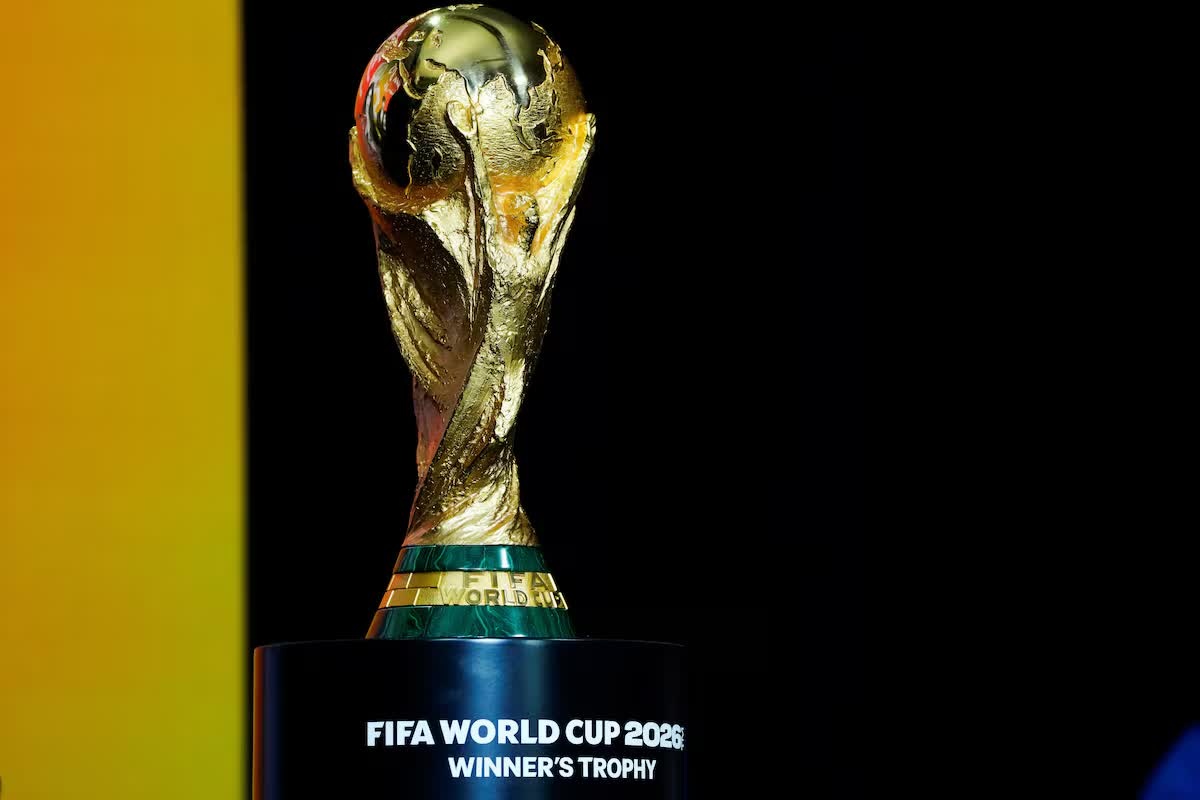 |
The 2026 World Cup is predicted to bring FIFA record ticket sales revenue. Photo: Reuters. |
According to Professor Sheehan's forecast, revenue from tickets and premium services could reach at least $7.44 billion – more than double FIFA's projected budget for this category.
He analyzed the average revenue from ticket sales and VIP packages at each match of the 2022 World Cup, which was approximately $14.5 million . With a budget of $3.1 billion for the 2026 World Cup, FIFA is implicitly forecasting that the average revenue per match will be around $30 million .
However, given the significantly larger stadiums and sharply increased ticket prices, this figure seems to considerably underestimate the actual revenue. Total revenue from ticket sales and VIP services reaching nearly $9 billion would "not be surprising." Professor Sheehan predicts FIFA's total revenue could reach $14-19 billion .
Where will the money be used?
Fans—whether buying tickets or watching on television—are a source of revenue for FIFA. In return, FIFA claims its goal is to develop football and make the sport more accessible.
However, as revenue increases, one has reason to question why this organization still needs to accumulate over $4 billion in reserves?
According to budget figures, FIFA appears to be reducing the proportion of spending on football development. In the 2019-2022 cycle, the budget for development accounted for 44% of total expenditure. By the 2023-2026 cycle, this percentage had decreased to 36%, and in the 2027-2030 plan, it will be only 29%. Conversely, the budget for organizing tournaments and events has increased significantly.
Current figures do not suggest that FIFA will use the increased revenue to drive social change or invest more deeply in community football.
This is not entirely surprising, given FIFA's long history of corruption, bribery, and financial fraud. Although the organization has undertaken reforms and established the FIFA Foundation with the stated goal of "using football to improve people's lives," many critics argue that transparency remains limited.
“FIFA says their goal is to ‘develop football, reach the world , and build a better future.’ But looking at the budget, it seems they are mainly focused on the first point,” Professor Sheehan observed.
Source: https://znews.vn/mo-vang-cua-fifa-post1653762.html






























































































Comment (0)