

EARNING MILLIONS FROM "FENNEL" TREES
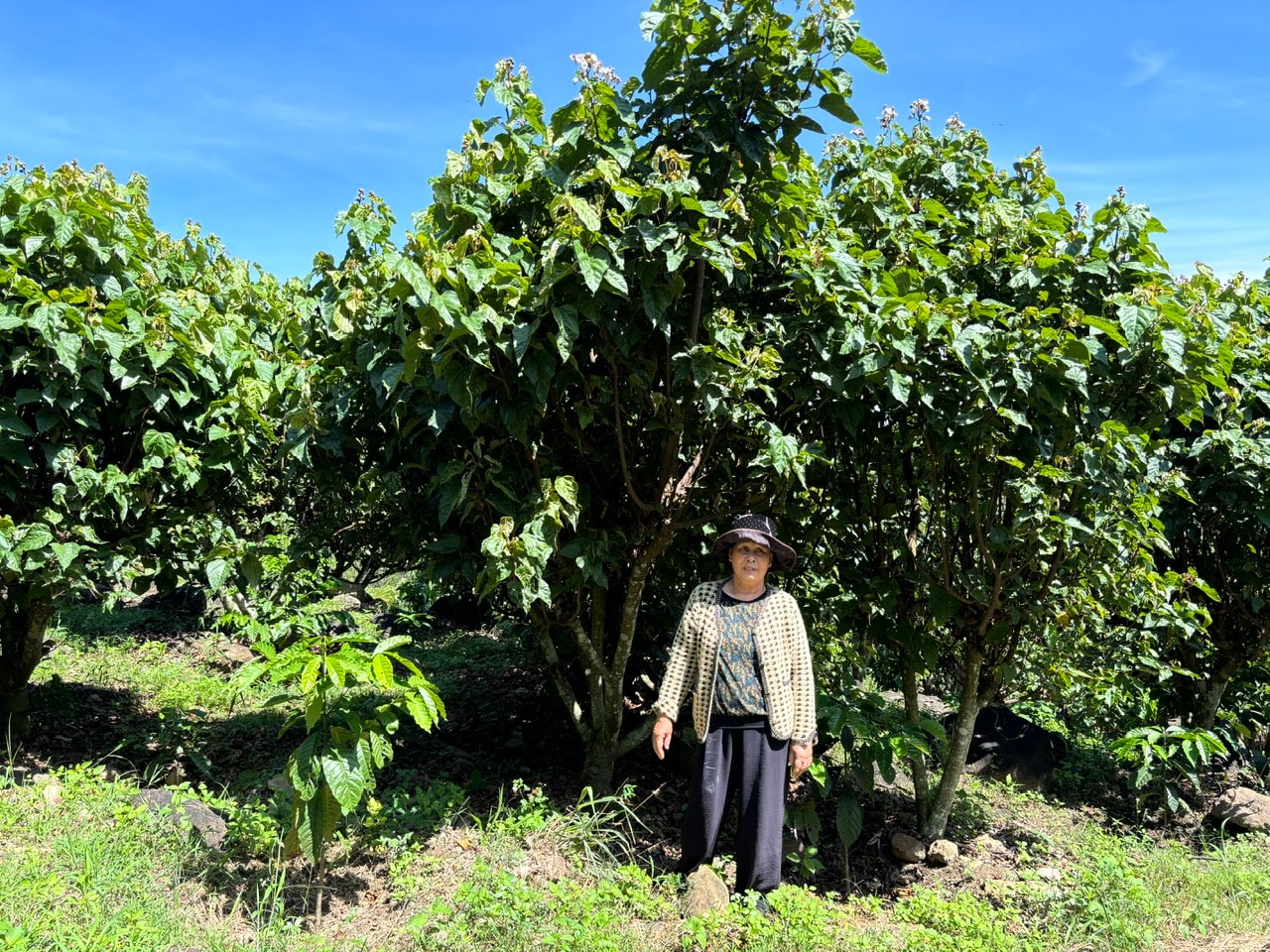
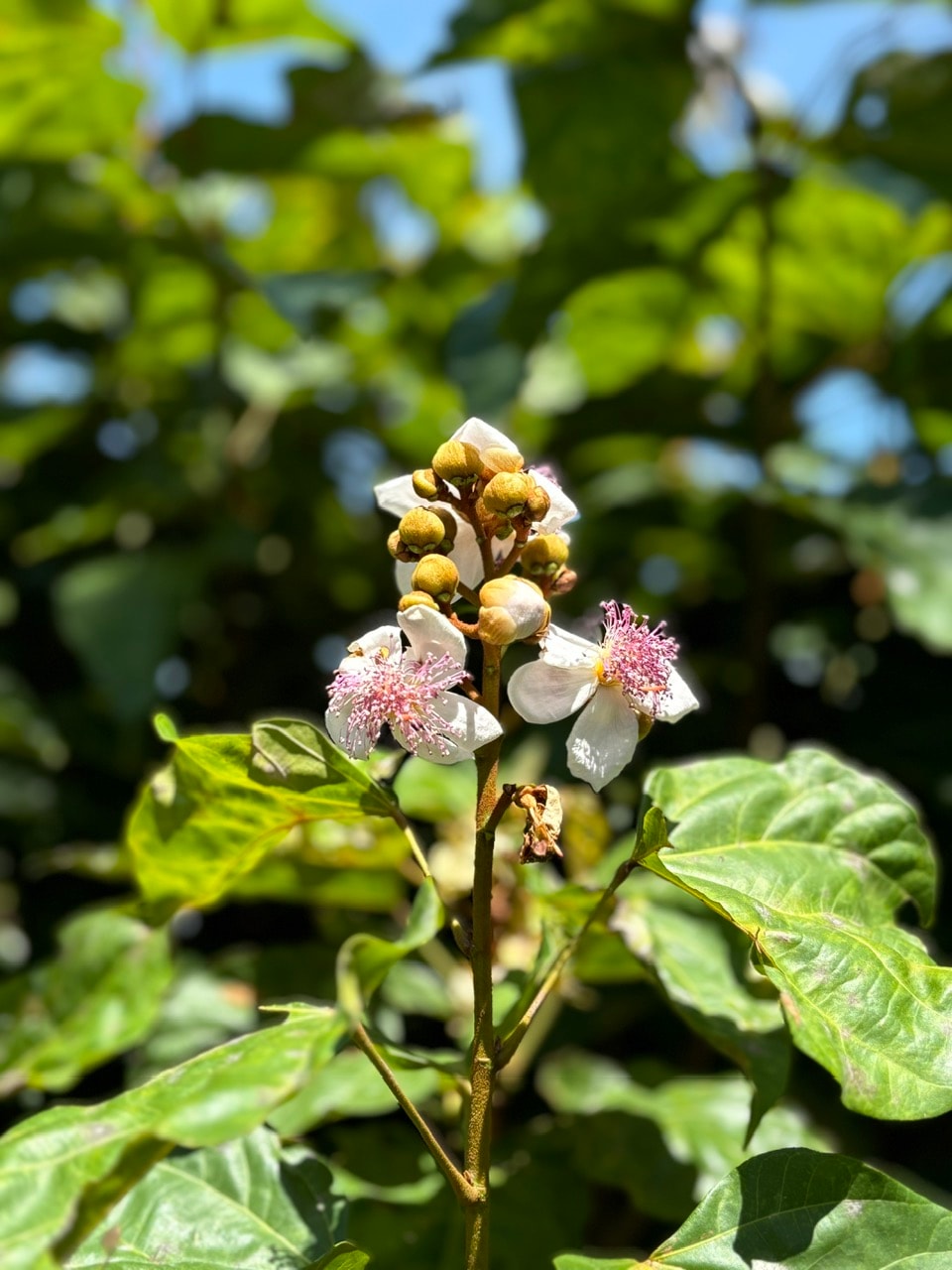
In her garden in Hamlet 3, Leng R'Sôi village, Gia Hiep commune, Mrs. Ka Doi (68 years old) proudly shows the rows of curry trees that have been a part of her family for more than half a lifetime. “My parents planted these curry trees to make a fence, but who would have thought that now people buy the seeds at such high prices. They don't need much care; they just bloom when the season comes, and when the seeds ripen, we harvest them to sell,” Mrs. Ka Doi recounts. “In the past, people used to plant varieties with small leaves, white flowers, taller plants, and later flowering, resulting in lower yields. Now, people have switched to planting varieties with pinkish-purple flowers and large leaves, which yield more, and are often called export curry. People now prefer the export curry variety because the flowers are beautiful, the plants grow quickly, and the yield is high,” the K'Ho woman explains.
She said that her family's curry garden has been planted for over seven years, without fertilizer or regular watering, yet the plants still thrive. "Every year, the harvest season coincides with the time when our grandchildren go to school, providing extra money for books, stationery, and clothes," Mrs. Ka Doi said. Curry plants bloom in May-June and are harvested in October-November, just before the coffee harvest season. Before coffee cultivation, many farming households earned income from the purple-flowered curry plant.
“Curry plants are very easy to grow, suitable for dry, rocky soil – places where other crops cannot be grown. People often uproot small wild plants to bring home and plant, or sow seeds directly. Curry plants grow very quickly and don't need much care. When they bear fruit, people cut the whole bunch, grind them to extract the seeds, and dry them,” Ms. Ka Doi shared. In previous years, when there wasn't much labor available, Ms. Ka Doi used to cultivate over 1 hectare of curry plants. She didn't need to tend to them, but she still had a harvest in season, providing her family with extra income right before the start of the school year.
Not only Mrs. Ka Doi's family, but many households in Gia Hiep commune and neighboring areas such as Phu Hiep 1, Phu Hiep 2... have maintained and expanded the cultivation of curry plants as green hedges, intercropped in coffee gardens, or planted intensively on less fertile land, even rocky soil. In 2024, curry plants fetched high prices, and farmers earned tens of millions of dong from this seemingly low-value crop.
CREATING BEAUTIFUL LANDSCAPES FOR COFFEE-GROWING AREAS
According to Ms. Nguyen Thi Thuy Dung, a women's affairs officer in Gia Hiep commune, Gia Hiep is home to a large number of ethnic minority people from the Central Highlands. Their main crop is coffee, a plant well-suited to Gia Hiep's soil conditions. "Coffee is a shade-loving plant that needs reduced sunlight and wind protection. At the same time, encouraging people to plant various other crops to create diverse landscapes is also a goal of Gia Hiep. Among these, curry plants have been and continue to be closely associated with the lives of the local people," Ms. Thuy Dung said.
According to Ms. Thuy Dung, almost all the people in Gia Hiep plant curry trees as boundaries between their coffee plantations. On rocky plots of land lacking irrigation, curry trees are planted densely. "For the past few years, the prices of both curry and coffee have been stable, making the people very happy and providing them with income to develop their family's economy ," Ms. Thuy Dung shared.
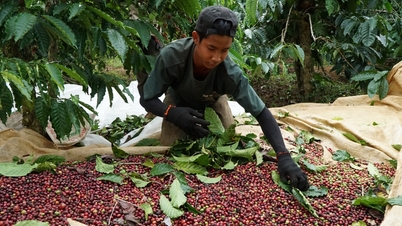
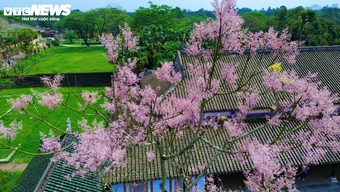
Ms. Thuy Dung herself is growing hundreds of curry plants in her garden. According to her, curry plants only need 18 months to start flowering. Each plant yields an average of 2-4 kg of seeds, which are processed, dried, and sold to traders. After harvesting, the villagers cut the plants horizontally, wait for the rain, and new shoots grow, continuing the cycle. "Curry flowers bloom profusely in June, a beautiful pinkish-purple color. This is also a unique feature of our Gia Hiep region," Ms. Thuy Dung proudly said. Currently, many hills in Gia Hiep are covered in the purple blossoms of curry plants, a dreamy color amidst the vast green of coffee plantations.
Curry seeds are now readily available on the domestic market, with many places using them as spices, producing essential oils, medicinal herbs, or for export. Prices fluctuate depending on quality and time of year, but the stability and clear market demand reassure the people of Gia Hiep, encouraging them to expand their operations. And, the vibrant purple of the blooming curry flowers also signals a season of abundance for the inhabitants of the Di Linh plateau.
Source: https://baolamdong.vn/mua-hoa-ca-ri-tim-doi-gia-hiep-381245.html
![[Photo] Prime Minister Pham Minh Chinh receives the Chinese Ambassador to Vietnam](https://vphoto.vietnam.vn/thumb/1200x675/vietnam/resource/IMAGE/2026/04/05/1775397481797_ndo_br_dsc-5512-jpg.webp)

























































Comment (0)