

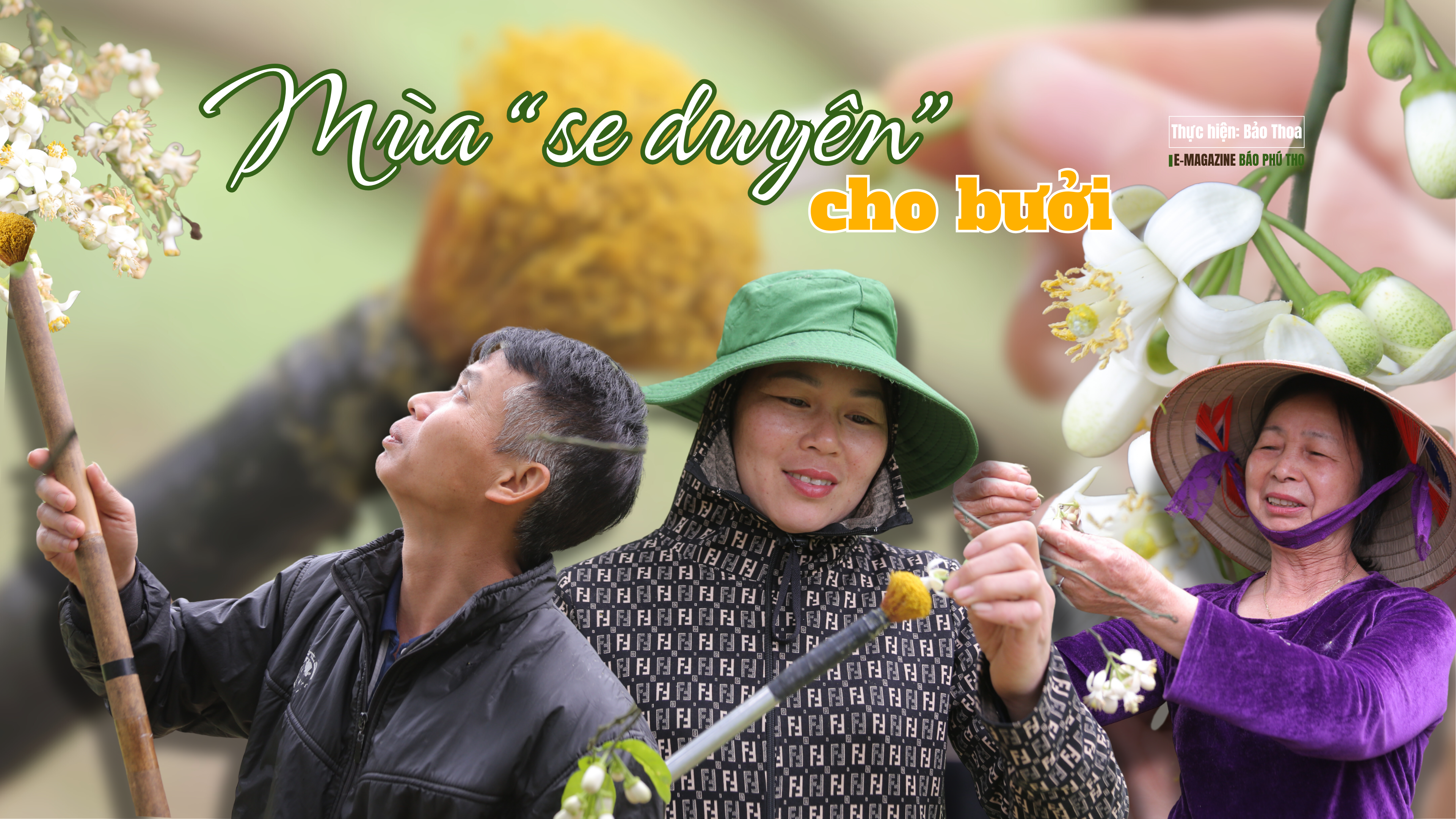
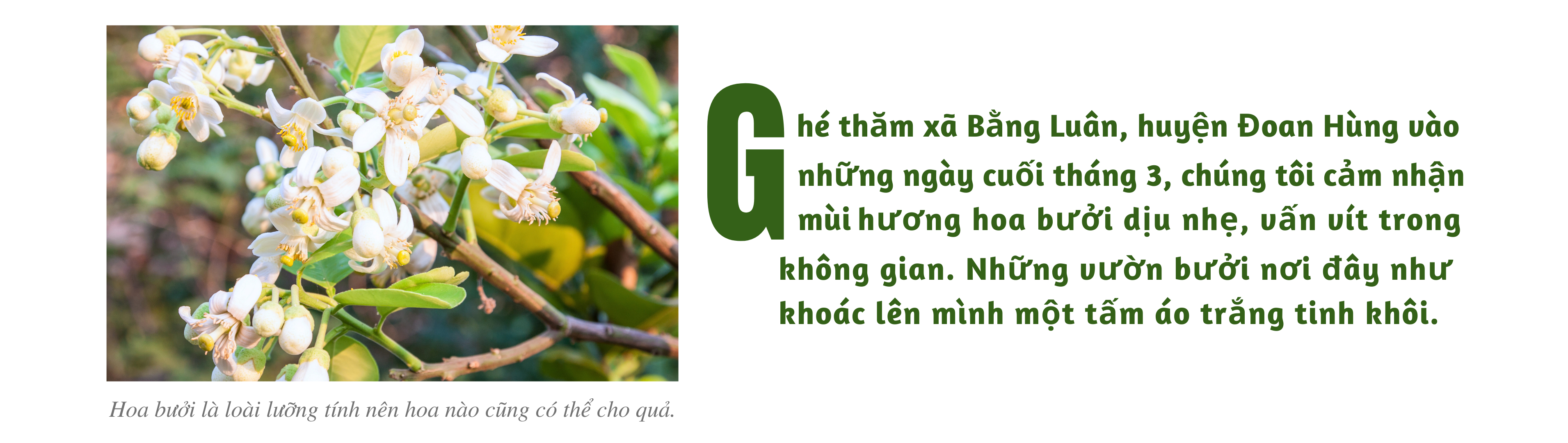
In the garden, groups of people busily get to work "pollinating" the pomelo blossoms. The pollination process is rhythmic and quick, but also very careful, because even a single forceful movement could cause the delicate petals to fall.
Bang Luan commune is one of the localities with the largest area of pomelo orchards in Doan Hung district. For the people here, the pomelo tree is not just a crop but also a source of pride and livelihood. Every time the pomelo blossoms bloom, they are busy tending their orchards to ensure a bountiful harvest.
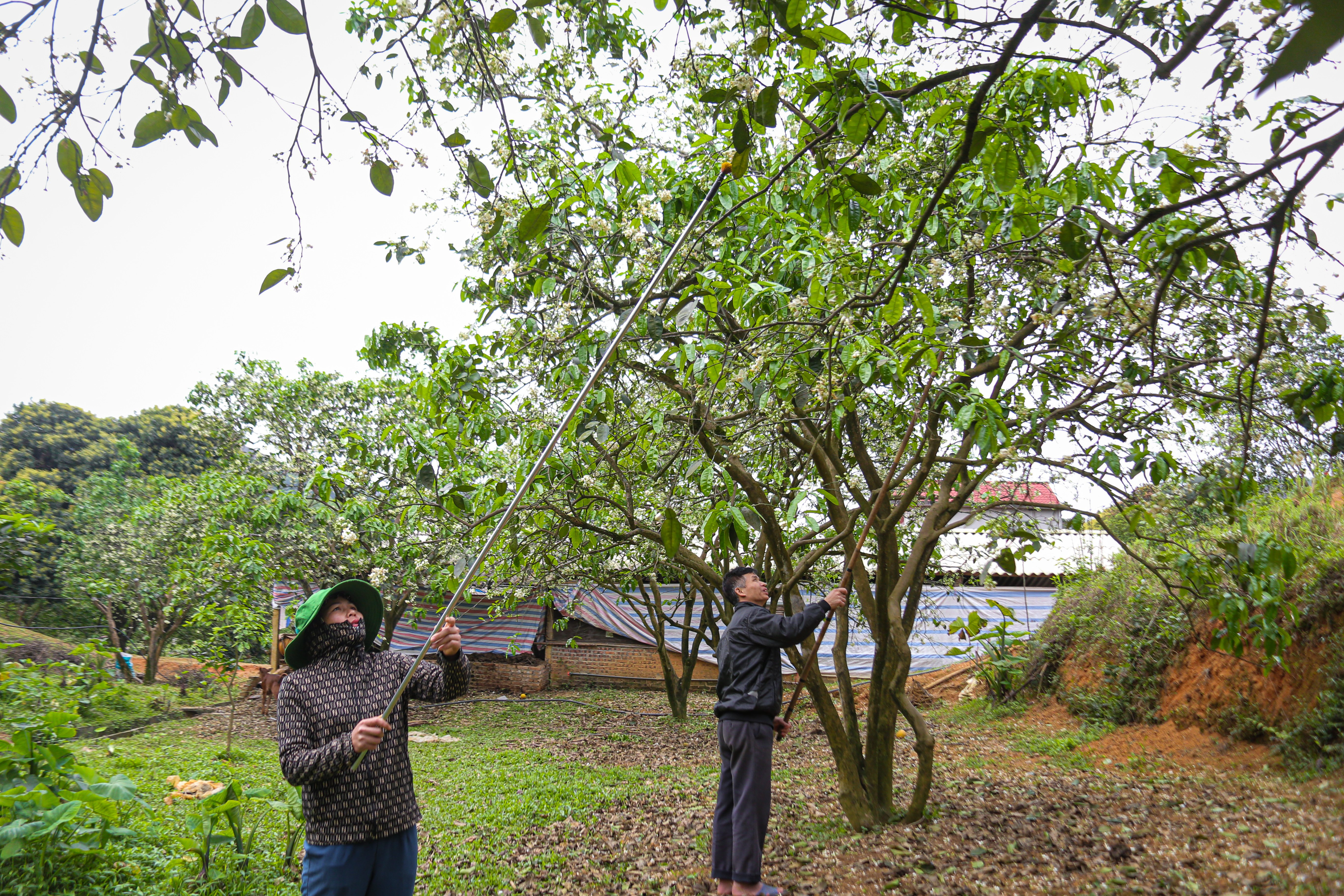
Farmers in Bang Luan commune are busy pollinating the pomelo blossoms.
Previously, to pollinate pomelo blossoms, people had to meticulously pick each blossom of the Dien pomelo or sour pomelo variety, then use their hands to brush the pollen onto the stigmas of the blossoms that needed pollination. Nowadays, thanks to improved techniques, they use soft brushes to transfer pollen from one stigma to another, saving time while still ensuring a high fruit set rate.
Cross-pollination also helps improve fruit quality, as the stigma of one flower combines with the ovule of another, not necessarily on the same branch. The work is not strenuous but requires skill, patience, and precision. The pollinator must constantly look up, selecting the right newly bloomed flowers to apply pollen at the right time.
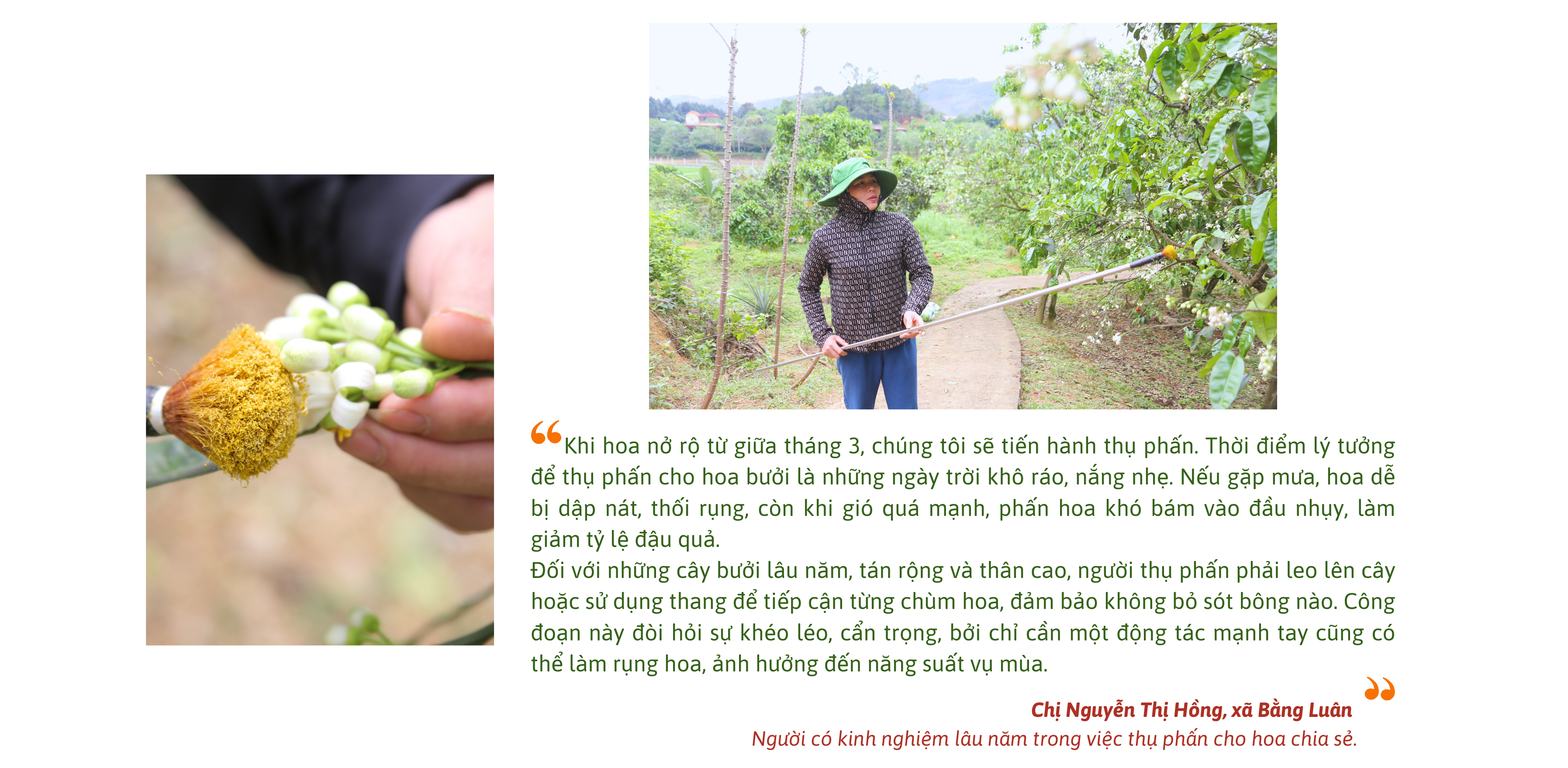
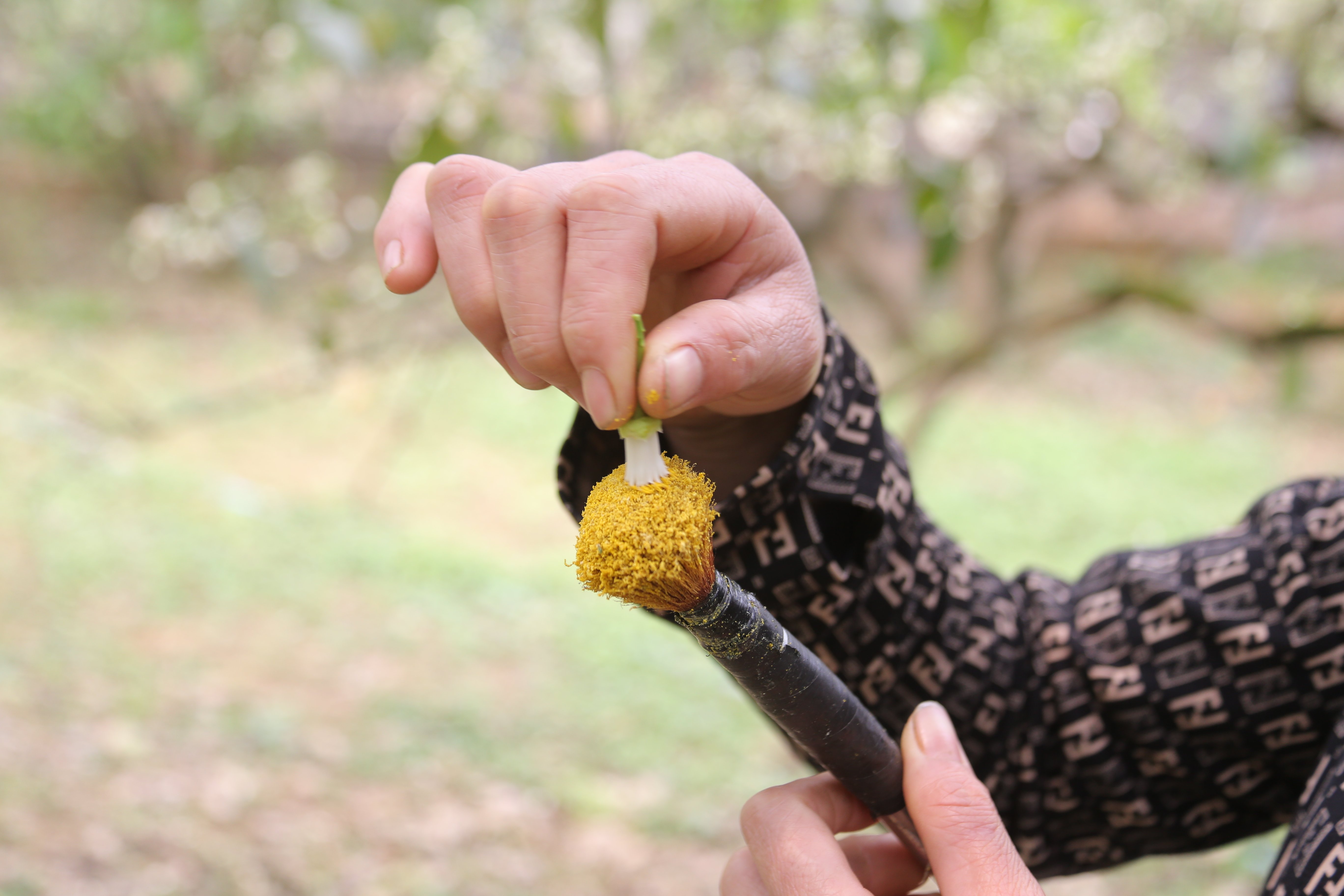
During peak season, each hired worker pollinating pomelo flowers can earn 300,000 VND per day, working about 7-8 hours, from early morning to late afternoon.
Having been involved in pomelo cultivation for nearly half a century, Ms. Le Thi Tam from Bang Luan commune said: “My orchard has 600 fruit-bearing pomelo trees on an area of 2 hectares, including Cat Que and Khai Linh varieties. During the recent harvest, we sold over 100,000 fruits. To complete the pollination process, my family hired 10 workers, who spent half a month pollinating the flowers. The pollination tool is a long pole with a brush securely attached to the end – a brush with soft bristles that won't damage the petals and pistils of the flower.”
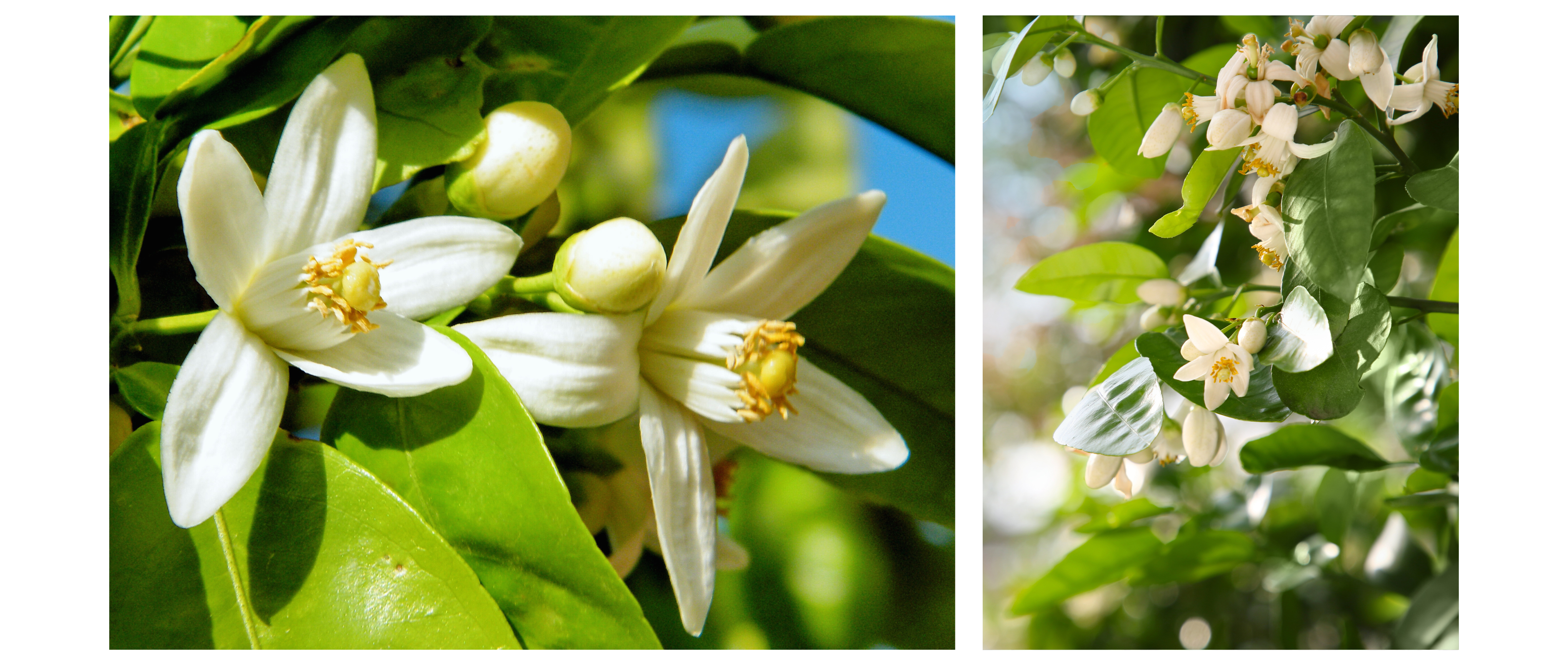
Pomelo trees are hermaphrodite, and in the past, even without human intervention, they could self-pollinate and bear fruit. However, due to climate change, changes in the natural environment, and a decline in the number of bees and butterflies, the fruit set rate is no longer as high as before. Therefore, people have had to resort to artificial pollination to ensure productivity.
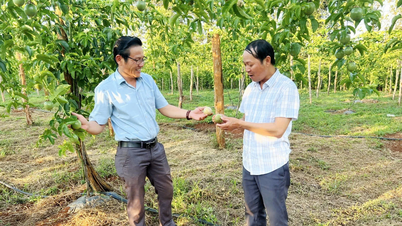
Mr. Tran Ngoc Minh, Director of the Bang Luan Pomelo and General Services Cooperative, emphasized that pomelos grown in Doan Hung are renowned for their delicious flavor. Pomelo trees over 15 years old produce the best quality fruit. However, due to market fluctuations and climate change, pomelo cultivation in Bang Luan is facing many challenges.
In recent years, due to the declining value of pomelos, with the average selling price only 5,000-6,000 VND per fruit, some people are no longer as enthusiastic about the profession as before. To maintain and improve the quality of Đoan Hùng pomelos, many households have applied the method of grafting to convert from sour pomelo varieties to sweet pomelo varieties. This is an effective solution that helps increase productivity without a long waiting time; the trees can bear fruit after only two years.
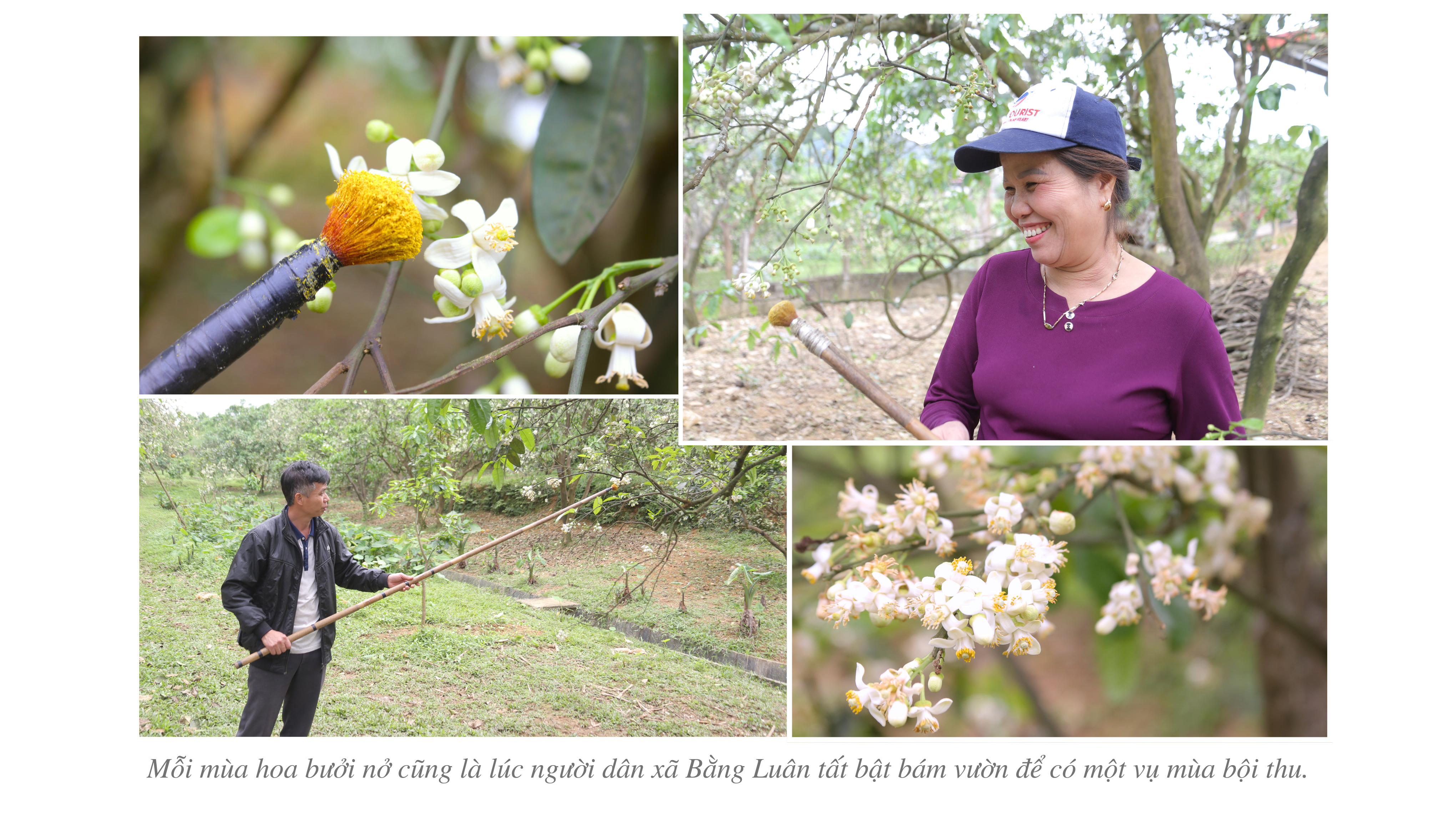
Nevertheless, the local people still maintain their faith in pomelo cultivation, and trust in the support policies and assistance from government agencies, local authorities, and businesses regarding stable future market outlets. With experience, creativity, and improvements in cultivation techniques, they are gradually finding a suitable path to preserve the Đoan Hùng pomelo brand while increasing income from this traditional crop.
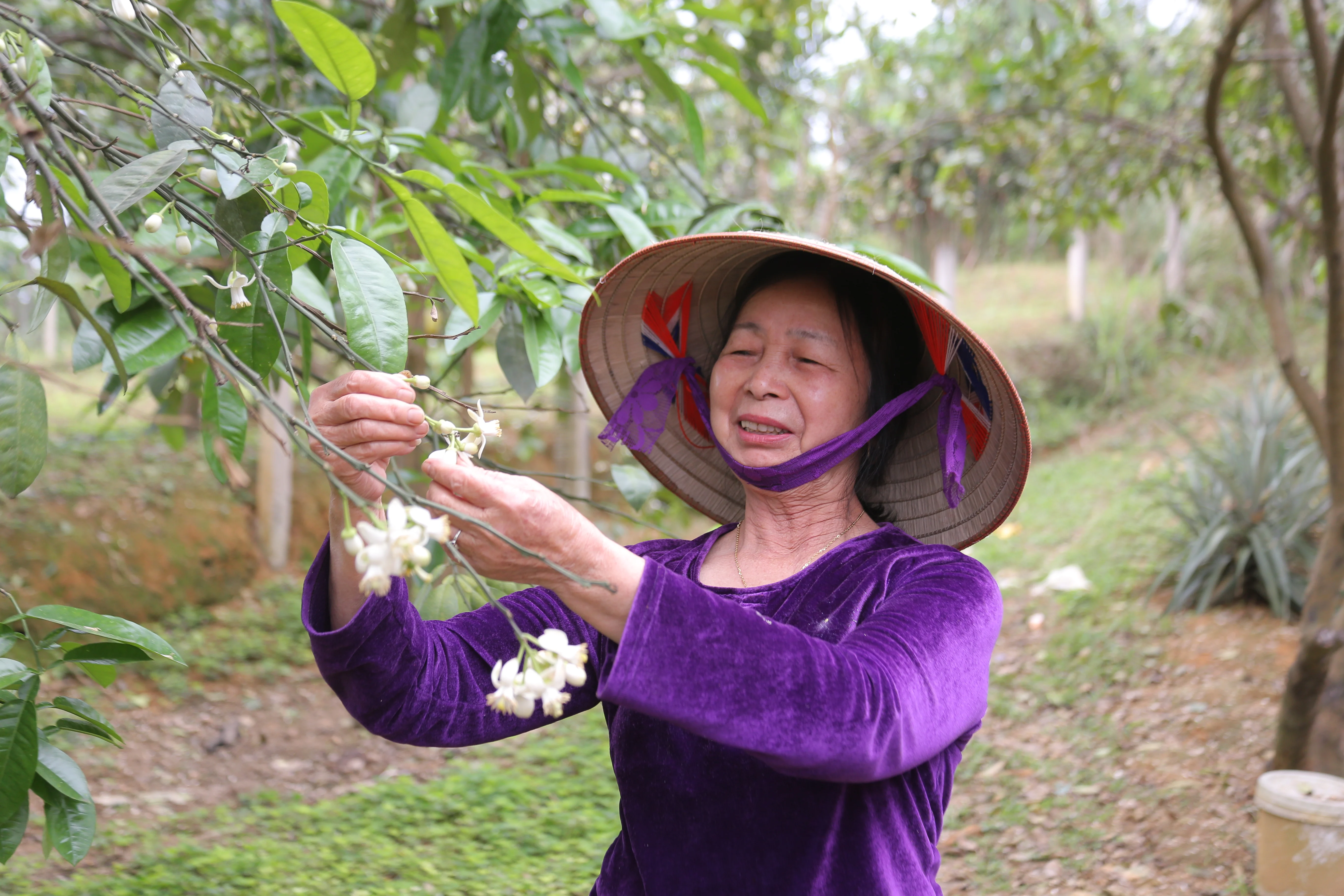
March is the month when pomelo blossoms bloom profusely.
Another flowering season has arrived in these decades-old orchards. In the refreshing, fragrant atmosphere, diligent farmers meticulously deliver pollen to each flower, ensuring a high fruit set rate for most grapefruit trees, sowing hope for a bountiful harvest and maintaining the position of Đoan Hùng grapefruit in the Vietnamese agricultural market.
Bao Thoa
Source: https://baophutho.vn/mua-se-duyen-cho-buoi-229734.htm



![[Photo] General Secretary and President To Lam and the President of the Philippines hold talks.](https://vphoto.vietnam.vn/thumb/1200x675/vietnam/resource/IMAGE/2026/06/01/1780283481955_vna-potal-tong-bi-thu-chu-tich-nuoc-to-lam-va-tong-thong-philippines-hoi-dam-8797519-1429-jpg.webp)












































































Comment (0)