According to U.S. officials, the agreement is very general in nature, primarily aimed at facilitating further negotiations. According to CNN , the framework in the document is designed to help Iran gain an advantage in persuading domestic public opinion.
U.S. officials said the memorandum of cooperation was only about a page and a half long and did not fully reflect the important behind-the-scenes commitments that the U.S. and Iran had reached. According to U.S. officials, it was precisely these behind-the-scenes commitments, not included in the official document, that led Washington to continue participating in the agreement.
The US considers written agreements to be less important than tacit commitments.
"People shouldn't overinterpret the wording in the memo," a U.S. official said, describing it as a "primarily political document."
"More important than any written agreement is what both sides have understood and implicitly agreed upon behind the scenes. That's why both sides need to finalize the framework agreement to create an environment for further discussions."
Essentially, this document just says that we will lift sanctions, reach an agreement with Iran on nuclear matters, and release frozen assets to Iran. The lifting of sanctions will depend on actual progress. Assets will only be released once we agree on a mechanism," the U.S. official told CNN about the unreleased memorandum from the U.S. and Iran.
The official added that President Trump's negotiating team "developed a style of language in the text that allowed Iran to say what it needed to say to its domestic public."
However, that approach also carries the risk of causing the Trump administration to face backlash from domestic public opinion.
 |
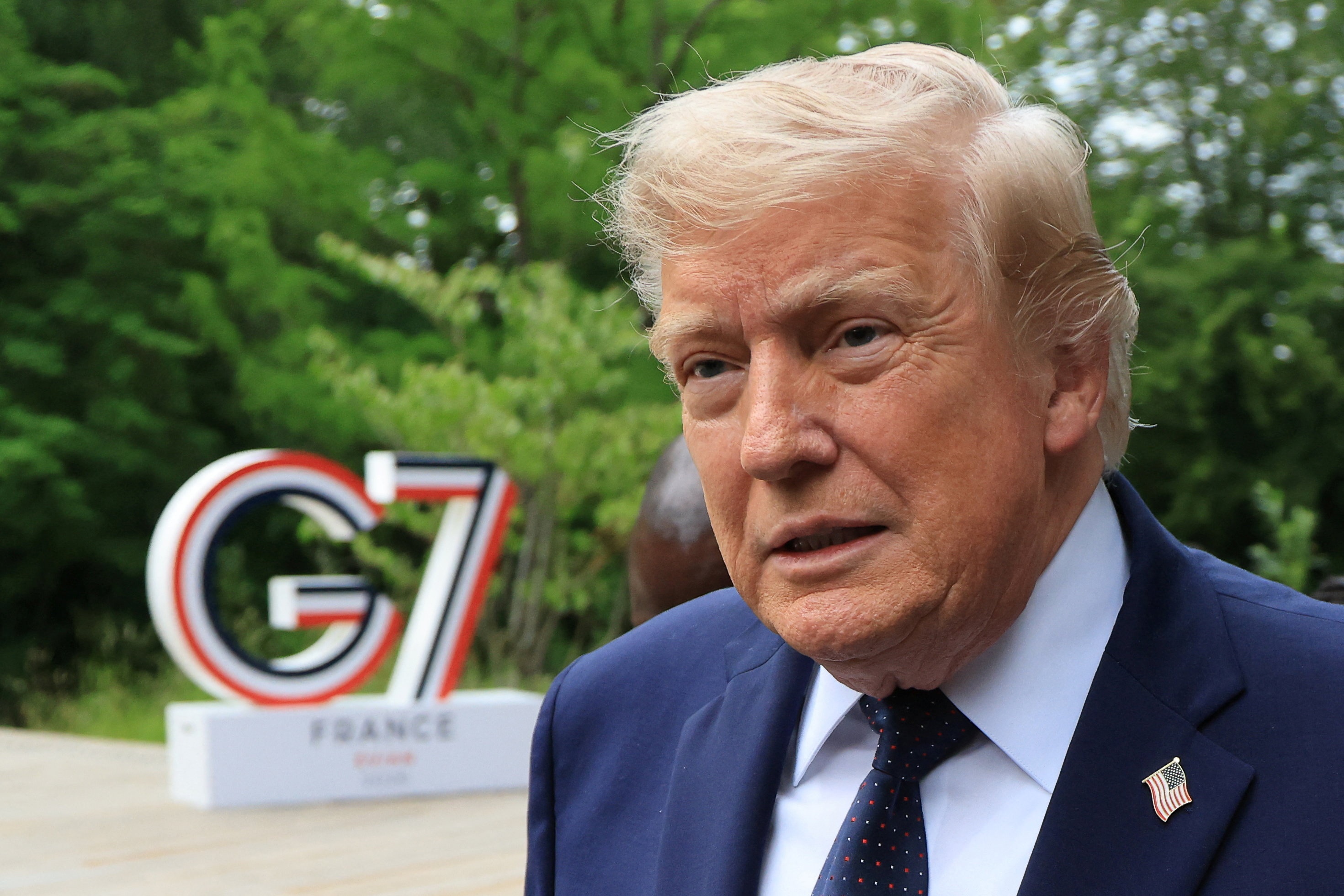
Mr. Trump is attending the G7 summit in France. Photo: Reuters . |
Currently, many hardline Republican figures on the Iran issue have requested access to the agreement framework, fearing that the Trump administration has made too many concessions to Iran in exchange for ending the hostilities.
According to a source who reviewed the document and described its contents to CNN , the memo currently does not detail Iran's commitments regarding its stockpile of highly enriched uranium.
Instead, the document only states in a general way that Iran "reaffirms it will never build nuclear weapons."
However, U.S. officials said Iran had sent Washington tacit assurances through behind-the-scenes communication channels, confirming its willingness to make concessions.
This includes allowing the U.S. to participate in the process of destroying enriched uranium within Iran. This process would be coordinated with the International Atomic Energy Agency (IAEA). According to officials, this detail was not explicitly stated in the memorandum.

Meanwhile, the memorandum also details the financial benefits Iran could receive if it fully implements its commitments, including access to a future $300 billion private investment fund.
The document also mentions the release of frozen Iranian assets, but does not specify a concrete timeline. It only states that these assets will be returned to Iran once further rounds of negotiations make progress.
The agreement also stipulates that Iran will be allowed to export oil and petrochemical products immediately after the memorandum is signed. At the same time, the US will grant sanctions waivers so that Tehran can financially benefit from these exports.
"Iran can only access the benefits of the memorandum if it fully complies with all the commitments made, including not developing nuclear weapons, neutralizing its enriched material, and not obstructing freedom of navigation in the Strait of Hormuz," a U.S. official told CNN .
Reasons why the US has not yet been able to release the memorandum.
Although the US has not released the memorandum, copies of the document have been circulating among European officials and G7 countries attending the summit in France. Leaders have asked Trump to clarify certain points during meetings held in the French town of Évian-les-Bains.
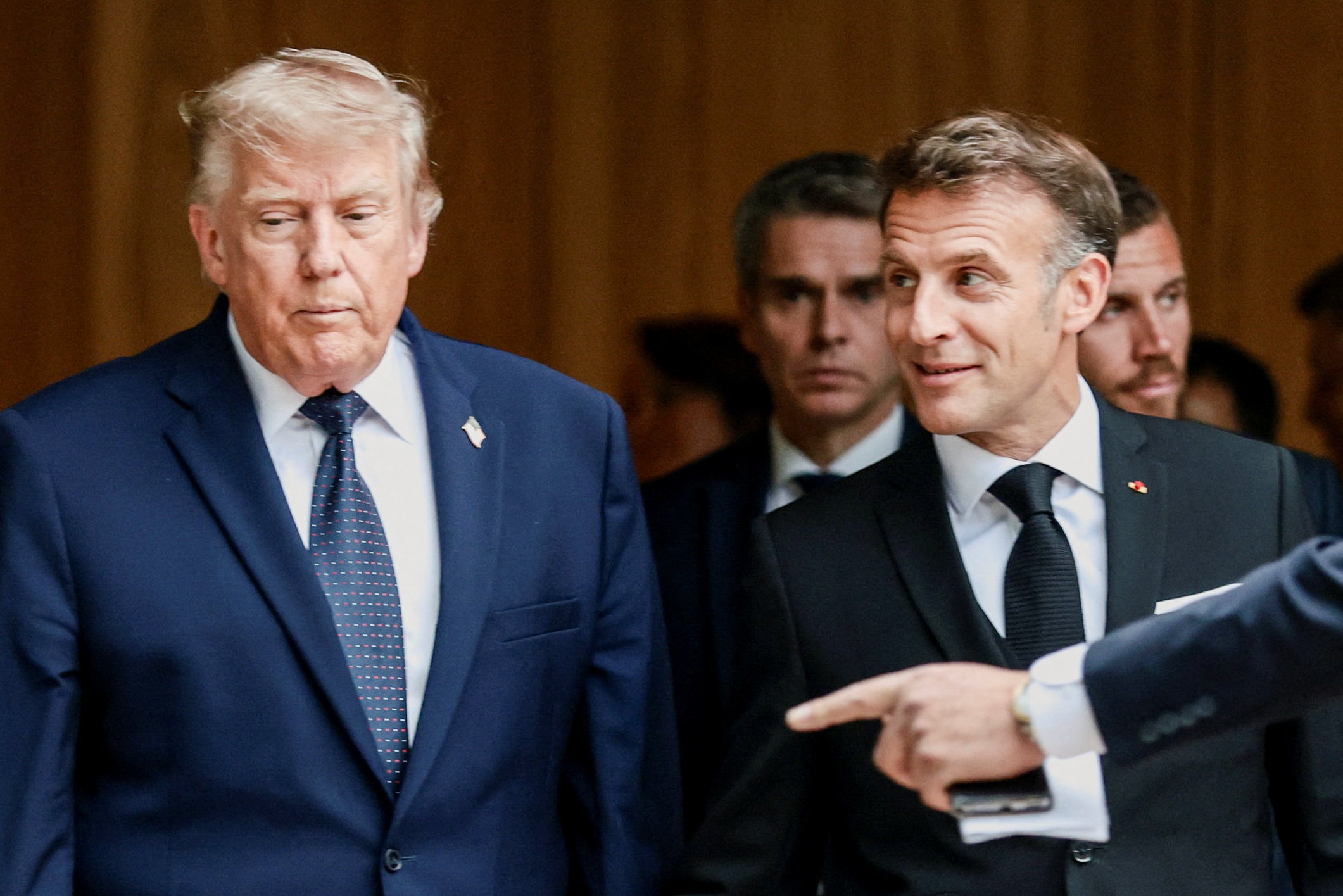 |
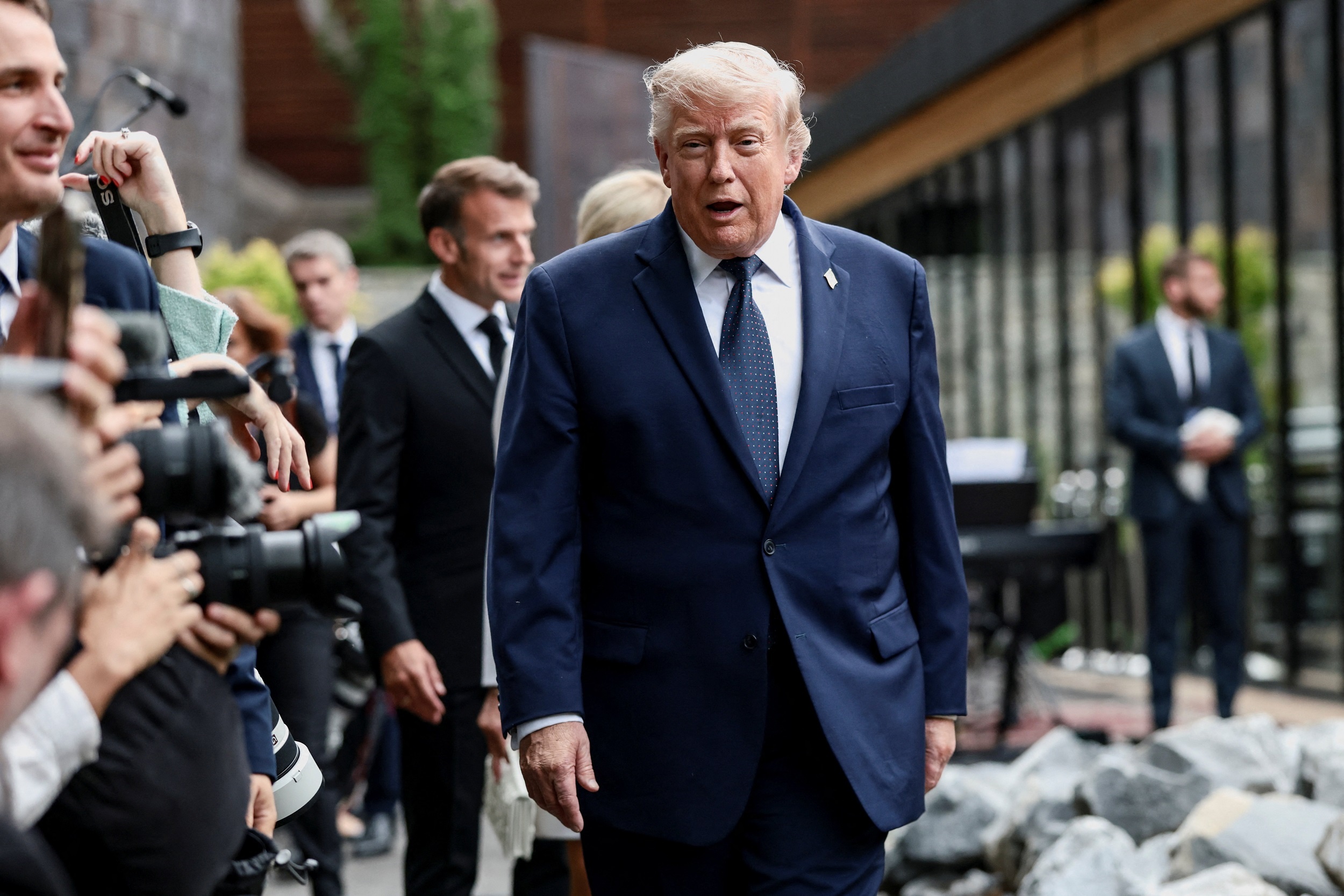
European leaders in the G7 group are believed to have reviewed the contents of the official memorandum between the US and Iran. Photo: Reuters . |
The secrecy surrounding the agreement's contents is now drawing criticism from some of Trump's Republican allies, who question why a framework that has already been agreed upon and signed has not been made public.
Speaking publicly, Mr. Vance stated that the U.S. was eager to release the document, but had to adhere to " diplomatic procedures," as Iran and the mediating countries wanted to implement it according to a suitable roadmap.
"Qatar and Pakistan acted as intermediaries throughout the entire negotiation process with Iran. They asked us to coordinate on the timing of the agreement's announcement," Vance told Fox News on June 16.
According to sources, there are officials within the Trump administration who want to quickly release the document, but still allow Iran the necessary time to complete its internal procedures.
"We want to release the document soon. They suggested waiting until June 19th, but we are in discussions to see if we can release it earlier," a U.S. official said.
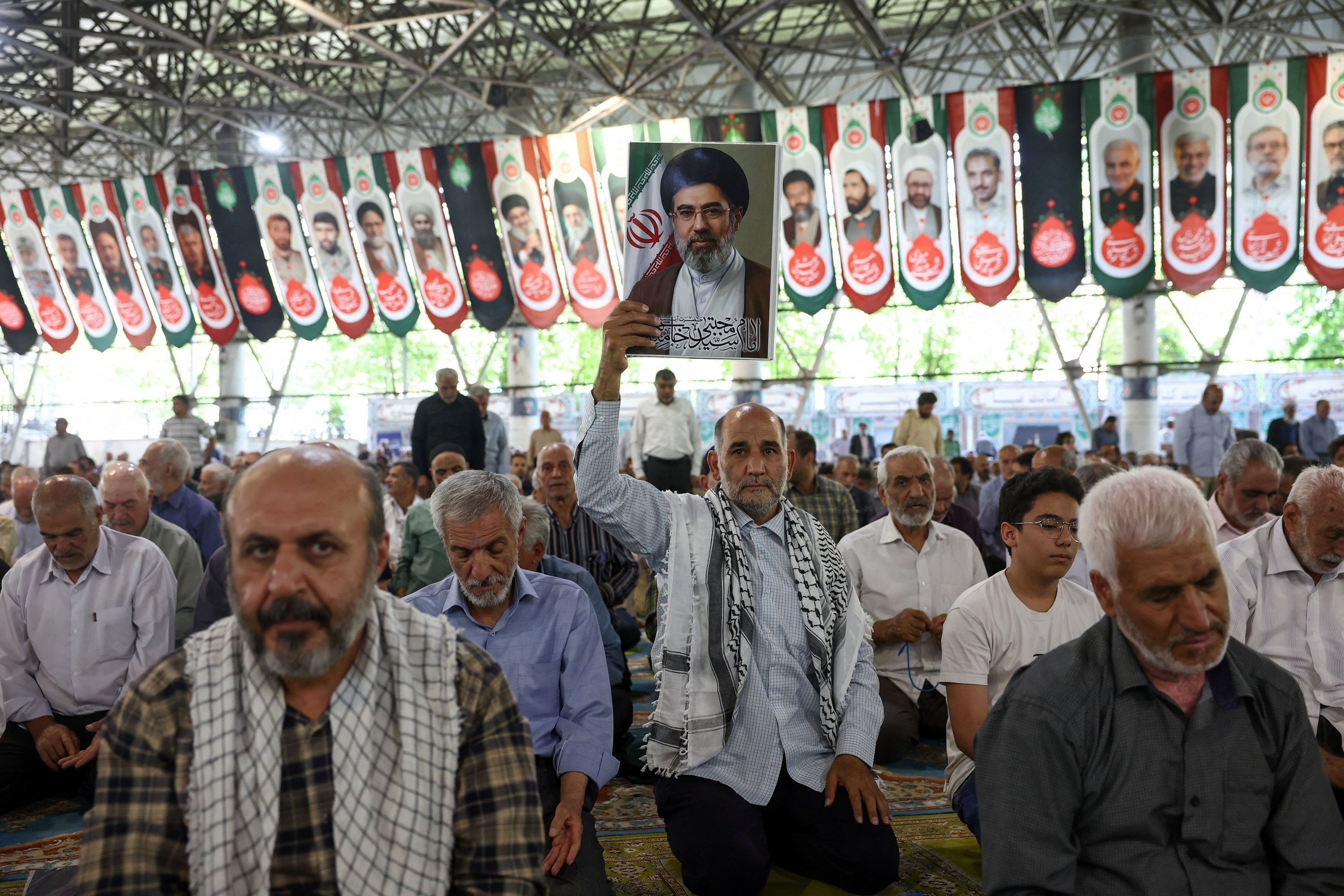 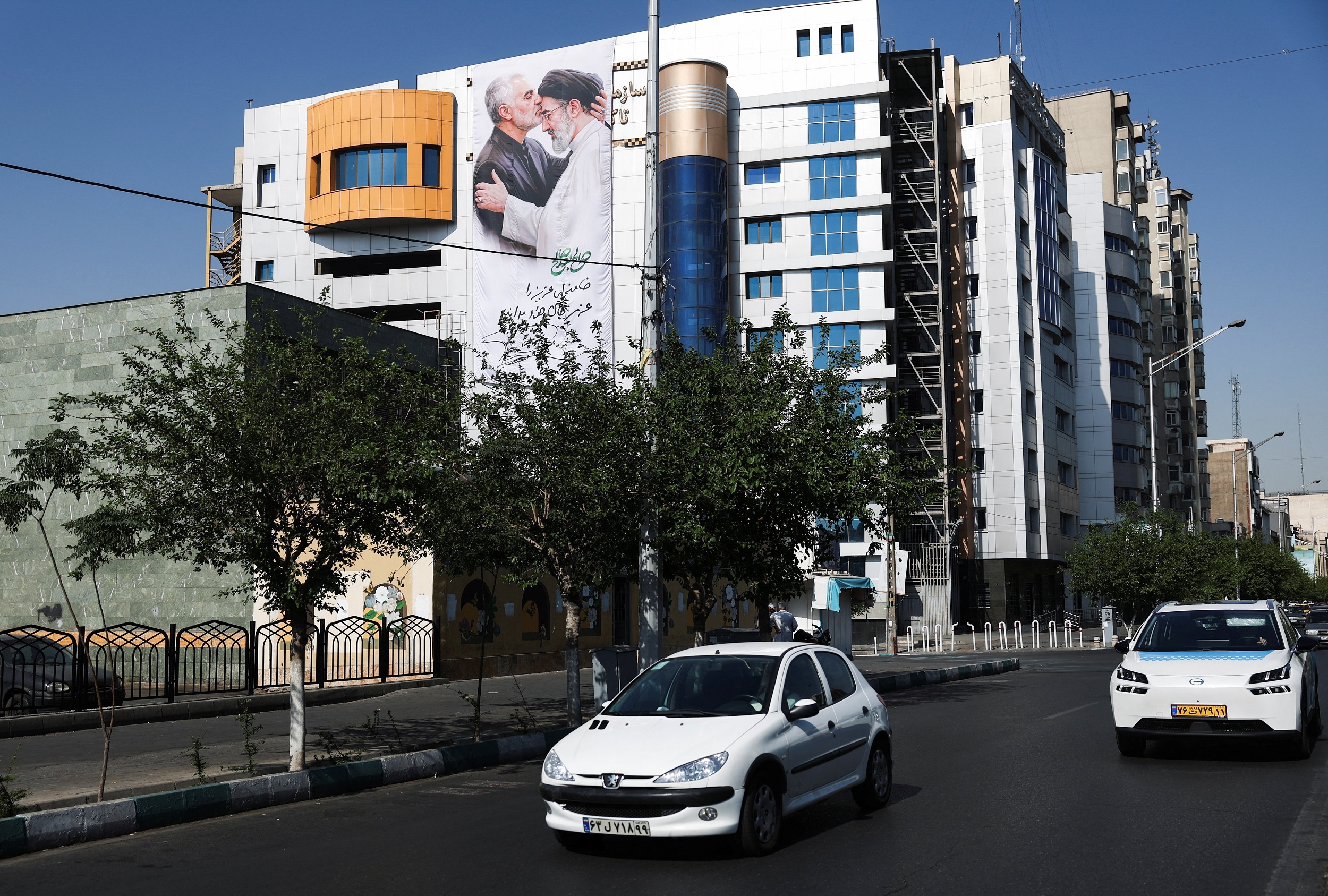 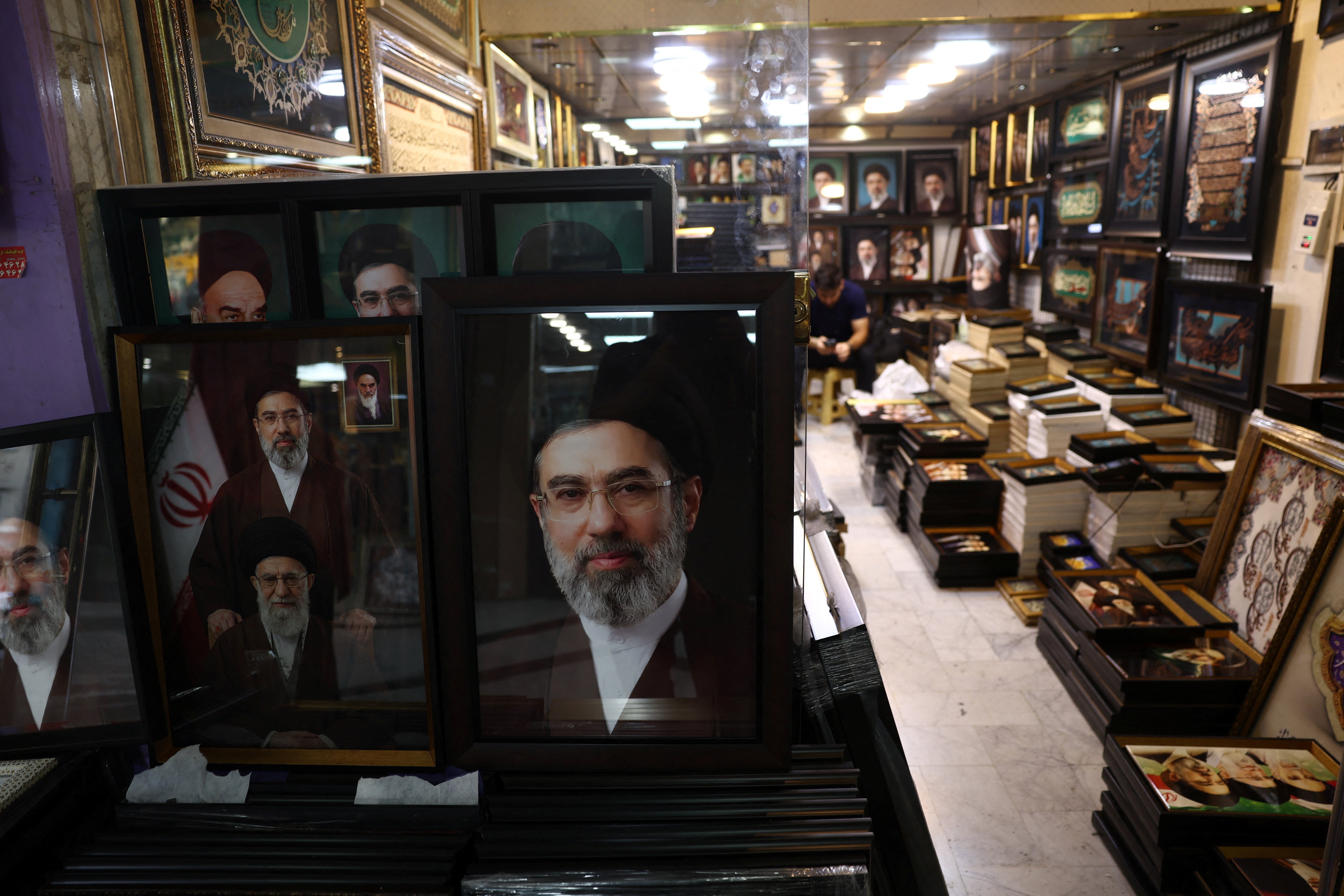 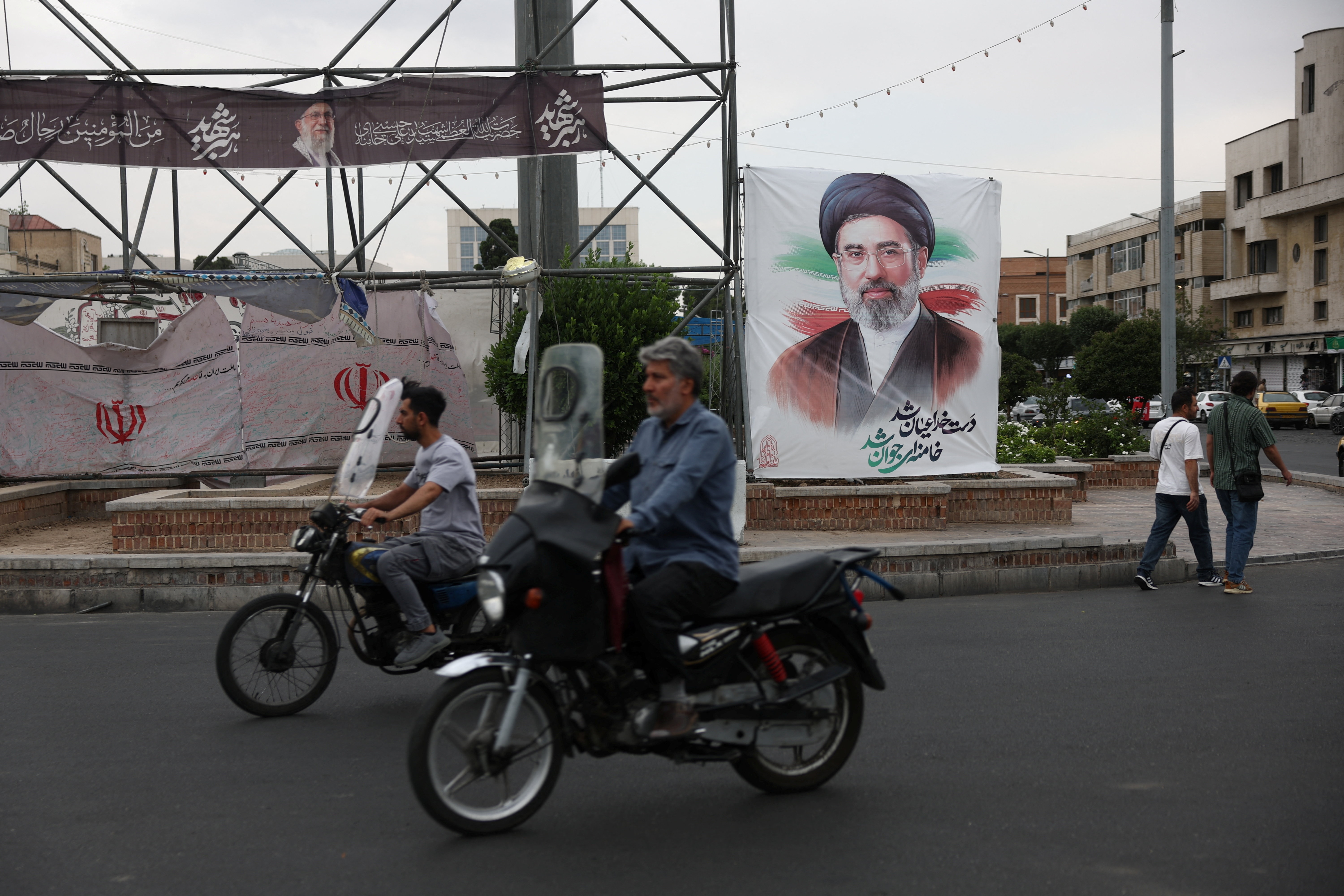 |
Images of Iran's Supreme Leader, Mojtaba Khamenei, are displayed throughout the streets of Tehran. Photo: Reuters . |
One of the factors complicating the process of releasing the document comes from Iran's Supreme Leader, Mojtaba Khamenei.



According to US officials, Khamenei has approved the memorandum. Discussions are currently underway within Iran regarding the possibility of Khamenei making a statement before the official signing ceremony, scheduled to take place in Switzerland on June 19th.
Officials argue that releasing the document too early could jeopardize Iran's efforts to prepare for Khamenei's statement.
Meanwhile, Trump told reporters in France on June 16 that he was waiting for the "official context" to release the document. The US president asserted that he was so proud of the document that he could read it word for word in front of television cameras.
He also suggested that the subsequent rounds of negotiations, aimed at resolving outstanding issues, would be "easier" than the initial phase.
An official in the Trump administration described the next phase of technical negotiations as a period of considerable testing for Iran.
Over the next 60 days, through face-to-face meetings between US and Iranian delegations, US officials will assess Tehran's seriousness in fulfilling its commitments, as well as the nuclear concessions it is willing to accept.
"We are more focused on long-term goals than prioritizing reaching an agreement. What matters is substance and building trust, not controlling the media narrative," a U.S. official affirmed.
Source: https://znews.vn/my-dat-cam-ket-bat-thanh-van-voi-iran-post1660437.html