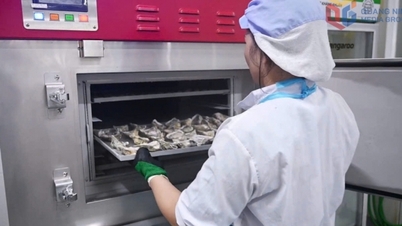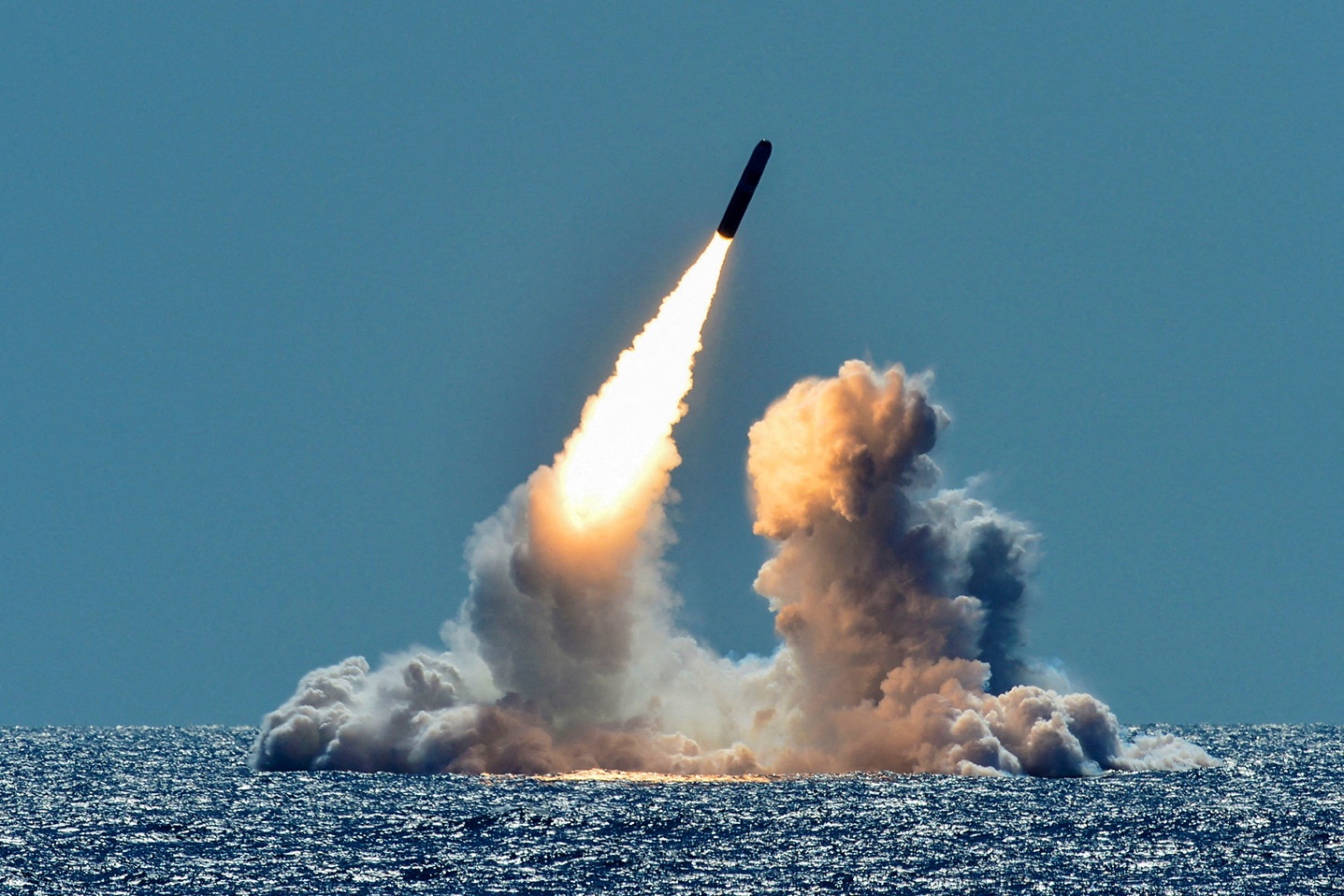
The building, located in northeastern Virginia, is low-rise, simple, and unremarkable. Yet inside, rows of missiles are neatly arranged on control tables, awaiting completion by young technicians before being delivered to the U.S. military, according to the Financial Times.
"They're all designed to be able to ramp up production immediately if needed," said Doug Denneny, a gray-haired former soldier who now runs the defense company Co-Aspire, which leases the factory. He walked past dozens of assembly stations where warheads would be attached to the open missile bodies.
This production facility was built to address a pressing problem: the U.S. was not producing enough missiles, while the existing ones were too expensive.
As U.S. ammunition reserves significantly depleted following the conflict with Iran , finding ways to produce missiles faster, cheaper, and on a large scale became a top priority for the Pentagon.
Even with full capacity mobilized, the Pentagon would now need years, rather than months, to replenish the missiles used in the campaign against Iran.
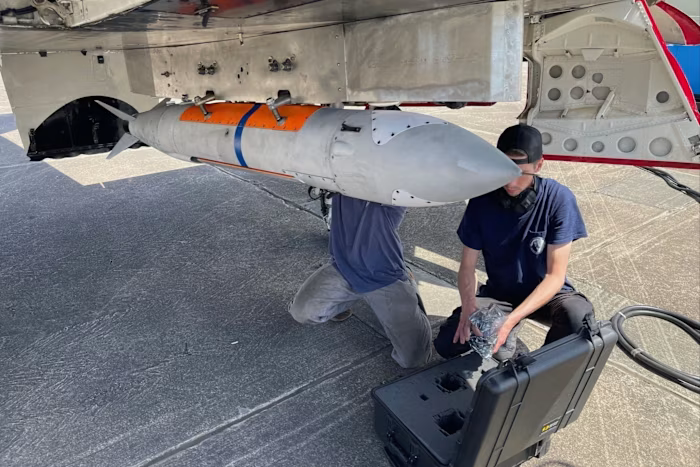 |
Co-Aspire is developing two types of missiles for the Pentagon, the first of which was completed in just four months. Photo: Co-Aspire. |
Mass production
Each year, the US produces only about 600 Tomahawk missiles, each costing around $2.6 million . The other two main missile variants, the PrSM and JASSM, cost approximately $1.6 million and $1.9 million respectively.
"The U.S. arsenal is almost entirely based on sophisticated, extremely expensive, and difficult-to-manufacture weapons systems," said Michael Horowitz, a former Pentagon official in charge of defense innovation.
"We have entered a completely different era of warfare, and America must change," he said.
The United States is currently implementing a series of new testing and procurement programs for missiles and unmanned aerial vehicles (UAVs).
The U.S. Air Force has proposed a budget of approximately $12 billion over the next five years to purchase 28,000 missiles. Meanwhile, another Pentagon program announced last month aims to purchase 10,000 ground-launched missiles within three years.
According to the developers, many of the new types of missiles could be mass-produced at low cost in modular factories that could be quickly assembled across the United States when war breaks out.
"You could even set up a system like this right in a high school gym," Denneny said, standing next to the rockets with bundles of wires waiting to be connected to the circuit board.
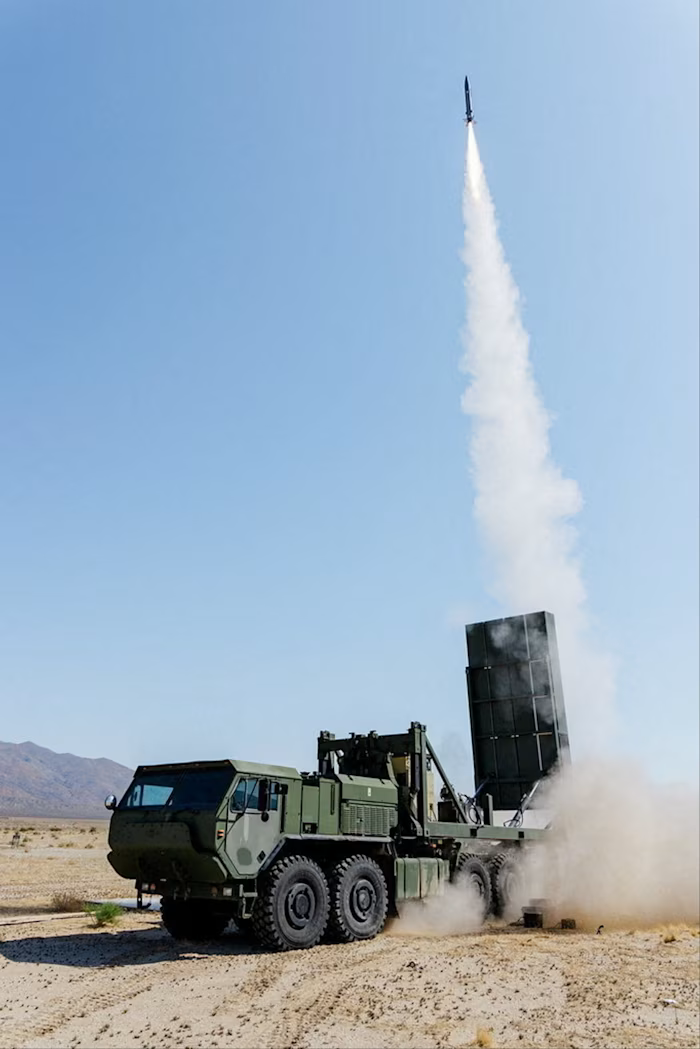 |
The Castelion prototype hypersonic missile was launched from a mobile launch platform in Mojave, California. |
At Co-Aspire's workshop, the model that Denneny described as "the McDonald's of the rocket manufacturing industry," there are virtually no complex machines.



Each rocket was designed so simply that it could be fully assembled by following the instructions in a manual. A novice technician only needed common hand tools and could be trained within a month.
Inside the workshop, only a few 3D printers operate continuously to manufacture components, situated next to the engineering team's work areas.
Co-Aspire is one of several defense startups and technology companies, along with Anduril in Ohio, that are driving a wave of innovation in weapons manufacturing.
Co-Aspire is currently developing two types of missiles for the Pentagon. The company took only four months to complete the first prototype and expects to complete the second in five months.
Another startup company, Castelion, which is only three years old, has secured a contract to produce more than 12,000 hypersonic missiles over the next five years.
When the New Mexico plant reaches full capacity, Castelion expects to produce 6,000 missiles annually at a price of only about $400,000 each, significantly lower than current missile models. The company is also planning to build more production facilities.
"Production volume is crucial, cost is crucial, and availability is equally important," said Andrew Kreitz, co-founder of Castelion and former SpaceX leader.
He argued that to address the long-standing bottlenecks in the defense industry, it's necessary to leverage components already mass-produced in the civilian sector: "From the outset, you have to design a product that is easy to manufacture and low-cost. That mindset must govern every engineering decision."
According to Fabian Hoffmann, an expert at the University of Oslo, even in peacetime, these companies are fully capable of increasing their production to thousands of missiles per year. He believes that when war breaks out, the massive investment will help the factories increase production to thousands of missiles per month.
Lessons from Ukraine and Iran
For decades, the U.S. has been preparing for "shock and awe" campaigns using high-tech weapons.
However, the war in Ukraine—which the Pentagon is closely monitoring—has shown that high-intensity attrition warfare ultimately boils down to numbers.
Experience from the conflict with Iran further reinforces this view: if the US continues to produce missiles only suitable for the previous war, it could very well fail in the next one.
A larger stockpile would allow the U.S. to maintain the capability to wage a protracted war, with hundreds of precision missiles launched daily, possessing superior destructive power and speed compared to the suicide drones prevalent in Ukraine and the Middle East.
Simultaneously, the US is also accelerating the production of UAVs.
Last February, the Central Command (CENTCOM) announced that its inexpensive unmanned aerial vehicle (UAV), "designed based on the Shahed series," had seen its first combat deployment in an attack on Iran, according to the Wall Street Journal.
The Pentagon now wants to mass-produce this line of UAVs and has proposed tripling the budget for UAVs and related technologies to more than $74 billion next year.
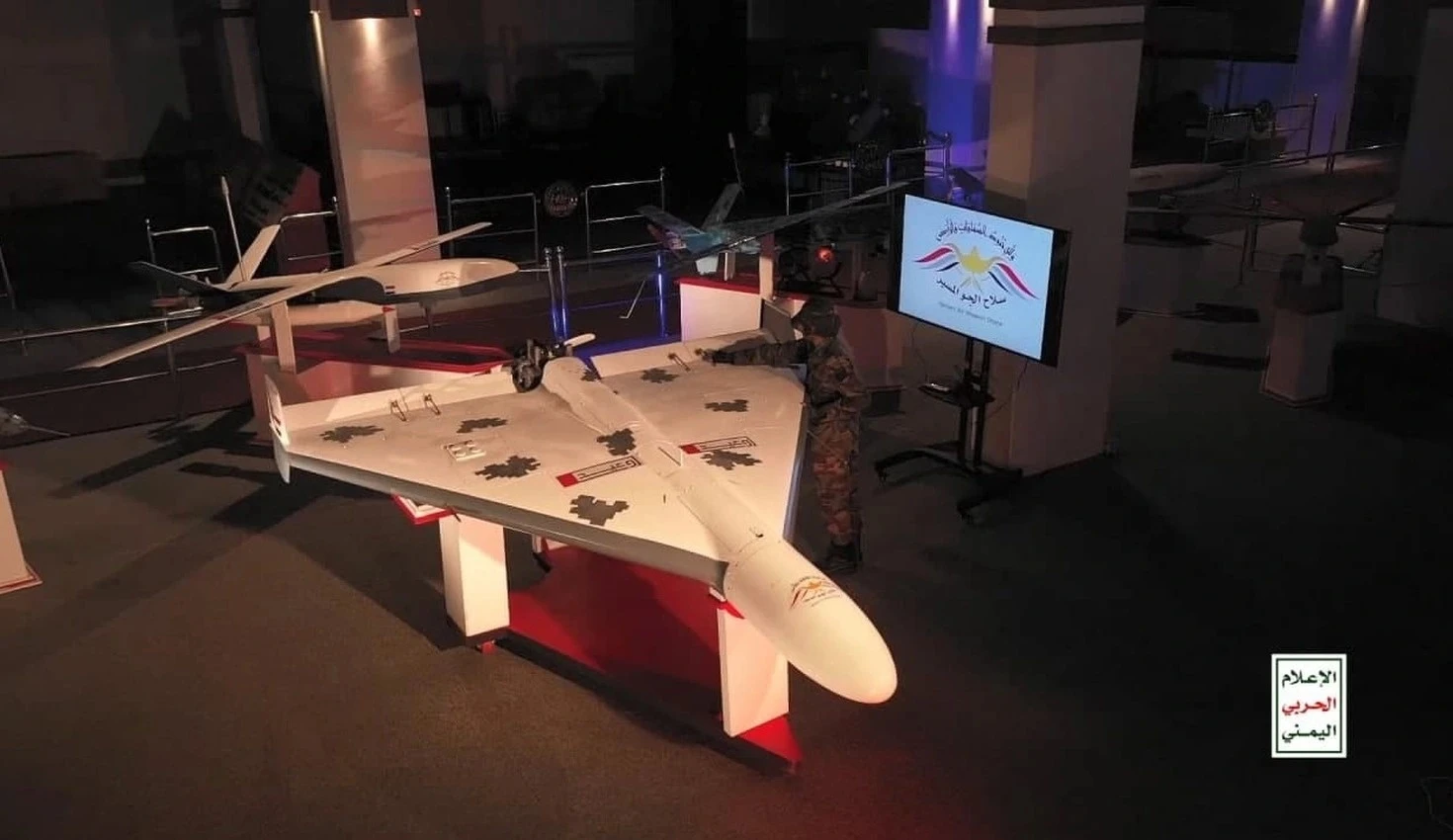 |
Iran's Shahed-136 long-range suicide drone poses significant pressure on the expensive air defense systems of the US and Israel. Photo: ODIN. |



Challenges still lie ahead.
In Virginia, Denneny declined to disclose what types of missiles the company would be using to counter. However, he asserted that even in peacetime, rapid production capabilities create a significant deterrent effect: "Our adversaries know that the U.S. can quickly reproduce large numbers of missiles at low cost and rapidly replenish its stockpile."
However, Tom Karako, an expert at the Center for Strategic and International Studies (CSIS), believes the transition will not be easy.
According to him, the Pentagon will have to accept that cheaper weapons will likely not have the same accuracy and reliability as more expensive systems. This also means the US military needs to be more flexible in its technical requirements.
"We won't be able to expand capacity unless we first change our customers," Karako said.
He argued that only when the Pentagon places large-scale orders will defense companies be in a position to expand production, testing, and refine the next generation of weapons.
In return, simpler missiles also offer other advantages, particularly shortening the training time for soldiers to use them, given that many older missile systems have very complex operating procedures.
"The soldiers have to be able to use them intuitively. You have to design the software so that soldiers can use it as easily as they use their iPhones," emphasized John Ferrari, former commander of the U.S. White Sands Missile Test Range.
Source: https://znews.vn/my-hoc-cach-mcdonald-s-lam-ten-lua-hang-loat-post1664215.html