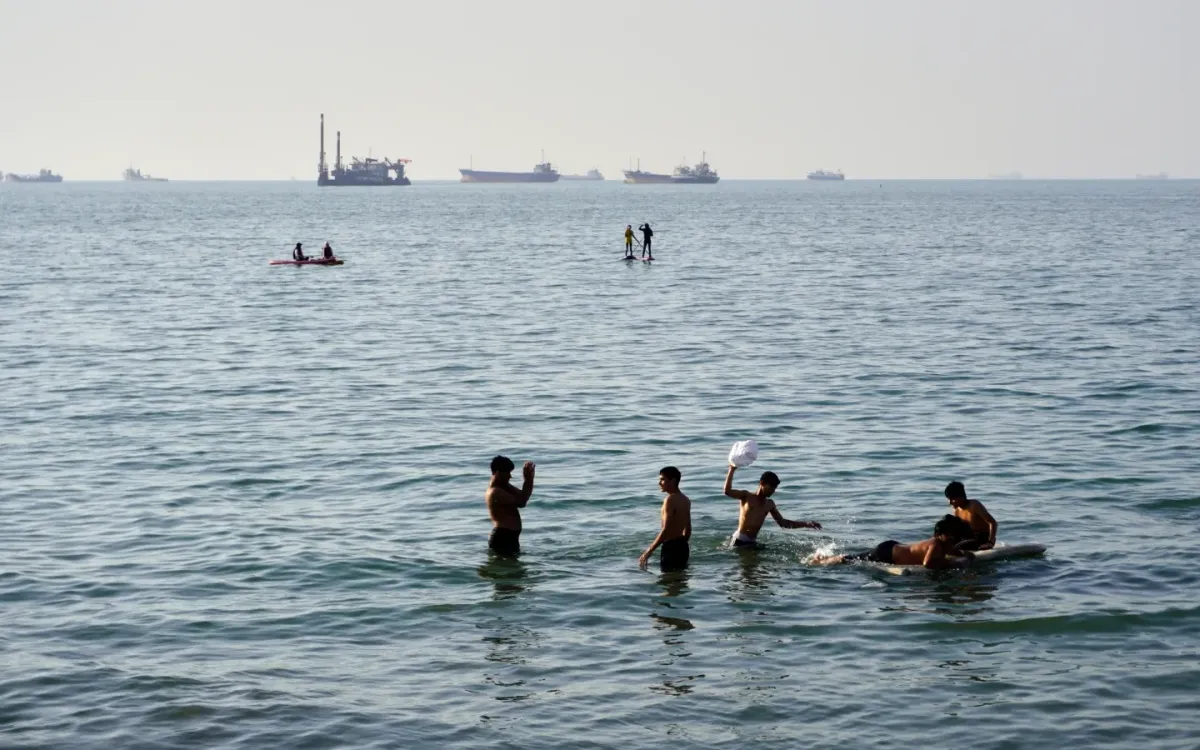
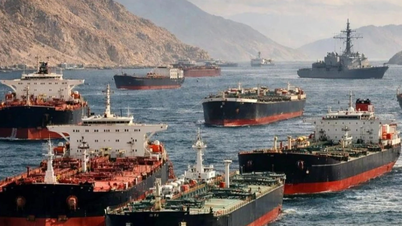
The Strait of Hormuz, off the coast of Bandar Abbas, Iran, June 10, 2026. (Photo: AP)
On June 12, Pakistani Prime Minister Shehbaz Sharif said that Washington and Tehran had reached a “final, mutually agreed-upon text,” while mediators were continuing to work to finalize the next steps.
"Never has peace been closer," Sharif wrote on social media. Pakistan is playing a key role in the mediation efforts between the US and Iran, with the support of Saudi Arabia, Türkiye, Egypt, and Qatar.
Iranian Foreign Minister Abbas Araghchi also stated on the same day that the possibility of reaching an agreement had "never been closer." US President Donald Trump later shared this message on his social media.
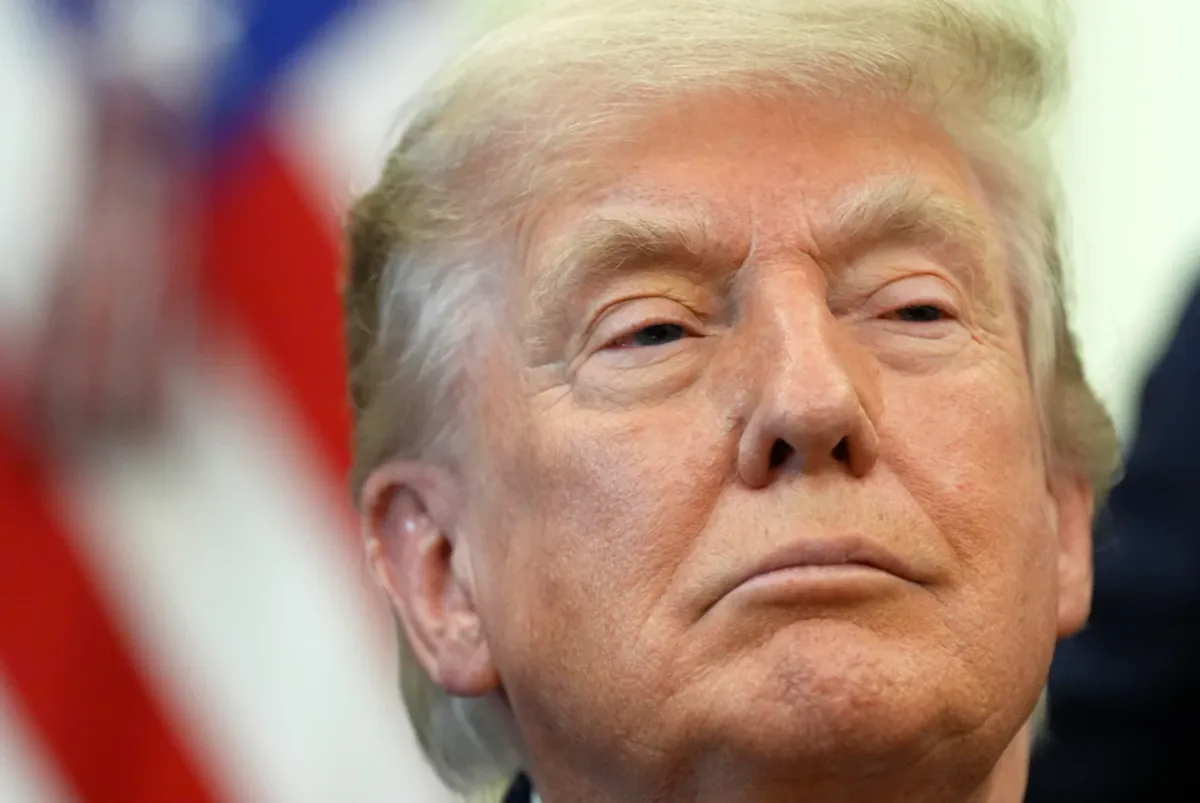
U.S. President Donald Trump at the White House in Washington, June 11, 2026. (Photo: AP)
According to Araghchi, the initial agreement would declare an end to the conflict on all fronts, including Lebanon. Detailed terms concerning Iran's nuclear program are expected to be finalized within 60 days of the first draft being signed.

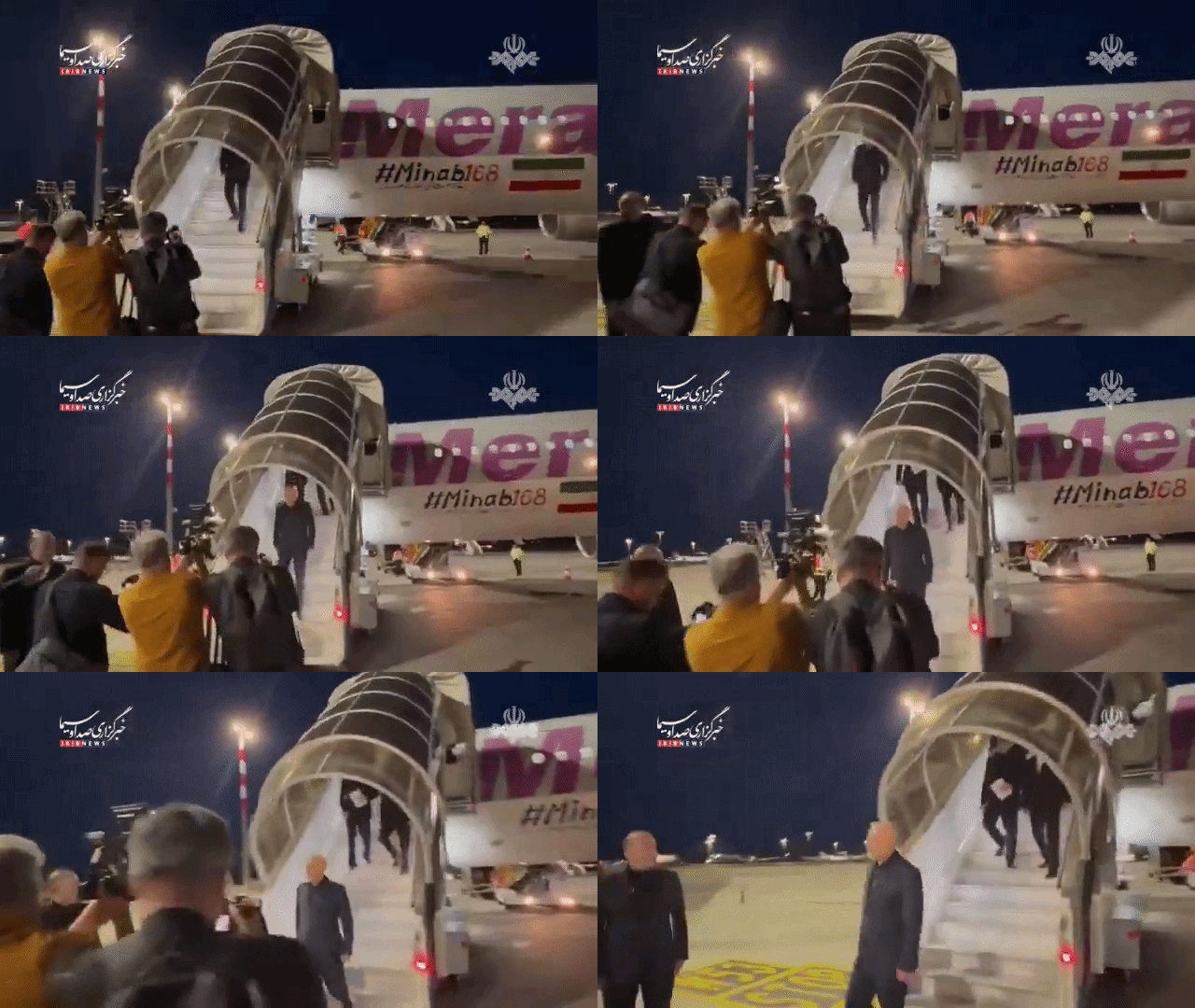
The Associated Press quoted a senior U.S. official as saying that the agreement being developed would pave the way for the removal or disposal of Iran's highly enriched uranium. However, the two sides still need to agree on technical issues, including who will receive and process the material.
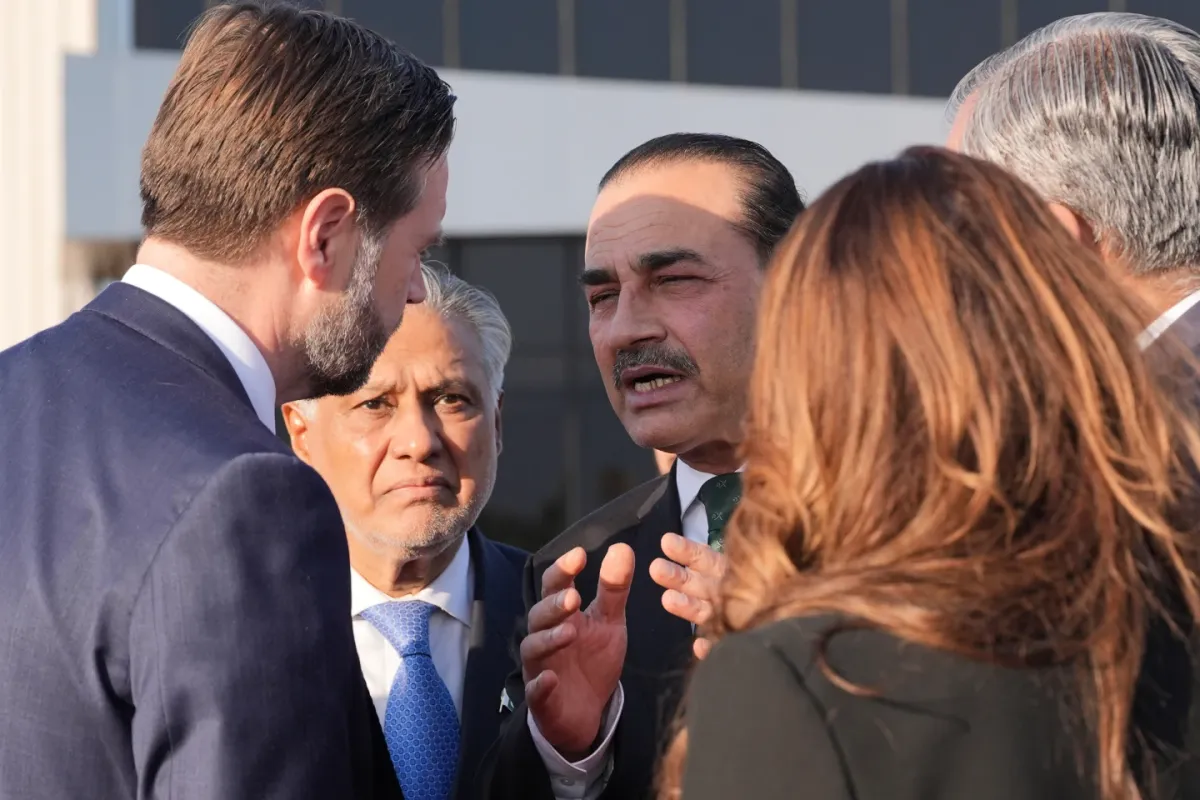
US Vice President JD Vance (left) speaks with Pakistani officials after talks on Iran in Islamabad, April 12, 2026. (Photo: AP)
Another important issue is the restoration of maritime activity through the Strait of Hormuz, a vital shipping route for oil and natural gas. Disruptions to this area have reduced global energy supplies and driven up fuel prices.
Iran wants to collect fees from ships passing through the Strait of Hormuz in exchange for services provided by Tehran. Meanwhile, the US and several other countries argue that the fee mechanism Iran implemented during wartime violates international law.

An anti-American mural in Tehran, Iran, June 12, 2026. (Photo: AP)



Three regional officials said the agreement could include a phased lifting of sanctions and the release of frozen Iranian assets. The signing ceremony could take place in the coming days after the text is ratified by Washington and Tehran.
Israel did not participate in the negotiations. Israeli Prime Minister Benjamin Netanyahu affirmed that his country and the United States agree that Iran must not possess nuclear weapons, while leaving open the possibility of Israel continuing to act independently.
Source: https://vtv.vn/my-iran-thong-nhat-noi-dung-thoa-thuan-100260613150130958.htm


































































![[Infographic] Details of 6 toll stations on the North-South Expressway through Ha Tinh](https://vphoto.vietnam.vn/thumb/402x226/vietnam/resource/IMAGE/2026/06/29/1782685020813_fb_anh-dai-dien-infographic-khanh-phuong-1-png.webp)