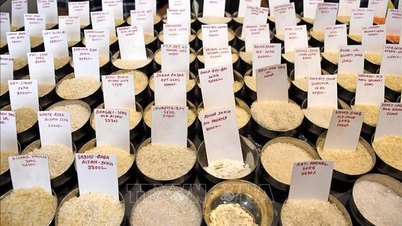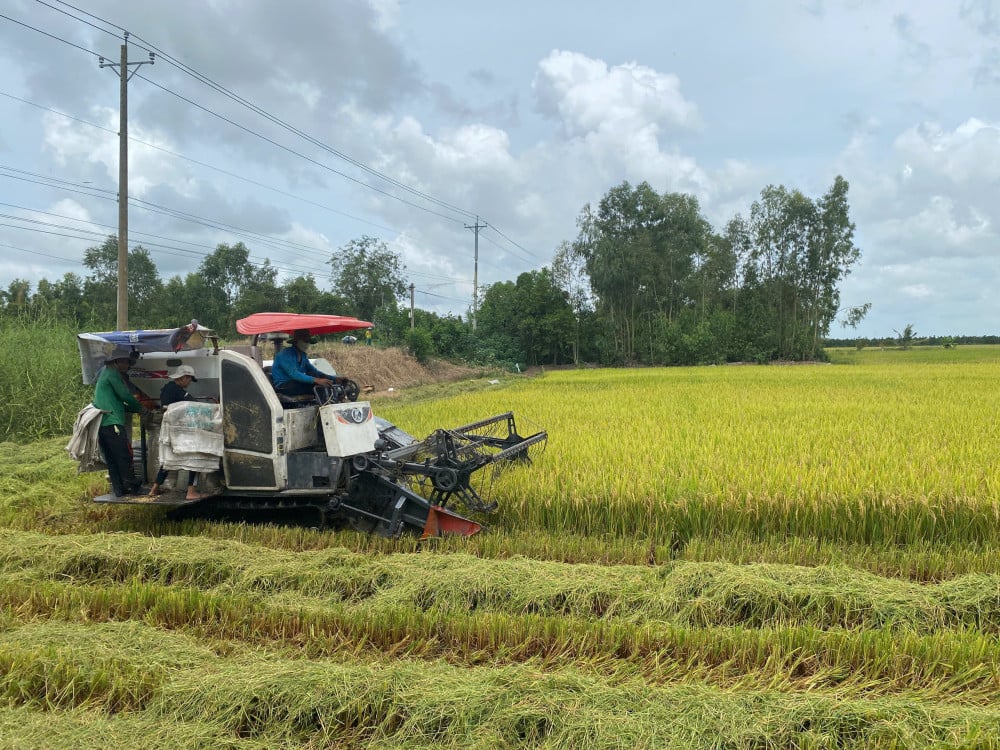
For three consecutive years, Long An province (before the merger) achieved a rice production of 3 million tons, with high-quality rice accounting for nearly 75%.
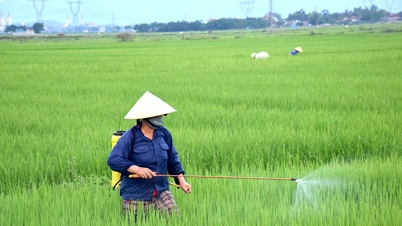
Rice is one of the main crops in the province, with a total annual cultivated area of over 539,177 hectares. Recognizing the importance of rice varieties in terms of yield and quality, the agricultural sector consistently advises farmers to switch from low-quality rice varieties to high-quality varieties. Currently, farmers cultivate fragrant, specialty, and glutinous rice varieties accounting for nearly 53%, while high-quality rice varieties account for 45%.
Mr. Do Van Doan, Chairman of the Board of Directors of the Agricultural Service Cooperative in Ong Nhan Tay hamlet, Binh Hiep commune, said: “The cooperative has 21 members, with a total linked area of over 500 hectares. All rice fields are cultivated using certified seeds, with about 30% of the area using row sowing, cluster sowing, and transplanting methods. Farmers have reduced the amount of rice seeds sown from 130kg to 80kg/ha, and in some cases to 60kg/ha; mechanization has reached 100%, reducing the use of fertilizers and chemical pesticides, and switching to using organic fertilizers, microbial pesticides, and biological products. Here, the cooperative cooperates with businesses to purchase broadcast-sown rice at a price 500-600 VND/kg higher than outside, while row-sown, transplanted, and cluster-sown rice is 1,000 VND/kg higher than outside. The main rice varieties sown are OM18 and Dai.” fragrance 8".
Looking back at nearly 10 years of implementing the High-Tech Agricultural Development Program associated with the restructuring of the rice industry, Long An province (before the merger) achieved many outstanding results. Specifically, the province had three consecutive years with rice production exceeding 3 million tons per year, of which high-quality rice accounted for nearly 75%. These figures further affirm that the province's rice industry has made remarkable progress in both scale and quality, changing farmers' production mindset – from traditional methods to the comprehensive application of technical solutions in the fields.


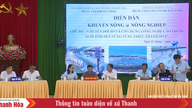
Building upon the foundation of the High-Tech Agricultural Development Program linked to the restructuring of the rice-growing sector, Tay Ninh province (after merger) registered to implement the Project "Development of 1 million hectares of high-quality, low-emission rice cultivation associated with green growth in the Mekong Delta region by 2030" (hereinafter referred to as the Project), covering 114,400 hectares with 47,350 participating households. The Project is of particular importance in guiding the transformation of rice cultivation methods towards sustainability; forming and developing large-scale, stable, long-term concentrated raw material areas, ensuring quality, sustainable cultivation, and efficiency.
The province has implemented many pilot models, covering an area of approximately 238 hectares. Initially, the project has yielded high economic efficiency, helping people further reduce production costs and aiming to reduce emissions in agricultural production. Deputy Director of the Department of Agriculture and Environment, Dinh Thi Phuong Khanh, shared: “The project is considered the most sustainable and effective solution to improve the quality and yield of rice. During the 2025-2030 term, the agricultural sector is determined to implement the project according to the set plan, with the expectation of having policies and regulations to invest in infrastructure to help form rice production areas. In particular, farmers in the project areas will benefit from carbon certification and achieve a relatively high or even wealthy standard of living.”
"Rice yield and quality are influenced by four main components: the number of panicles per unit area; the number of grains per panicle; the percentage of filled grains; and grain weight. Rice plants will yield maximum productivity when these components reach a state of balance. Any excessive increase or decrease in any of these components will disrupt the balance and reduce yield. Therefore, farmers need to select high-quality, non-degenerated varieties suitable for each region, while simultaneously integrating scientific and technological advancements into the fields." Dr. Dao Minh So - Head of the Plant Breeding Department - Southern Institute of Agricultural Science and Technology |

Le Ngoc
Source: https://baolongan.vn/nang-tam-chat-luong-lua-gao-a203858.html