

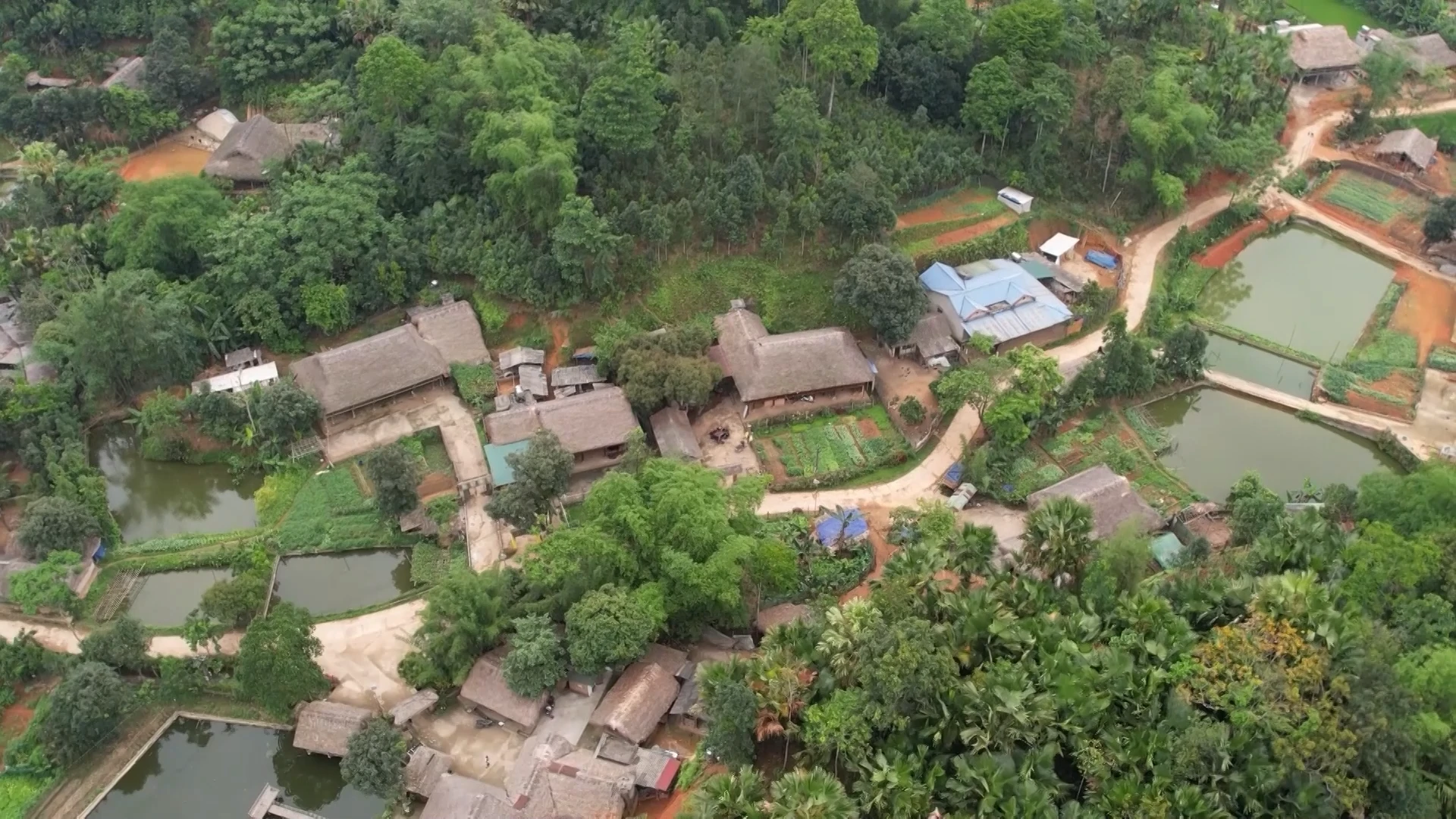
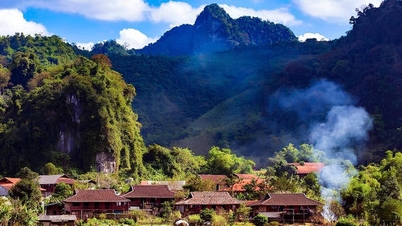
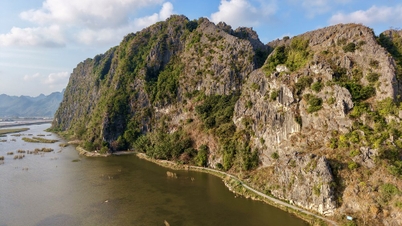
Nghia Do is an area where the Tay ethnic minority makes up the majority of the population. Leveraging its advantages in traditional cultural values and natural landscapes, the local government and people have oriented the development of community-based tourism, linked to sustainable agricultural production and environmental protection.
Selected by the province to implement the ASEAN Community Tourism Criteria, aiming for completion by 2028, Nghia Do is undergoing a significant transformation. This change is not only reflected in development indicators but also affirmed by the way the Tay ethnic people preserve and promote their traditional cultural identity to create sustainable livelihoods.
Previously, Nghia Do had escaped poverty and achieved the status of a Category I commune. This achievement stemmed from a consistent orientation: developing community tourism linked to agriculture and the environment, thereby creating sustainable livelihoods and increasing income for the people.
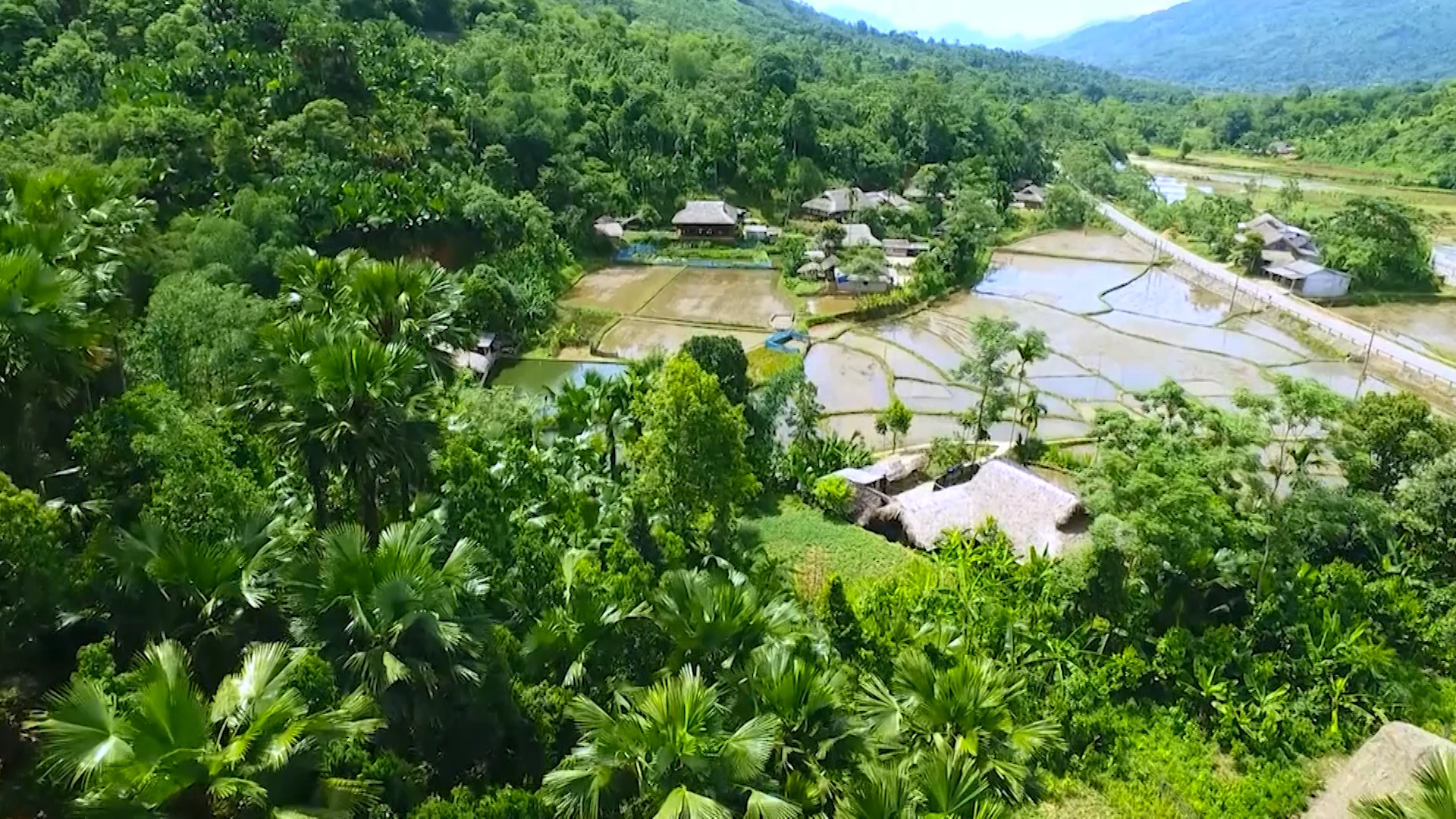
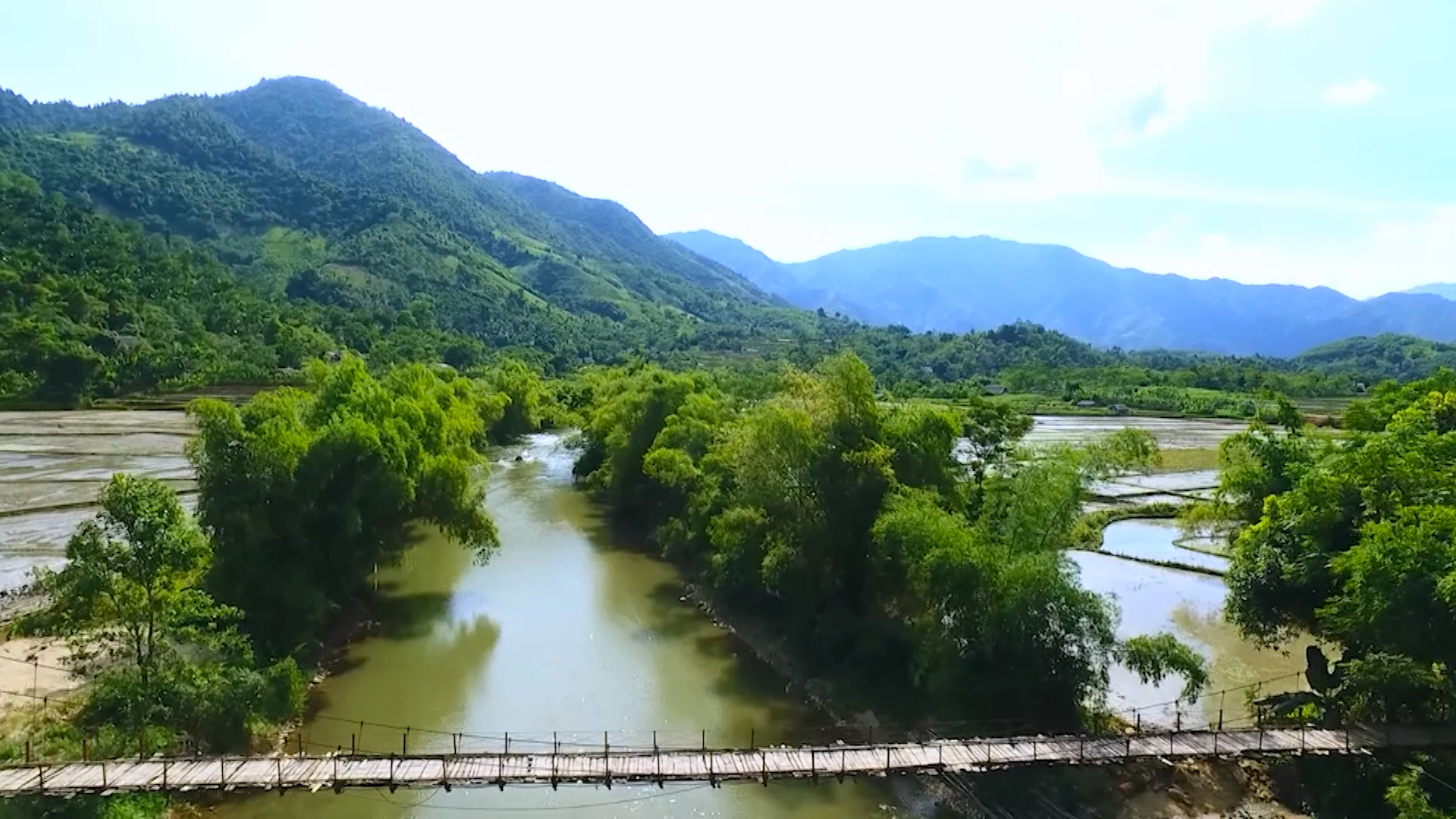
Not only has there been a shift in development thinking, but the lives of the people in Nghia Do are also gradually improving, clearly demonstrated through concrete changes in Nam Cam village.
According to Mr. Co Kim Ve, head of Nam Cam village, the village currently has 75 households with 423 inhabitants. The people mainly cultivate wet rice, grow cinnamon, and are currently experimenting with growing cucumbers on about one-third of their cultivated land. As a result, living standards are gradually improving, especially for households that were previously classified as poor or near-poor.
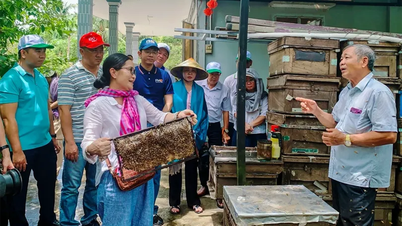
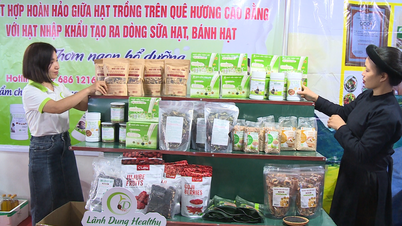
Alongside the development of traditional agriculture, cooperatives in the area have played a crucial role in providing stable employment for the people. Cinnamon, one of Nghia Do's main crops, is now processed and packaged locally, gradually forming a complete value chain.
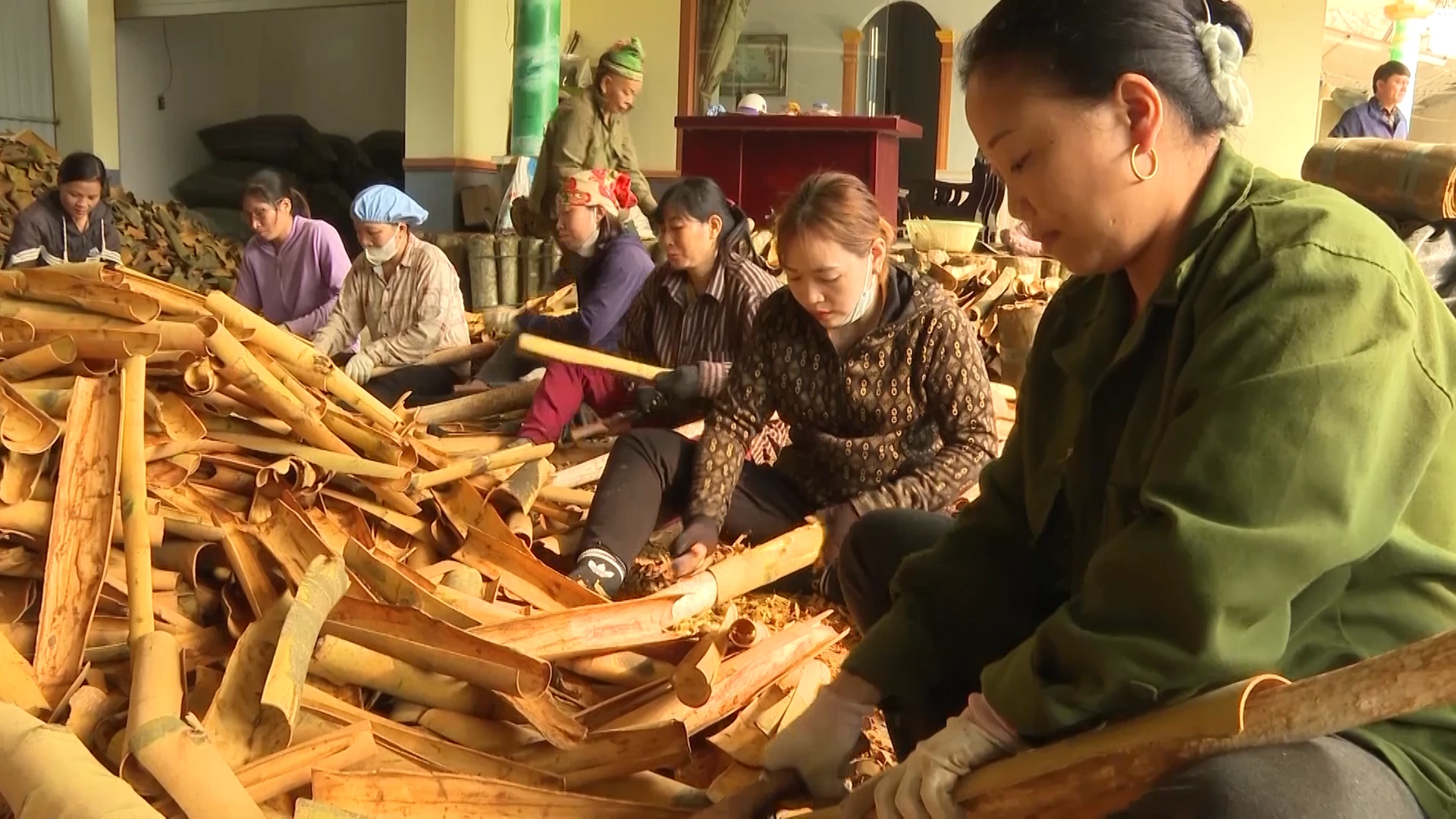
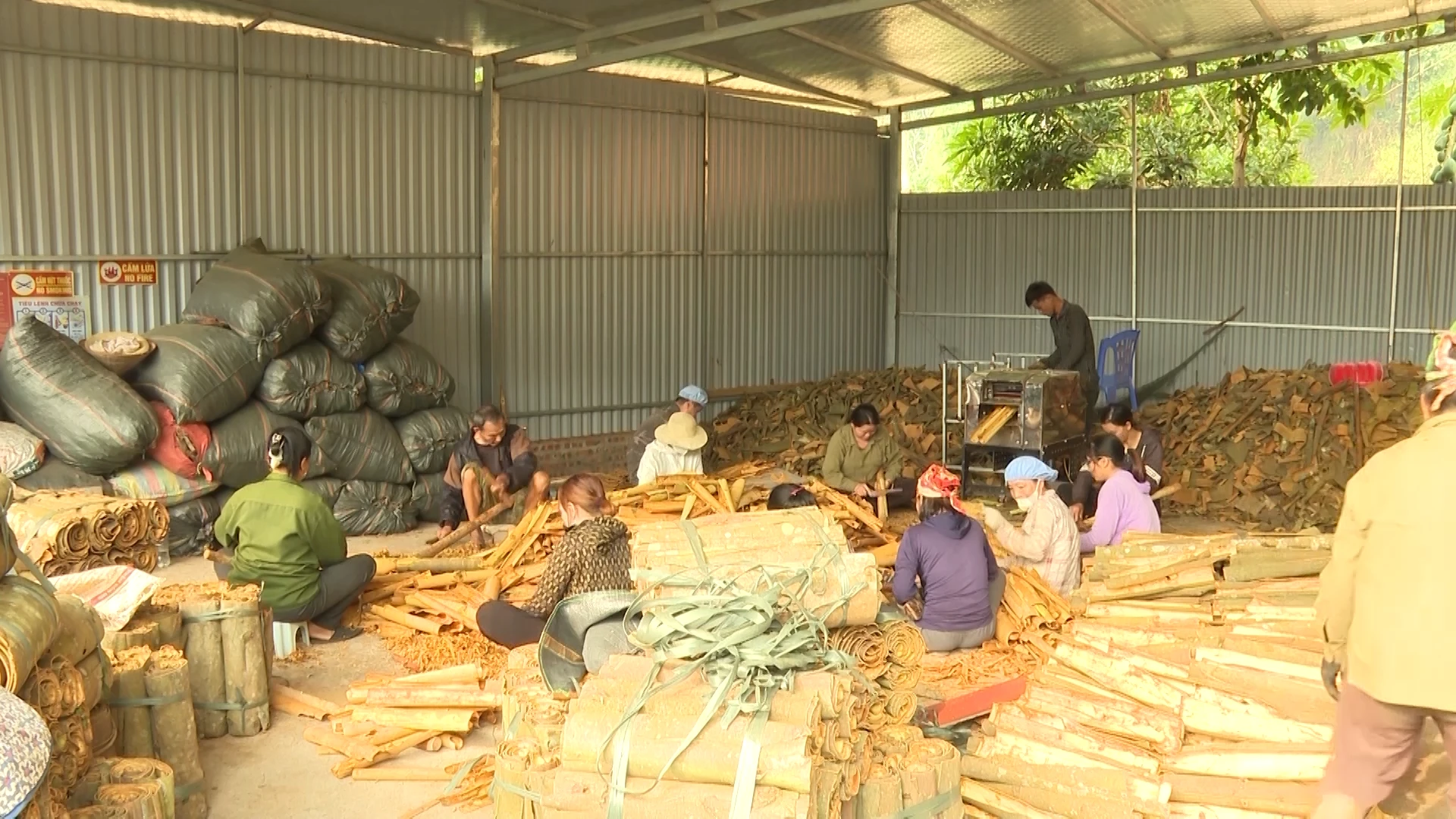
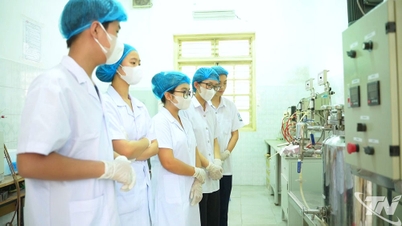
Notably, the Nghia Do Commune Agricultural Cooperative is considered a prime example of creating jobs and increasing income for local people.
Currently, the cooperative has 13 official members and provides employment for approximately 260 local workers. It is expected that in over a month, when the factory becomes operational, the number of workers will increase to over 400, mostly local residents and people from the surrounding area. Current daily wages average around 340,000 VND per person.
The cinnamon value chain in Nghia Do is taking shape: growers have a stable market outlet, processing workers have year-round employment, and local products are increasingly gaining access to larger markets.
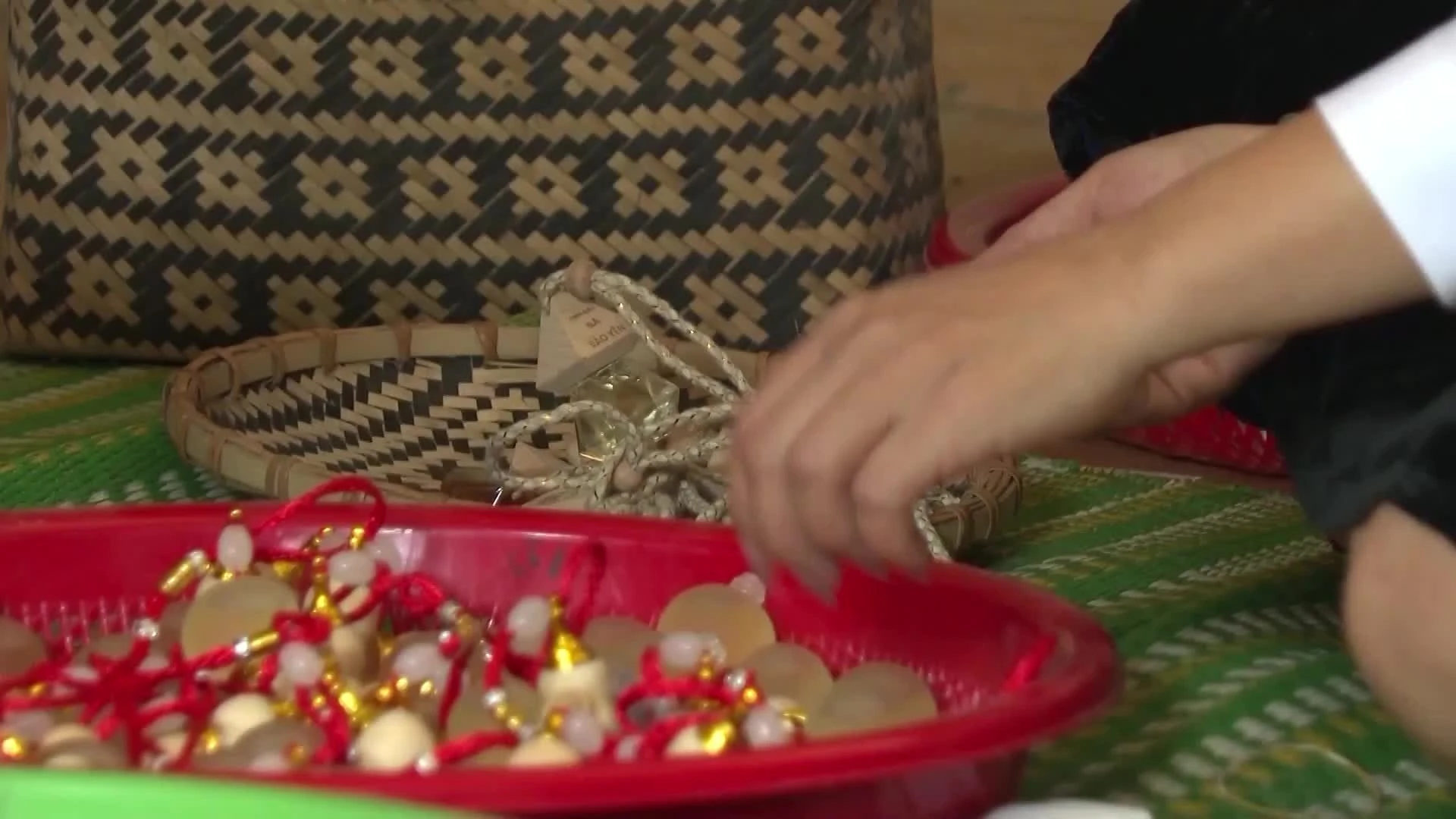
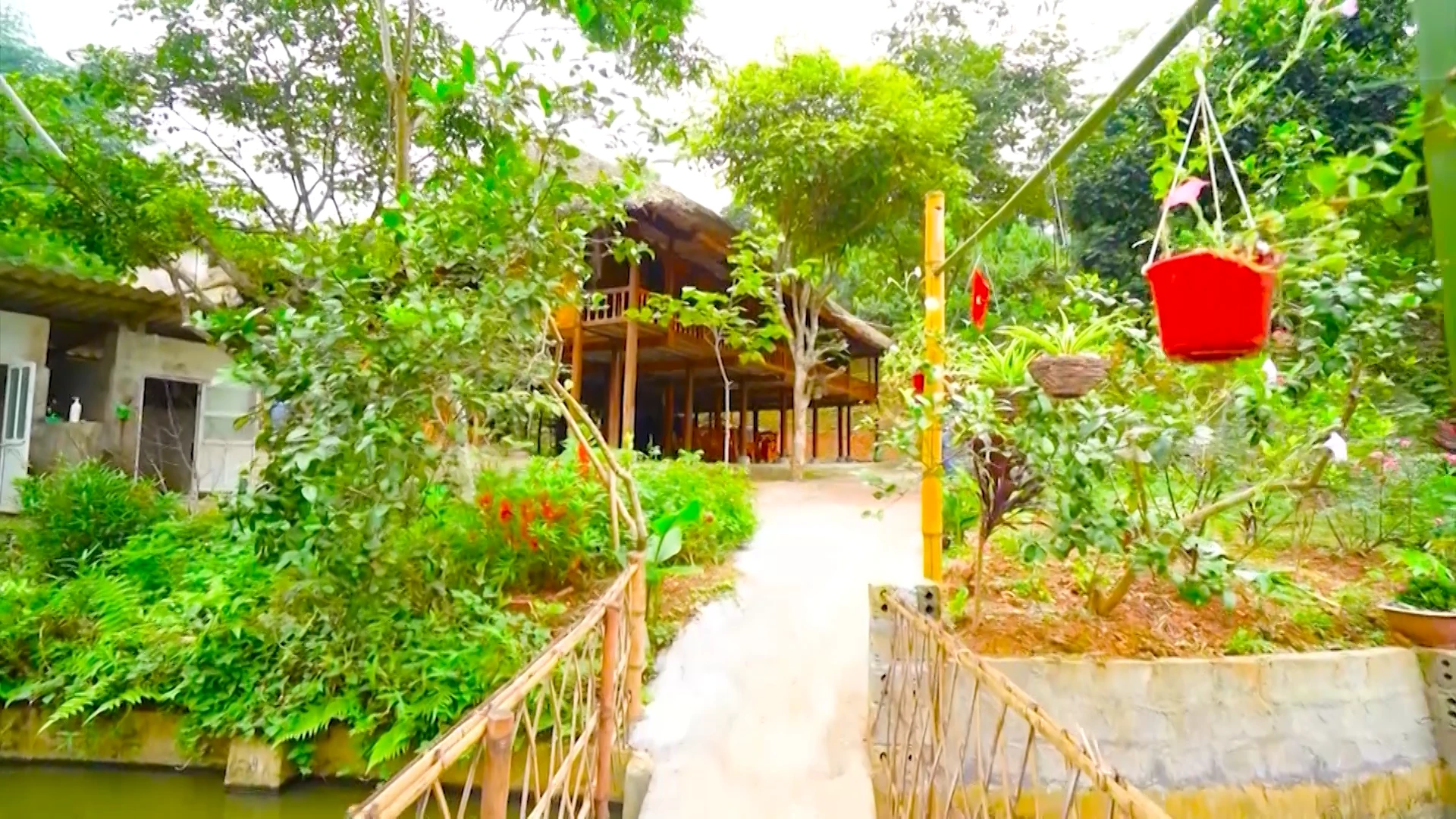
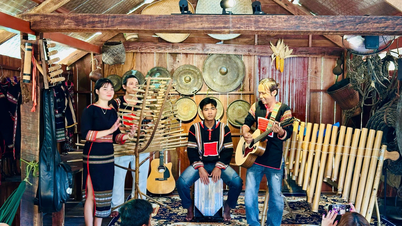
In the overall development, community-based tourism stands out as a key highlight. Traditional Tay stilt houses are preserved, renovated, and utilized to welcome tourists, simultaneously preserving cultural identity and creating a stable source of income for the people – a model that harmonizes preservation and development.
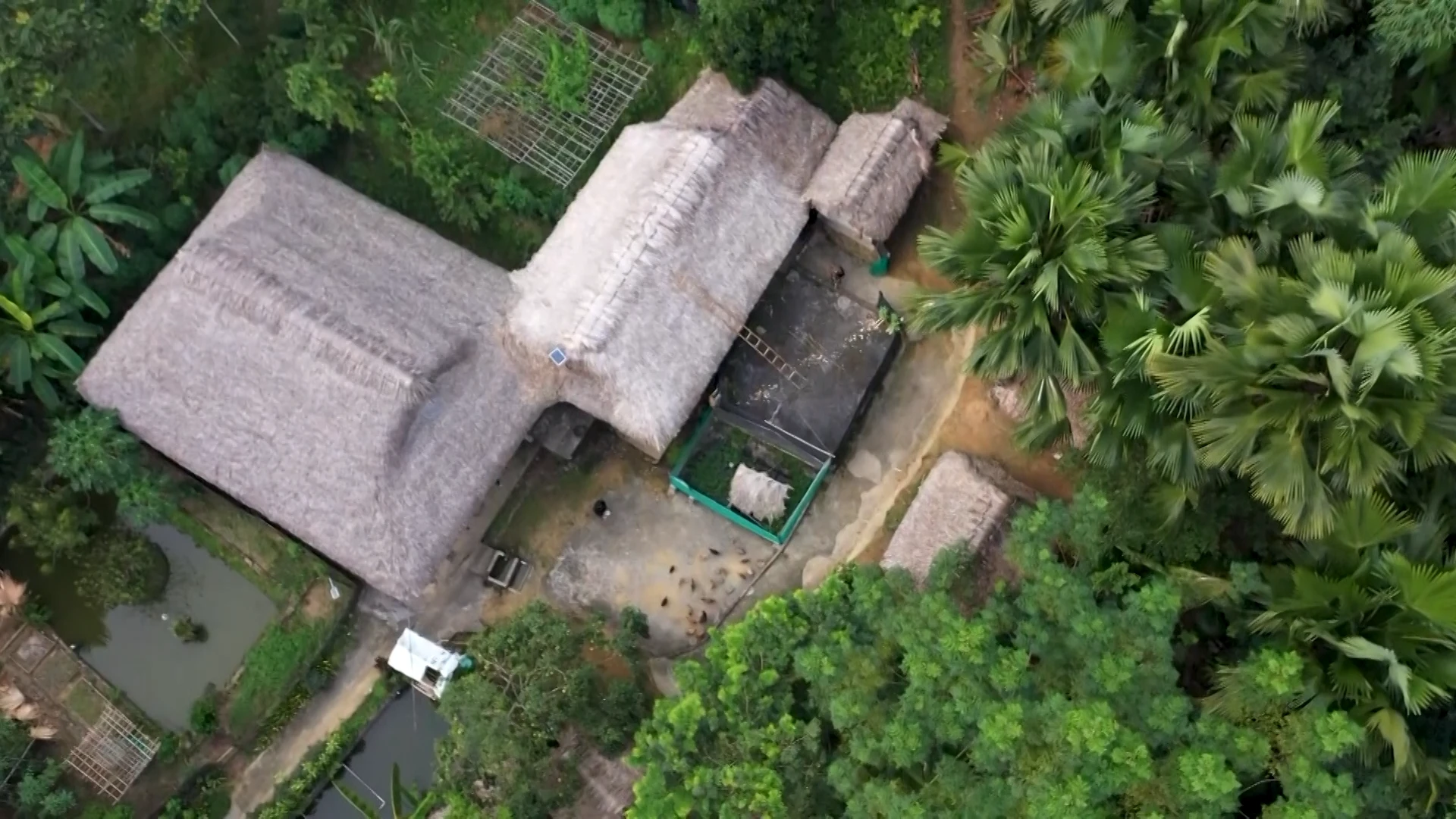
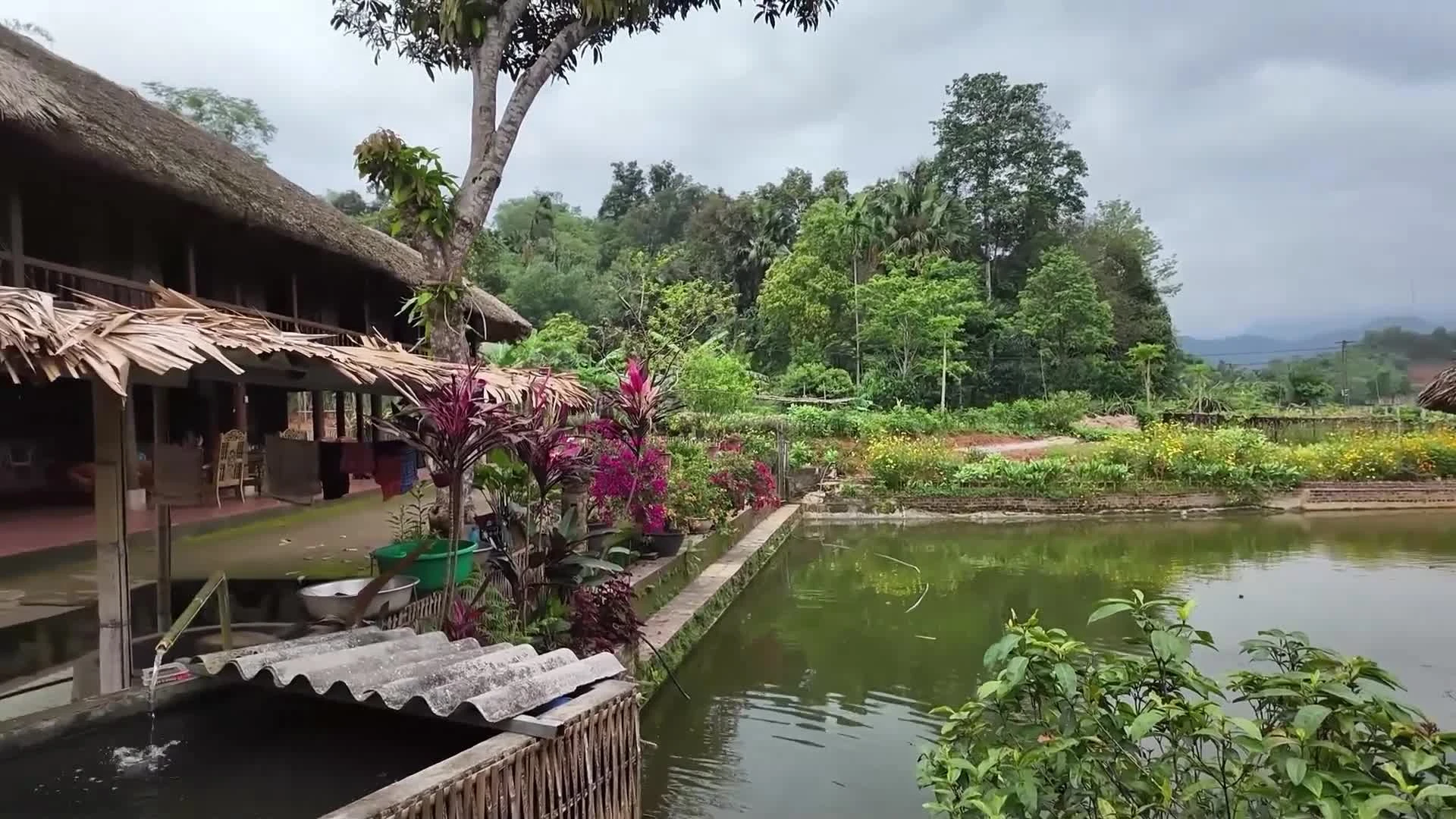
Mr. Hoang Van Bom, representative of Hoang Van Bong Homestay, is one of the pioneering households developing the homestay model in Nghia Do. His family started operating a tourism business in 2010, stemming from a suggestion by a French tourist who came to learn about Tay culture. When the locality was recognized as a tourist destination, the family continued to invest in and upgrade their accommodation facilities to become increasingly professional.
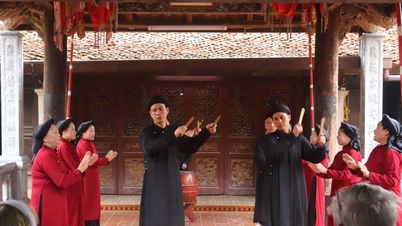
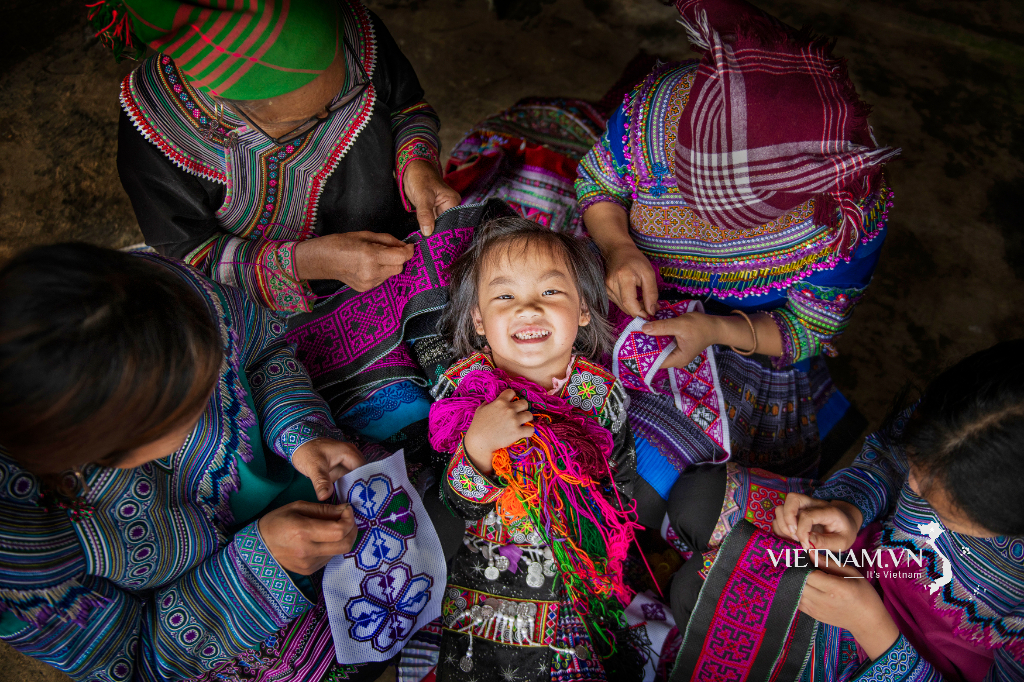
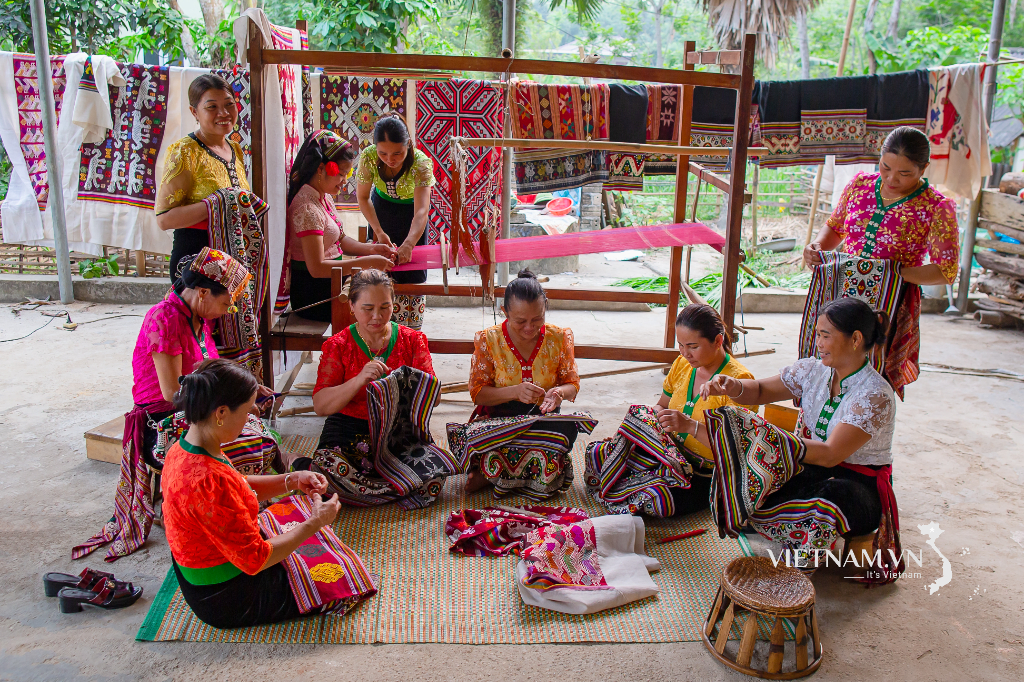
Currently, more than 20 households in Nghia Do commune are participating in homestay development. Domestic and international tourists come here not only to stay but also to experience weaving, basketry, enjoy Tay cuisine , and participate in traditional ceremonies. In addition, the commune government has compiled and published publications on local culture, serving both research purposes and helping tourists gain a deeper understanding of the region they are visiting.
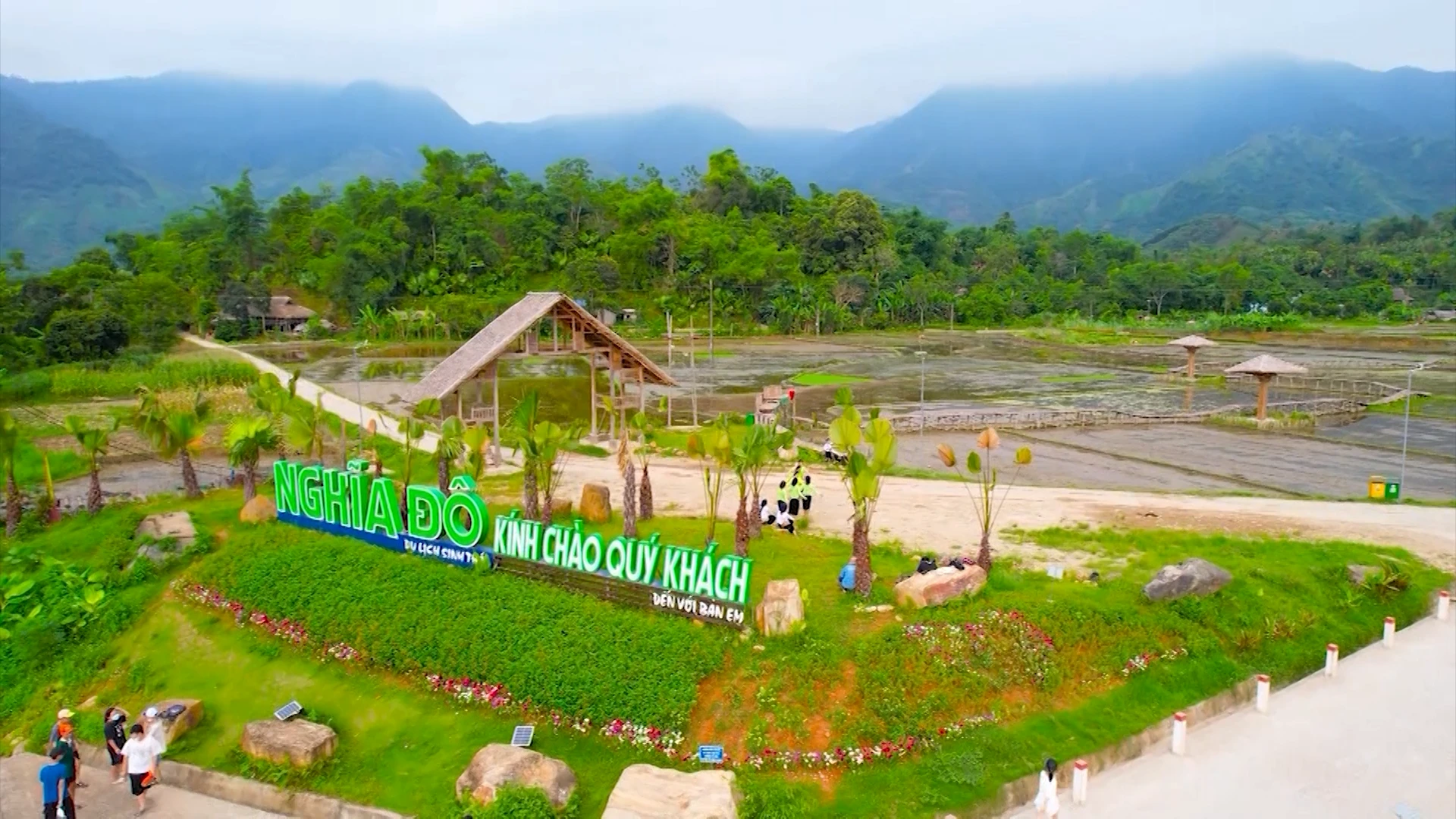
A livable rural area is measured not only by its level of prosperity, but also by its peace of mind. With a determination to build a drug-free community, Nghia Do has implemented a comprehensive set of solutions right from the first campaign launched by the Provincial Police.
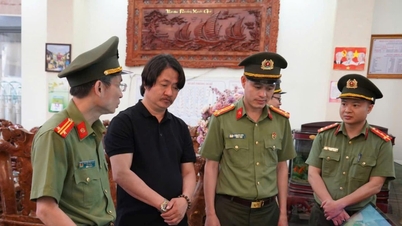
According to Lieutenant Colonel Pham Tho An, Head of Nghia Do Commune Police, the police force proactively advised the Party Committee and the People's Committee of the commune to issue resolutions and plans; and simultaneously established working groups in charge of each village to implement the goal of building a "drug-free commune". Propaganda work was intensified with billboards in residential areas, along with the public disclosure of complaint boxes and hotlines for people to participate in detecting and reporting drug-related issues.
For those who have completed rehabilitation, the commune closely coordinates with their families to support their reintegration, access to capital, and job creation. As a result, many have stabilized their lives, avoided relapse, and contributed to local economic development.
It can be affirmed that Nghia Do's current appearance is the result of sound leadership from the Party Committee, close attention and management from the local government, the pivotal role of the police force, and the proactive and creative spirit of the people. With a clear roadmap and systematic approach, Nghia Do is expected to complete the ASEAN Community Tourism Criteria by 2028 as planned, gradually affirming its position as a livable rural area.
Source: https://baolaocai.vn/nghia-do-mien-que-dang-song-post899055.html


![[Photo] General Secretary and President To Lam presides over a working session with the Central Policy and Strategy Committee on the development of the materials industry.](https://vphoto.vietnam.vn/thumb/1200x675/vietnam/resource/IMAGE/2026/05/21/1779359935432_a3-bnd-3129-1412-jpg.webp)






























































Comment (0)