



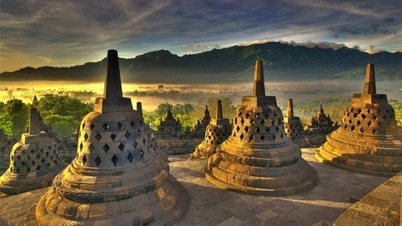
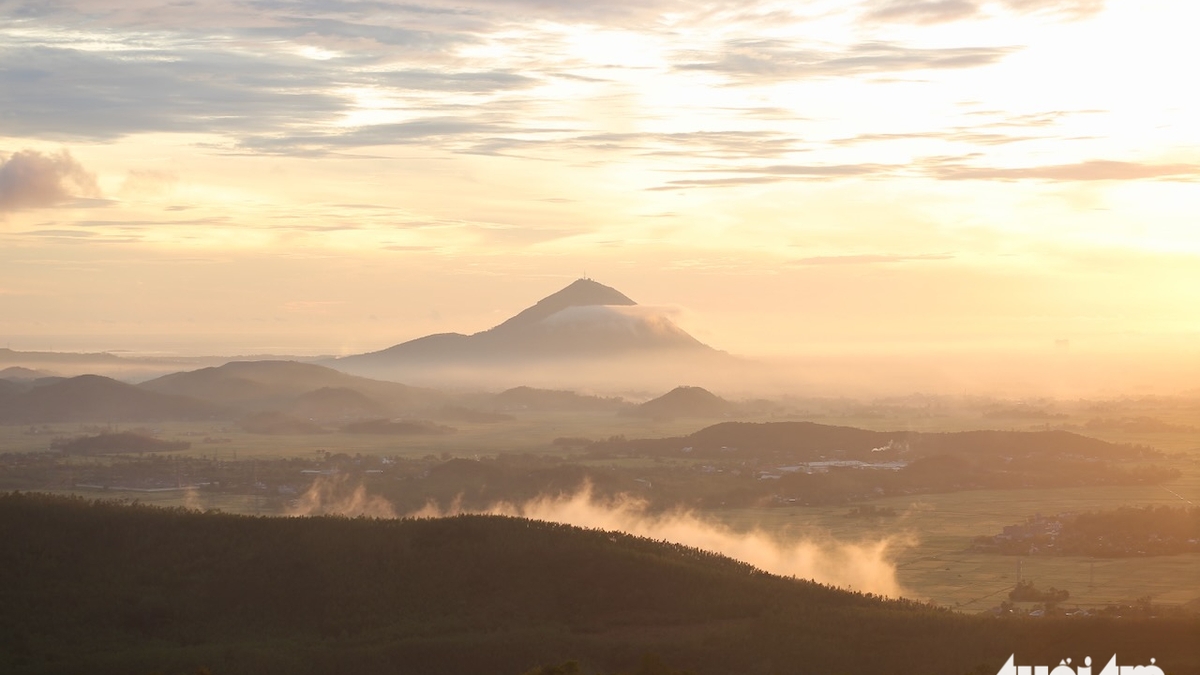
A tranquil sunset in Penglipuran village.
Located approximately 45km from Denpasar city, Penglipuran village lies in the Batur mountain range on the eastern side of Bali island. Situated at an altitude of about 600m above sea level, the village enjoys a relatively cool climate, with temperatures around 16°C at night and 24°C during the day.
Recognized as a UNESCO World Heritage Site since 1970, Penglipuran is known as the cleanest village in Bali, with its neat streets and pristine atmosphere. The village is also special because of its unique way of preserving and maintaining its local culture. Early morning is the time for villagers to perform a ritual. Each household prepares a small offering including flowers, rice, homemade cakes made from flour and coconut, and displays it respectfully in the center of their gate. From 9 am, the village opens its doors to visitors.
Upon entering the village, you can see the Pura Desa temple, with its traditional architecture featuring meticulous decorations and intricate details. Behind the temple lies a lush, verdant bamboo forest. The main village building, a community center, is also a must-see. During festivals or special events, villagers gather here. Here, adults teach children to play musical instruments and dance the Legong, inspiring the architecture and sculptures on this island.
In Penglipuran, each house resembles a garden with a traditional arched gateway. A small canal serves as a drainage channel in front of each house, with a charming bridge crossing it to lead inside. The same flowers are planted in each house, and a stone-paved pathway winds through the guest house, kitchen, ancestral altar, and some houses have a separate reception room.
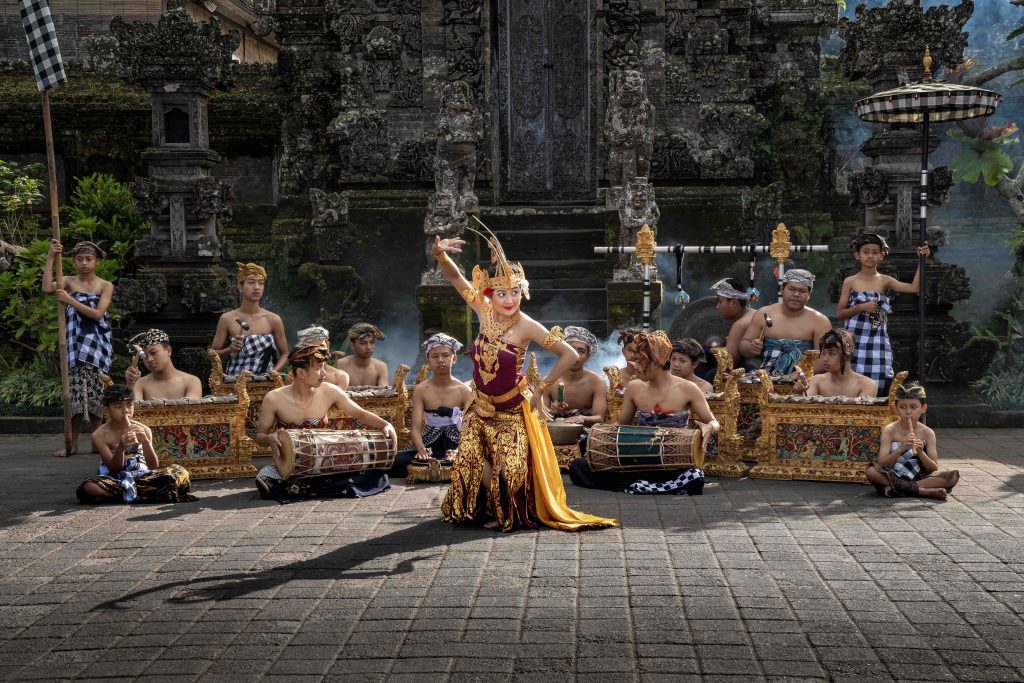
Legong dance
If you get hungry while strolling around, you can stop by the small eateries hidden deep within each house to enjoy some traditional cakes made from wheat flour and coconut pulp, or a refreshing and natural drink made from the slightly sour "cemcem" leaves unique to Penglipuran village.
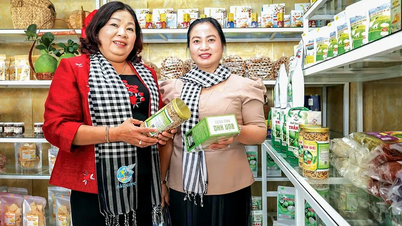
Visitors to Penglipuran also have the opportunity to explore traditional handicraft production, most notably Batik weaving. The fabrics are meticulously and delicately painted with beeswax to make scarves, blouses, and skirts for the women of the village. In addition, the people of Penglipuran sell souvenirs such as handbags, Balinese sarongs, and masks with unique designs.
After 4 PM, the number of tourists gradually thins out. The village becomes ablaze with golden hues as the sun sets. At this time, the villagers begin preparing offerings to present at the temple. The women often choose colorful traditional dresses to wear to the ceremony. They move gracefully and skillfully along the path up the hill, carrying bamboo baskets on their heads.

Traditional house gate
From 5 PM onwards, the village becomes quiet and the temperature gradually cools, restoring to Penglipuran a peaceful, tranquil atmosphere, with the faint scent of incense emanating from the temples. After the religious ceremonies, the villagers begin to celebrate and have fun. When visiting Penglipuran, you can stay in the village itself to experience the minimalist and clean lifestyle in one of the homestays. Choosing this option gives you even more opportunities to immerse yourself in the friendly and hospitable local people.
Tourists typically visit Penglipuran Bali during the summer months, starting in June, and during festivals from July to September. At these times, the village is beautifully decorated and hosts unique artistic performances. Experiences during this significant period are sure to leave visitors with unforgettable impressions.
Source: https://heritagevietnamairlines.com/ngoi-lang-binh-yen-o-bali/
















































Comment (0)