


I have ischemic heart disease. Should I eat more red meat to supplement my iron intake? (Van Dat, Nha Trang)
Reply:
Common types of red meat include beef, pork, goat, dog, lamb, rabbit, and buffalo. Red meat is highly nutritious, containing plenty of protein, iron, zinc, phosphorus, and B vitamins.
100g of raw red meat contains approximately 20-25g of protein and many essential amino acids such as lysine, threonine, methionine, phenylalanine, tryptophan... The myoglobin content in red meat is much higher (about 65%) than in white meat.
However, many people do not have a balanced diet of red meat. Consuming too much red meat can increase the risk of heart disease, kidney disease, and cancer.
Red meat contains high levels of saturated fat and cholesterol (pork has the highest levels, at 67 mg per 100 g), which increases the risk of cardiovascular disease. Cholesterol is also found in foods of animal origin such as animal organs, brains, kidneys, hearts, shrimp, squid, and eels.
Medium-saturated fatty acids comprise 40% of the total fatty acids in the lean portion and 48% in the fat portion of red meat.
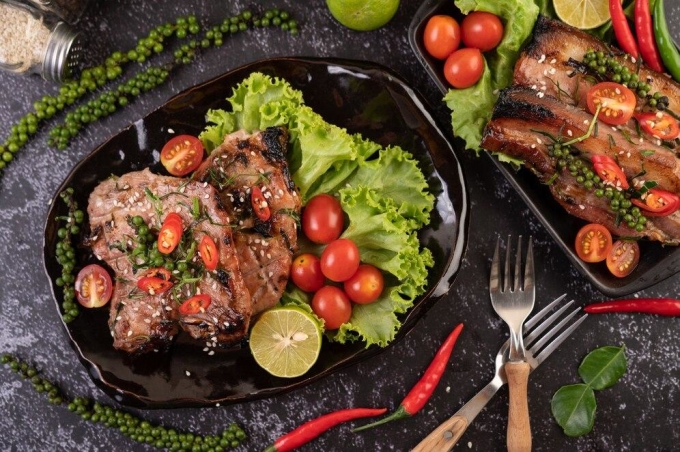
Eating a lot of red meat increases the risk of cardiovascular disease. Photo: Freepik
Consuming more than 170-210g of meat per day, especially red meat and processed meat, increases levels of bad cholesterol (LDL-C), which accumulates in the walls of blood vessels, narrowing the arteries and reducing blood flow to the heart. Over time, these plaques grow larger, causing blockages and increasing the risk of myocardial infarction due to atherosclerosis. A diet high in red meat is also a risk factor for kidney disease.
In your case, with myocardial ischemia, you should avoid eating large amounts of red meat. You can replace red or processed meat with white meat and plant-based proteins such as nuts, beans, whole grains, and soy products. You should also consider eating one meat-free meal each day.
Red meat should not be completely eliminated from the diet because it provides significant nutritional value essential for the body. An adult should eat a variety of animal-based proteins including red meat, white meat (poultry, seafood), eggs, dairy, and plant-based proteins such as beans, legumes, and whole grains. The amount of red meat consumed should not exceed 350-500g per week.
Doctor Tran Thi Tra Phuong
Nutrihome Nutrition Clinic System
| Readers can post questions about cardiovascular diseases here for doctors to answer. |
Source link
![[Photo] Thousands of tourists visit the Quang Trung Emperor Temple in Nghe An during the early spring season.](https://vphoto.vietnam.vn/thumb/1200x675/vietnam/resource/IMAGE/2026/02/26/1772095410680_img-9305-3882-jpg.webp)
![[Photo] National Assembly Chairman Tran Thanh Man inspects election preparations in Hai Phong city.](https://vphoto.vietnam.vn/thumb/1200x675/vietnam/resource/IMAGE/2026/02/26/1772095420401_ndo_br_bnd-8016-jpg.webp)
![[Photo] National Assembly Chairman Tran Thanh Man working with the Hai Phong City Election Committee](https://vphoto.vietnam.vn/thumb/1200x675/vietnam/resource/IMAGE/2026/02/26/1772103806795_ndo_br_bnd-8224-jpg.webp)



























































































Comment (0)