

On July 5th, Dr. Nguyen Hoang Khuong (Emergency Department, Tam Anh General Hospital, Ho Chi Minh City) stated that imaging results confirmed a stroke. The HbA1c level (a blood sugar test over the past 2-3 months) was nearly 11%, almost double the normal level. The patient was diagnosed with a stroke due to complications from diabetes.
According to Dr. Khuong, this is the second patient with a stroke due to diabetic complications that the hospital has received in the past three days. Previously, a 47-year-old male patient with similar symptoms to Mr. T. was diagnosed with stroke and type 2 diabetes with high blood sugar levels of 200 mg/dL (normal range is 70-100 mg/dL), and HbA1c close to 8%. In June, the hospital also admitted 4-5 people under 50 years old who had strokes accompanied by high blood sugar but were unaware of their pre-existing condition.

Transfer stroke patients to the Emergency Department.

Dr. Tran Thuy Ngan (Department of Endocrinology - Diabetes) said that both patients were treated for stroke with dual antiplatelet therapy, lipid-lowering medication, brain-boosting drugs, and insulin injections to bring blood sugar levels back to stable. Patients were given guidance on appropriate diet and exercise upon discharge.
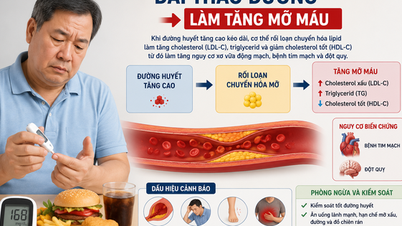
"Prolonged high blood sugar levels promote the accumulation of fat in the arteries, forming atherosclerotic plaques that lead to blood clots or arterial blockages, causing damage to blood vessels. Damaged blood vessels will affect the function of nerves, eyes, kidneys, heart, brain, etc.," Dr. Ngan explained.
People with diabetes have a 2-4 times higher risk of stroke compared to the general population, with the risk being even higher in younger people who develop the disease. Stroke patients with poorly controlled blood sugar levels have a higher mortality rate and more severe post-stroke complications.
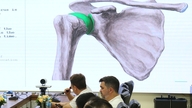
"To reduce the risk of stroke, patients also need to control blood sugar and maintain a healthy lifestyle, such as having a balanced diet, ideally only eating three main meals, with additional snacks if feeling hungry, choosing less refined carbohydrates, eating plenty of fiber, reducing salt intake, drinking enough water, and limiting fast food and processed foods," Dr. Ngan advised.
Source link

























































![[Video] Sunset at Lap An Lagoon – Where the sun sets over the fishing nets](https://vphoto.vietnam.vn/thumb/1200x675/vietnam/resource/IMAGE/2026/05/31/1780192137701_beach-landscape-sea-water-nature-grass-745871-pxhere-com.jpeg)

































Comment (0)