 |
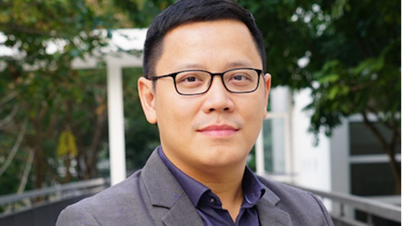
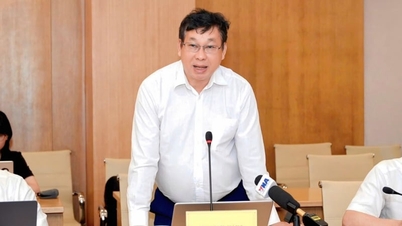
| Associate Professor, Doctor Nguyen Van Tri, Vice President of the Vietnam Geriatrics Association, President of the Ho Chi Minh City Geriatrics Association. |
Associate Professor, Doctor Nguyen Van Tri, Vice President of the Vietnam Geriatrics Association and President of the Ho Chi Minh City Geriatrics Association, emphasized: In addition to facing chronic diseases, the elderly also face the risk of functional decline, malnutrition, dementia, and mental loneliness.
Common health problems in the elderly
*Dear Associate Professor and Doctor Nguyen Van Tri, what are the most common diseases among the elderly today?
- The most common group of diseases among the elderly today are non-communicable diseases, especially cardiovascular and vascular diseases. The most frequently encountered are hypertension, diabetes, dyslipidemia, and diseases of the cerebrovascular, cardiac, and renal blood vessels.
These conditions often occur together. For example, a person with hypertension is very likely to also have diabetes or dyslipidemia. This combination increases the risk of complications such as stroke, myocardial infarction, kidney failure, or cognitive decline in the elderly.
The current trend is a decline in infectious diseases, while non-infectious diseases are increasing sharply. This reflects changes in social life. Better living conditions allow people to live longer and suffer from fewer infectious diseases. However, as life expectancy increases, chronic diseases, degenerative diseases, and vascular diseases are becoming more prevalent.
I often compare the vascular system to a plumbing system. The longer it's used, the more it deteriorates. Similarly, the longer NCTs live, the higher their risk of vascular disease.
* How do we understand the "health capacity" of older adults, sir?
- The most important thing in geriatrics is not just detecting disease, but also assessing the remaining "health capacity" of the elderly.
Currently, the healthcare sector primarily focuses on disease detection and treatment. However, for the elderly, diagnosis alone is insufficient. An elderly person with hypertension who is still able to care for themselves, remains mentally alert, and has good mobility will find treatment much easier. Conversely, a person with only a mild illness but who is confused and unable to care for themselves will face significantly more difficult treatment.
"In my lectures, I always emphasize to my students that it's not enough to just ask 'what's the illness so we can treat it,' but we must also ask about the person's current health condition to provide appropriate treatment."
Associate Professor, Doctor Nguyen Van Tri
Therefore, what we are concerned about is how much health reserve NCT has left. Those with good health recover faster and are more resistant to disease. Those who are weakened have a higher risk of complications, hospitalization, and death.
This is the fundamental difference between geriatrics and conventional internal medicine. Internal medicine primarily focuses on treating disease, while geriatrics must comprehensively assess both the patient's pathology and vital functions, including their ability to care for themselves, their cognitive abilities, nutrition, and mental state.
So, in your opinion, how can we assess the health capacity of the elderly?
Actually, this isn't too complicated and doesn't require advanced technical skills. We can evaluate it using very simple scoring systems.
There are four important factors that need to be screened for. First is the number of illnesses the elderly person has. Having no illnesses is very good. One or two illnesses are considered mild, three or four are moderate, and more than five are severe. However, it's also necessary to consider the stage of the illness and whether there are any complications.
Secondly, assess the degree of disability. Can the person still care for themselves? Can they go shopping, live independently, or are they dependent on others? This is an extremely important factor.
Thirdly, assess cognitive function. Do elderly people often forget things? Can they remember simple information? Can they orient themselves in time and space? If cognitive decline is present, adherence to treatment will be very difficult.
Finally, we assess nutritional status. We check if the patient has a loss of appetite, weight loss, and a decrease in BMI. These signs indicate a risk of malnutrition in the elderly.
By combining all four factors mentioned above, we can classify individuals as having good, average, or severely impaired health. From there, doctors can develop a more appropriate treatment plan.
* Once the "health capacity" has been assessed, how will the care and treatment change, sir?
- If the doctor knows the patient is weakened, they will focus on improving muscle mass, supplementing protein, performing rehabilitation exercises, and increasing physical activity. If cognitive decline is detected, in addition to medication, "social therapy" is necessary. This means helping the elderly participate in community activities, read books and newspapers, play chess, and interact with others. The brain, like muscles, will atrophy if it is not used.
- For malnourished individuals, nutritional supplementation, vitamin D, and appropriate physical activity are necessary. The important thing is not only to treat the disease but also to restore and maintain the elderly person's vitality. Furthermore, a comprehensive assessment helps doctors better manage the issue of multiple medications. Elderly people often take many medications simultaneously. If not properly managed, these medications can interact, causing side effects or leading to liver or kidney failure.
 |
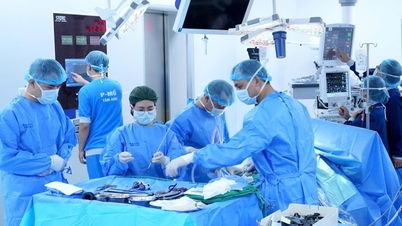
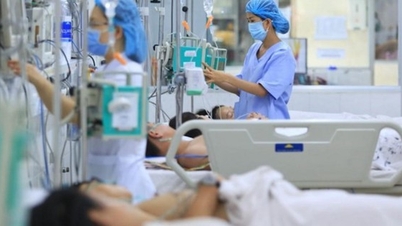
| Doctors at Dong Nai General Hospital examine and encourage an elderly patient who has just undergone surgery. |
We need to change our mindset regarding elderly care.
* In the context of a rapidly aging population, do you think the current healthcare system is adequate to meet the healthcare needs of the elderly?
- The reality is that geriatrics is still not receiving adequate attention. Many hospitals currently do not have a dedicated geriatrics department. Elderly patients are still treated alongside patients in general internal medicine or cardiology departments. However, I am very pleased that there is now Resolution No. 72-NQ/TW, dated September 9, 2025, of the Politburo on some breakthrough solutions to strengthen the protection, care, and improvement of people's health. Following this resolution, the health sector has begun to pay more attention to geriatrics, especially in large cities.
I believe that large hospitals should soon have their own geriatrics departments, and even major cities should have geriatric hospitals. But more importantly, we need to change our mindset regarding elderly care.
Geriatrics is not just "internal medicine for the elderly" but must assess the overall health capacity of older adults. This means that in addition to diagnosis and treatment, it's necessary to consider whether the individual can still care for themselves, whether they are frail, experiencing dementia, or suffering from malnutrition.
* Besides physical issues, older adults today also face many mental health problems. What can families and society do to support them, sir?
- Mental health is a very important part of caring for the elderly. If older adults live alone, receive little attention, and have limited social interaction, their risk of cognitive decline and depression increases.
Many elderly people who stay at home, do not participate in social activities, and do not interact with anyone will experience a decline in brain function. Conversely, those who participate in clubs and community activities, read newspapers, play chess, and converse regularly tend to have much sharper minds.
Families need to spend time talking to, caring for, and creating opportunities for older adults to participate in suitable activities. Don't think that caring for the elderly is just about ensuring they are well-fed or take their medication on time. What they often need is sharing, being listened to, and feeling that they are still useful.
We must view the health of older adults in a holistic sense, encompassing both physical and mental well-being. When older adults are mentally healthy, they will also be physically healthier.
Thank you very much, sir!
Hanh Dung (compiled)
Source: https://baodongnai.com.vn/xa-hoi/y-te/202606/cham-care-nguoi-cao-tuoi-khong-chi-la-chua-benh-91a4198/
















































































Comment (0)