

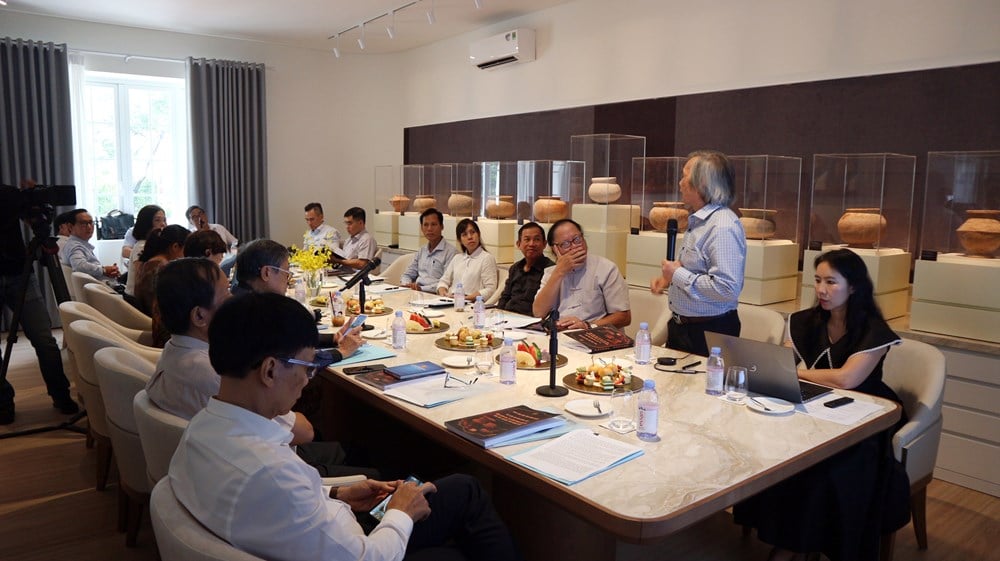
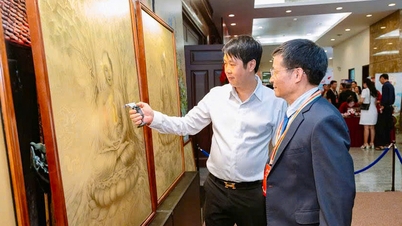
On August 30th in Ho Chi Minh City, the Museum of Ceramics from the Founding Period organized a scientific seminar with the theme "Identifying the Value of Phung Nguyen, Hoa Loc, and Den Doi Ceramics from the Founding Period".
This is one of the museum's first in-depth activities since its establishment (June 26, 2025), marking an important step in the effort to research, preserve, and promote the value of Vietnamese ceramic heritage from the early period of nation-building.
The seminar brought together many researchers, leading experts, and heritage management agencies, including Mr. Pham Dinh Phong – Deputy Director of the Department of Cultural Heritage (Ministry of Culture, Sports and Tourism); Prof. Dr. Nguyen Van Kim – Vice Chairman of the National Council of Cultural Heritage, along with representatives from research institutes, museums, universities, and antique appraisal units.
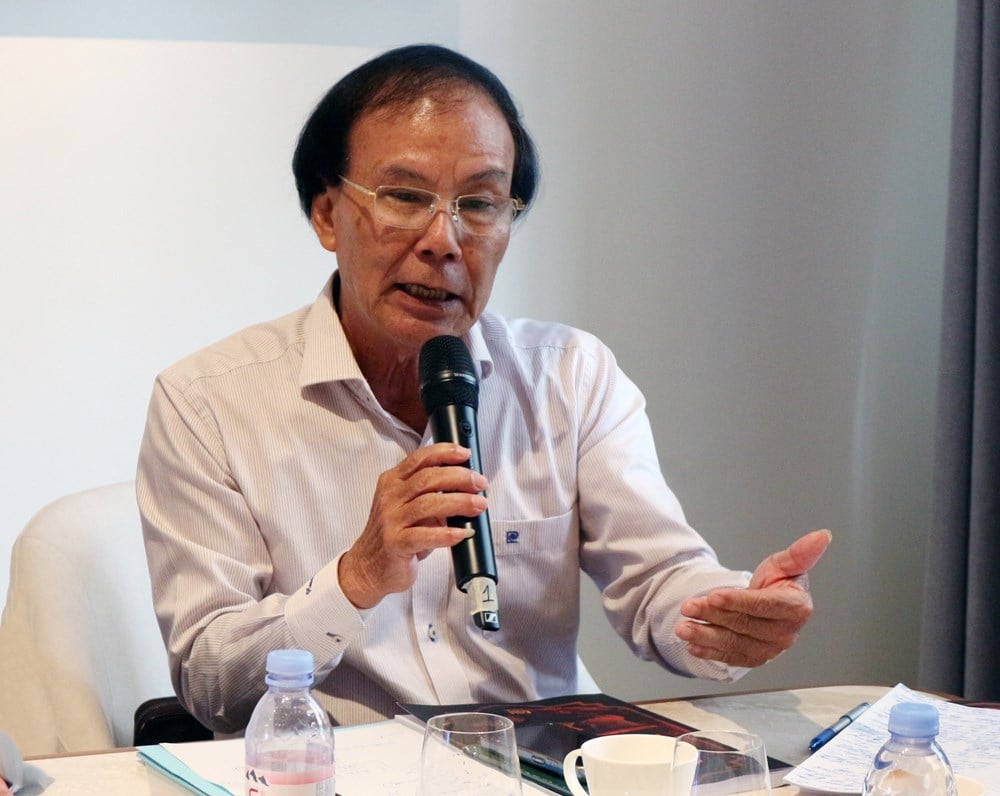
The seminar focused on pottery from the Phung Nguyen (Phu Tho), Hoa Loc (Thanh Hoa), and Den Doi ( Nghe An ) cultures. These are considered the starting points of the Bronze Age – the dawn of nation-building history.
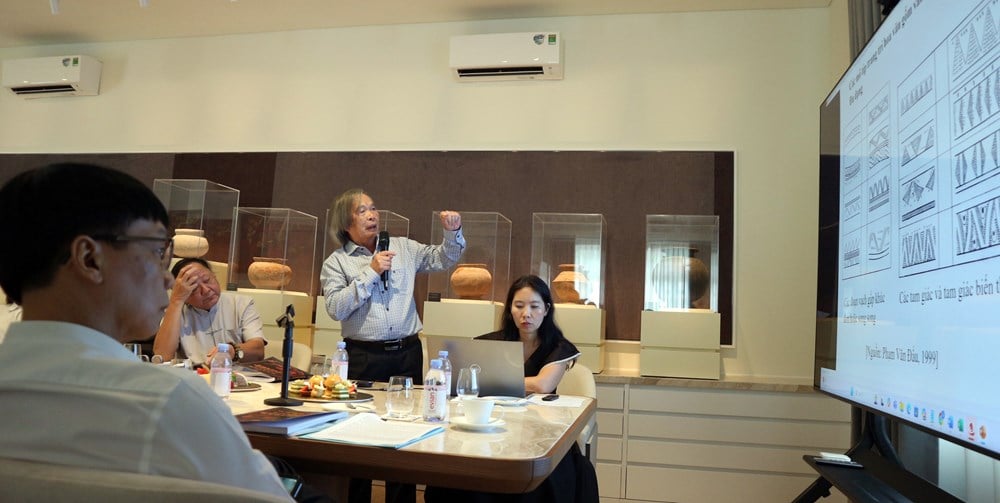
Researchers presented papers covering various aspects: raw materials, crafting techniques, form, color, patterns, age, and the connections between cultures…
These findings not only help identify the historical and scientific value of ceramic artifacts but also expand our understanding of the spread of ceramic art to later periods, especially the Dong Son culture with its famous bronze drums and bronze jars.
Challenges in conservation work
At the seminar, Dr. Hoang Anh Tuan – Director of the Ho Chi Minh City History Museum and Assoc. Prof. Dr. Bui Chi Hoang – Member of the National Cultural Heritage Council presented research on the conservation and promotion of the historical and cultural value of pottery from the nation-building period.
According to Dr. Hoang Anh Tuan, the Museum of Ceramics from the Founding Period plays a special role in preserving and disseminating the value of Vietnam's archaeological heritage. It is currently the only non-governmental museum that preserves and displays over 1,000 ceramic artifacts from the founding period, mainly belonging to the Phung Nguyen, Dong Dau, Go Mun, and Dong Son cultures.
These artifacts are mostly made from clay fired at low temperatures, resulting in rough, brittle pottery that is easily affected by natural conditions after thousands of years in the soil, caves, or riverbeds. This makes preservation a challenge.
"Pottery from the nation-building period not only reflects the daily life, beliefs, and art of prehistoric and early historical inhabitants, but also serves as evidence of the process of forming Vietnamese cultural identity."
However, conservation efforts currently face many challenges such as a humid tropical climate, lack of preservation infrastructure, specialized equipment, and professional personnel. The risk of damage or loss of heritage is ever-present if there is no comprehensive solution,” said Dr. Hoang Anh Tuan.
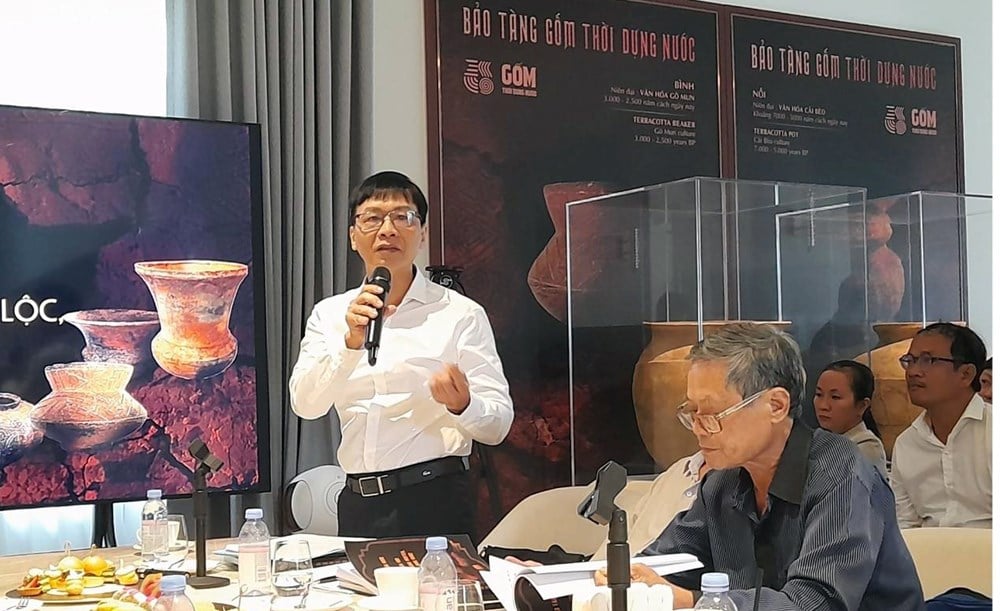
According to experts, a comprehensive strategy is needed: investing in infrastructure, applying advanced conservation technologies; training specialized personnel; perfecting the legal framework for controlling heritage protection activities; and expanding international cooperation to access new knowledge and resources.
Alongside preservation, promoting the value of heritage must be emphasized through forms such as thematic exhibitions, digitization of artifacts, and the development of educational , tourism, and cultural industry products from ancient pottery.
"Preserving and promoting pottery from the nation-building period is not only a task for the museum sector, but also a social responsibility in safeguarding the nation's cultural memory and creating a foundation for sustainable development," emphasized Dr. Hoang Anh Tuan.
Representing the management agency, Mr. Pham Dinh Phong – Deputy Director of the Department of Cultural Heritage – assessed the seminar as having high professional quality, especially in linking academic research with artifacts currently preserved at the museum.
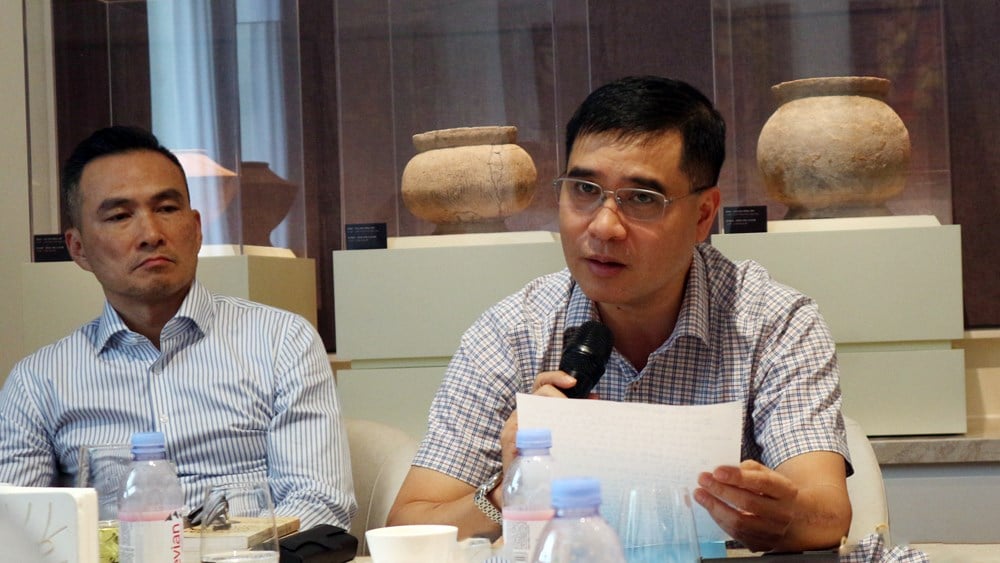
Mr. Pham Dinh Phong suggested that the museum needs to classify its collection in more detail. Currently, the museum's establishment documents only divide the collection into three main groups: Pottery from the Dong Son culture period (including the national treasure Dong Son pottery); Pottery from contemporary cultures (Sa Huynh, early history of the Dong Nai River basin); and Pottery from several periods of Vietnamese culture.
However, this classification method only meets the requirements for completing the initial museum establishment dossier.
According to the latest regulations in Clause 9, Article 3 of the 2024 Law on Cultural Heritage, a collection should be understood as “a collection of relics, antiques, national treasures, and documentary heritage that are systematically collected, preserved, and arranged according to common characteristics in form, content, or material to meet the needs of understanding natural and social history.”
The Deputy Director of the Department of Cultural Heritage suggested that museums need to classify their collections in more detail. According to him, the more accurate and in-depth the classification, the clearer each collection will be, providing a basis for organizing thematic exhibitions, and even allowing a single collection to tell an entire historical story.
Based on the reclassification, the museum needs to collaborate with scientists specializing in ceramics from the nation-building period, and may also contact other museums to organize joint exhibitions, ensuring completeness in the shortest possible time.
Regarding the museum's operational direction, Mr. Pham Dinh Phong proposed several solutions, such as prioritizing the preservation of artifacts, building a digitized database of artifacts, innovating methods of interpreting and displaying exhibits, connecting with experts, and strengthening international cooperation.
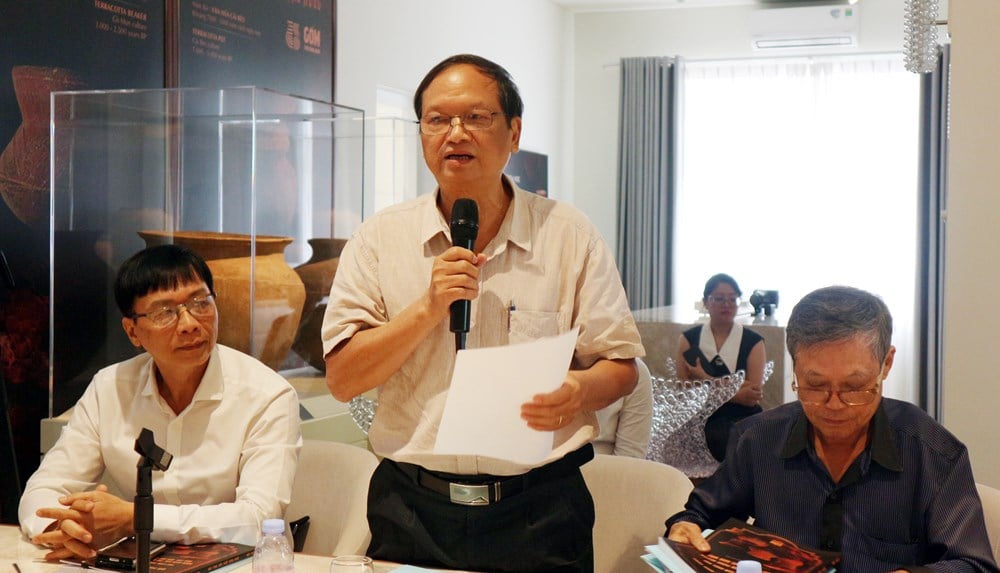
Private museum spaces and aspirations for heritage preservation.
Mr. Pham Gia Chi Bao, Director of the Museum of Ceramics from the Founding Period, stated: "After many years of collecting, preserving, researching, and appraising, we aspire to establish a truly valuable non-governmental museum institution that serves the public."
The Museum of Ceramics from the Early Period was established with the goal of researching, preserving, and promoting Vietnamese ceramic heritage, especially ancient ceramic artifacts from the early days of the nation's founding.
Mr. Chi Bao expressed his wish that his Museum of Ceramics from the Nation-Building Era would soon become a cultural heritage space where the public – especially young people – can clearly feel the value and pride of the nation.
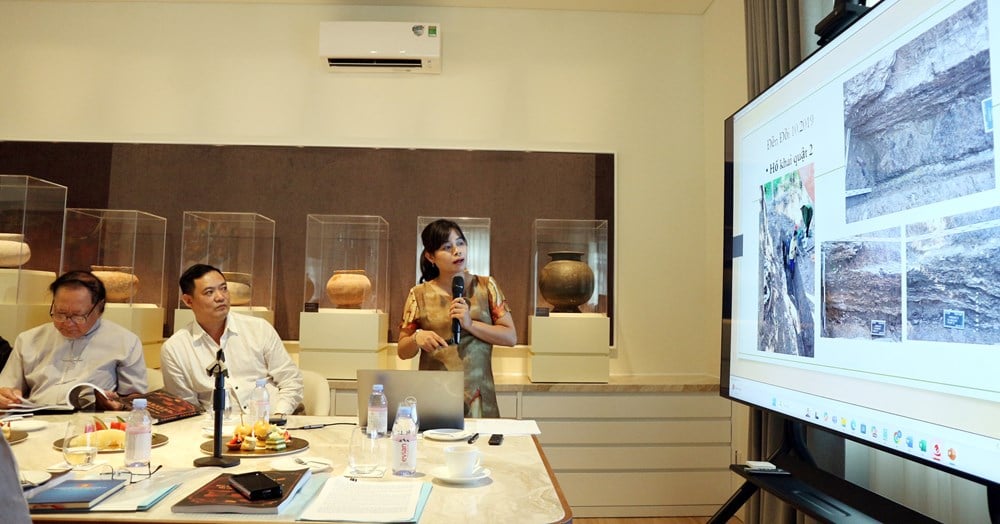
He stated that for the past 15 years, the team has persistently researched, collected, and compiled documents to reconstruct the story of pottery from the nation-building era, despite facing many difficulties at times. The support of the scientific community today is the driving force that keeps the museum on the right track.
"We will take into account feedback, focusing on preservation, display, and museum development. The road ahead is long, but with the collective efforts of the community, the pottery heritage from the nation-building era will be preserved and widely disseminated," Mr. Bao said.
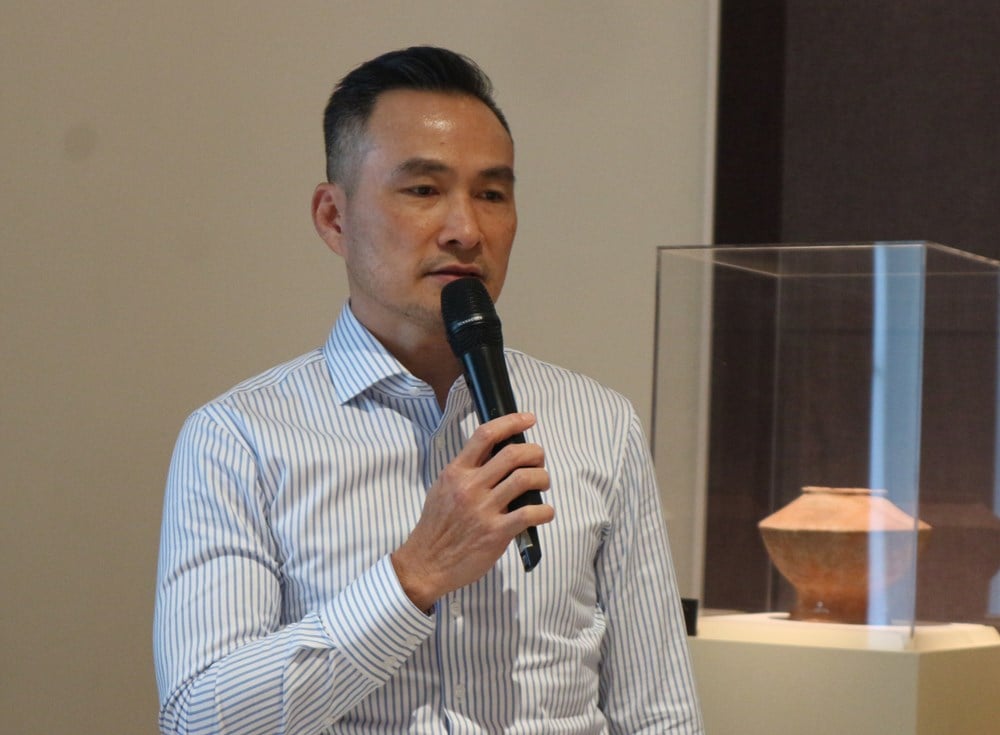
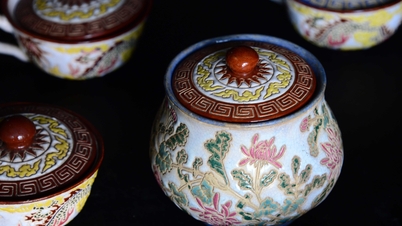
Currently, the museum houses more than 1,000 artifacts, spanning from the Phung Nguyen, Dong Dau, Go Mun to Dong Son cultures – typical cultures of the first era of nation-building.
These collections vividly reflect the technical skills, lifestyle, beliefs, and aesthetics of the ancient Vietnamese people, and are also an important source of historical data for studying the formation of national cultural identity.
In addition to displaying artifacts from pre-Dong Son cultures such as Phung Nguyen, Dong Dau, and Go Mun, the museum also showcases many artifacts from contemporary cultures such as Sa Huynh and the early history of the Dong Nai River basin.
Notably, this site also preserves artifacts from the first 10 centuries AD, a period of independence and self-governance for the Vietnamese feudal regime, along with artifacts of Champa culture in Central Vietnam and the Central Highlands, and Oc Eo culture in Southern Vietnam.
Source: https://baovanhoa.vn/van-hoa/nhan-dien-gia-tri-gom-viet-thoi-dung-nuoc-165135.html







































































Comment (0)