


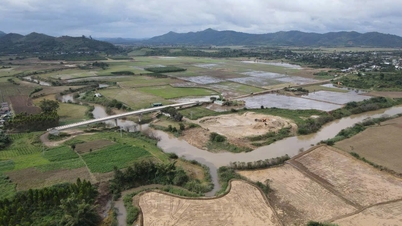
That image, if you look closely, is similar to many of our rural areas today. It's not that there's no potential or opportunity, but sometimes it's held back by invisible "anchors" in the mindset of development.
In behavioral psychology, the "anchoring effect" is when an initial anchor point—an experience, a belief, or a habit—becomes a limiting factor for subsequent thinking. In rural development and sustainable poverty reduction, these anchors manifest in various forms: a mindset focused on meeting criteria, a support-oriented approach to poverty reduction, a reliance on government funding, or a lack of coordination among households and communities. These factors may have been valuable for a certain period, but if not recognized, they can become obstacles to long-term development.
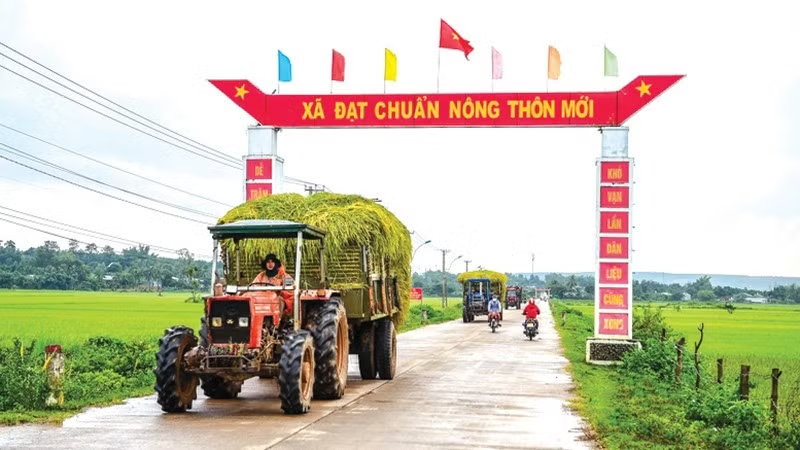
In reality, there are areas that have achieved the new rural development standards, but the lives of the people have not truly improved. Some households that have just escaped poverty easily fall back into their old cycle. The reason is not necessarily a lack of resources, but more fundamentally, because the mindset is still anchored in familiar ways of doing things. When the goal stops at "meeting the standards," it easily leads to a situation where infrastructure exists but livelihoods are not sustainable, cultural institutions are built but lack vitality, and models are implemented but lack people to operate them in the long term.
In this context, the challenge is not to do more, but to do things differently. Untying the knots in rural development thinking is not about denying what has already been done, but about asking fundamental questions: Are the people truly the main actors? Is their livelihood sustainable enough? Can communities operate independently or remain dependent? When these questions are answered frankly, the journey will shift from "government doing things for them" to "people working together," from mere support to creating opportunities, from agricultural production to agricultural economics , and from individual households to organized communities.
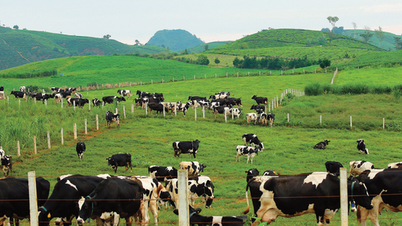
There, a field is no longer a collection of fragmented plots, but becomes an "organized field," where households are linked together along the value chain. Farmers not only produce products, but gradually become "professional farmers," knowing how to calculate, how to cooperate, and how to tell the story of their products and their land.
Sustainable poverty reduction also needs to be re-examined from that perspective. Poverty is not just a lack of income, but also a lack of information, skills, and sometimes even a lack of belief in one's own ability to improve. There are invisible anchors within each person: "I can't do it," "I'm used to being poor," "I can't keep up with others." If these anchors are not removed, then all support policies, no matter how good, will struggle to be effective in the long term.
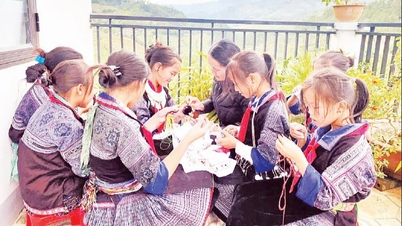
Therefore, sustainable poverty reduction should not only focus on providing material assistance, but also on enhancing capacity, inspiring willpower, and creating an environment where people can rise up on their own. This is a process of shifting from "helping the poor" to "accompanying the poor," from "giving them a fish" to "helping them master the fishing rod and understand the market."
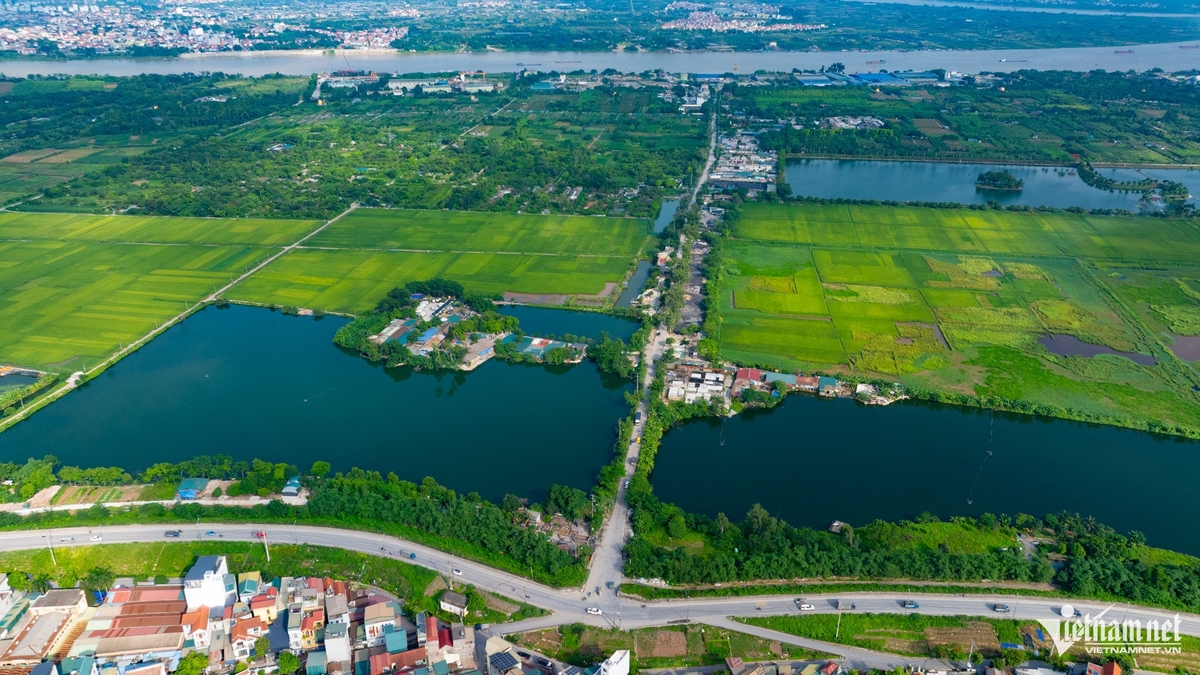
Pulling up anchors in thinking doesn't mean abandoning the past, but rather making existing values more relevant to the present. A rural village shouldn't just be about infrastructure; it needs to become a desirable living space where the economy, culture, and community thrive together. Then, the countryside is not just a place to live, but a "living heritage," a place people want to return to, want to be connected to, and are proud of.
The ship out there is still anchored, but the flow of development never stops. The question is not whether the new rural development program will continue or whether poverty reduction will be achieved, but whether we, from grassroots officials to every citizen, have the courage to remove the anchors in our own minds.
Because when thinking remains stagnant, all programs easily become mere formalities. But when thinking is liberated, a village can become a creative community, a region can become a space for development, and each citizen can become a true subject of the journey out of poverty.
Weighing down the anchor isn't about the ship leaving the harbor, but about enabling it to sail further, more steadily, and find its own horizon.
Source: https://nhandan.vn/nho-neo-trong-tu-duy-phat-trien-post963711.html














































































Comment (0)