


According to Dr. Vasil Peev, a nephrologist at Rush University Medical Center (USA), chronic kidney disease is a serious illness, therefore, early intervention and prevention are crucial.
Here are some ways to protect your kidneys, according to the American medical science news website Medical Xpress .
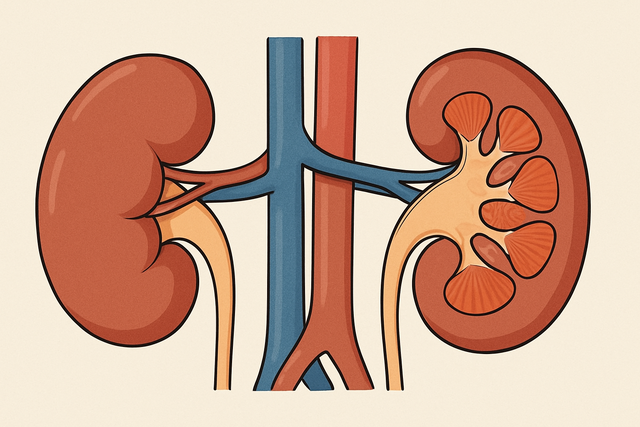
Chronic kidney disease, if left untreated, can easily lead to heart disease and stroke.
PHOTO: AI
Early recognition of signs and symptoms
Symptoms of kidney disease aren't always easy to spot; 40% of people with severe kidney failure don't know they have it. Therefore, it's important to know if you're at risk for this condition. Risk factors for kidney failure may include:
- Diabetes.
- Obesity.
- High blood pressure.
- Heart disease.
- Age (60 years and older).
- Family history of kidney disease.
Dr. Peev advises everyone to have regular annual checkups with their doctor to detect kidney disease in its early stages, which can help slow its progression.
Maintain a healthy diet and weight.
Studies show that following "kidney-friendly" diets and exercising regularly can increase the ability to protect the kidneys from damage.
“A kidney-healthy diet is low in sodium and carbohydrates, and includes plenty of fruits and vegetables. If you follow this diet consistently, it can prevent weight gain, obesity, high blood pressure, and diabetes – major risk factors for kidney disease,” says Dr. Peev.
In addition, incorporating 30 minutes of daily exercise such as walking, jogging, or cycling, along with drinking plenty of water, also helps keep the kidneys healthier. "Dehydration reduces blood flow to the kidneys, harming them, so everyone should ensure they drink enough water throughout the day," Peev emphasized.

30 minutes of exercise each day, such as cycling, will help keep your kidneys healthier.
PHOTO: AI
Avoid overuse of over-the-counter medications.
Nonsteroidal anti-inflammatory drugs (NSAIDs), a group of over-the-counter pain relievers including ibuprofen and aspirin, can increase the risk of sudden kidney failure and progressive kidney damage.
“Many common over-the-counter medications contain toxins that affect the kidneys’ filtering ability, and excess amounts can be dangerous. Furthermore, many people have pre-existing kidney damage but are unaware of it. Therefore, their ability to eliminate toxins is even more limited, only exacerbating the potential damage,” Dr. Peev stated.
Limiting alcohol consumption is key to preventing kidney disease.
The National Kidney Foundation warns that heavy, regular alcohol consumption affects the kidneys and kidney function, and doubles the risk of kidney disease. Accordingly, drinking more than 3 drinks per day for women and more than 4 drinks per day for men is considered heavy drinking.
Occasionally having one or two drinks may not cause serious effects. Drinking alcohol in moderation is the key, according to Dr. Peev.
Quit smoking
Smoking slows blood flow to vital organs, such as the kidneys, increasing the risk of kidney disease. This habit also reduces the effectiveness of medications used to treat high blood pressure and, if left uncontrolled, can lead to kidney disease.
Although quitting smoking is challenging, it is necessary to prevent kidney function decline.
Source: https://thanhnien.vn/nhung-cach-giu-cho-than-khoe-manh-185250429205222046.htm




![[Photo] Prime Minister Pham Minh Chinh presides over the meeting of the Steering Committee for the Development of Science, Technology, Innovation, Digital Transformation and Project 06.](https://vphoto.vietnam.vn/thumb/1200x675/vietnam/resource/IMAGE/2026/02/25/1772024613089_1772024091685-jpg.webp)
![[Photo] Prime Minister Pham Minh Chinh receives the Director General of TASS News Agency (Russian Federation)](https://vphoto.vietnam.vn/thumb/1200x675/vietnam/resource/IMAGE/2026/02/25/1772024599891_dsc-8041-jpg.webp)

































































































Comment (0)