


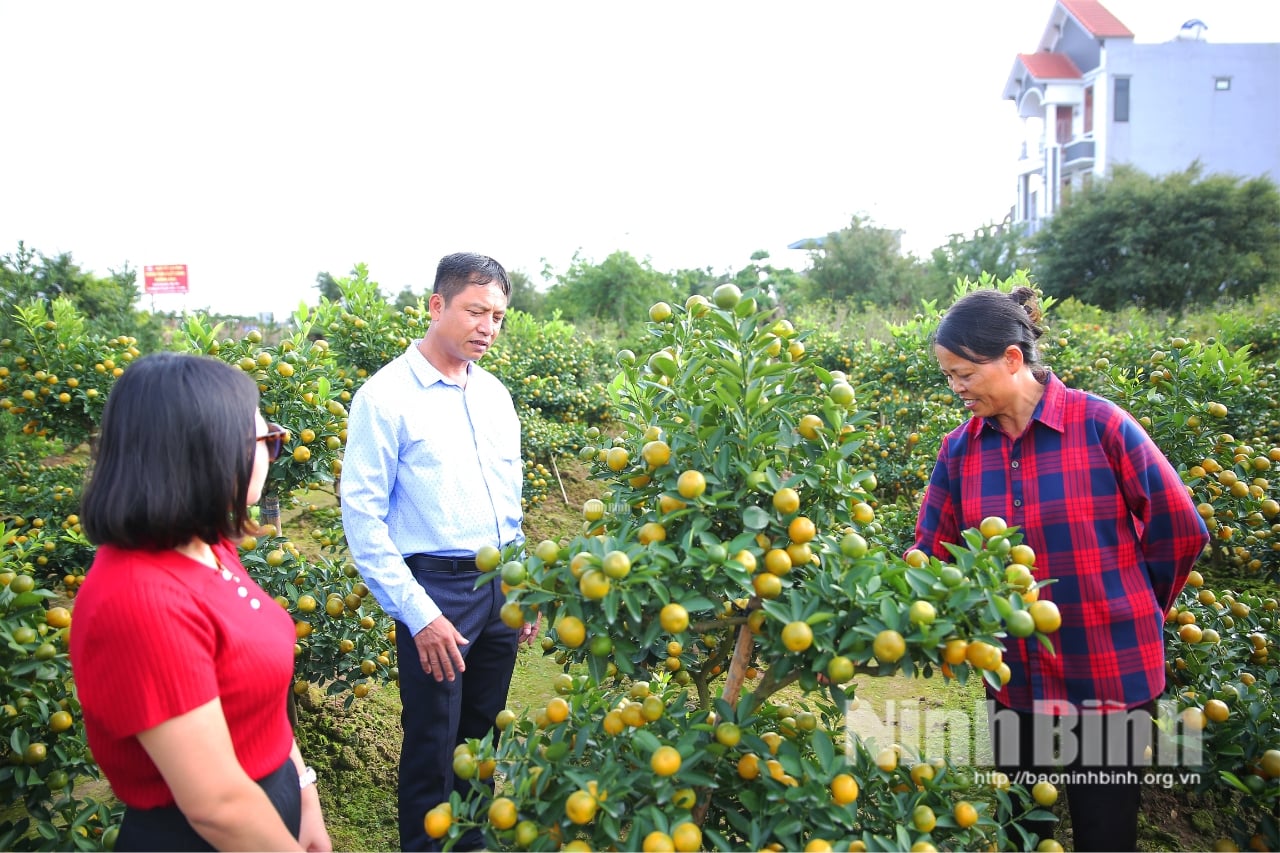
The kumquat market is booming for Tet (Lunar New Year).
In the final days of the year, the atmosphere of work in the kumquat villages of Vi Khe ward becomes more bustling than ever. On the roads leading to the residential areas in Nam Phong, Nam Toan, Nam Tay, or Dong Bai hamlet, vehicles of traders from Hanoi , Hai Phong, Quang Ninh, Thanh Hoa, etc., constantly come and go from the kumquat orchards to visit, select, and place orders.
According to gardeners, this year the demand for ornamental kumquats has increased significantly compared to the same period last year. From the beginning of the twelfth lunar month, many traders proactively visited the gardens to survey, finalize prices, and place deposits. Many beautiful kumquat gardens were "bought up" entirely, helping growers reduce the pressure of selling their produce closer to Tet (Lunar New Year), while allowing them to focus on caring for the plants, maintaining their shape, and preserving the fruit until the day of sale.

In the Nam Toan area, where there are currently about 20 hectares of kumquat trees, mainly potted and shaped varieties, the market is quite favorable. Healthy trees with evenly rounded canopies, abundant fruit, and beautiful yellow color are often chosen early by customers. Meanwhile, Nam Phong kumquat village, with about 50 hectares of long-standing kumquat trees, continues to be a key area for ornamental kumquat production in the locality, supplying a large quantity to markets inside and outside the province.
This year, kumquat prices are generally stable, without major fluctuations. Popular varieties such as kumquat trees in pots or shaped like bonsai trees range in price from 1.5 million VND to 3-4 million VND per tree, depending on size, shape, and fruit yield. Unique, elaborately shaped kumquat trees, meticulously cared for, with abundant fruit and beautiful colors, usually command higher prices and are ordered by customers well in advance.
Many farmers believe that having traders come to their orchards early not only helps stabilize output but also creates a sense of excitement and confidence in investing in care, limiting the rush to sell in the days leading up to Tet.
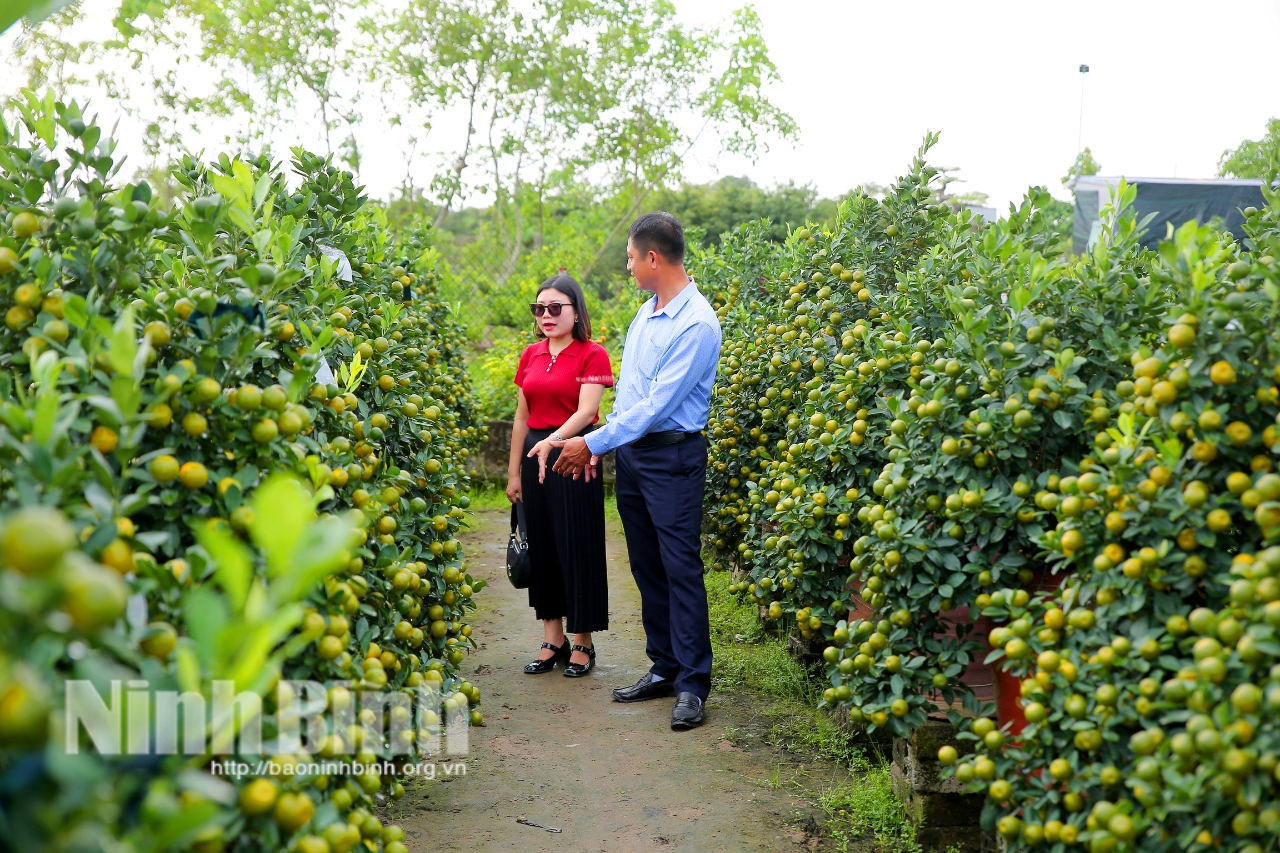
Kumquat farming - a sustainable livelihood development
In 2025, the weather was unpredictable, with several storms and prolonged heavy rains affecting agricultural production in general and kumquat trees in particular. However, thanks to years of experience and proactive care, most of the kumquat trees in Vi Khe continued to grow well with minimal damage.
According to the growers, from the beginning of the season, they focused on improving the soil, raising the planting beds, and ensuring proper drainage to prevent root rot during heavy rains. After storms, timely inspection of the orchards, pruning of broken branches, and treatment of fungal diseases were carried out, helping the plants recover quickly.

To have kumquat orchards with abundant, evenly yellow, and beautifully shaped fruit in time for Tet (Vietnamese New Year), kumquat growers must carefully monitor each stage of growth. From selecting healthy seedlings with well-developed root systems to shaping the canopy and pruning branches to create a well-proportioned, round, and airy tree, this process minimizes pests and diseases.
A particularly important step is regulating growth. Growers proactively adjust irrigation and fertilization regimes to either inhibit or encourage flowering and fruiting according to plan. In erratic weather conditions, during prolonged rain, gardeners reduce irrigation and improve drainage; during hot, dry weather, they increase irrigation and provide appropriate protection to prevent flower and young fruit drop.
In addition, pest and disease control is given priority. Pests such as leaf miners, mealybugs, and red spider mites, if not treated promptly, will directly affect fruit quality. Many orchards now prioritize the application of integrated pest management measures, using biological products and limiting the use of chemical pesticides to improve product quality and value.

Mr. Nguyen Phu Hien's family, Huong Anh Garden in Nam Tay, Nam Toan, currently cultivates approximately 3,000 kumquat trees, mainly potted and shaped varieties, intercropped with some ornamental peach trees. Thanks to mastering cultivation techniques and proactively responding to weather conditions, his family's kumquat garden this year has grown uniformly, with a high percentage of trees meeting quality standards. At current prices, his family earns an annual revenue of approximately 1.8 to 2.5 billion VND, providing regular and seasonal employment for many local workers.
Gardeners like Mr. Nguyen The Chuc and Ms. Nguyen Thi Tham (Tham Chuc garden) all believe that, in the context of increasingly unpredictable weather, adhering to technical procedures, meticulous care, and flexible adaptation to climate changes are decisive factors for the success of the kumquat crop.
Along with the efforts of the people, the support of the local government and mass organizations has significantly contributed to the stable development of kumquat cultivation in Vi Khe. Comrade Hoang Ngoc Duy, Vice Chairman of the Fatherland Front Committee of the ward and Chairman of the Farmers' Association of Vi Khe ward, said: The Farmers' Association always identifies supporting its members in developing their economy and increasing their income as a key task.
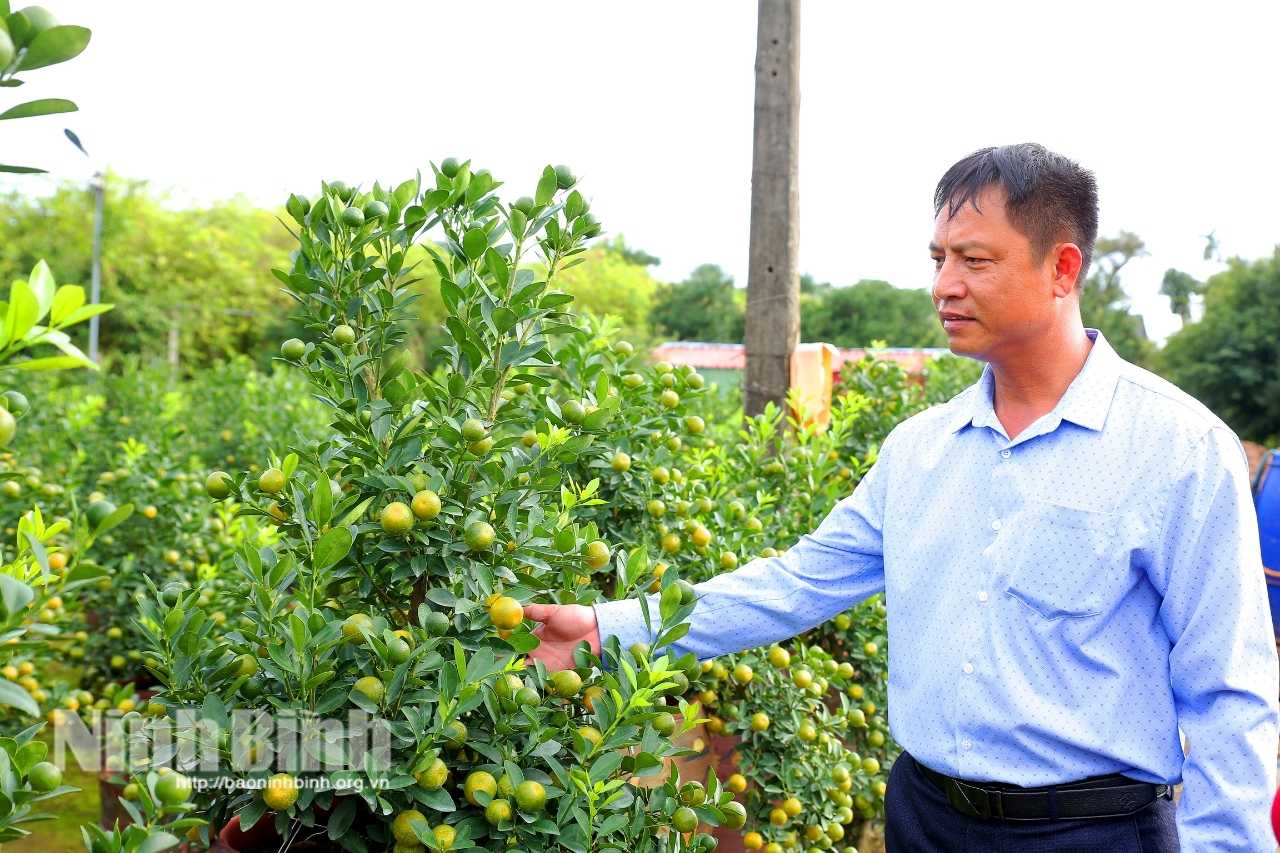
Currently, the outstanding loan balance of the Farmers' Support Fund in the area is over 1.13 billion VND, providing loans to 26 households for production investment. In addition, the Association, in coordination with the Social Policy Bank through 22 loan groups, has supported 756 households with loans totaling over 36.17 billion VND; and in coordination with the Agricultural and Rural Development Bank, with a total outstanding loan balance of over 100 billion VND, has created important resources for people to expand production scale and apply scientific and technological advancements.
In parallel with providing financial support, the Farmers' Association of the ward also organized 5 training sessions on scientific and technical knowledge for approximately 500 cadres and members; and organized 2 study tours to learn from effective production models. The increased application of mechanization in production has contributed to reducing costs, freeing up labor, and increasing crop yields.
In addition, the Association encourages its members to participate in booths promoting and introducing OCOP products at major fairs and events in the province and region, gradually building and promoting the Vi Khe ornamental kumquat brand.

In the days leading up to Tet (Lunar New Year), gardeners are still busy adjusting the shape of the kumquat trees, cleaning the roots, preserving the fruit, and maintaining the color so that the kumquats are in the best condition when they reach consumers. With proactive production, positive market signals, and the coordinated support of the local authorities and associations, this year's Tet kumquat harvest in Vi Khe is expected to bring a prosperous and abundant spring for kumquat growers.
Source: https://baoninhbinh.org.vn/nhung-lang-quat-vao-vu-tet-260101111708849.html





































































Comment (0)