

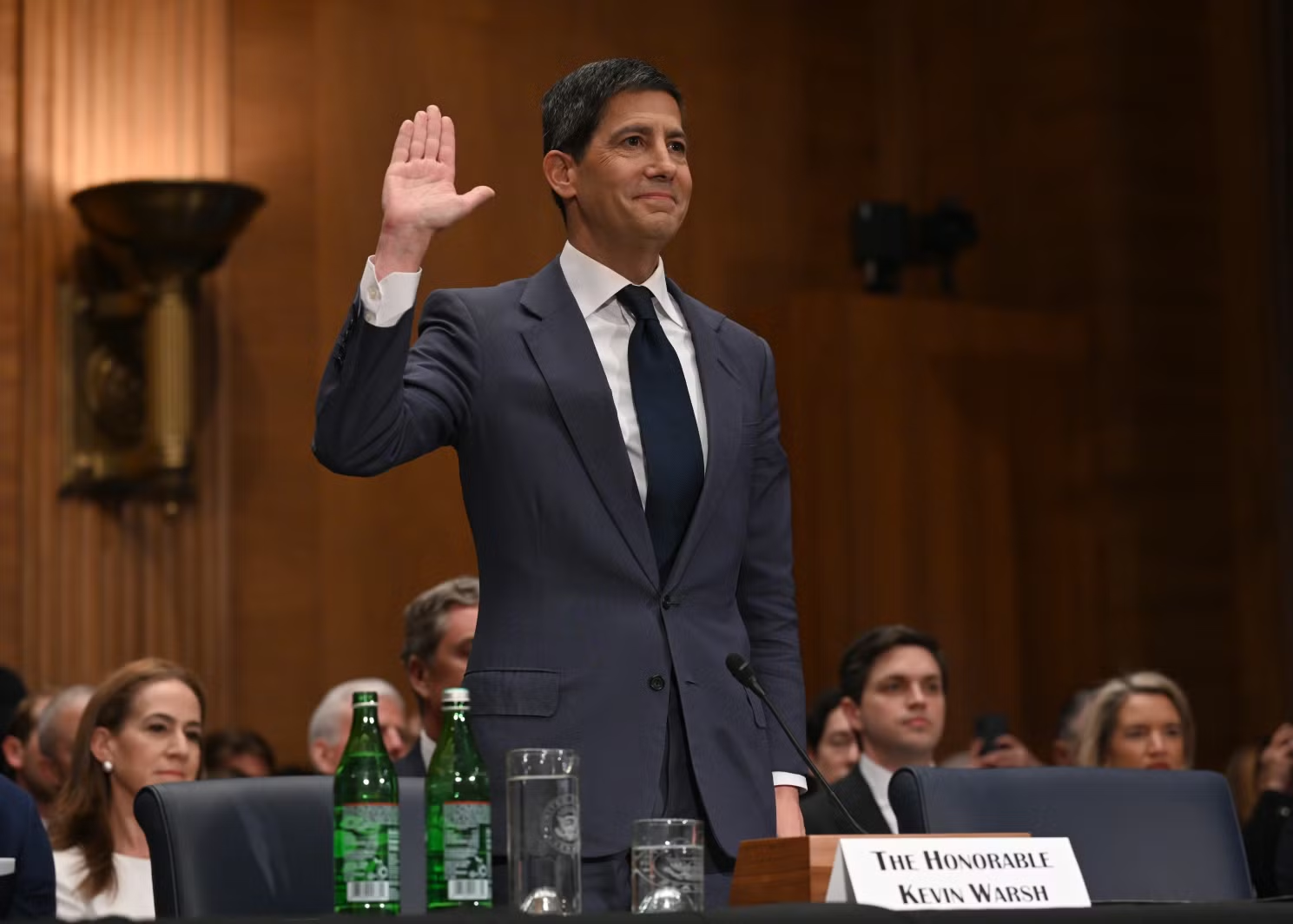
However, the seat of power on Constitution Street in Washington, D.C., is far from a bed of roses. On the contrary, Warsh faces a host of economic and political obstacles, where every wrong decision could cost the global financial system its stability.
Joe Brusuelas, chief economist at RSM, commented: “Kevin Warsh began his term with what many believed to be a presidential ‘mandate’ to cut interest rates. But the recent rise in market-outstanding inflation expectations strongly suggests that Warsh and the Federal Open Market Committee (FOMC) will have to prepare for a scenario of continued inflation escalation, forcing the Fed to reverse policy.”
Pressure from President Donald Trump
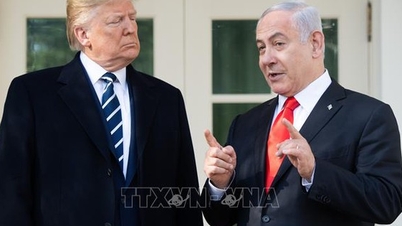
The biggest shadow hanging over any future policy moves by the Fed is the expectation imposed by the executive branch. President Donald Trump has never hidden his view that US interest rates need to be lowered to extremely low levels. The Fed under Jerome Powell's refusal to bring interest rates to 0% for much of Trump's first term was the trigger for deep rifts between the White House and the US central bank.
Although before taking office, Warsh asserted that the President had not asked him to commit to cutting interest rates and promised to base his decisions entirely on the health of the economy, Trump's public statements suggest otherwise. In April 2026, Trump frankly stated on CNBC that he would be "disappointed" if the Fed did not immediately lower interest rates under new leadership: "We should have the lowest interest rates in the world ."
Even though the President has just reassured public opinion with the statement that Mr. Warsh can “do whatever he wants,” history shows that pressure from the White House will quickly increase if the stock market falls or economic growth slows. Maintaining the Fed's independence from political pressure is the first test of the new Chairman's character.
A new inflation shock from the Iran war.
The Trump administration's desire to cut interest rates is facing a major obstacle: the specter of inflation is returning due to the conflict with Iran.
A report from the U.S. Department of Labor showed that inflation surged to 3.8%, its highest level in three years. The Producer Price Index (PPI) also accelerated similarly, raising deep concerns about a reversal of the previous downward inflation trend.
Although Warsh had previously offered an optimistic view that much of the price increase due to Iran was only temporary (due to fluctuating fuel and food costs) and would cool down once the Strait of Hormuz was reopened, the reality of the prolonged conflict is forcing markets to change their expectations.
Christian Floro, market strategist at Principal Asset Management, warned: “Better-than-expected inflation reports are putting the new chairman in the dark about price stability. Risks are mounting, with warnings that investors may not see any policy easing from the Fed until 2027.”
A shrinking workforce and harsh tariff policies.
Even before the outbreak of war in the Middle East, the American economy was already struggling to adapt to a new structure: a market facing labor shortages and high costs from import tariffs.
The government's stricter immigration policies and aggressive deportations have pulled more than 600,000 workers out of the US market over the past year. The rate of new job creation has slowed significantly since the beginning of 2025. The simultaneous decline in both labor supply and job numbers has kept the unemployment rate temporarily stable (up only 0.3 percentage points), but it has exacerbated cost pressures.
Austan Goolsbee, President of the Chicago Federal Reserve, stressed that inflation is showing signs of taking deep root in areas unrelated to oil or tariffs: “Inflation in the services sector is high and continues to rise. There’s a lot on the radar, and we really need clear, directional guidance from the Chairman.”
Deep divisions within the FOMC.
Warsh's challenge doesn't just come from the outside; it lies right at the Federal Open Market Committee (FOMC) table. He's taking over a policy council that's the most polarized and divided it's been in over three decades.
Despite being the top figure with significant influence in shaping discussions, the Fed Chairman only holds 1 out of 12 votes needed to decide interest rates. Persuading other members to reach a consensus is proving more difficult than ever. At their most recent May meeting, the FOMC voted 8-4 to keep interest rates unchanged. This was the first time since 1992 that four officials voted against a policy decision.
Two strategists, Steve Englander and John Davies from Standard Chartered Bank, commented: “We are skeptical about Chairman Warsh’s ability to implement interest rate cuts as desired by President Trump if economic data is unsupportive. He can limit or delay FOMC rate hikes, but he cannot do so indefinitely if inflation continues to rise.”
Legal fronts surround the Fed and its independence.
The final, but equally complex, hurdle is the unprecedented legal battles underway between the Trump administration and this financial institution. Warsh took office just as the administration's criminal investigations into former Chairman Powell were beginning to cool down, but another legal crisis awaited him at the Supreme Court.
The U.S. financial system is holding its breath awaiting the Supreme Court's ruling on whether the White House has the right to fire Federal Reserve Board member Lisa Cook. The outcome of this case will be decisive for the future of the central bank. If the Court sides with the White House, the Fed's vital independence – protected by law to separate monetary policy from short-term election cycles – will be completely undermined.
Kevin Warsh enters office as one of the youngest and most experienced Federal Reserve Chairs, but he also faced the narrowest confirmation vote in Senate history. To steer the American economy through the storm of inflation amidst the Iran conflict, structural labor divisions at home, and suffocating pressure from the executive branch, he will need more than pure economic theory. Diplomacy, political steadfastness, and the art of building consensus within the party will be key factors determining success or failure in what is expected to be a turbulent term.
Source: https://cand.vn/nhung-thach-thuc-don-cho-tan-chu-tich-fed-post811643.html










































































Comment (0)